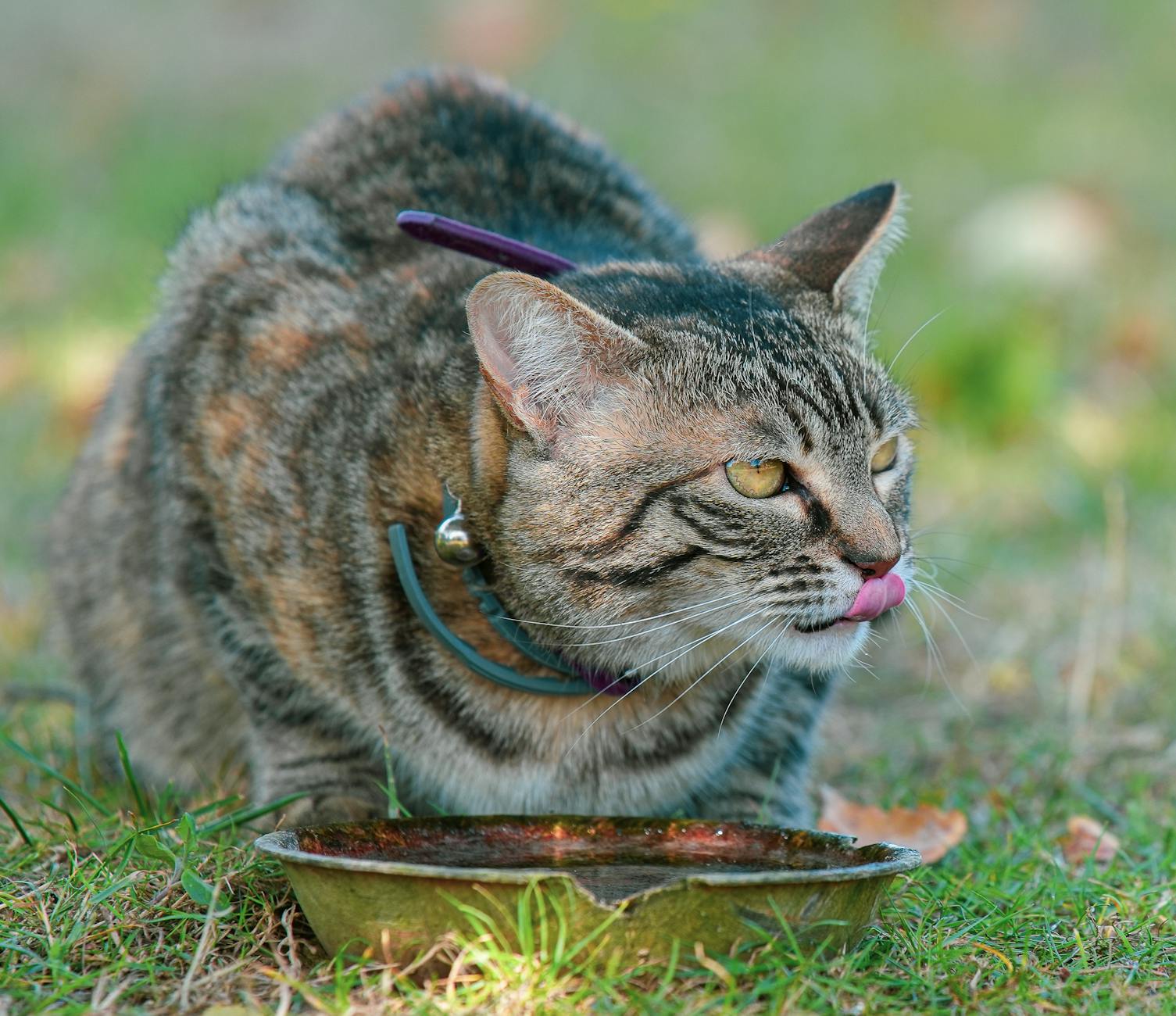
Salad dressings are generally not safe for cats to lick from plates, and you should prevent this behavior whenever possible. While a small lick of most dressings won’t cause immediate harm, many common salad dressing ingredients can be toxic to cats or cause digestive upset, and the risks increase with repeated exposure or certain ingredients. For example, if your cat gets a quick lick of a vinaigrette from a dinner plate, she’ll likely be fine, but regular access to ranch dressing or dressings containing garlic, onions, or xylitol presents real health concerns.
The safest approach is to treat salad dressings like any other human food—keep them off accessible surfaces and don’t allow your cat to lick plates before washing them. Cats have different metabolic processes than humans, meaning ingredients that are harmless to you can accumulate in their systems or cause unexpected reactions. Understanding which dressings pose the greatest risk helps you make informed decisions about kitchen safety and your cat’s dietary exposure.
Table of Contents
- Which Common Salad Dressing Ingredients Are Dangerous for Cats?
- Why Cat Metabolism Makes Dressings More Dangerous Than You Might Expect
- What About Different Types of Dressings—Are Some Safer Than Others?
- Practical Strategies to Prevent Your Cat From Accessing Salad Plates
- What Should You Do If Your Cat Licks Salad Dressing?
- Long-Term Effects of Repeated Dressing Exposure
- Building a Cat-Safe Kitchen Culture
- Conclusion
- Frequently Asked Questions
Which Common Salad Dressing Ingredients Are Dangerous for Cats?
Many popular salad dressing ingredients are toxic to cats or can cause significant health problems. Garlic and onions, found in vinaigrettes, ranch, and Italian dressings, contain compounds called thiosulfates that damage cats’ red blood cells and can lead to hemolytic anemia. Even small amounts consumed over time can accumulate in their system.
Xylitol, an artificial sweetener used in some sugar-free dressings, is extremely toxic to cats and triggers sudden insulin release, causing hypoglycemia and liver damage. Other concerning ingredients include excessive salt, which can lead to sodium ion poisoning and dehydration, and certain spices like garlic powder and onion powder, which are concentrated versions of fresh garlic and onions. Fat content is also problematic—rich, fatty dressings can cause pancreatitis in cats, a potentially life-threatening inflammation of the pancreas. Comparison-wise, while a human might consume a creamy dressing without consequence, even a tablespoon can represent a significant fat load for a cat’s smaller body and different digestive system.
Why Cat Metabolism Makes Dressings More Dangerous Than You Might Expect
cats are obligate carnivores with liver enzymes and digestive systems designed to process meat, not the complex compounds found in processed dressings. Their livers lack certain enzymes needed to break down and eliminate many plant-based compounds and additives, meaning toxins can accumulate faster in their bodies than in humans. This metabolic difference is a major limitation to the “a little bit won’t hurt” logic that might apply to dogs or humans.
Additionally, cats have a much smaller body mass than humans, so the relative dose of any ingredient is proportionally higher. A cat weighing 10 pounds consuming the same amount of salt as a 150-pound human is receiving 15 times the dose per pound of body weight. This is why ingredients present in tiny amounts might seem insignificant but can actually pose real risks. The warning here is that you cannot assume a dressing is safe just because the amount seems small—concentration matters enormously for cats.
What About Different Types of Dressings—Are Some Safer Than Others?
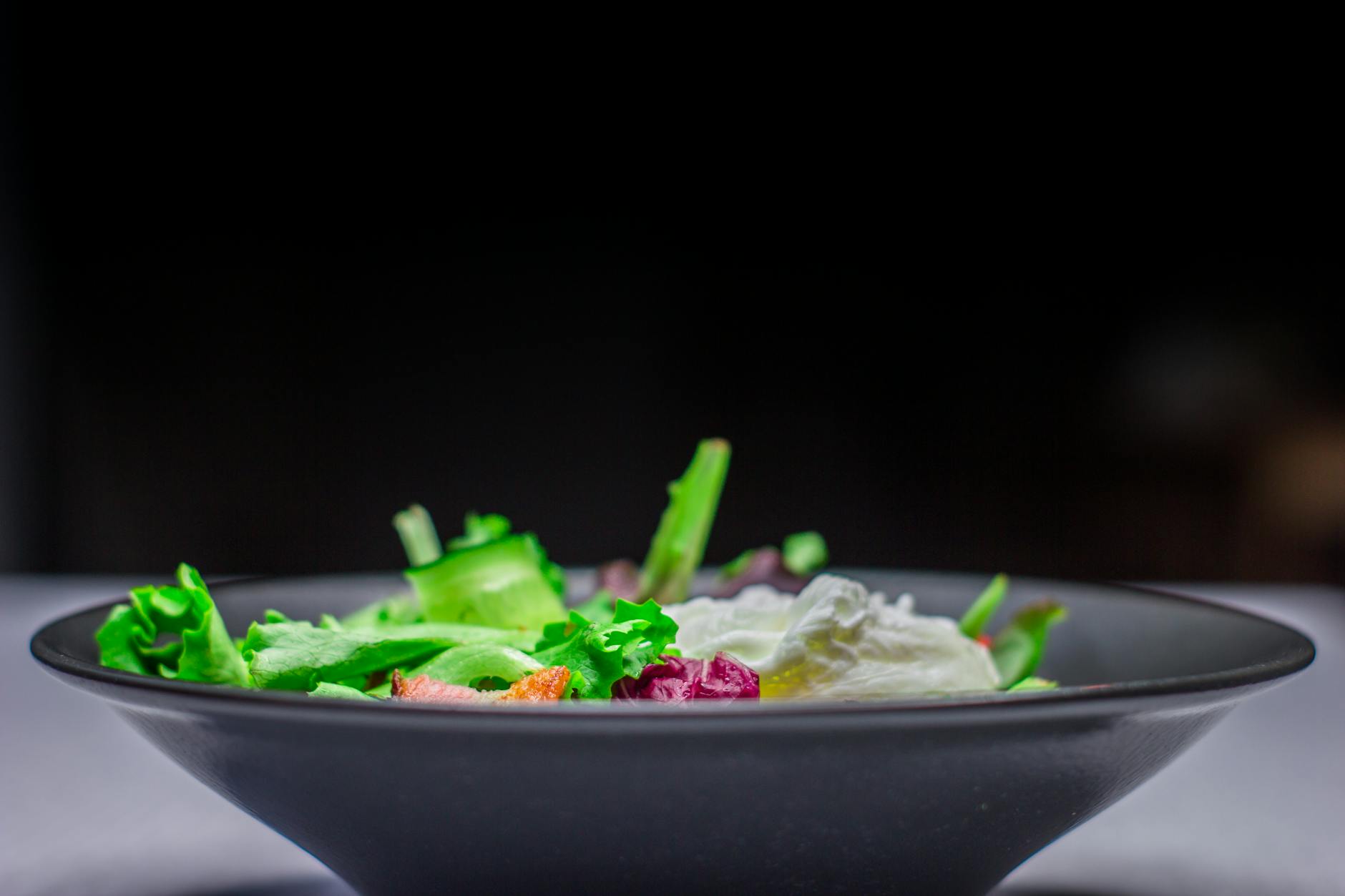
Different dressing categories present varying levels of risk. Vinaigrettes based on oil and vinegar are relatively safer than cream-based dressings, though they may contain garlic or onions. A simple olive oil and balsamic vinegar dressing poses minimal risk if your cat gets a small taste, compared to a creamy garlic parmesan dressing. However, even “safer” dressings should not be a regular part of your cat’s access.
Cream-based dressings like ranch, blue cheese, and Caesar carry higher risks due to their fat content and inclusion of garlic, anchovy paste (which can be high in sodium), and dairy. Thousand Island and similar dressings often contain sweeteners and additional ingredients that make them less suitable for cats. Asian-style dressings might include sesame oil, soy sauce (high in sodium), or ginger, all of which can be problematic. The specific example here is that while your cat might tolerate a tiny lick of olive oil vinaigrette better than ranch, you should still discourage access to any plate licking as a general practice.
Practical Strategies to Prevent Your Cat From Accessing Salad Plates
The most effective prevention is simply not leaving plates with dressing accessible to your cat. Wash dishes immediately after meals, store leftovers in sealed containers, and keep dining areas clear of plate remnants. If you have a curious cat who jumps on tables or counters, consider using deterrents like double-sided tape, aluminum foil, or commercial cat repellents on dining surfaces.
Create a feeding routine that directs your cat’s attention elsewhere during meal times. Some cat owners use a separate feeding station with cat-appropriate food or toys to give their cat something to do while the family eats. Teaching a reliable “off” or “leave it” command using treats and positive reinforcement is another strategy, though this requires consistent training. The tradeoff is that prevention through environmental management is more reliable than training, especially for determined cats—you can’t always count on a cat respecting a boundary if the temptation is strong enough.
What Should You Do If Your Cat Licks Salad Dressing?
If your cat gets a small lick of salad dressing, stay calm. A tiny amount of most dressings won’t cause immediate poisoning, but watch for signs of distress over the next 24 hours. Monitor for vomiting, diarrhea, lethargy, loss of appetite, or excessive drooling. If the dressing contained garlic, onions, or xylitol, contact your veterinarian immediately even if your cat seems fine—these toxins can cause delayed reactions and cumulative damage.
The warning here is critical: never assume a small exposure to a garlic or onion-containing dressing is harmless. Contact poison control or your vet to determine if the specific dressing ingredient warrants treatment. If your cat eats a significant amount of creamy dressing, monitor for signs of pancreatitis including abdominal pain, vomiting, and reluctance to eat. Document what your cat consumed, including the dressing brand and ingredients if available, as this information helps your vet determine appropriate next steps.
Long-Term Effects of Repeated Dressing Exposure
If your cat has had repeated small exposures to salad dressing, the long-term effects depend entirely on the type of dressing and frequency of exposure. Repeated garlic or onion consumption can lead to gradual anemia that might not show obvious symptoms until it’s advanced. Chronic exposure to high-fat dressings increases the risk of obesity, pancreatitis, and liver disease.
The example here is a cat in a multi-pet household who regularly steals salad plates and gets occasional licks—over months, this can contribute to subtle liver damage or chronic inflammation that doesn’t show obvious signs until a blood test reveals problems. If you suspect your cat has had chronic dressing exposure, ask your vet about screening bloodwork to check red blood cell counts, liver enzymes, and overall nutritional status. Early detection of issues allows for dietary adjustments and preventive care.
Building a Cat-Safe Kitchen Culture
Creating a kitchen environment where plate licking isn’t an option requires consistent household habits, not just cat training. All family members need to understand the risks and participate in keeping plates off accessible surfaces. This proactive approach prevents situations where a guest or family member absentmindedly leaves a salad plate on the coffee table.
As more cat owners become aware of feline-specific toxins and metabolic differences, the trend is toward greater caution about human food access for cats. This knowledge shift helps create safer environments where cats aren’t exposed to unnecessary risks. Building these habits now protects your cat’s long-term health and prevents emergency vet visits.
Conclusion
Salad dressings pose enough risk to cats that you should actively prevent access to plates and any licking behavior. The combination of potentially toxic ingredients like garlic and onions, high fat content, excessive salt, and possible artificial sweeteners, combined with cats’ unique metabolism, makes this a situation where prevention is far easier and safer than managing complications after exposure.
Take practical steps to keep salad plates off accessible surfaces, teach family members about the risks, and monitor your cat if accidental exposure occurs. If you’re unsure whether your cat has consumed something concerning, contacting your veterinarian is always the right choice—it’s far better to get advice that you don’t need than to miss a genuine toxicity issue.
Frequently Asked Questions
What’s the most dangerous salad dressing ingredient for cats?
Xylitol is the most acutely dangerous, causing rapid hypoglycemia and liver failure. Garlic and onions are also very serious, causing anemia through red blood cell damage. Both warrant immediate veterinary attention if consumed.
Can cats have a tiny bit of ranch dressing?
A single lick is unlikely to cause acute harm, but ranch contains garlic, onions, and high fat. You shouldn’t allow this behavior regularly, and if it happens, monitor for vomiting, diarrhea, or lethargy over 24 hours.
How long does it take for garlic toxicity to show up in cats?
Garlic toxicity can take days or even weeks to become apparent, as damage accumulates. Anemia symptoms might not show until significant damage has occurred. This is why preventing any garlic exposure is better than waiting to see symptoms.
Is olive oil salad dressing safe for cats?
Plain olive oil is generally safe in tiny amounts, but most olive oil dressings contain garlic, vinegar, or other additives. Even if the dressing seems simple, it’s best not to make plate licking a habit.
What should I do if my cat ate a whole salad?
Contact your veterinarian or animal poison control immediately, especially if the salad dressing contained garlic, onions, or artificial sweeteners. Bring the dressing bottle or ingredient list if available so your vet can assess the specific risk.
Can dressing cause pancreatitis in cats?
Yes, high-fat dressings can trigger pancreatitis, which causes severe abdominal pain, vomiting, and lethargy. Even one exposure to very fatty dressing can cause acute pancreatitis in susceptible cats.