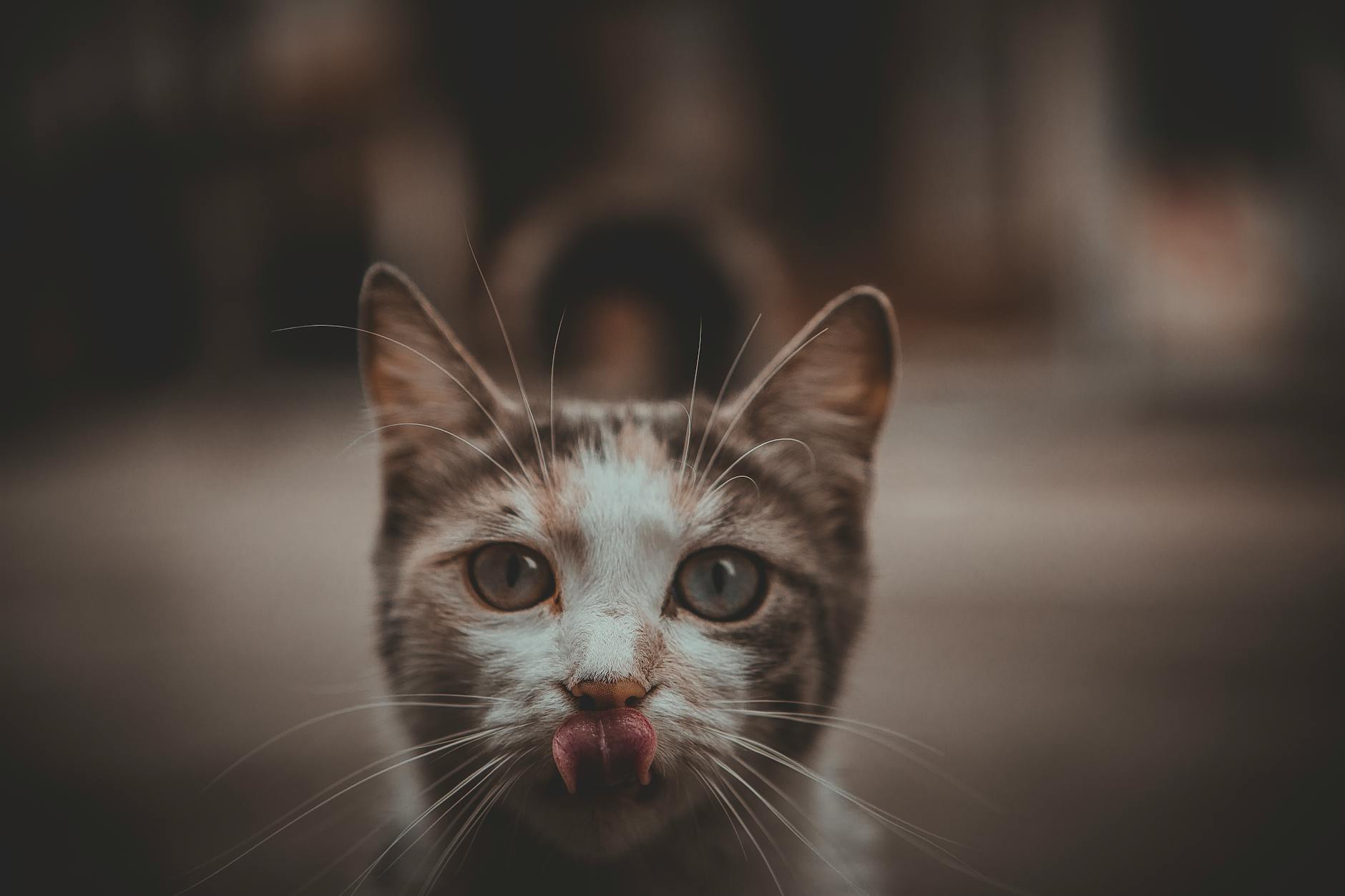
It’s generally not safe for cats to lick bowls with ice cream melt, though a small taste of plain ice cream is unlikely to cause serious harm. The primary concern isn’t the ice cream itself, but what’s in it—sugar, dairy, artificial sweeteners (especially xylitol), chocolate, and other ingredients that cats’ digestive systems aren’t equipped to handle. Most cats also lack sufficient lactase enzymes to digest milk products after weaning, making even melted ice cream potentially problematic. A common scenario illustrates this risk: Sarah leaves her ice cream bowl on the coffee table while answering the phone.
Her cat, Luna, jumps up and licks the remaining vanilla ice cream residue. Within hours, Luna experiences vomiting and diarrhea—not from one lick, but from the combination of lactose, added sugar, and potentially other ingredients. This is a mild but telling example of why prevention matters. The safety depends heavily on what type of ice cream, how much was consumed, and your individual cat’s sensitivity. A single lick of plain vanilla ice cream likely poses minimal risk, but regular access or larger quantities creates genuine health concerns.
Table of Contents
- What Makes Ice Cream Problematic for Cats?
- Lactose Intolerance and Digestive Sensitivity
- Dangerous Ice Cream Ingredients Beyond Dairy
- Safe Alternatives and Prevention Strategies
- Signs of Ice Cream-Related Illness and When to Contact a Vet
- Ice Cream Residue on Bowls and Food Safety
- Building Better Treat Habits and Long-Term Health
- Conclusion
- Frequently Asked Questions
What Makes Ice Cream Problematic for Cats?
Most ice cream contains ingredients that conflict with feline physiology in multiple ways. The lactose content is perhaps the most recognized issue—commercial ice cream typically contains 5-10% lactose by weight, depending on the brand and type. After weaning, cats lose most of their ability to produce lactase, the enzyme needed to break down lactose. This isn’t just discomfort; undigested lactose pulls water into the intestines, causing diarrhea that can last 24-48 hours.
Beyond lactose, the sugar content poses metabolic challenges. Cats evolved as obligate carnivores with virtually no dietary need for carbohydrates or sugar. High sugar consumption contributes to weight gain, dental problems, and potentially feline diabetes over time. Unlike dogs, cats have taste receptors that don’t register sweetness, so they have no evolutionary incentive to seek out sugary foods—if a cat is attracted to ice cream, it’s the fat, dairy, or other flavoring components, not the sweetness itself. Comparison: A single bowl of ice cream contains as much sugar as a cat would naturally consume across several days of hunting.

Lactose Intolerance and Digestive Sensitivity
Lactose intolerance in cats is nearly universal in adult cats, with studies suggesting 90% of adult felines lack sufficient lactase production. This creates a reliable consequence: licking ice cream often leads to digestive upset within 6-12 hours. Symptoms include loose stools, diarrhea, abdominal discomfort, and sometimes vomiting. While these symptoms typically resolve within 24-48 hours without intervention, they indicate that your cat’s system is working hard to process something it wasn’t designed to handle.
The severity varies by individual cat and the amount consumed. A kitten has higher lactase levels than an adult cat, which is why some young cats tolerate small amounts of milk better than their older counterparts. However, even if your cat doesn’t experience immediate diarrhea, the undigested lactose still creates stress on the digestive system. A limitation to consider: some cats show delayed reactions, with digestive symptoms appearing a full day after consumption, making it harder to connect cause and effect. This is particularly problematic if you don’t witness your cat licking the bowl and attribute the diarrhea to something else entirely.
Dangerous Ice Cream Ingredients Beyond Dairy
Certain ice cream flavors and additives pose greater risks than plain vanilla. chocolate ice cream is toxic to cats due to theobromine, a compound found in chocolate that affects the feline heart and nervous system. Even small amounts of chocolate can cause symptoms like rapid heart rate, tremors, and in severe cases, seizures. Coffee-flavored ice cream presents the same caffeine toxicity concern.
Sugar-free ice creams introduce a different hazard entirely—many contain xylitol, an artificial sweetener that is extremely toxic to cats (and dogs). Even tiny amounts of xylitol can cause rapid insulin release in cats, leading to hypoglycemia and potential liver damage. Symptoms of xylitol poisoning appear quickly—within 15-30 minutes—and include vomiting, loss of coordination, and lethargy. Nuts and additives like macadamia nuts, while less commonly found in ice cream, are also toxic. A specific example: a cat that licks a bowl of sugar-free chocolate ice cream could consume a dangerous dose of both xylitol and theobromine simultaneously, creating a medical emergency.

Safe Alternatives and Prevention Strategies
Rather than allowing any ice cream consumption, consider feline-appropriate alternatives that provide similar appeal. Cat-safe frozen treats exist, including plain frozen broth or cat-formulated frozen supplements. Some cats enjoy licking small amounts of unsalted, unsweetened plain yogurt, which contains probiotics that many ice creams lack. However, even yogurt should be offered sparingly and only if your cat tolerates dairy reasonably well.
Prevention is more effective than management. Keep ice cream bowls out of reach, particularly when your cat is in the room. Don’t leave desserts unattended, and train family members—especially children—not to offer ice cream to cats as a treat. A comparison: the effort required to keep ice cream bowls secured is minimal compared to managing the digestive upset or potential veterinary emergency that follows. Some cat owners find it easier to keep frozen desserts in a secure freezer compartment or to finish ice cream meals away from the cat’s usual territory.
Signs of Ice Cream-Related Illness and When to Contact a Vet
If your cat has consumed ice cream, watch for symptoms over the following 24-48 hours. Mild cases present with soft stools or diarrhea, slightly reduced appetite, or temporary lethargy. These usually resolve without treatment but indicate that your cat’s digestive system is struggling. More concerning symptoms include persistent vomiting (more than once), severe diarrhea (watery or bloody), abdominal pain (indicated by hunching or reluctance to move), or behavioral changes like hiding more than usual.
A warning: if your cat consumed chocolate, sugar-free ice cream containing xylitol, or any flavored ice cream with unknown ingredients, contact your veterinarian immediately rather than waiting to see if symptoms develop. Chocolate and xylitol toxicity require urgent treatment, and delayed care can result in serious complications. Time matters significantly with xylitol poisoning, which can cause life-threatening liver failure if not addressed quickly. Even if your cat seems fine after consuming these ingredients, veterinary assessment is warranted.

Ice Cream Residue on Bowls and Food Safety
One underappreciated risk involves the bacterial growth in melted ice cream. Melting ice cream creates an ideal environment for bacteria like Salmonella and E. coli to proliferate, especially if the bowl sits at room temperature for more than two hours. A cat licking an old, room-temperature ice cream bowl isn’t just consuming lactose and sugar—it might be consuming bacterial pathogens that cause food poisoning.
Cats can contract and shed Salmonella, creating a potential health risk for household humans as well. Cleanup is straightforward: rinse bowls immediately after use rather than leaving them for later. This prevents bacterial growth and removes the temptation for your cat to investigate. If your cat has already licked a bowl left out for several hours, monitor closely for signs of food poisoning like diarrhea, vomiting, or fever.
Building Better Treat Habits and Long-Term Health
The occasional, accidental ice cream exposure is unlikely to cause lasting harm, but regular or intentional ice cream sharing can contribute to obesity, dental disease, and metabolic issues in cats. Building better treat habits involves understanding what your cat actually needs nutritionally. Cats thrive on protein-based treats that align with their carnivorous nature—options like freeze-dried chicken, small portions of cooked turkey, or commercial cat treats formulated specifically for feline nutrition.
As your cat ages, the risks associated with dairy and sugar consumption increase. A cat with existing digestive sensitivities, diabetes, or kidney disease has even lower tolerance for ice cream’s ingredients. Planning ahead—knowing which treats are safe, keeping dangerous foods secured, and communicating these guidelines with family members—prevents incidents before they occur and helps your cat live a healthier, longer life.
Conclusion
While a small lick of plain ice cream won’t typically cause serious harm, the safer answer is to prevent access entirely. Ice cream contains ingredients—lactose, sugar, and potentially toxic compounds—that cats aren’t equipped to digest or tolerate well. Most cats experience digestive upset within hours of consumption, and certain ice cream flavors pose genuine toxicity risks that warrant immediate veterinary attention.
The best approach is prevention combined with awareness. Keep ice cream secured, offer feline-appropriate frozen treats instead, and monitor your cat’s health if accidental exposure occurs. If your cat consumes chocolate, sugar-free, or specialty ice cream flavors, contact your veterinarian promptly rather than waiting for symptoms to develop.
Frequently Asked Questions
Is a small lick of plain vanilla ice cream dangerous?
A single small lick is unlikely to cause serious harm, but it may cause mild digestive upset like diarrhea within 24 hours. Repeated licks or larger amounts increase the risk of gastrointestinal symptoms.
Can cats eat ice cream as an occasional treat?
Not recommended. Even occasional consumption can cause digestive upset due to lactose intolerance in adult cats. Feline-appropriate treats are safer alternatives.
What should I do if my cat ate sugar-free ice cream?
Check the ingredient list immediately for xylitol. If present, contact your veterinarian right away—xylitol is toxic to cats and requires urgent medical attention, even if your cat seems fine.
Is lactose-free ice cream safe for cats?
While lactose-free ice cream eliminates that concern, it still contains sugar and other ingredients that aren’t ideal for cats. It’s better than regular ice cream but still not recommended as a regular treat.
Can kittens eat ice cream more safely than adult cats?
Kittens have slightly higher lactase levels than adult cats, so they tolerate small amounts of dairy better. However, the sugar content and other ingredients still pose concerns, and it’s better to avoid ice cream entirely at any age.
What are safe frozen treats for cats?
Plain frozen broth, freeze-dried cat treats, small amounts of unsalted cooked chicken, or commercial cat-formulated frozen supplements are safer options than ice cream.