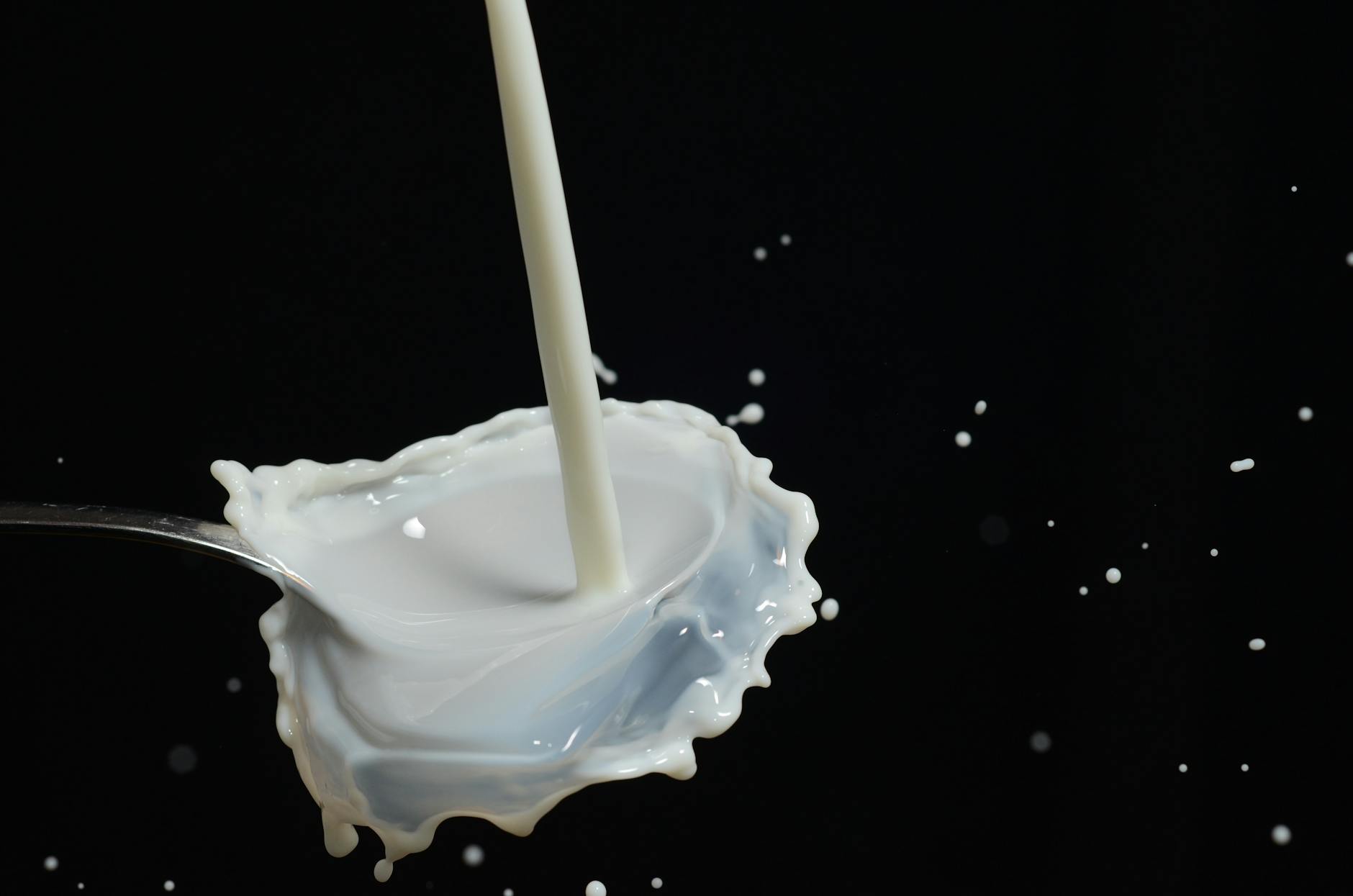
Yes, most adult cats are lactose intolerant. The image of a cat happily lapping up a saucer of milk is one of the most persistent myths in pet care, but the biological reality tells a different story. Like most mammals, cats produce abundant lactase””the enzyme needed to digest lactose in milk””during infancy, but production drops sharply after weaning. By adulthood, the majority of cats lack sufficient lactase to properly break down dairy products, leading to digestive upset that can range from mild discomfort to significant gastrointestinal distress. A cat that sneaks a few licks of your cereal milk might seem fine, but a cat given a full bowl could experience diarrhea, vomiting, or painful bloating within eight to twelve hours.
The degree of lactose intolerance varies among individual cats. Some retain more lactase production into adulthood than others, meaning they can tolerate small amounts of dairy without obvious symptoms. However, even cats that appear unaffected may experience subclinical digestive issues, such as mild inflammation or changes in gut bacteria, that aren’t immediately visible. A Persian cat named Oliver, for instance, might drink cream without apparent consequence while his littermate experiences severe diarrhea from the same amount””the difference lies in their individual enzyme levels, not in whether milk is appropriate feline nutrition. This article explores the science behind feline lactose intolerance, examines why the milk-loving cat stereotype persists, identifies symptoms to watch for, and provides guidance on safe alternatives if you want to give your cat an occasional dairy-like treat. Understanding your cat’s digestive limitations can prevent unnecessary discomfort and potential dehydration from gastrointestinal episodes.
Table of Contents
- Why Do Cats Lose the Ability to Digest Milk After Kittenhood?
- The Symptoms of Lactose Intolerance in Cats
- Why Do Cats Seem to Love Milk Despite Being Intolerant?
- Safe Alternatives to Milk for Cats
- When Dairy Becomes Dangerous: Recognizing Serious Reactions
- Lactose Tolerance Variation Among Cat Breeds and Individuals
- The Future of Feline Nutrition and Dairy-Free Formulations
- Conclusion
Why Do Cats Lose the Ability to Digest Milk After Kittenhood?
The lactase decline in cats follows a pattern common across nearly all mammal species. During the nursing period, kittens produce high levels of lactase in their small intestine, allowing them to efficiently extract nutrients from their mother’s milk. This enzyme breaks lactose””a complex sugar””into simpler sugars called glucose and galactose, which the body can absorb and use for energy. As kittens transition to solid food between four and eight weeks of age, their bodies receive biological signals to reduce lactase production, since milk is no longer their primary food source. This weaning process represents an evolutionary efficiency.
Producing enzymes requires metabolic resources, and maintaining high lactase levels serves no purpose once an animal reaches maturity and no longer nurses. In the wild, adult cats would never encounter milk again after leaving their mother, so there was no selective pressure to retain digestive capacity for lactose. The domestic cat’s exposure to cow’s milk is an artificial situation created by human households, one that their digestive systems did not evolve to handle. Interestingly, cow’s milk contains nearly twice the lactose concentration of cat’s milk, compounding the digestive challenge. A kitten nursing from its mother receives milk specifically formulated for feline digestion, while cow’s milk presents a substantially higher lactose load. This means even a cat with some residual lactase production faces a greater challenge digesting bovine dairy than it would feline dairy, making the saucer-of-milk tradition doubly problematic.
The Symptoms of Lactose Intolerance in Cats
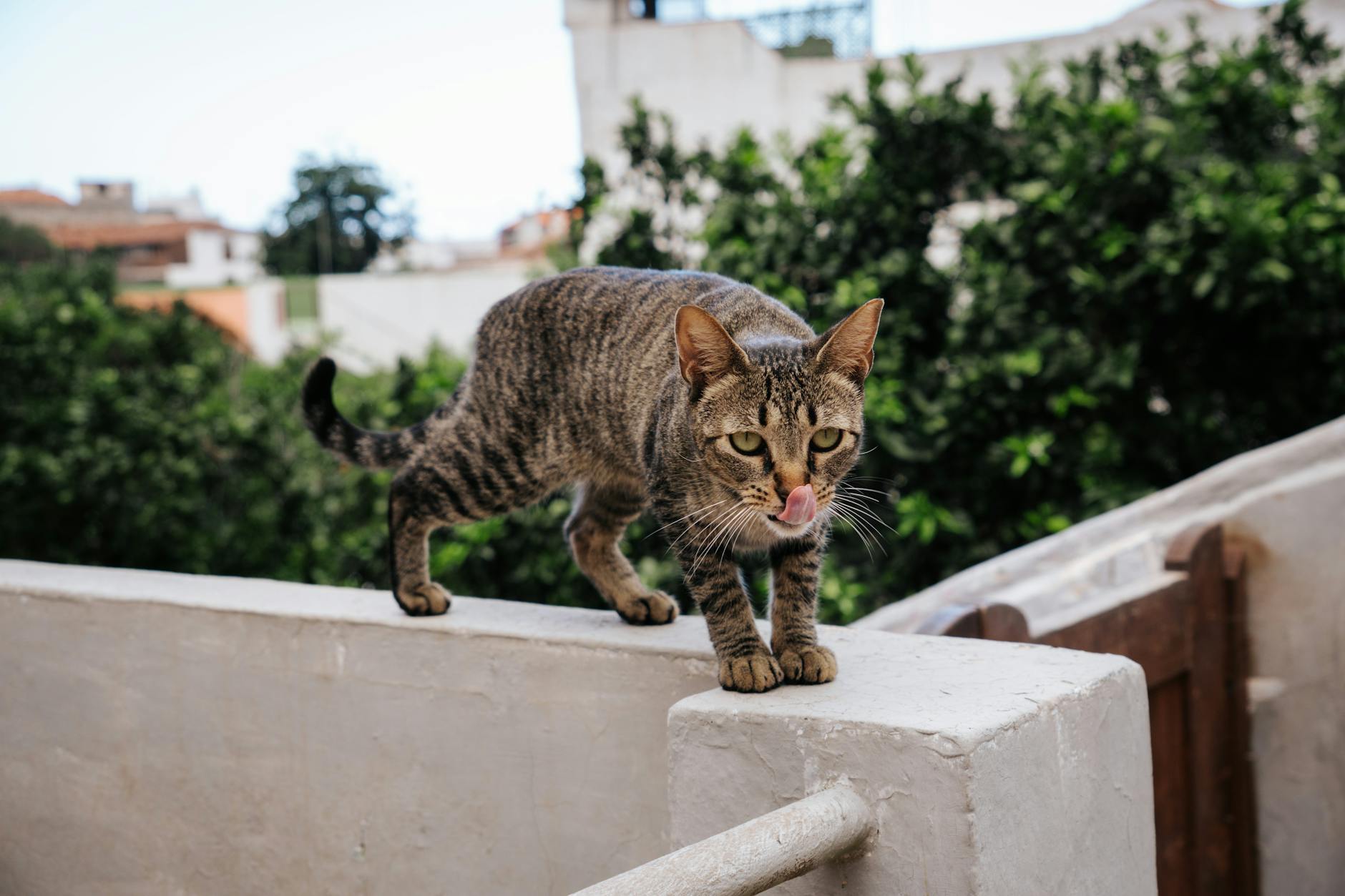
When a lactose-intolerant cat consumes dairy, the undigested lactose passes into the large intestine, where gut bacteria ferment it. This fermentation produces gases and draws water into the intestinal tract through osmosis, creating a cascade of uncomfortable symptoms. The most common signs include diarrhea, which typically appears within eight to twelve hours of dairy consumption, along with abdominal bloating, flatulence, and sometimes vomiting. The severity depends on both the amount consumed and the individual cat’s lactase levels. However, if your cat only had a small lick of butter or cheese, you may not notice any symptoms at all””the threshold varies significantly. Aged cheeses and butter contain less lactose than milk, so these products cause fewer problems in small quantities.
A cat that experiences violent diarrhea from a tablespoon of milk might tolerate a small piece of cheddar without obvious distress. This inconsistency sometimes leads owners to incorrectly conclude their cat handles dairy well, when in reality they’ve simply stayed below the symptom threshold. Repeated dairy exposure can lead to more serious concerns beyond acute digestive upset. Chronic low-grade inflammation in the gut, disruption of healthy intestinal bacteria, and potential nutrient malabsorption can occur even when symptoms seem minor. Kittens and senior cats face particular risks, as diarrhea-induced dehydration affects them more severely than healthy adults. If your cat has consumed dairy and shows symptoms lasting more than twenty-four hours, or if you notice blood in the stool, veterinary attention is warranted.
Why Do Cats Seem to Love Milk Despite Being Intolerant?
The attraction cats feel toward milk has nothing to do with nutritional wisdom and everything to do with fat content. Cats are obligate carnivores with taste receptors tuned to detect amino acids and fats””the building blocks of meat. Milk, particularly whole milk and cream, contains significant fat that cats find appealing. They’re responding to the richness, not making an informed dietary choice. A cat will also eagerly eat foods that could harm them, from toxic lilies to antifreeze, demonstrating that feline taste preferences are unreliable guides to safety. The cultural association between cats and milk has deep historical roots that reinforced this problematic feeding practice.
On farms, cats served as mousers and were often rewarded with milk fresh from the cow. This symbiotic relationship made practical sense in an era before commercial cat food existed, even if it caused digestive problems that went unrecognized or were considered acceptable trade-offs. The imagery persisted through illustrations, cartoons, and advertising, cementing an association that modern veterinary science has thoroughly debunked. Consider a barn cat in the nineteenth century: chronic mild diarrhea from daily milk consumption might have gone unnoticed among outdoor cats, or been attributed to other causes entirely. The cat survived, reproduction continued, and the practice perpetuated. Today’s indoor cats living in closer proximity to their owners make the consequences of dairy feeding much more apparent””and much less acceptable from a welfare standpoint.

Safe Alternatives to Milk for Cats
If you want to offer your cat a milk-like treat, several lactose-free options exist that eliminate digestive concerns. Cat-specific milk products, available at most pet stores, have the lactose enzymatically removed while retaining the creamy texture and fat content cats enjoy. Brands like Cat-Sip and Whiskas Cat Milk provide this experience without the gastrointestinal consequences. These products typically cost more than regular milk but prevent the potential veterinary bills and cleanup associated with digestive upset. Plain water remains the ideal hydration source for cats, though many cats drink less than they should due to low thirst drive””a trait inherited from desert-dwelling ancestors. Some owners find that providing a water fountain increases drinking, as cats often prefer moving water.
Bone broth made without onions, garlic, or excessive salt offers another appealing liquid treat that provides hydration along with protein and minerals. The trade-off with specialty cat milks and broths is cost versus frequency: these are best offered as occasional treats rather than daily provisions. Goat’s milk contains slightly less lactose than cow’s milk and is sometimes marketed as a cat-safe alternative. However, it still contains enough lactose to cause problems in highly sensitive cats, so it’s not a universal solution. Fermented dairy products like plain yogurt and kefir have reduced lactose due to bacterial breakdown during culturing, and the probiotics may offer digestive benefits. Small amounts are generally better tolerated, but individual response varies, and these should still be considered occasional treats rather than dietary staples.
When Dairy Becomes Dangerous: Recognizing Serious Reactions
While most lactose intolerance cases resolve on their own within a day or two, certain situations require veterinary intervention. Severe or prolonged diarrhea can cause dangerous dehydration, particularly in kittens under six months, senior cats, or cats with pre-existing health conditions. Signs of dehydration include sunken eyes, lethargy, dry gums, and skin that doesn’t spring back quickly when gently pinched. A dehydrated cat may need subcutaneous or intravenous fluids to recover safely. True dairy allergies, though rarer than lactose intolerance, present a more serious concern. A cat allergic to milk proteins””casein or whey””can experience immune-mediated reactions that go beyond digestive symptoms.
Skin irritation, itching, hair loss, and respiratory symptoms may indicate an allergy rather than simple intolerance. The distinction matters because allergic reactions can worsen with repeated exposure and may require long-term dietary management. If your cat shows symptoms beyond gastrointestinal upset after dairy consumption, an allergy workup with your veterinarian is appropriate. One limitation of home assessment is that symptoms of lactose intolerance overlap with numerous other conditions. Diarrhea and vomiting can indicate parasites, infections, dietary indiscretion, inflammatory bowel disease, or more serious illnesses. If you’re certain your cat consumed dairy and symptoms appear within the expected timeframe, the cause is likely clear. But if symptoms persist beyond forty-eight hours or recur without known dairy exposure, don’t assume lactose intolerance is the culprit””broader diagnostic investigation may be needed.
Lactose Tolerance Variation Among Cat Breeds and Individuals
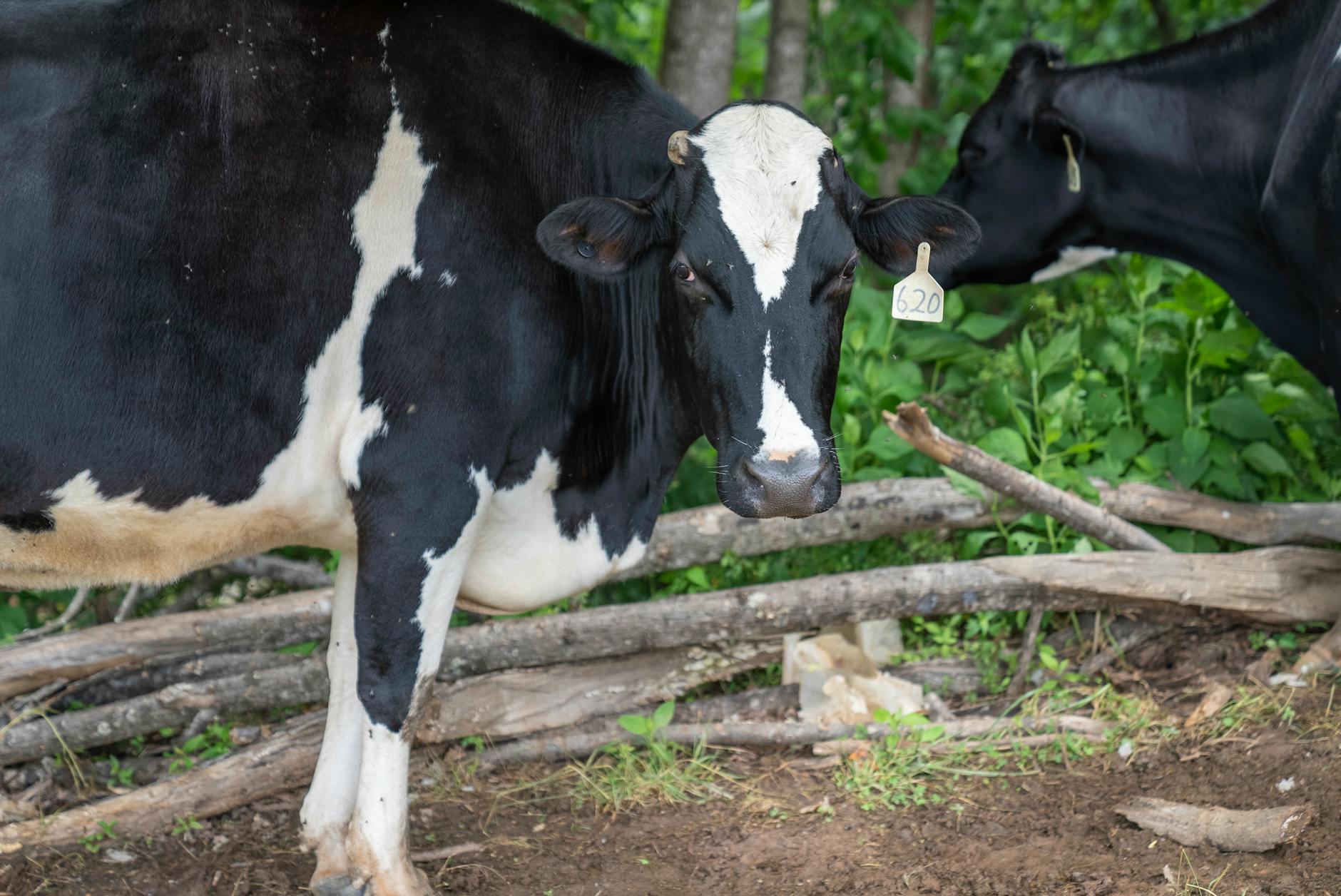
While no cat breed is known to maintain full lactose tolerance into adulthood, anecdotal reports suggest some variation exists. Certain individual cats within any breed seem to handle small dairy amounts better than others, likely due to genetic variation in the rate and completeness of lactase decline. A Siamese cat might tolerate a teaspoon of cream while a domestic shorthair of similar size experiences immediate distress””the difference is individual genetics rather than breed characteristics.
Research into feline lactose tolerance remains limited compared to the extensive studies conducted in humans, where geographic ancestry strongly predicts adult lactase persistence. In human populations with long histories of dairy farming, genetic mutations allowing continued lactase production are common. Cats, never having been selectively bred for dairy tolerance, show no parallel adaptation. The occasional cat that seems unbothered by milk represents normal genetic variation in enzyme production rather than evidence that dairy is acceptable feline nutrition.
The Future of Feline Nutrition and Dairy-Free Formulations
Pet food science continues advancing understanding of optimal feline nutrition, with increasing recognition that cats’ obligate carnivore status requires protein-focused diets. Modern premium cat foods emphasize high-quality animal proteins and minimize unnecessary carbohydrates, aligning more closely with what cats would consume in nature.
The dairy question fits within this broader movement toward species-appropriate feeding that respects cats’ evolutionary biology rather than imposing human food preferences on them. Some veterinary nutritionists predict growing availability of functional treats that offer health benefits beyond basic nutrition””probiotic-enhanced options, hydration-supporting formulations, and targeted supplements delivered in appealing forms. These developments may eventually provide cat owners with more sophisticated alternatives to the saucer of milk, satisfying the human desire to share food with pets while genuinely supporting feline health.
Conclusion
The evidence is clear: most adult cats are lactose intolerant, and the tradition of giving cats milk causes unnecessary digestive distress. While some individual cats tolerate small amounts of dairy without obvious symptoms, this doesn’t make milk appropriate feline nutrition””it simply means those cats fall below their personal symptom threshold. The fat content that attracts cats to dairy can be provided through species-appropriate means, including commercial cat milks with lactose removed or high-quality wet foods with adequate fat content.
Understanding your cat’s digestive limitations allows you to make informed choices about treats and supplemental feeding. Fresh water should remain your cat’s primary beverage, with occasional lactose-free alternatives if you want to provide variety. If you’ve been giving your cat milk and want to stop, no weaning period is necessary””simply discontinue and your cat’s digestive system will be better for it. For cats that have experienced dairy-related digestive upset, symptoms typically resolve within twenty-four to forty-eight hours with access to fresh water and their normal diet.