
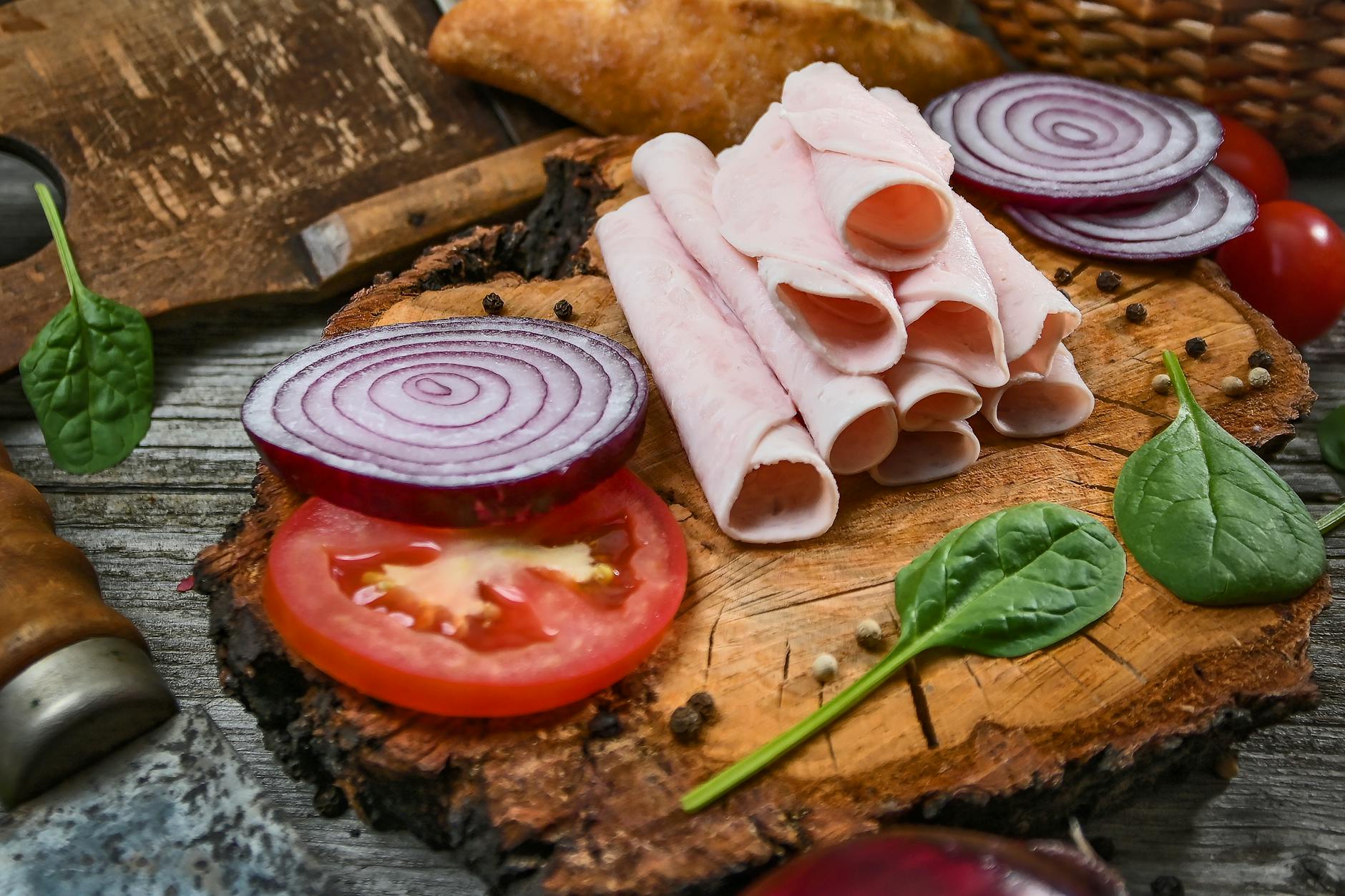
No, it is not safe for cats to eat ham. While a tiny taste of plain ham won’t cause immediate harm, ham contains high levels of sodium, preservatives like nitrates and nitrites, and saturated fat—all of which can be problematic for cats. A single slice of deli ham can contain as much as 300-500 mg of sodium, whereas cats require only about 40-50 mg of sodium per day, making even small portions potentially excessive for their bodies.
Cats are obligate carnivores with digestive systems optimized for whole animal proteins, not processed meats. When their owners share processed meats like ham, they’re introducing ingredients that don’t align with feline nutrition. For example, if you’ve noticed your cat begging at the dinner table when ham is served, the right response is to redirect them with an appropriate cat treat rather than comply with the request. The main concern isn’t acute toxicity—a cat won’t collapse from licking a piece of ham—but the cumulative effects of repeated exposure to high sodium and preservatives, which can stress the kidneys and cardiovascular system over time.
Table of Contents
- Why Ham Is Problematic for Your Cat’s Diet
- Hidden Health Risks of Processed Meats for Cats
- What About “Uncured” or “Low-Sodium” Ham?
- Safer Alternatives to Ham for Meat-Loving Cats
- Sodium Toxicity and Other Complications
- Special Considerations for Kittens and Senior Cats
- Building Better Treat Habits with Your Cat
- Conclusion
Why Ham Is Problematic for Your Cat’s Diet
Ham is fundamentally misaligned with how a cat’s body processes food. cats lack taste receptors for sweetness and have limited ability to break down carbohydrates, but they’re drawn to the savory, salty flavors in ham. The sodium content is the primary concern: processed ham can contain 800-1200 mg of sodium per 100 grams, which far exceeds a cat’s daily requirement.
Excessive sodium intake forces the kidneys to work harder to maintain electrolyte balance and can contribute to chronic kidney disease, which already affects up to 50% of senior cats. Beyond sodium, ham often contains phosphates and other additives used as preservatives and flavor enhancers. These compounds can interfere with calcium absorption and are particularly risky for cats with existing kidney issues. The nitrates and nitrites used to cure ham have also been studied for potential links to cancer in other species, though direct evidence in cats is limited—it’s still a reason to avoid unnecessary exposure.

Hidden Health Risks of Processed Meats for Cats
The fat content in ham represents another underestimated problem. Many ham varieties are 15-25% fat by weight, and while cats do need fat in their diet, they need it in balanced proportions within complete cat foods. The saturated fat in ham can contribute to obesity, especially in indoor cats with lower activity levels. A seemingly innocent snack of ham can represent 10-15% of a sedentary cat’s daily caloric needs.
Additionally, processed meats like ham often contain phosphorus at levels that are inappropriate for cats. While phosphorus is necessary for bone health, elevated levels are particularly dangerous for cats with chronic kidney disease or those predisposed to urinary issues. Some cats develop urinary blockages or crystals, and high phosphorus intake can exacerbate these conditions. The warning here is important: if your cat has any pre-existing kidney disease, urinary issues, or hypertension, ham should be completely off-limits—even more so than for a healthy cat.
What About “Uncured” or “Low-Sodium” Ham?
Some pet owners reason that uncured or low-sodium ham is a safer option, but this reasoning has significant limitations. Even low-sodium ham typically contains 300-400 mg of sodium per 100 grams, which is still substantially above what cats require. The labeling “low-sodium” is relative to standard ham, not to what’s appropriate for cats.
For comparison, a commercial cat treat formulated specifically for feline nutrition contains only 2-5 mg of sodium per treat. Uncured ham eliminates the synthetic nitrates and nitrites but retains the high fat and sodium content. It’s not a meaningful improvement from a nutritional safety perspective. If you want to give your cat a meat-based treat, plain cooked chicken breast with no added salt is vastly superior to any ham product.
Safer Alternatives to Ham for Meat-Loving Cats
If your cat enjoys the savory, protein-rich appeal of ham, several truly safe alternatives exist. Cooked chicken breast, turkey breast, or beef—all plain, unseasoned, and cooled—provide the protein cats crave without the sodium load. These meats should be offered only occasionally as treats, making up no more than 10% of daily calories. A cat expecting ham at dinner can be redirected to a small piece of plain cooked chicken instead, satisfying their desire for meat without the health risks.
Commercial freeze-dried meat treats are another option. These products contain minimal additives and sodium because they’re formulated specifically for cats. The tradeoff is cost—they’re pricier than ham—but the health benefit justifies the expense. For cats that seem to have a genuine meat obsession, boneless, skinless cooked chicken remains the gold standard, affordable, and genuinely nutritious.
Sodium Toxicity and Other Complications
While acute salt toxicity in cats is rare, chronic excessive sodium intake has well-documented complications. Elevated sodium drives thirst and increases urination, which can mask early signs of kidney disease. Some cats develop hypertension (high blood pressure) related to high sodium intake, which itself increases the risk of kidney damage and can affect the eyes.
The limitation to understand here is that kidney damage is often silent—by the time your cat shows symptoms like increased thirst or urination, significant harm may have already occurred. Additionally, ham’s high fat content and certain additives can trigger gastrointestinal upset in some cats, manifesting as vomiting or diarrhea. Cats with sensitive stomachs are particularly vulnerable to these effects. If your cat has consumed ham and shows any signs of digestive distress, reduced appetite, or increased thirst, contact your veterinarian, as these could indicate a reaction or a pre-existing sensitivity being triggered.
Special Considerations for Kittens and Senior Cats
Kittens have developing kidneys and immature digestive systems, making them particularly vulnerable to the effects of high sodium and processed ingredients. What might be minimally problematic for an adult cat could pose real risk to a kitten. Senior cats, conversely, often have declining kidney function, and any additional sodium burden can accelerate kidney disease progression.
If you have a kitten or senior cat at home, ham should be strictly off-limits. For cats over age 10, even a single piece of ham can represent a meaningful percentage of their reduced daily sodium allowance. Senior cats benefit from specialized diets formulated to support kidney health and overall longevity, and introducing processed meats undermines that nutritional strategy.
Building Better Treat Habits with Your Cat
The broader lesson in avoiding ham for cats is about rethinking how we offer treats and human connection. Many owners share ham or other table foods with cats as a bonding gesture, but this actually creates problems: it encourages begging, blurs the line between safe and unsafe foods, and accustoms cats to flavors and textures that aren’t nutritionally appropriate. Healthier bonding happens through interactive play, grooming, and appropriate treats.
As your cat ages and faces inevitable changes in health, a history of reasonable dietary restraint pays dividends. Cats that never acquired a taste for processed meats have fewer complications with specialized therapeutic diets if kidney disease or other conditions develop later. Think of dietary choices now as an investment in your cat’s health across their lifespan.
Conclusion
The straightforward answer to whether it’s safe for cats to eat ham is no. The sodium, preservatives, and fat content make ham unsuitable for feline nutrition, regardless of the ham variety. Even small amounts shouldn’t be routinely offered, and cats with any pre-existing health conditions should avoid it entirely.
While a single taste won’t cause acute poisoning, ham represents the kind of food choice that accumulates risk over time. If your cat is drawn to ham or other human foods, redirect them toward cat-specific treats and plain cooked proteins. Consult your veterinarian about appropriate treat options and safe quantities, especially if your cat has specific health concerns. Your cat’s long-term health depends on consistent, careful nutrition—and that means protecting them from foods that seem harmless but carry real risk.