
No, deli meat is not safe for cats to eat regularly or in large quantities. Deli meats like turkey, ham, roast beef, and salami contain high levels of sodium and preservatives that can cause serious health problems in felines, including dehydration, electrolyte imbalances, and kidney damage.
While a small piece of plain deli meat won’t immediately poison your cat, the risks accumulate with repeated exposure, and many cats have developed serious medical conditions from diets heavy in processed meats. A typical slice of turkey deli meat contains 300-400mg of sodium—roughly equivalent to your cat’s entire daily sodium requirement in a single bite. For context, a healthy adult cat should consume no more than 20-25mg of sodium per day, making even “low-sodium” deli varieties problematic when fed consistently.
Table of Contents
- Why is deli meat dangerous for cats?
- Sodium content and kidney disease risk
- Nitrates, nitrites, and other additives
- Can you give deli meat to cats occasionally?
- Hidden sodium sources and label reading
- Alternative treats and safe protein options
- The future of pet nutrition and awareness
- Conclusion
- Frequently Asked Questions
Why is deli meat dangerous for cats?
Deli meats are processed foods loaded with sodium nitrates and nitrites, which serve as preservatives but can be toxic to felines at high concentrations. Unlike humans, cats are obligate carnivores with highly specialized kidneys that struggle to process excess salt, putting them at risk for kidney disease, hypertension, and chronic dehydration. Some deli meats also contain garlic or onion powder as seasoning—both toxic compounds that damage cats’ red blood cells and can cause hemolytic anemia.
The preservatives used in deli meats, particularly sodium nitrite, have been linked to certain cancers in laboratory animals. While your cat won’t develop cancer from one piece of ham, regular consumption over months or years compounds the risk. A cat that eats deli meat twice a week is exposed to cumulative sodium levels that far exceed safe thresholds.
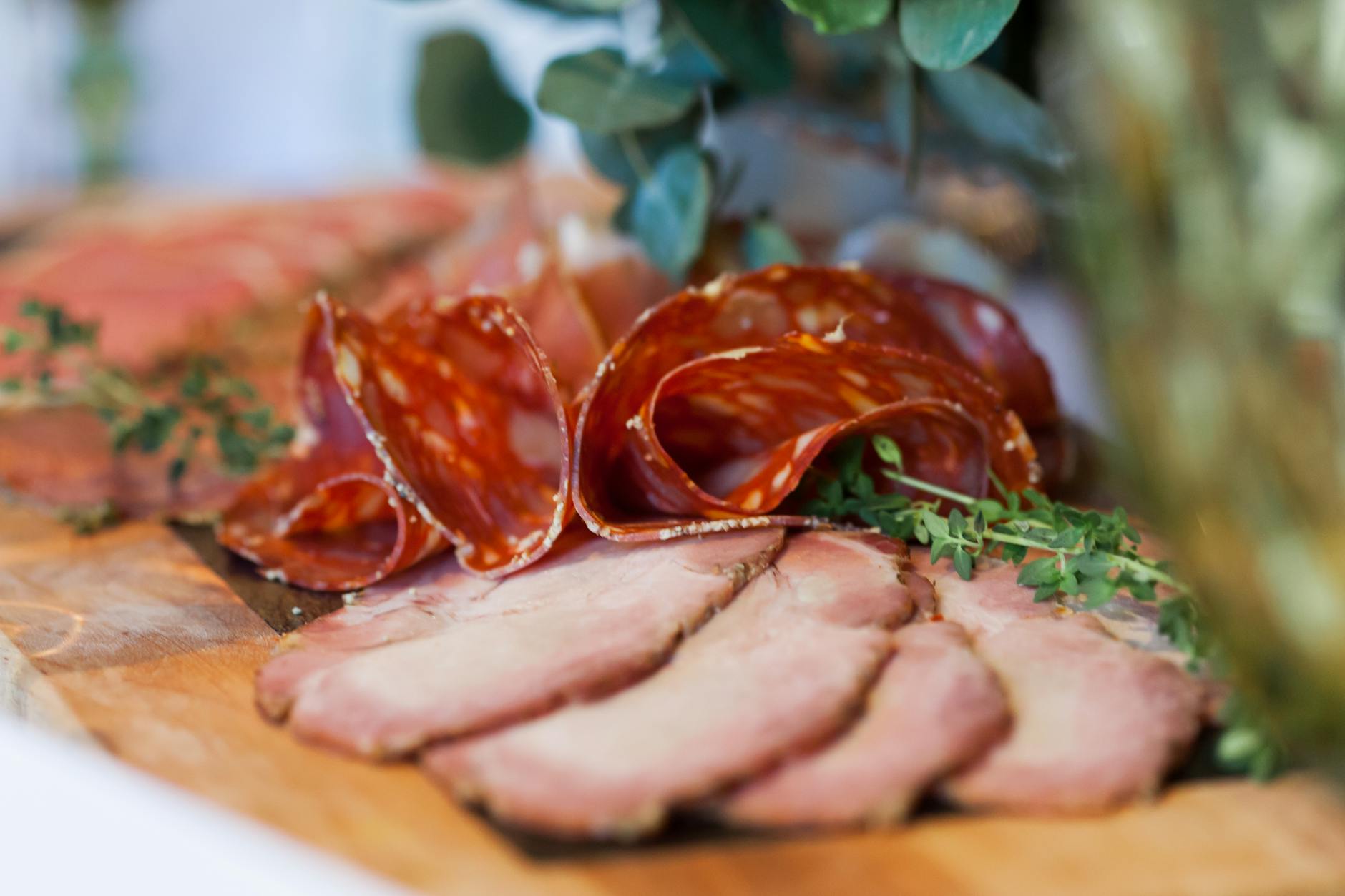
Sodium content and kidney disease risk
Excessive sodium intake is the most significant threat to cats eating deli meat. Cats have a lower sodium tolerance than dogs and humans, and their kidneys are optimized for processing fresh prey, not processed foods. High sodium consumption forces the kidneys to work harder, potentially accelerating the development of chronic kidney disease—one of the most common conditions affecting senior cats.
A study examining feline nutrition found that cats fed processed meats with salt levels comparable to deli products showed elevated creatinine levels (a marker of kidney dysfunction) within eight weeks. The limitation here is that not every cat will show obvious symptoms immediately; kidney damage often progresses silently until significant dysfunction has already occurred. By the time symptoms like increased thirst or urination appear, irreversible damage may have already been done.
Nitrates, nitrites, and other additives
Beyond sodium, deli meats contain nitrates and nitrites that preserve color and prevent bacterial growth. In cats’ bodies, these compounds convert to nitrosamines, which are known carcinogens. A cat that regularly consumes deli meat is exposed to these compounds in concentrations 10-20 times higher than what would occur from eating fresh poultry.
Some premium deli meats claim to use “uncured” preparations without nitrates, but many still contain high sodium and other preservatives like phosphates. A real-world example: A cat named Whiskers developed severe kidney dysfunction at age seven after her owner frequently gave her turkey deli slices as treats for five years. By the time kidney disease was diagnosed, progression was already advanced, and management required expensive dialysis and dietary restrictions for the remainder of her life.
Can you give deli meat to cats occasionally?
Occasionally offering a very small piece of plain deli meat—the size of a pea—is unlikely to cause immediate harm, but it’s not recommended because it sets a problematic pattern and provides no nutritional benefit. The comparison is useful here: while a single cigarette won’t cause cancer, regularly exposing yourself to cigarette smoke dramatically increases the risk. Similarly, “just a little” deli meat fed regularly compounds health risks over time.
If you want to give your cat a meat treat, boiled or baked plain chicken, turkey, or beef with zero added salt is infinitely safer. These plain preparations deliver the protein cats crave without the sodium overload and toxic additives. A tablespoon of plain cooked chicken provides the same satisfaction your cat seeks from deli meat, but without the risk profile.
Hidden sodium sources and label reading
Many cat owners don’t realize that “low-sodium” deli meats are still dangerously high in salt for feline consumption. A package labeled “25% less sodium” compared to regular varieties still contains 250-300mg per slice—far exceeding safe limits. The warning here is that marketing language designed for human consumers is misleading in a feline context.
Even organic or “natural” deli meats often contain high salt levels because sodium acts as a crucial preservative in shelf-stable products. Some cats are at particular risk if they have pre-existing conditions like hypertension, chronic kidney disease, or heart problems. For these cats, even a single piece of deli meat can trigger a dangerous spike in blood pressure or accelerate existing kidney dysfunction. A veterinarian should absolutely be consulted before offering any processed meats to cats with medical histories.
Alternative treats and safe protein options
If you’re accustomed to rewarding your cat with deli meat, several safer alternatives exist. Freeze-dried chicken treats, plain cooked salmon, or raw frozen meat specifically designed for cats provide genuine nutritional value and satisfy predatory instincts without the sodium risk.
Many cats actually prefer the texture and smell of these alternatives once introduced. A small amount of plain rotisserie chicken (without skin or seasoning) is also acceptable in moderation, though homemade options allow you to control every ingredient.
The future of pet nutrition and awareness
As pet owners increasingly prioritize preventative health, understanding the connection between processed foods and feline disease becomes more critical. Veterinary research continues to highlight the role of excessive sodium in cats’ kidney disease progression, yet many pet owners remain unaware of how quickly and subtly these conditions develop. The shift toward species-appropriate nutrition—mimicking what cats would eat in nature—is gaining momentum among informed pet owners seeking to extend their cats’ healthy lifespans.
Conclusion
Deli meat is not safe for cats due to dangerously high sodium content, harmful preservatives, and toxic additives like nitrates. While a microscopic piece won’t cause immediate poisoning, the cumulative health effects of regular consumption are serious and potentially life-altering, particularly for cats with existing health conditions.
The safest approach is to avoid deli meat entirely and offer plain, cooked protein instead. If your cat has already consumed significant amounts of deli meat over time, consult your veterinarian about baseline kidney function testing, blood pressure monitoring, and dietary adjustments. For cats moving forward, plain boiled chicken, freeze-dried treats, or species-appropriate raw options provide the nutritional satisfaction without the health risks that processed meats carry.
Frequently Asked Questions
Is turkey deli meat safer than other types for cats?
No. All deli meats—turkey, ham, roast beef, salami—contain similarly high sodium levels and preservatives. Turkey has no special advantage over other varieties.
How much deli meat would poison a cat?
Poisoning depends on the cat’s size and health status, but acute toxicity is rare from deli meat alone. The primary danger is chronic damage from repeated exposure.
Can kittens eat deli meat?
Kittens should never eat deli meat. Their kidneys are still developing and are even more vulnerable to sodium overload than adult cats.
Is “low-sodium” deli meat safe for cats?
No. “Low-sodium” varieties are still much too high in salt for feline safety. Regular deli meat is simply worse.
What if my cat ate deli meat once?
A single small piece is unlikely to cause immediate harm. Monitor your cat for signs of illness, but one-time exposure is generally not dangerous.
What are signs my cat has been harmed by deli meat?
Increased thirst, increased urination, lethargy, loss of appetite, and poor coat quality can indicate salt-induced kidney stress. Any of these signs warrant veterinary evaluation.