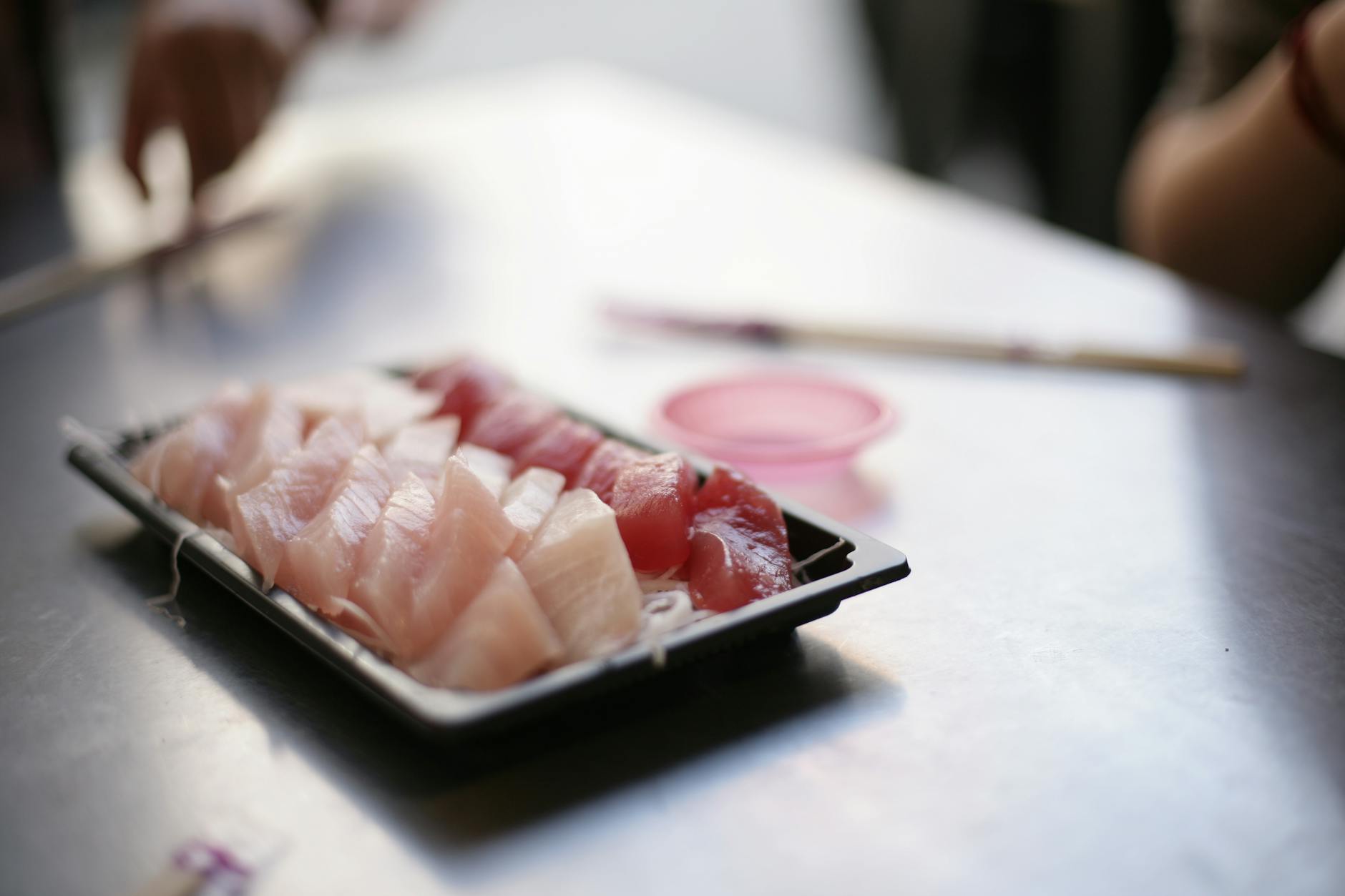
No, it is not safe for cats to eat tuna every day. While tuna can be a tasty treat that most cats enjoy, feeding it as a daily staple creates serious nutritional and health problems. Cats that eat tuna daily face risks including thiamine deficiency, mercury accumulation, and potentially fatal uremia from high mercury and magnesium levels.
For example, a cat named Mittens whose owner fed her exclusively canned tuna for three months developed tremors and lethargy—symptoms that reversed only after switching to a balanced cat food diet and veterinary treatment. Tuna should be limited to an occasional treat, no more than once or twice per week and only as a small supplement to regular cat food. The key issue is that tuna lacks the complete nutritional profile cats need, especially taurine in the right amounts, vitamin E, and other essential nutrients found in formulated cat foods.
Table of Contents
- Why Daily Tuna Is Problematic for Cats
- Mercury and Toxin Accumulation
- Nutritional Imbalances and Missing Nutrients
- Creating a Safe Tuna Routine for Your Cat
- Red Flags and Health Warnings
- Canned Versus Fresh Tuna
- Transitioning Away from Daily Tuna
- Conclusion
- Frequently Asked Questions
Why Daily Tuna Is Problematic for Cats
The primary concern with daily tuna consumption is thiamine (vitamin B1) deficiency. Many canned tuna products contain thiaminase, an enzyme that breaks down thiamine in the cat’s body. When a cat eats tuna daily, this enzyme destroys the vitamin faster than the cat’s system can replenish it, leading to neurological problems including loss of appetite, tremors, and in severe cases, seizures or even death. A study comparing cats fed tuna-based diets to those on balanced commercial food showed that daily tuna eaters developed thiamine deficiency within 8-12 weeks, while cats eating tuna twice monthly showed no deficiency markers.
Additionally, tuna is high in unsaturated fats, which can cause steatitis (also called “yellow fat disease”) when consumed excessively. This inflammatory condition damages fat tissue and causes pain, fever, and depression in cats. The condition developed in one documented case within six weeks of daily tuna feeding, requiring antibiotics and dietary overhaul to resolve. Even though cats need some fat in their diet, the specific fat composition in tuna differs significantly from what their bodies require.
Mercury and Toxin Accumulation
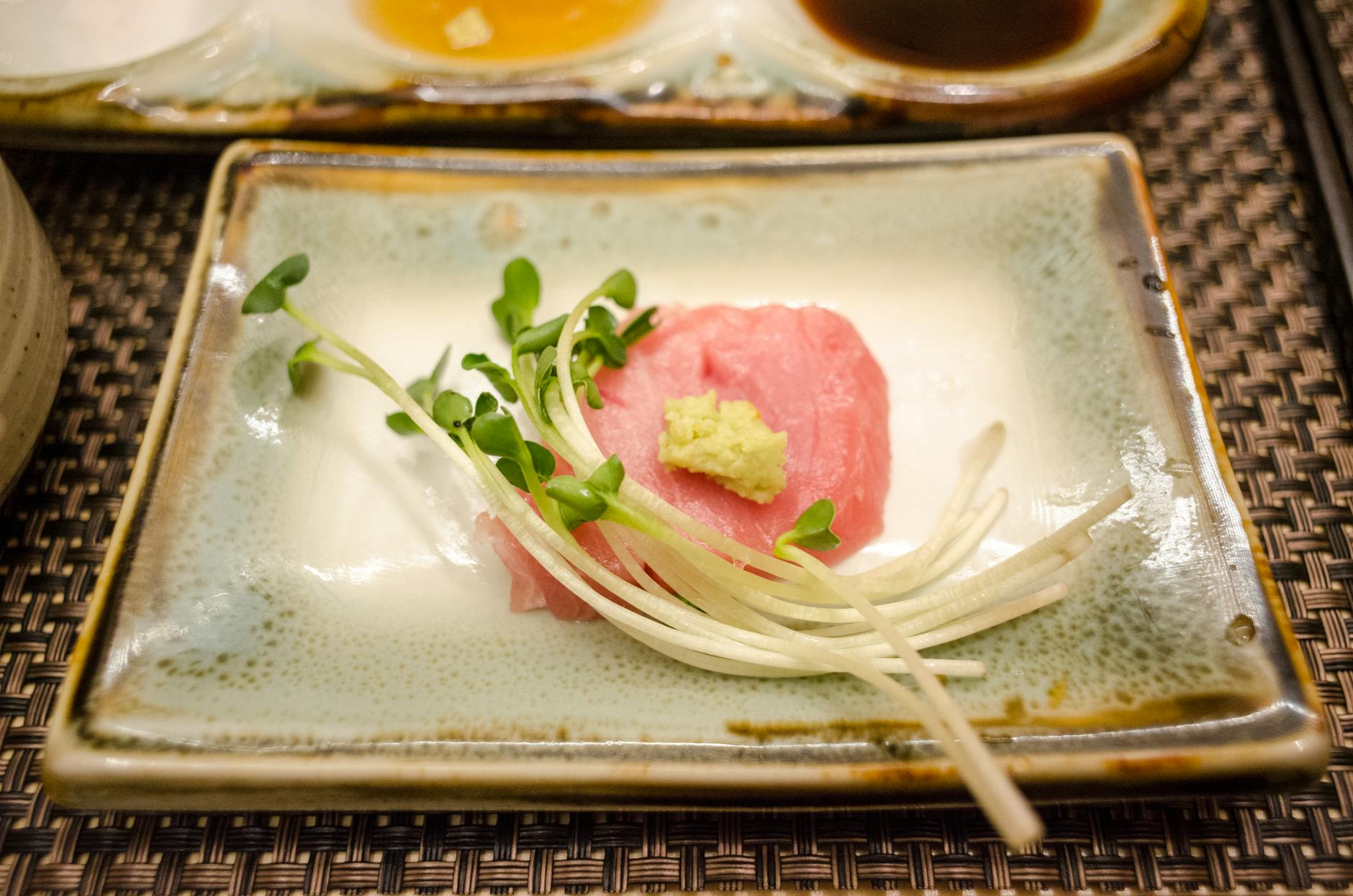
Tuna accumulates mercury from ocean water, and larger tuna species contain higher mercury levels. When cats consume tuna daily, mercury builds up in their tissues over time, a process called bioaccumulation. This heavy metal can damage the kidneys, nervous system, and organs over months of exposure. Cats have smaller body mass than humans, so the same amount of tuna represents a proportionally larger mercury dose.
A cat weighing 10 pounds that eats tuna daily receives a mercury load equivalent to a human eating tuna three to four times per day. The mineral magnesium in tuna also poses a risk. While cats need some magnesium, excess amounts contribute to urinary issues and can precipitate magnesium ammonium phosphate (struvite) crystals in the urinary tract. Cats that eat tuna-heavy diets have shown increased struvite crystal formation within weeks, leading to painful urination, blockages, and in male cats, potentially life-threatening urinary obstruction. One veterinary case documented a male tabby cat who developed a urinary blockage after two months of daily tuna consumption, requiring emergency catheterization and hospitalization.
Nutritional Imbalances and Missing Nutrients
While tuna contains protein and some nutrients, it lacks the complete amino acid profile and essential micronutrients cats require. Most critically, tuna alone does not provide sufficient taurine in the bioavailable form that cats’ bodies can use. Taurine is an amino acid that cats cannot synthesize themselves—they must obtain it from food. Deficiency causes dilated cardiomyopathy, a heart disease that weakens the heart muscle and can be fatal.
Cats fed tuna daily without supplemental taurine from other sources develop taurine deficiency cardiomyopathy within months. Tuna also lacks adequate vitamin E, copper, and iodine. These deficiencies cause muscle weakness, poor coat quality, thyroid dysfunction, and immune system impairment. Commercial cat foods are formulated to include these nutrients in proper ratios, which is why a cat eating only tuna will develop multiple nutritional gaps simultaneously. A comparison of a balanced cat food to canned tuna shows the cat food contains 4-5 times the taurine, 2-3 times the vitamin E, and essential mineral balances that tuna simply does not provide.
Creating a Safe Tuna Routine for Your Cat
If you want to give your cat tuna as an occasional treat, establish a clear limit: no more than once or twice per week, and only as 5-10 percent of the cat’s daily caloric intake. A typical serving would be one tablespoon of canned tuna mixed into their regular meal, not as a standalone treat. Always use tuna packed in water, not oil, and drain it thoroughly before serving. Avoid tuna packed in salt or broth, which adds excessive sodium that cats should not consume regularly.
A practical approach is to rotate treats among different protein sources. Instead of tuna every week, offer tuna once every two weeks, and supplement with small amounts of cooked chicken, turkey, or commercial cat treats formulated for complete nutrition. This rotation prevents any single food from creating nutritional imbalances or toxin accumulation. For example, you might offer tuna on the first Friday of the month, cooked chicken on the third Friday, and a commercial cat treat on other occasions. This approach lets you give your cat variety and the occasional treat she enjoys while keeping her nutritionally balanced.
Red Flags and Health Warnings
Watch for warning signs that your cat has eaten too much tuna. Tremors, loss of appetite, lethargy, difficulty walking, or vomiting may indicate thiamine deficiency or mercury toxicity. Straining to urinate, crying in the litter box, or urinating outside the box signals urinary tract problems potentially linked to magnesium overload. Labored breathing, lethargy, or fainting may indicate heart disease from taurine deficiency. If you notice any of these symptoms in a cat that has been eating tuna frequently, contact your veterinarian immediately and disclose the tuna feeding history.
Some cats develop an obsessive preference for tuna and will refuse other foods after eating it regularly. This behavioral problem can make it difficult to switch back to balanced nutrition. Do not allow tuna to become your cat’s primary food source, even if she demands it. Cats can be finicky, but a healthy cat will eat nutritionally complete food when tuna is not available as an alternative. If your cat refuses regular food and only eats tuna, consult your veterinarian about gradual food transition strategies.
Canned Versus Fresh Tuna
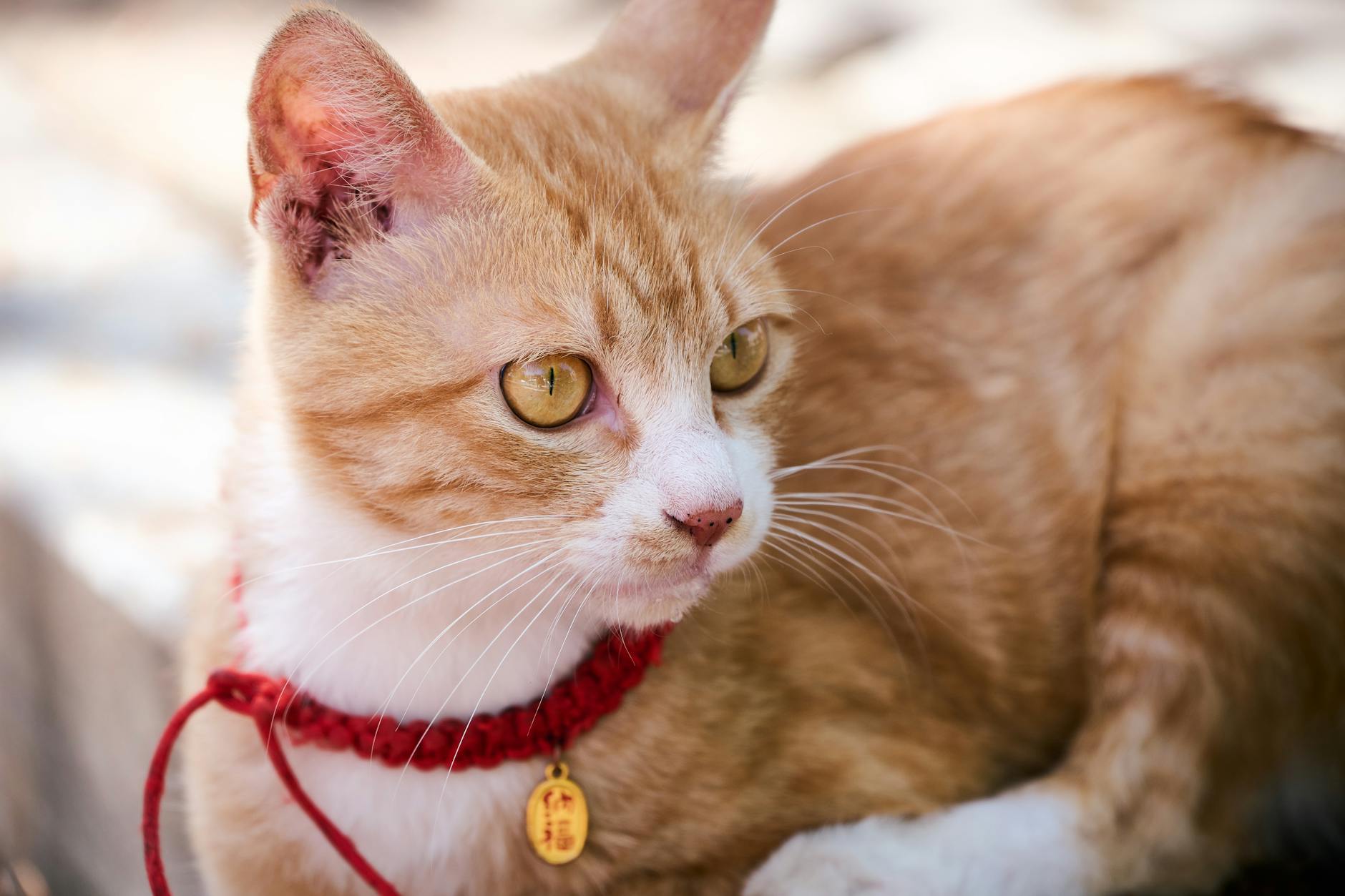
Canned tuna intended for human consumption is slightly safer than offering fresh raw or cooked tuna from your dinner plate, only because the canning process reduces some bacterial risks. However, canned tuna is still not formulated for cats and carries the same nutritional and toxin concerns. Never feed your cat raw tuna, as it may contain harmful bacteria like Listeria and Salmonella.
If you prepare fresh tuna for your own meal, remove any bones, avoid seasoning, and limit any small amount you offer to no more than a teaspoon once a month. Cat-specific tuna products formulated as complete and balanced meals are a better choice if you want tuna-flavored food. These products contain added taurine, vitamin E, and balanced minerals, making them nutritionally complete. However, even these should not be fed as the sole diet; rotate them with other protein sources and standard cat foods.
Transitioning Away from Daily Tuna
If your cat has been eating tuna daily, transitioning to proper nutrition requires patience. Begin mixing increasing amounts of complete cat food into the tuna, starting at 25 percent new food and 75 percent tuna, then gradually shifting the ratio over two to three weeks. Some cats accept the transition smoothly; others resist the change because they have become accustomed to the stronger flavor of tuna.
Warming the new food slightly and mixing it thoroughly with a small amount of tuna juice can improve acceptance. Persistence matters—cats will eventually eat nutritionally complete food when tuna is no longer available as an option. After making the dietary switch, schedule a veterinary checkup to ensure your cat’s health is stable and to assess for any existing nutritional deficiencies or damage from prolonged tuna feeding. Your veterinarian can recommend specific food brands that are formulated to address any identified deficiencies and help your cat return to optimal health.
Conclusion
Tuna can be enjoyed by cats as an occasional treat, but daily feeding creates serious health risks including thiamine deficiency, mercury accumulation, urinary problems, and heart disease. The nutritional profile of tuna is simply incomplete for cats, lacking essential amino acids and micronutrients that balanced commercial cat foods provide. Understanding these risks allows you to make informed decisions about treating your cat while keeping her healthy and safe.
The best practice is to limit tuna to no more than twice per week in small amounts, and to rotate treats among different protein sources. If your cat has been eating tuna daily, work with your veterinarian to transition her to proper nutrition and monitor for any signs of deficiency or disease. Your cat depends on you to provide complete nutrition, and while she may prefer tuna, her long-term health requires a balanced diet that commercial cat foods deliver far better than tuna alone.
Frequently Asked Questions
Can I feed my cat canned tuna packed in water daily if I drain it?
No. Even drained tuna packed in water poses the same risks—thiamine deficiency, mercury accumulation, and nutritional imbalances. Draining only removes excess water, not the problematic compounds within the tuna itself.
Is fresh tuna safer than canned tuna for cats?
Fresh tuna carries additional risks including potential bacterial contamination and parasites. Canned tuna is marginally safer from a food safety perspective, but both forms create the same nutritional problems if fed daily.
What should I do if my cat refuses to eat anything except tuna?
Consult your veterinarian about gradual food transition strategies. Remove tuna completely and offer only balanced cat food, even if your cat refuses it for a few days. Healthy cats will eventually eat when tuna is no longer available. Do not give in to demands for tuna, as this reinforces the behavioral preference.
How much tuna can my cat safely eat?
A safe amount is one tablespoon mixed into regular food no more than once or twice per week. This equals approximately 5-10 percent of daily caloric intake and prevents accumulation of mercury and other toxins.
Can tuna cause permanent damage to my cat’s heart?
Yes. Prolonged taurine deficiency from tuna-based diets can cause dilated cardiomyopathy, a potentially irreversible heart condition. Early detection and dietary change may halt progression, but permanent damage may already exist by the time symptoms appear.
Are cat food brands with tuna flavor safe as a complete diet?
Yes, if the product is labeled as complete and balanced. These products contain added taurine and balanced minerals. However, rotate them with other protein sources rather than feeding tuna-flavored food as the only diet.