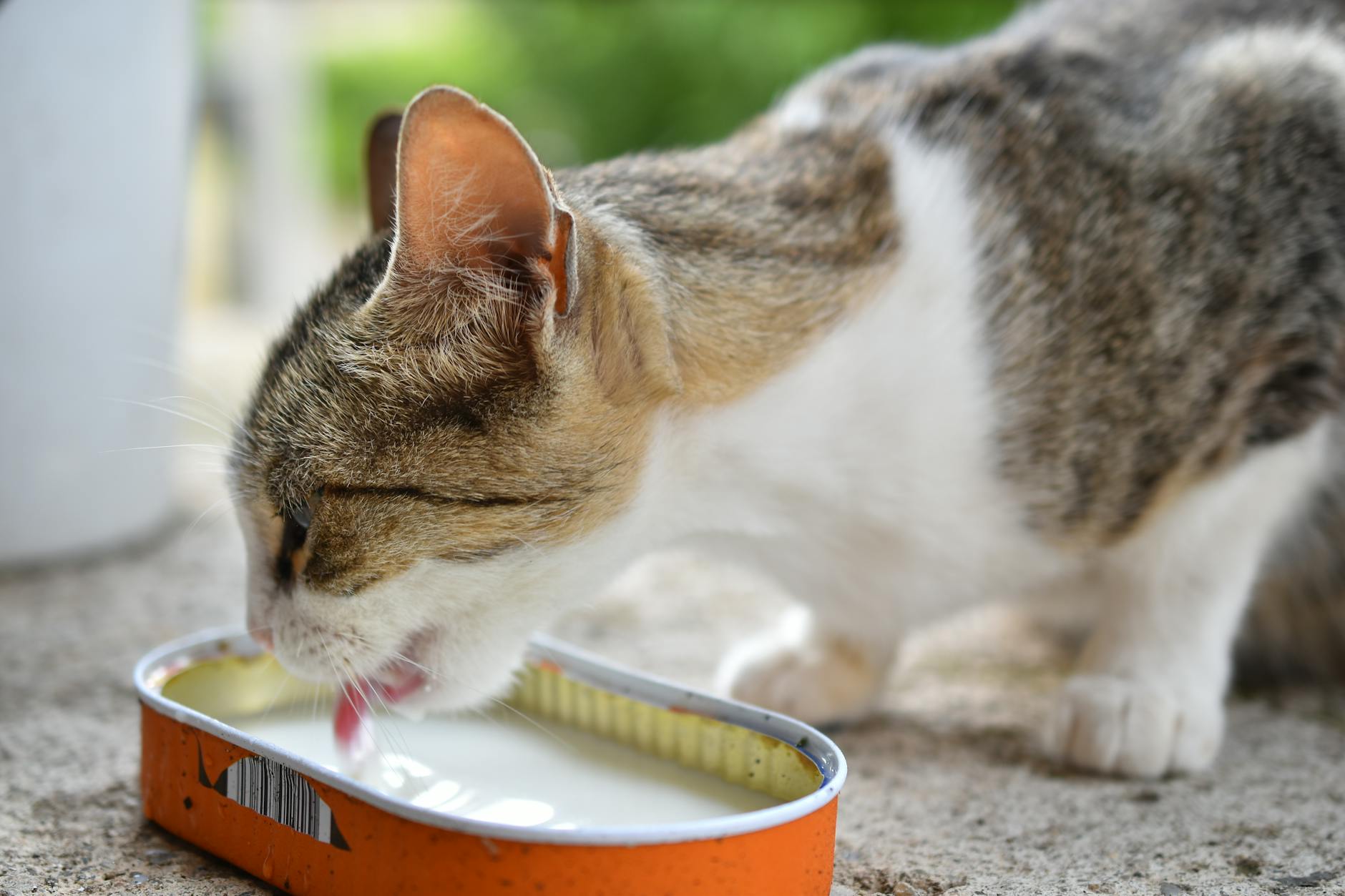
Canned tuna can be safe for cats in small amounts as an occasional treat, but it should never be a dietary staple. The key concern is that canned tuna intended for human consumption often contains excessive sodium and may lack the proper nutritional balance cats need. A cat eating a tablespoon of plain canned tuna (in water, without added salt) once or twice a month won’t suffer immediate harm, but regular consumption can lead to serious health problems over time.
The safest approach is to offer canned tuna only as an infrequent treat and to avoid making it part of your cat’s regular feeding routine. The main reason canned tuna raises health concerns is twofold: many commercial varieties are high in sodium, which can contribute to hypertension and kidney disease in cats, and tuna—whether fresh or canned—contains high levels of polyunsaturated fats that can deplete vitamin E in your cat’s body. Additionally, some cats can develop a strong preference for tuna that leads owners to offer it too frequently, creating nutritional imbalances. Cats fed primarily tuna or tuna-containing foods may develop thiamine (vitamin B1) deficiency, which can cause serious neurological issues.
Table of Contents
- What Makes Canned Tuna Potentially Unsafe for Cats?
- Nutritional Imbalances and Long-Term Risks
- Canned Tuna in Water Versus Oil—Which Is Safer?
- How Often Can Cats Safely Eat Canned Tuna?
- The “Tuna Addiction” Problem
- Safe Alternatives to Canned Tuna
- When to Consult Your Veterinarian
- Conclusion
What Makes Canned Tuna Potentially Unsafe for Cats?
Canned tuna meant for human consumption contains sodium levels that far exceed what’s appropriate for cats. A single can of standard canned tuna may contain 300-400mg of sodium, while cats require only about 200mg of sodium per day. Just one can divided across multiple servings could exceed a cat’s daily sodium intake, putting stress on their kidneys and cardiovascular system. Over months or years, this excessive sodium consumption can accelerate the development of chronic kidney disease (CKD), one of the most common health problems in older cats.
Beyond sodium concerns, canned tuna contains thiaminase, an enzyme that breaks down thiamine (vitamin B1), an essential nutrient for cats. Cats cannot synthesize thiamine on their own and depend entirely on their diet to obtain it. When cats consume large amounts of tuna, the thiaminase enzyme can deplete their thiamine stores, potentially leading to a condition called thiamine deficiency. Affected cats may develop neurological symptoms including loss of appetite, weakness, seizures, and in severe cases, death. A healthy cat eating tuna occasionally won’t develop this deficiency, but those fed tuna as a significant portion of their diet are at serious risk.

Nutritional Imbalances and Long-Term Risks
While tuna is high in protein and omega-3 fatty acids, it lacks several nutrients essential for feline health, including adequate taurine levels comparable to whole prey diets and proper calcium-to-phosphorus ratios. Canned tuna is particularly problematic because it’s often packaged in a way that removes or depletes many water-soluble nutrients. A cat eating canned tuna as more than 5-10% of daily calories will miss critical nutrients like arachidonic acid, certain amino acids, and proper mineral balance that complete commercial cat foods provide.
The polyunsaturated fat content in tuna is another significant concern. While omega-3 fatty acids have some benefits, excessive polyunsaturated fats can lead to vitamin E depletion and a condition called steatitis, or “yellow fat disease,” where inflammation occurs in fatty tissues. This is particularly dangerous because vitamin E is fat-soluble and cannot be easily replenished through diet once depleted at this level. Cats with steatitis experience pain, reduced mobility, and in severe cases, organ damage.
Canned Tuna in Water Versus Oil—Which Is Safer?
Canned tuna packed in water is preferable to varieties packed in oil, but both present similar sodium problems. When selecting canned tuna, choose varieties with “no added salt” or “low sodium” labels if you must offer it to your cat. Even then, rinse the tuna under fresh water for 30 seconds to remove additional surface sodium before serving.
Plain canned tuna in water, rinsed and offered in tiny portions—about one teaspoon for an average adult cat—is less problematic than oil-packed varieties or those with added seasonings. Never offer your cat canned tuna intended for human consumption that contains added ingredients like garlic, onion, or spices, as these are toxic to cats. Some brands include these seasonings for human palatability, making them dangerous for feline consumption. If you want to offer tuna, buy the most basic, plain version available with no added ingredients whatsoever.
How Often Can Cats Safely Eat Canned Tuna?
The safest frequency is no more than once or twice per month in very small amounts—roughly one teaspoon per serving. Think of canned tuna as you would human junk food: technically edible, but not something you’d want to consume daily. For most cats, once-monthly offerings pose minimal health risk, while weekly consumption begins to create nutritional imbalances and sodium accumulation. Some veterinarians recommend limiting tuna to special occasions only, treating it similarly to how you might give your cat a rare treat of cooked chicken breast.
If your cat has existing health conditions—particularly kidney disease, heart disease, or hypertension—tuna should be eliminated entirely from their diet. These cats’ bodies cannot tolerate the additional sodium burden that canned tuna presents. Older cats, typically those over age 10, are also at higher risk for kidney and heart problems and should generally avoid tuna altogether. Instead, offer safer occasional treats like cooked chicken or turkey with no added salt.
The “Tuna Addiction” Problem
Many cats develop a strong preference for tuna, and owners often unknowingly reinforce this by offering it regularly. Once a cat becomes habituated to tuna, they may refuse their complete and balanced commercial diet in favor of tuna, leading to dangerous nutritional deficiencies. This behavioral issue is difficult to reverse; a cat who has eaten tuna frequently may become a “tuna junkie” who rejects other foods.
Over time, this pickiness combined with nutritional inadequacy creates a downward spiral of health problems. Additionally, some cats that eat tuna too frequently can develop mercury poisoning, though this is less common in household cats compared to humans with high tuna consumption. Canned tuna is typically lower in mercury than fresh or frozen tuna steaks, but even low levels can accumulate in a cat’s body over months or years of regular consumption. The risk increases if a cat is eating tuna multiple times weekly for extended periods.
Safe Alternatives to Canned Tuna
If you want to offer your cat occasional seafood treats, opt for cat-specific treats designed with feline nutritional needs in mind, or cooked plain salmon or white fish in tiny portions. Commercial cat treats made with fish are formulated with appropriate sodium levels and include necessary nutritional supplements. Alternatively, many cats enjoy boneless, skinless cooked chicken breast offered in small pieces as an occasional treat—this provides protein without the sodium and thiaminase concerns of tuna.
Some cat owners use specially formulated “cat tuna” products designed for feline consumption rather than human-grade canned tuna. These products are lower in sodium and may have added taurine and other nutrients cats need. If your cat loves the taste of tuna, these specialized products are a much safer alternative to repeatedly offering human-grade canned tuna.
When to Consult Your Veterinarian
If your cat has been eating canned tuna regularly and you’re concerned about accumulated health effects, schedule a veterinary checkup. Your vet can perform blood work to assess kidney function, electrolyte balance, and thiamine levels. Early detection of problems allows for dietary intervention before serious damage occurs.
Additionally, if your cat shows signs of thiamine deficiency—such as loss of appetite, weakness, stumbling, or behavioral changes—seek immediate veterinary attention. Moving forward, establishing clear boundaries around treat offerings helps prevent the tuna problem from developing. Most healthy adult cats can safely enjoy a small amount of properly prepared tuna once or twice yearly without health consequences, but daily or weekly consumption is where the danger lies. Your cat’s long-term health depends on consistent, complete nutrition rather than occasional high-sodium treats.
Conclusion
Canned tuna is safe for cats only in very small amounts and only occasionally. The combination of high sodium content, thiaminase enzyme, and the risk of nutritional imbalance makes it unsuitable as a regular part of your cat’s diet. While a cat that eats a teaspoon of plain, rinsed canned tuna once or twice per month is unlikely to develop serious problems, more frequent consumption can lead to kidney disease, vitamin deficiency, and nutritional inadequacy.
The best practice is to treat canned tuna as a rare, special treat rather than a staple or frequent offering. Your cat’s dietary foundation should always be a complete and balanced commercial cat food formulated by nutritionists to meet feline needs. If you want to offer occasional treats, safer options like cooked chicken, specialized cat treats, or cat-formulated fish products provide enrichment without the health risks associated with human-grade canned tuna. When in doubt, ask your veterinarian about appropriate treats for your individual cat’s age and health status.