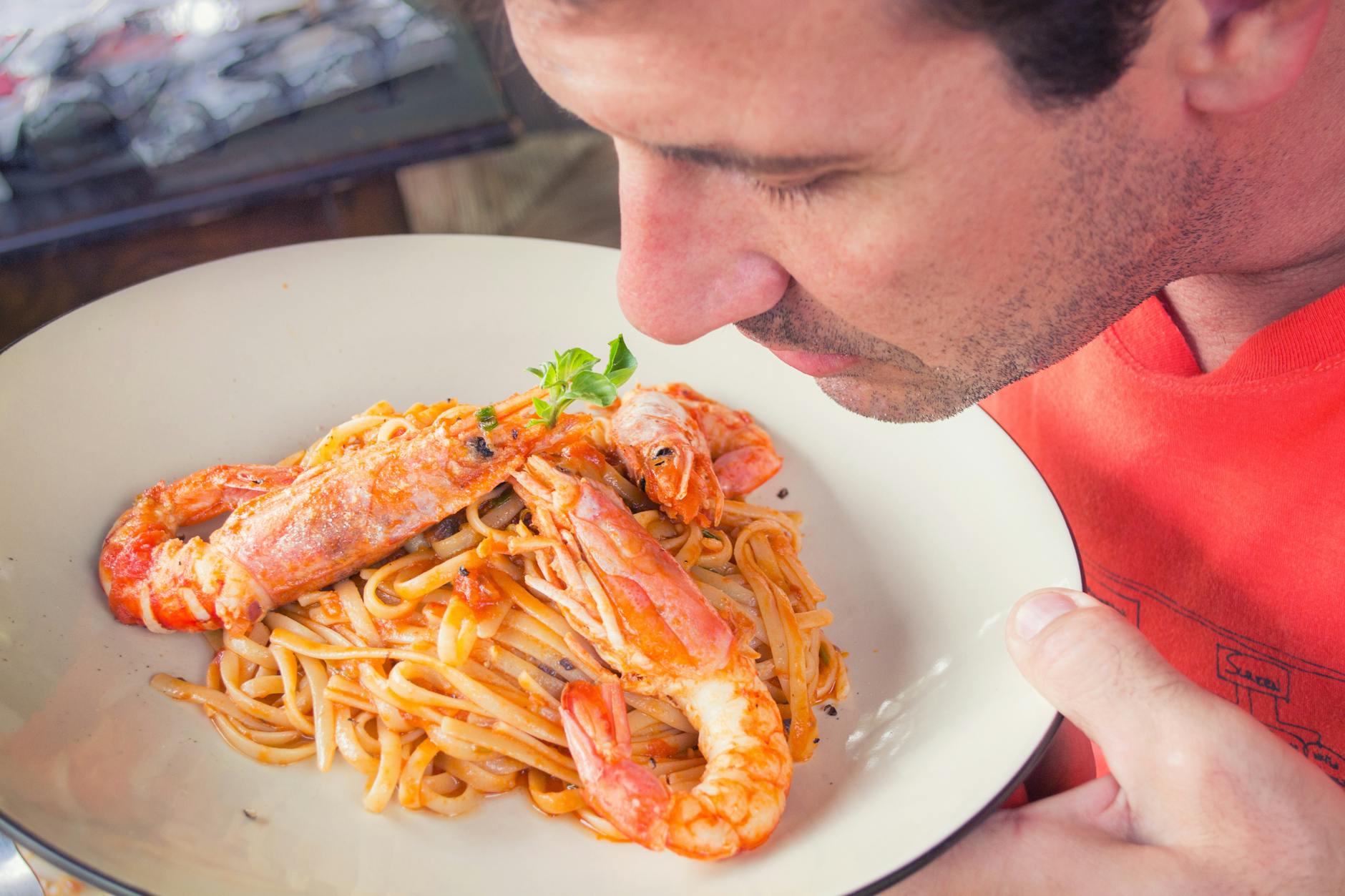
Yes, cats can safely eat shrimp in moderation, but it’s not essential to their diet and requires careful preparation. Shrimp is a lean protein source that many cats find appealing due to its strong smell and texture, and it poses no inherent toxicity risk when served plain and cooked. However, simply because something is safe doesn’t mean it should be a regular part of your cat’s diet, as shrimp lacks the complete nutritional profile that commercial cat foods provide and can introduce other concerns if not handled properly.
The safety of shrimp for cats depends largely on how it’s prepared and served. A cat eating a small piece of plain, cooked shrimp as an occasional treat is unlikely to experience problems, while a cat regularly consuming raw, seasoned, or oversized portions may develop digestive issues or nutritional imbalances. If you decide to offer shrimp to your cat, understanding the proper serving method and frequency is essential for keeping your pet healthy.
Table of Contents
- Can Cats Digest Shrimp as a Protein Source?
- Preparation Methods and Safety Concerns
- Nutritional Benefits and Limitations
- Portion Control and Safe Serving Guidelines
- Allergies and Individual Sensitivities
- Shrimp Shells and Choking Hazards
- Alternatives and Strategic Treat Selection
- Conclusion
- Frequently Asked Questions
Can Cats Digest Shrimp as a Protein Source?
cats are obligate carnivores, meaning their bodies are designed to derive nutrition primarily from animal proteins. Shrimp is indeed a source of animal protein and contains amino acids like taurine, which cats require for heart and eye health. In this regard, shrimp aligns with a cat’s natural dietary inclinations better than many plant-based foods. A small amount of cooked shrimp can contribute to a cat’s daily protein intake without causing harm. However, shrimp should not be considered a meal replacement or primary protein source for cats.
While it contains protein, it doesn’t provide the full spectrum of nutrients that specialized cat foods deliver, including necessary vitamins, minerals, and other amino acids in proper proportions. A cat that subsists primarily on shrimp would develop nutritional deficiencies over time, even though the protein itself is digestible. This is why shrimp works best as an occasional treat rather than a dietary staple. Most cats have no trouble digesting small amounts of cooked shrimp, though individual digestive sensitivities vary. Some cats experience mild gas or loose stools after eating shrimp, particularly if they’re not accustomed to seafood or if they consume too much at once. If you introduce shrimp to your cat’s diet, start with a small piece and monitor for any digestive changes over the next 24 hours.
Preparation Methods and Safety Concerns
How you prepare shrimp matters significantly for your cat’s safety. Cooked, plain shrimp with the shell removed is the safest option. The shell can pose a choking hazard or cause digestive blockage, especially in smaller cats or kittens, and should always be removed before offering shrimp to your pet. Boiling or steaming shrimp without any seasoning is ideal, as these cooking methods don’t introduce additional fats or chemicals that could upset your cat’s stomach. Never offer your cat seasoned, fried, or buttered shrimp, as these preparations introduce ingredients that cats shouldn’t consume. Garlic and onion, common seasonings in shrimp dishes, are toxic to cats and can damage their red blood cells if ingested in significant quantities.
Similarly, excess salt and cooking oils used in human-style shrimp preparation can contribute to dehydration and digestive upset in cats. The more “human-friendly” the shrimp preparation, the less suitable it is for feline consumption. Raw shrimp carries additional risks that many cat owners overlook. Raw shrimp may contain harmful bacteria like Salmonella or Listeria, which can affect both your cat and your household if contamination spreads. Additionally, raw shrimp contains an enzyme called thiaminase that breaks down thiamine (vitamin B1), and while a small amount of raw shrimp won’t cause deficiency, regular consumption could potentially lead to neurological problems. For these reasons, cooking shrimp thoroughly before offering it to your cat is always the safer choice.
Nutritional Benefits and Limitations
Shrimp does provide some genuine nutritional value to cats, though it’s not a nutritional powerhouse. It contains selenium, a mineral important for thyroid function and antioxidant protection, as well as vitamin B12, which supports nerve function and energy metabolism. The taurine content in shrimp is particularly relevant since taurine deficiency in cats can lead to serious heart conditions like dilated cardiomyopathy. For a cat that occasionally eats shrimp, these nutrients add a small positive boost to overall health. The limitations of shrimp as a nutritional source are important to understand.
Shrimp is relatively low in fat, which some cats need for proper coat and skin health, and it lacks many of the micronutrients present in complete cat foods, such as adequate amounts of vitamin A, vitamin D, and calcium. A cat eating primarily shrimp would face serious nutritional deficiencies despite meeting basic protein needs. The nutritional benefit of shrimp is most accurately viewed as a minor supplement to a complete diet rather than a meaningful nutritional contribution. Consider shrimp similar to how you might view a supplement or treat in your own diet—occasional consumption provides minor benefits but doesn’t replace the nutritional foundation of a complete meal. If your cat has specific dietary needs due to age, health status, or previous illness, adding shrimp without consulting your veterinarian could create nutritional imbalances.

Portion Control and Safe Serving Guidelines
The appropriate serving size for cats is small. A piece of shrimp no larger than the size of a pea to a small marble is a reasonable treat for most adult cats, and it should be offered no more than once or twice per week. For kittens, senior cats, or cats with sensitive digestive systems, shrimp should be offered even less frequently, if at all. Offering your cat an entire shrimp or large portions will likely cause digestive upset and defeats the purpose of using shrimp as an occasional, special treat.
The tradeoff with offering shrimp is that it takes up space in your cat’s daily caloric intake. An adult cat typically needs around 200 to 250 calories per day, depending on size and activity level. A small piece of shrimp contains only a few calories, so it fits within most cats’ daily allowance without causing weight gain, but larger portions can quickly add up. If you’re using shrimp as a treat, you might reduce your cat’s regular meal portion slightly to maintain a healthy weight, or choose shrimp as an alternative to other treats rather than an addition to the existing treat routine.
Allergies and Individual Sensitivities
Although shrimp allergies in cats are not common, they do occur in some individuals. Signs of an allergic reaction to shrimp include vomiting, diarrhea, itching, skin redness, or in severe cases, swelling of the face or difficulty breathing. These symptoms may appear within a few hours or even up to 24 hours after eating shrimp. If your cat shows any of these signs after consuming shrimp, discontinue offering it and contact your veterinarian, particularly if symptoms are severe or persist. Some cats develop sensitivities to shellfish even if they don’t have a true allergic reaction.
These cats might experience chronic digestive issues, loose stools, or mild vomiting that appears connected to shrimp consumption. If your cat has a history of gastrointestinal problems or food sensitivities, introducing shrimp should be done cautiously and only with veterinary approval. A warning sign that your cat has a sensitivity is if digestive upset occurs consistently each time shrimp is offered. Cats with pre-existing kidney disease should not be given shrimp regularly, as shellfish can be high in certain minerals and phosphorus levels that stress compromised kidneys. Similarly, cats with heart disease, hyperthyroidism, or other chronic conditions should have shrimp only with explicit veterinary guidance, as the iodine content in shellfish can affect thyroid function and other medications or conditions may have specific dietary restrictions.
Shrimp Shells and Choking Hazards
Shrimp shells represent a significant hazard that deserves specific attention. The shell is hard and doesn’t break down well in a cat’s digestive system, creating a potential choking hazard, particularly if your cat swallows large pieces without chewing. Even if a shell passes through the esophagus without choking, it can cause a blockage in the intestines, which is a surgical emergency requiring veterinary intervention.
Always remove the entire shell before offering shrimp to your cat, including the head and tail portions. If your cat accidentally swallows a piece of shrimp shell, watch for signs of distress or digestive obstruction over the following days, including loss of appetite, vomiting, lethargy, or straining to defecate. Most small shell pieces will pass through without incident, but if your cat shows any of these warning signs, seek veterinary care promptly.
Alternatives and Strategic Treat Selection
If you’re looking to add variety to your cat’s diet or provide special treats, there are other options that might be safer or more nutritionally complete than shrimp. Plain, cooked chicken or turkey are excellent protein sources that most cats tolerate well and can be offered more regularly. cooked fish like salmon or tuna (in moderation and not as a primary diet, as they lack sufficient vitamin E) is another seafood option that provides similar excitement without the choking hazard of shells.
Consider your long-term strategy for treating and rewarding your cat. If shrimp is used occasionally as a high-value reward during training or playtime, its rarity makes it more special and exciting for your cat. On the other hand, if your cat is simply bored with regular food, mixing in appropriate fresh foods or rotating between different approved treats often keeps meals interesting without relying solely on shrimp.
Conclusion
Shrimp is safe for cats when prepared properly—cooked, plain, shell-free, and offered in small portions infrequently. The key to safely feeding shrimp to your cat is removing the shell completely, using no seasonings, cooking it thoroughly, and limiting portions to a small treat offered no more than once or twice weekly.
Understanding these guidelines protects your cat from choking hazards, toxic seasonings, and nutritional imbalances that could develop if shrimp were offered too frequently or in large quantities. If you’re interested in adding variety to your cat’s diet or providing special treats, discuss any new foods with your veterinarian, particularly if your cat has existing health conditions, digestive sensitivities, or allergies. Your veterinarian can provide personalized guidance based on your cat’s age, health status, and individual needs, ensuring that any treats, including shrimp, complement rather than complicate your cat’s overall nutritional profile and well-being.
Frequently Asked Questions
Can cats eat cooked shrimp?
Yes, cats can eat cooked shrimp as an occasional treat. Cook it plain without seasoning, remove the shell completely, and offer only small pieces. Cooked shrimp is safer than raw shrimp because it’s less likely to contain harmful bacteria and the heat destroys the thiaminase enzyme present in raw shrimp.
Is raw shrimp safe for cats?
Raw shrimp is not recommended for cats. It may contain harmful bacteria like Salmonella and has an enzyme that breaks down thiamine (vitamin B1). Cooked shrimp is always the safer choice, even when offering it as an occasional treat.
How much shrimp can a cat eat safely?
A piece of shrimp the size of a pea to small marble is an appropriate serving for most adult cats, offered no more than once or twice per week. Larger portions or more frequent feeding can lead to digestive upset or nutritional imbalances.
What are the signs my cat is allergic to shrimp?
Signs of shrimp allergy in cats include vomiting, diarrhea, itching, skin redness, or in severe cases, swelling or difficulty breathing. If your cat shows any of these symptoms after eating shrimp, stop offering it and contact your veterinarian.
Can kittens eat shrimp?
Kittens can eat small amounts of cooked, plain shrimp, but they should be offered it less frequently than adult cats—perhaps only once monthly or less. Kittens have developing digestive systems and should primarily eat kitten-formulated food. Always check with your veterinarian before introducing new foods to kittens.
Should I avoid shrimp if my cat has kidney disease?
Yes, cats with kidney disease should avoid shrimp, as shellfish can contain minerals and phosphorus levels that stress compromised kidneys. Always consult your veterinarian before introducing any new foods to a cat with chronic health conditions.