Yes, cats can safely eat crab in small amounts, but there are important restrictions and preparation guidelines you need to follow. Plain, cooked crab meat without shells, seasoning, or butter is generally safe for cats and can even provide some nutritional benefits. However, most of the crab that ends up on your dinner plate comes with seasonings, salt, and cooking methods that aren’t appropriate for feline digestion, making it unsuitable as a regular treat.
If you’ve ever noticed your cat’s intense interest when you’re eating seafood, you’re not alone. A cat sniffing your crab dinner is responding to natural predatory instincts and the concentrated protein and fish-like aroma. The real question isn’t whether cats want crab—they do—but whether the specific crab preparation in your kitchen is safe for them to consume.
Table of Contents
- Can Cats Safely Digest Crab Meat?
- Hidden Dangers in Crab Preparation
- Nutritional Benefits and Amino Acid Content
- Portion Control and Frequency Considerations
- Digestive Upset and Allergic Reactions
- Safe Preparation Methods and Alternatives
- When to Consult Your Veterinarian
- Conclusion
Can Cats Safely Digest Crab Meat?
cats are obligate carnivores, meaning their digestive systems evolved specifically to process animal proteins and fats. Crab meat fits within this category, as it contains high-quality protein and essential amino acids like taurine, which cats require for heart and eye health. A small amount of plain, cooked crab meat can be a protein-rich treat that some cats actually enjoy. However, cats’ digestive systems are quite sensitive compared to humans, and they lack many of the enzymes needed to process plant matter or heavily processed foods.
The key distinction is preparation. Plain crab meat boiled or steamed with nothing added is fundamentally different from the crab you’d serve at a dinner party. When you cook crab at home with Old Bay seasoning, garlic, salt, butter, and lemon juice, you’ve created something that could upset your cat’s stomach or cause more serious health issues. Even small amounts of garlic and onion are toxic to cats and can damage their red blood cells, while excess salt can lead to dehydration and electrolyte imbalances.
Hidden Dangers in Crab Preparation
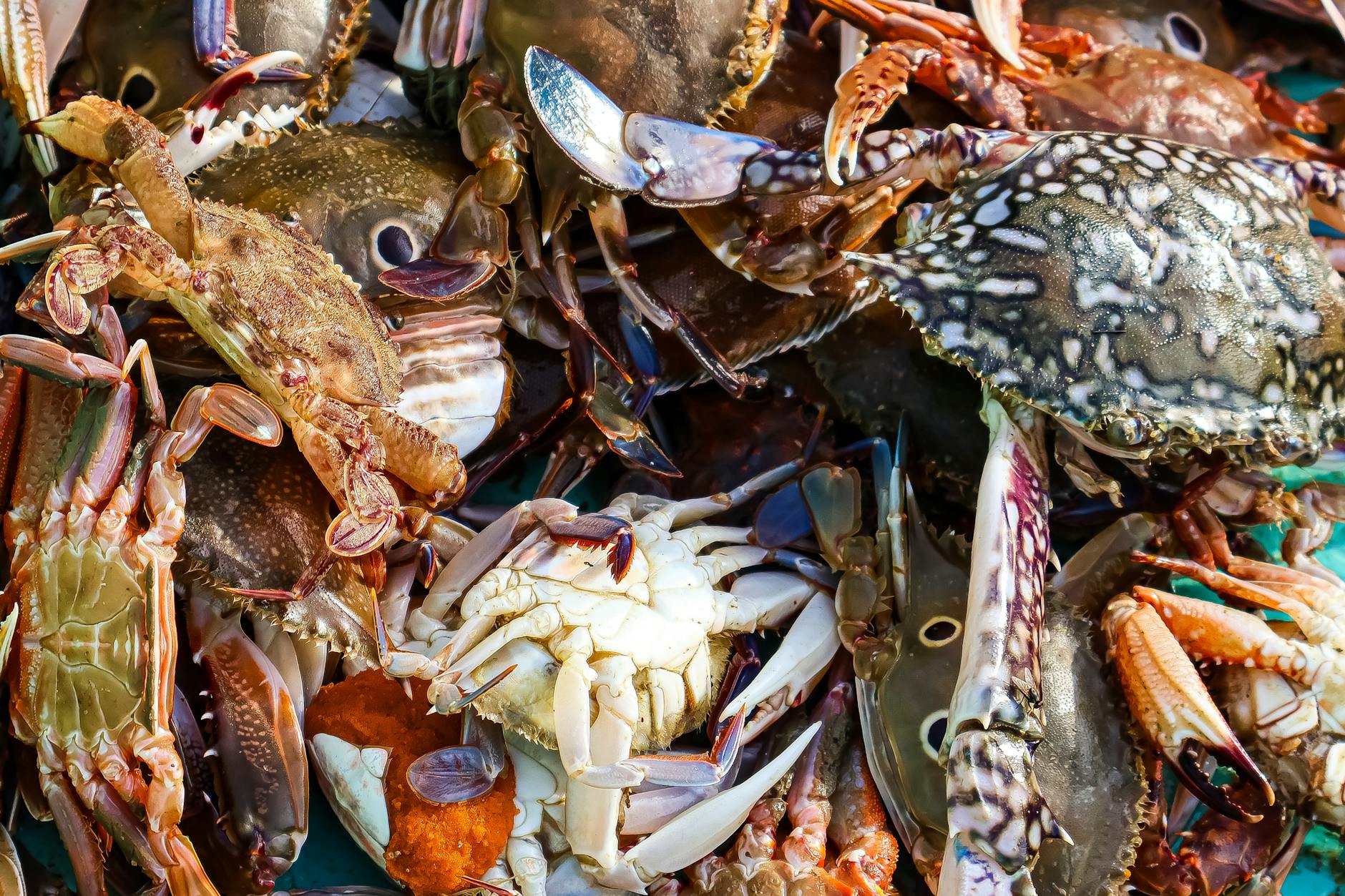
Raw crab presents additional risks that cooked crab avoids. Raw shellfish can contain harmful bacteria like Salmonella and Listeria, pathogens that affect cats similarly to humans. A cat eating raw crab could develop severe gastrointestinal distress, fever, or bacterial infections that require veterinary treatment. This is one reason why many veterinarians recommend against feeding any raw seafood to cats, even though some raw-feeding advocates suggest it mimics what cats would eat in the wild. The most common danger with crab, however, comes from shells and hard parts. Whether cooked or raw, crab shells are sharp and can splinter.
If a cat swallows shell fragments, they risk intestinal blockages, perforations, or choking hazards. This is a genuine emergency—one that can result in surgery or even fatality if not treated quickly. Many cats have ended up in emergency veterinary clinics after consuming shells or shell fragments, making this not a theoretical concern but a real limitation of feeding crab to cats. Canned crab meat presents yet another complication because it’s often packed in salt-heavy brine or oil. Some canned crab products also contain added preservatives and additives that cats don’t need and may react poorly to. The sodium content alone in some commercial crab products can exceed the daily sodium requirement for a cat in a single serving, making canned varieties generally unsafe without significant rinsing.
Nutritional Benefits and Amino Acid Content
Crab meat contains several nutrients that are valuable for cats, particularly high-quality protein and the amino acid taurine. Unlike many other meats, seafood is naturally rich in taurine, which cats cannot synthesize on their own and must obtain through diet. This is why taurine deficiency was historically a problem in cats fed exclusively on plant-based diets—their bodies literally cannot create this essential nutrient.
A small amount of crab meat could theoretically contribute to a cat’s taurine intake, though there are far more practical and consistently safe sources like chicken, beef, and commercial cat foods formulated with adequate taurine levels. Crab also contains omega-3 fatty acids, which support joint health, coat quality, and brain function in cats. However, the amount of omega-3s in a tiny crab treat would be negligible compared to what a cat receives from their regular diet. If your goal is to boost your cat’s omega-3 intake, fish oil supplements designed for cats or adding small amounts of cooked salmon would be more practical choices than crab, which comes with more preparation risks.

Portion Control and Frequency Considerations
If you decide to give your cat crab, the quantity matters tremendously. A treat should never constitute more than 10 percent of a cat’s daily caloric intake, which for most indoor cats means no more than 10 calories per day from treats. That translates to roughly a teaspoon of plain crab meat at most. For comparison, a single shrimp contains about 1 calorie, meaning you could offer several shrimp before approaching the 10-calorie threshold.
A larger piece of crab meat—say, a tablespoon—could easily represent 15-20 percent of a small cat’s daily calories, disrupting their nutritional balance. The frequency of crab treats also matters. Offering a tiny amount of plain crab meat once every few weeks is far different from offering it multiple times per week. Cats fed this way occasionally from properly prepared sources rarely experience problems, whereas regular feeding increases the risk of digestive upset, nutritional imbalances, or accidental exposure to harmful preparation methods. One veterinarian might advise occasional crab as a harmless enrichment, while another would recommend avoiding it entirely in favor of safer, more convenient treat options like freeze-dried chicken or commercially formulated cat treats with known safety profiles.
Digestive Upset and Allergic Reactions
Introducing any new food to a cat’s diet carries the risk of digestive upset, and seafood is a common trigger. Some cats experience vomiting, diarrhea, or loss of appetite after consuming crab or other shellfish. This can occur even if the crab is prepared perfectly, because individual cats have different sensitivities. A cat with a history of digestive issues, food allergies, or a sensitive stomach is at higher risk, and crab would be a poor choice for these animals.
Allergic reactions to crab are less common in cats than in humans, but they do happen. Symptoms can include itching, swelling of the face or throat, respiratory distress, or severe gastrointestinal symptoms. If you introduce crab for the first time, offer only a tiny amount and monitor your cat for the next 24 hours for any signs of unusual behavior, vomiting, diarrhea, or breathing difficulties. The warning here is important: if your cat has never eaten crab before and you choose to try it, do so conservatively and have your veterinarian’s contact information ready.
Safe Preparation Methods and Alternatives
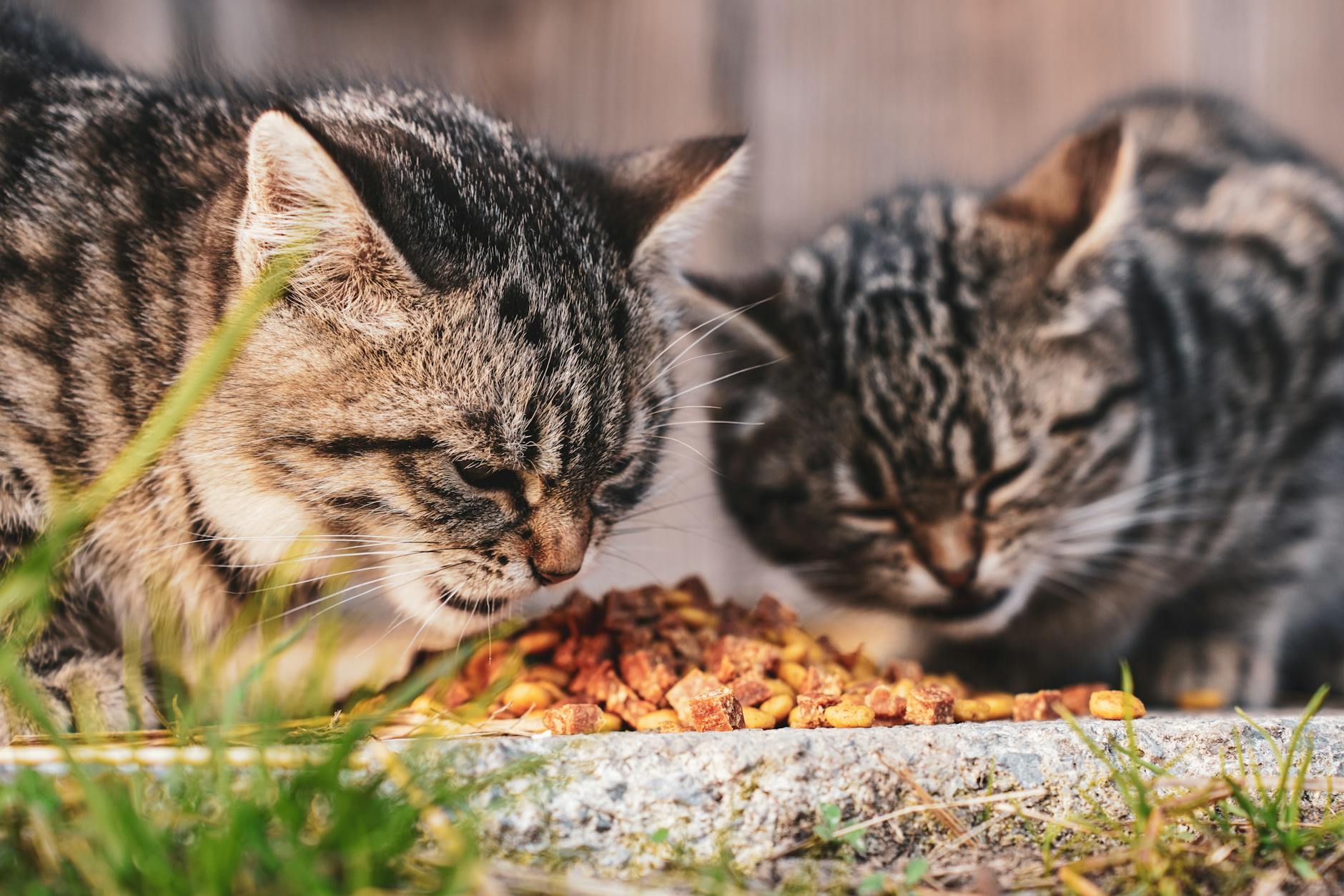
If you’re committed to offering crab to your cat, the only safe preparation is plain steamed or boiled crab meat with absolutely no seasoning, salt, butter, or other additions. Remove all shell, cartilage, and hard parts before serving. The meat should be cut into small pieces to reduce choking risk and fed as an occasional treat, not a regular meal component. Some cat owners steam a small piece of fresh crab specifically for their cats, separate from any seasoning-laden preparation.
This requires more effort than most people are willing to invest, which is one reason why crab remains an unusual cat treat rather than a common one. More practical alternatives that provide similar benefits with fewer risks include plain cooked chicken, turkey, or beef. These proteins are easier to portion, require less complex preparation, and pose fewer risks of contamination or allergic reactions. If you want to provide omega-3 fatty acids, fish oil supplements formulated for cats are standardized and safe. If you’re seeking enrichment through novel foods, cooked salmon, whitefish, or even grass-fed beef would offer better safety profiles than crab.
When to Consult Your Veterinarian
Before introducing any new food—including crab—into your cat’s diet, your veterinarian is the best resource for personalized guidance. This is especially important if your cat has kidney disease, heart disease, diabetes, or any condition requiring dietary management. Cats with these conditions may need strict sodium restriction or controlled protein intake, making high-protein treats like crab potentially problematic regardless of preparation method.
Your vet can also screen for seafood allergies or sensitivities based on your cat’s individual history. As research into feline nutrition continues to evolve, veterinarians refine recommendations about treats and novel foods. What might be considered a minor concern today could be better understood in five years, making veterinary guidance more relevant than general internet advice for your specific cat’s circumstances.
Conclusion
Plain, cooked crab meat without shells, seasoning, or additives is technically safe for cats in very small, occasional amounts, but it’s not an ideal treat choice due to preparation complexity, choking risks from shells, and digestive variability between individual cats. The safer approach is to reserve crab as a rare indulgence only if you’re willing to prepare it specifically for your cat with careful attention to removing all hard parts and avoiding any seasoning.
For most cat owners, sticking to established, convenient treats or plain cooked proteins like chicken or turkey provides the same nutritional benefits with significantly less risk. If your cat is simply curious about your crab dinner, a tiny lick of plain meat won’t cause harm, but making crab a regular treat isn’t recommended. Always discuss new foods with your veterinarian, especially if your cat has any existing health conditions or digestive sensitivities.