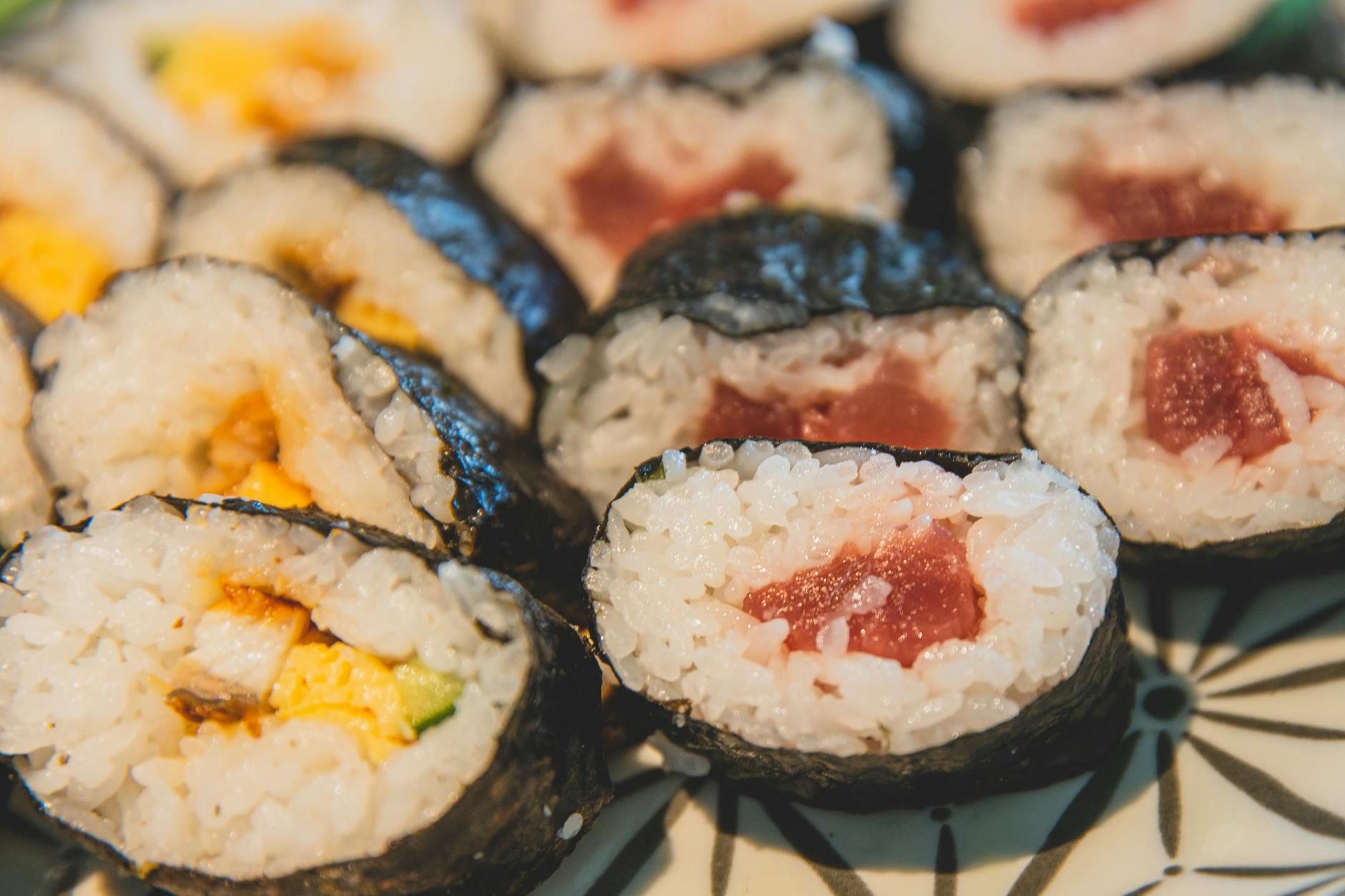
Sushi rice itself is not toxic to cats, making it technically safe in small amounts. However, sushi rice is not an appropriate food for cats and should be avoided as part of their regular diet. The rice is typically prepared with seasonings like vinegar and salt that offer no nutritional benefit to cats, and in some cases can cause digestive upset. If your cat accidentally ate a few grains of plain sushi rice from your plate, there’s no cause for alarm—but intentionally feeding it to your cat is unnecessary and could contribute to weight gain or nutritional imbalances over time. The real concern with sushi rice isn’t the rice itself, but what typically comes with it.
Sushi often contains ingredients that are genuinely dangerous for cats, such as raw fish, avocado, cream cheese, and even the wasabi used as a condiment. Many cat owners mistakenly assume that because rice seems harmless, sharing their sushi meal with their pet is fine. A cat that eats a piece of sushi containing raw salmon or avocado faces a far greater health risk than the rice component alone. Understanding what makes certain human foods safe or unsafe for cats requires looking beyond surface-level assumptions. Sushi rice represents a broader category of foods that occupy a gray area—not immediately toxic, but also not designed for feline nutritional needs.
Table of Contents
- Can Cats Digest Plain Cooked Sushi Rice Safely?
- The Hidden Dangers in Sushi Preparations
- How Cats Metabolize Carbohydrates Compared to Humans
- What to Offer Your Cat Instead of Sushi
- Signs Your Cat Has Eaten Sushi and When to Call a Vet
- The Role of Rice in Prescription Feline Diets
- Long-Term Dietary Habits and Feline Obesity
- Conclusion
- Frequently Asked Questions
Can Cats Digest Plain Cooked Sushi Rice Safely?
cats can technically digest small amounts of plain, cooked sushi rice without immediate harm because rice itself doesn’t contain compounds that are toxic to felines. However, cats are obligate carnivores, meaning their digestive systems evolved to process meat, not grains. Unlike humans and many other animals, cats lack certain enzymes that efficiently break down and extract nutrients from plant-based carbohydrates. This means that even when they can digest sushi rice without getting sick, their bodies don’t gain meaningful nutritional value from it. The preparation of sushi rice introduces another variable into the safety equation.
Traditional sushi rice is seasoned with rice vinegar, sugar, and salt—a combination that feline digestive systems don’t require and may struggle with in concentrated amounts. For example, a cat that eats a teaspoon of plain cooked rice is far less likely to experience digestive upset than one that eats the same amount of traditional sushi rice with its seasonings intact. Some cats may develop mild gastrointestinal discomfort, loose stools, or constipation from the seasoning content, while others might show no symptoms at all. Individual cats have varying levels of sensitivity to these ingredients. Plain white rice has sometimes been recommended by veterinarians as a temporary dietary addition for cats experiencing diarrhea, but this is typically unseasoned and unsweetened rice—completely different from the prepared sushi rice found at Japanese restaurants or sushi bars.
The Hidden Dangers in Sushi Preparations
The real risk of sushi doesn’t come from the rice component but from its accompaniments, many of which are genuinely hazardous for cats. raw fish, one of the primary ingredients in most sushi rolls, can contain parasites and bacteria that cause serious infections in cats. While cats in the wild do consume raw prey, farm-raised fish used in sushi has not undergone the same natural parasite exposure and may harbor pathogens that wild populations have adapted to handle. Additionally, raw fish contains thiaminase, an enzyme that breaks down thiamine (vitamin B1), which cats require for normal neurological function. Consuming excessive amounts of raw fish over time can lead to thiamine deficiency, a condition that causes neurological problems including loss of appetite, disorientation, and muscle weakness.
Avocado, commonly used in sushi rolls and as a topping, contains persin, a compound toxic to cats that can cause vomiting, diarrhea, and potentially pancreatitis. Cream cheese and mayonnaise-based sauces, standard in many Western-style sushi rolls, are high in fat and can trigger gastrointestinal upset or pancreatitis in cats. Even wasabi, the spicy green paste served with sushi, can cause severe irritation to a cat’s mouth and digestive tract. A single piece of sushi containing any of these ingredients poses a greater health risk than an entire bowl of plain sushi rice would. The limitation of home observation is that cats sometimes consume small amounts of harmful food without showing immediate symptoms. This creates a dangerous false sense of security where an owner might think their cat is fine after eating sushi, unaware that the raw fish or avocado has already begun causing internal damage.
How Cats Metabolize Carbohydrates Compared to Humans
The fundamental difference between feline and human metabolism explains why foods designed for human consumption rarely align with cat nutritional requirements. Humans are omnivores with metabolic flexibility—we can subsist on a diet heavy in carbohydrates, protein, or fat, and our bodies adjust accordingly. Cats, by contrast, have a narrowly specialized metabolism built around animal protein and fat. Their livers produce limited amounts of amylase, the enzyme that begins breaking down starches in the mouth, and their pancreases produce relatively little amylase compared to human pancreases. This metabolic inflexibility is why cats cannot efficiently process plant-based proteins or rely on grains as a primary calorie source.
When a cat eats sushi rice, its body recognizes it as a carbohydrate and attempts to process it, but this process is inefficient and energy-wasteful. A human eating sushi rice gains not just calories but also carbohydrate energy that the body uses directly. A cat eating the same rice must expend digestive energy to break down something its system wasn’t designed to process, and then faces the challenge of extracting limited value from it. Over time, a diet that relies on carbohydrates rather than protein can lead to weight gain, blood sugar dysregulation, and even feline diabetes—a serious condition increasingly common in indoor cats. Consider the difference between a cat eating a small piece of sushi rice and a cat eating a small piece of shrimp nigiri (shrimp-topped sushi): the shrimp provides bioavailable protein that aligns with the cat’s nutritional needs, while the rice provides empty calories that contribute to obesity without satisfying the cat’s actual nutritional requirements.
What to Offer Your Cat Instead of Sushi
If you’re eating sushi and want to share with your cat, the safest approach is to offer a small piece of the protein component rather than the rice. Plain cooked shrimp, if it contains no seasoning and is properly cooked, can be a safe occasional treat for cats. Plain, cooked fish without seasoning is also acceptable in very small amounts, though raw fish should always be avoided. These options provide the nutritional value your cat actually needs—high-quality protein—without the unnecessary carbohydrates and seasonings found in sushi rice.
The tradeoff between convenience and safety is significant here: it’s easier to give your cat a piece of your entire sushi roll than to separate out the protein component, rinse off seasonings, and verify it’s safe. However, taking those extra seconds to provide only the protein eliminates the risk of exposing your cat to harmful ingredients. Many cats also simply aren’t interested in human food once they realize a meal isn’t coming from their regular food bowl, so offering anything at all is unnecessary. If your cat shows interest in what you’re eating, a few plain cooked shrimp occasionally poses far less risk than sushi rice.
Signs Your Cat Has Eaten Sushi and When to Call a Vet
If your cat has consumed sushi rice without any other ingredients, the likelihood of serious problems is low, but you should still monitor for signs of gastrointestinal upset. Vomiting, diarrhea, loss of appetite, or unusual lethargy in the hours following consumption may indicate that your cat’s stomach is reacting negatively to the seasoning or the rice itself. Most cases of mild digestive upset resolve on their own within 24 hours, but if symptoms persist beyond this window or worsen, veterinary care is warranted.
If your cat has eaten sushi containing raw fish, avocado, cream cheese, or wasabi, the situation is more serious. Seek veterinary attention immediately if your cat shows signs of poisoning such as vomiting, diarrhea, tremors, difficulty breathing, or unusual behavior. Raw fish poisoning and avocado toxicity can develop over several hours or even days, so don’t wait for symptoms to worsen before contacting your veterinarian. A limitation of home care is that you can’t determine through observation alone whether your cat has ingested a dangerous amount of a toxic ingredient—your vet may recommend bloodwork or other diagnostics to assess the extent of exposure.

The Role of Rice in Prescription Feline Diets
While plain sushi rice is not recommended, rice does occasionally appear in veterinary prescription diets designed for cats with specific health conditions. These special diets contain rice in carefully controlled proportions, balanced with appropriate proteins and nutrients to address issues like digestive sensitivities, kidney disease, or diabetes management. A prescription diet containing rice is formulated with the cat’s metabolism in mind—the rice isn’t just filler but part of a therapeutic nutritional strategy. The difference between prescription rice-containing cat food and sushi rice couldn’t be starker: one is designed by veterinary nutritionists for feline health, while the other is incidental to a human meal.
If your cat has been prescribed a rice-containing diet by your veterinarian, follow those guidelines specifically. Don’t assume that because rice is in your cat’s prescription food, all rice is appropriate. Your cat’s prescription diet contains rice in precise ratios with other ingredients, and the whole formula has been tested for safety and efficacy. Sushi rice offers no such balance or benefit.
Long-Term Dietary Habits and Feline Obesity
The broader concern with regularly offering human foods like sushi rice to cats is the contribution to obesity and metabolic disease. Sushi rice, like all carbohydrates, is calorie-dense but nutritionally sparse for cats. A cat that regularly receives small amounts of sushi rice or other carbohydrate-based human foods may gradually consume enough extra calories to gain weight, especially if those calories come on top of regular cat food. Feline obesity leads to decreased mobility, joint problems, diabetes, and significantly shortened lifespan.
The occasional grain of rice won’t cause obesity, but a pattern of sharing human meals certainly can. Looking forward, understanding your cat’s specific nutritional requirements becomes increasingly important as cats age and their metabolism changes. A young cat might tolerate regular exposure to sushi rice without obvious consequences, but the cumulative effect may manifest as weight gain or diabetes in middle age. The most responsible long-term approach is to feed your cat a complete, balanced feline diet designed for their life stage and health status, and to save human food—even seemingly harmless items like rice—for rare, intentional treats rather than casual sharing.
Conclusion
Sushi rice itself is not toxic to cats, but it’s not an appropriate food choice for them either. The rice contributes empty calories, unnecessary seasonings, and no nutritional benefit to a species whose digestive system evolved to process meat. The greater danger lies not in the rice component but in the other ingredients typically served with it—raw fish, avocado, cream cheese, and spices that pose genuine health risks.
If you enjoy sushi and want to include your cat in the experience, separate a small piece of plain cooked shrimp or properly cooked fish and offer that instead. Better yet, keep your sushi plate to yourself and feed your cat appropriate feline meals and treats. Your cat’s long-term health depends on consistent, species-appropriate nutrition rather than casual sharing of human meals, no matter how seemingly harmless those meals appear.
Frequently Asked Questions
My cat ate a piece of sushi from my plate. Should I be worried?
If it was just a piece of sushi rice without other ingredients, observation at home is typically sufficient. Monitor your cat for vomiting, diarrhea, or unusual behavior over the next 24 hours. If your cat ate sushi containing raw fish, avocado, or cream cheese, contact your veterinarian immediately.
Is cooked rice safe for cats on a regular basis?
Plain, unseasoned cooked rice in small amounts is safe, but it provides minimal nutritional benefit and shouldn’t be a regular part of your cat’s diet. It’s sometimes used temporarily to help with diarrhea, but only on veterinary recommendation.
Why are cats attracted to sushi rice if it’s not good for them?
Cats are attracted to the textures and sometimes the fish proteins associated with sushi, not specifically the rice. The novelty and your interest in the food also makes it more appealing. This doesn’t mean it’s safe or beneficial for them.
Can I give my cat sushi rice as a treat?
There are far better treat options available that actually provide nutritional value. Cooked chicken, plain cooked shrimp, or commercial cat treats are safer choices that align with your cat’s dietary needs.
What ingredients in sushi are actually dangerous for cats?
Raw fish (parasite and thiaminase risk), avocado (persin toxicity), cream cheese and mayo (pancreatitis risk), wasabi (mouth and digestive tract irritation), and excessive salt or vinegar (digestive upset).
Is brown rice safer than white sushi rice for cats?
Both brown and white rice pose the same basic concerns for cats—lack of nutritional value and difficulty in digestion. The color of the rice isn’t the issue; the fact that it’s a carbohydrate unsuited to feline metabolism is the problem.