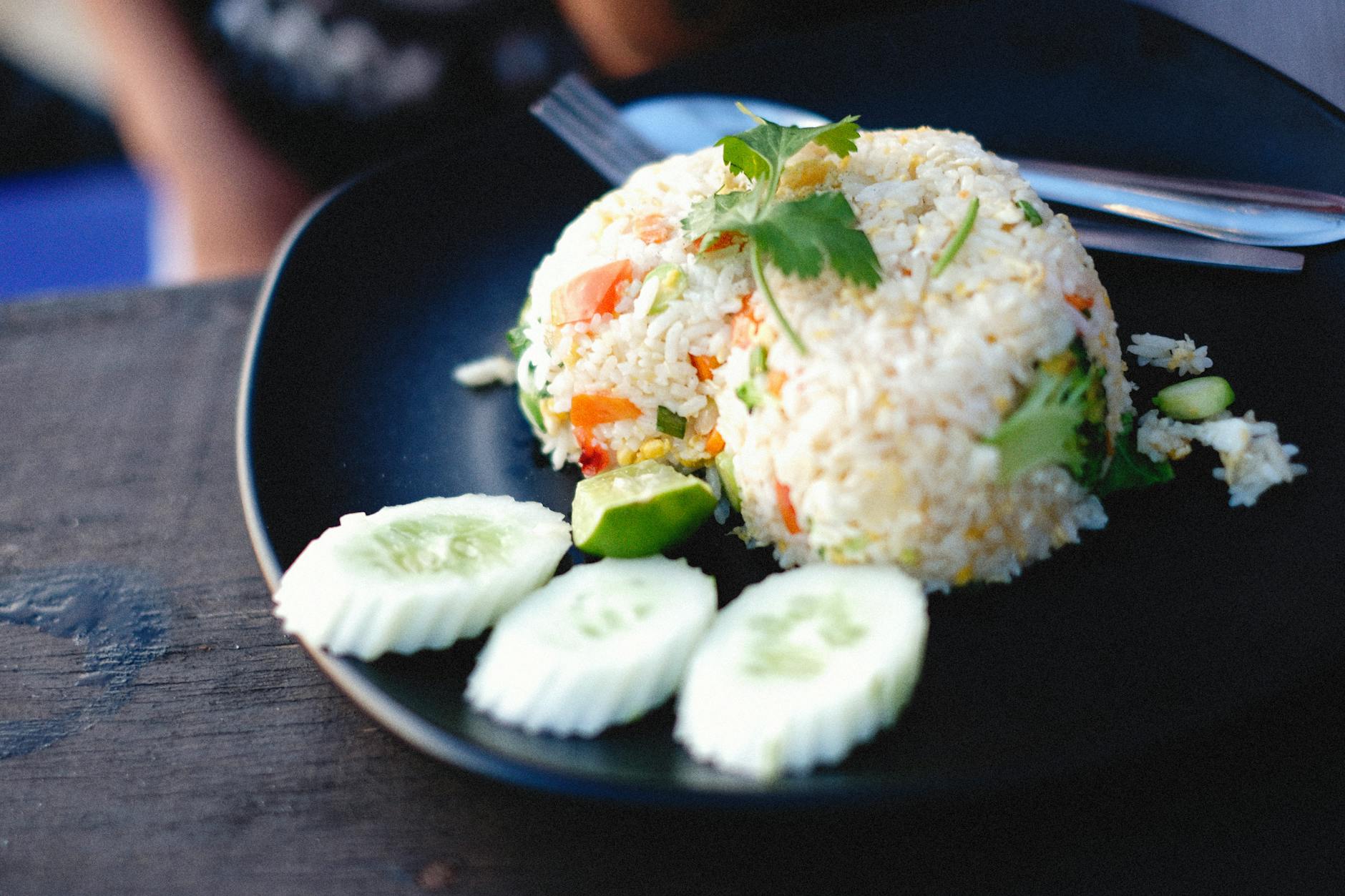
Yes, plain rice is generally safe for cats to eat in small quantities, but it should never be a regular part of their diet. Rice itself contains no toxic compounds for felines, and many cats can digest small amounts without problems. However, cats are obligate carnivores, meaning their bodies are designed to process meat-based proteins rather than grains.
When a cat eats too much rice, it can interfere with their ability to absorb essential amino acids like taurine, which cats cannot synthesize on their own. The key distinction is preparation and context. Plain white or brown rice cooked without seasonings, oils, or garlic is acceptable in emergency situations or as an occasional supplement if a veterinarian recommends it—for example, when a cat has diarrhea and a vet suggests mixing small amounts of plain rice with their regular food to firm up their stool. However, fried rice, rice cooked with butter, seasoned rice, or rice that contains garlic and onions should never be given to cats under any circumstances, as these preparations can cause serious health issues.
Table of Contents
- Can Cats Digest Rice and Do They Need It?
- Risks Associated with Feeding Rice to Cats
- Rice Preparation Methods and Safety Concerns
- When a Veterinarian Might Recommend Rice
- Hidden Dangers in Commercial Grain-Based Cat Foods
- Cat-Specific Nutritional Requirements vs. Rice
- The Future of Feline Nutrition and Grain-Free Diets
- Conclusion
- Frequently Asked Questions
Can Cats Digest Rice and Do They Need It?
cats lack the dietary adaptations that humans and even dogs have for processing grains efficiently. Their digestive systems are short and highly acidic, designed for processing whole prey—muscle, organs, and bones—rather than plant-based carbohydrates. While cats can technically digest small amounts of rice, their bodies don’t benefit nutritionally from it the way ours do. A cat’s nutritional needs are entirely met through high-quality protein sources, and rice adds empty calories that don’t serve their physiology.
Some commercial cat foods do include small amounts of rice or other grains as binders or fillers, which cats tolerate without immediate harm. These formulations exist primarily for manufacturing consistency and cost management, not because the rice provides nutritional value to the cat. If you’ve been feeding your cat a commercial food that contains rice, there’s no need to switch immediately—the small quantities used in pet food manufacturing are not harmful. However, intentionally adding rice to a cat’s diet or substituting it for meat-based meals is not recommended.
Risks Associated with Feeding Rice to Cats
The primary concern with excessive rice consumption is nutritional imbalance. When rice makes up even a moderate portion of a cat’s daily caloric intake, it displaces the protein and fat that cats require for optimal health. Cats need 26 different essential amino acids, and the amino acid profile in rice is incomplete compared to meat. Over time, this can lead to muscle wasting, weakened immune function, and deficiencies in taurine—a condition that can cause feline dilated cardiomyopathy, a serious heart disease.
Another significant limitation is that rice can constipate some cats while causing diarrhea in others, depending on individual digestive sensitivity. While plain white rice is sometimes recommended by veterinarians specifically as a short-term treatment for loose stools, it should only be used under professional guidance for a few days at most. Continuous rice consumption can disrupt a cat’s gut flora balance and lead to chronic digestive problems. Additionally, feeding rice as filler to reduce food costs or portion sizes is a form of nutritional neglect—it leaves your cat feeling full while depriving it of essential nutrients.
Rice Preparation Methods and Safety Concerns
The method of preparation dramatically affects whether rice is safe for cats. Plain white rice cooked with water only is acceptable; brown rice is technically fine but slightly harder for cats to digest. However, any rice preparation that includes seasonings—even seemingly innocent ones like salt or pepper—should be avoided entirely. Garlic and onions, whether raw or cooked, are toxic to cats and can cause hemolytic anemia by damaging red blood cells.
A cat that consumes garlic rice or onion-seasoned rice may show symptoms like lethargy, pale gums, vomiting, or dark-colored urine within days. Fried rice is particularly problematic because it typically contains added oils, butter, soy sauce (high in sodium), and often garlic or onion. Soy sauce alone can cause sodium poisoning in cats if consumed in meaningful quantities, leading to excessive thirst, lethargy, and neurological issues. If you’re eating fried rice at home and your cat is interested, resist the urge to share—the risk far outweighs the appeal to your pet. Sushi rice, which is seasoned with vinegar, sugar, and salt, should also be avoided for the same reasons.

When a Veterinarian Might Recommend Rice
In specific medical situations, a veterinarian may recommend plain rice as part of a therapeutic diet. The most common scenario is when a cat has acute gastroenteritis or diarrhea caused by dietary indiscretion or mild infection. A vet might suggest a bland diet consisting of cooked chicken and small amounts of plain white rice, typically in a ratio of about 1 part rice to 3 parts meat. This combination provides hydration, easy-to-digest protein, and enough mild starch to help normalize bowel movements without overwhelming the digestive system.
Another situation might involve a cat recovering from surgery or illness where normal food intake needs to be gradually reintroduced. Rice can serve as a filler to reduce portion density while the cat’s digestive system readjusts. However, these recommendations are always temporary—typically lasting 3 to 7 days—and should be followed by a gradual transition back to normal diet. Never assume that if rice is helpful for one issue, it’s beneficial to include regularly. The difference between a therapeutic dose and a harmful dose is entirely about duration, frequency, and context.
Hidden Dangers in Commercial Grain-Based Cat Foods
While small amounts of rice in commercial cat food are generally tolerated, some budget or mass-market brands rely heavily on grain fillers, including rice, corn, and wheat. These foods often prioritize cost over feline nutrition and can contribute to various health problems over time. Cats fed primarily on high-carbohydrate diets have higher rates of obesity, diabetes, and urinary tract disease. If you’ve noticed your cat becoming overweight or developing urinary issues, diet composition—particularly the grain content—should be examined.
The industry sometimes markets grain-inclusive foods as “complete and balanced,” which is technically true according to minimal nutritional standards set by AAFCO (Association of American Feed Control Officials). However, these standards don’t account for what a cat’s body actually thrives on. A food can meet minimum nutritional requirements while still being far from optimal for feline health. Reading ingredient labels is crucial—if rice or corn appears in the first three ingredients, it’s likely a food designed for human economic interests rather than feline health interests.
Cat-Specific Nutritional Requirements vs. Rice
Cats require approximately 40 grams of protein per 1,000 calories they consume, and this protein must come from animal sources to be complete for their metabolism. Rice provides roughly 3 grams of protein per cup of cooked rice, along with minimal taurine—essentially a negligible contribution to a cat’s daily amino acid requirements.
In contrast, a single ounce of cooked chicken provides about 9 grams of highly bioavailable protein with complete taurine content. The metabolic difference between cats and humans is profound: humans are omnivores with flexible digestive systems capable of converting plant nutrients into usable forms, while cats have evolved as strict carnivores with fixed nutritional pathways. This is why vegan or vegetarian diets for cats are considered harmful by veterinary nutritionists—it’s not a matter of preference or ethics; it’s a matter of biology.
The Future of Feline Nutrition and Grain-Free Diets
The pet food industry is gradually shifting toward grain-free and meat-focused formulations as research increasingly documents the health benefits of species-appropriate diets for cats. While some early grain-free foods made with legume starches had quality issues, the trend toward higher-protein, lower-carbohydrate cat foods aligns with feline nutritional science. Forward-looking pet owners should expect to see more high-quality, meat-based cat foods becoming more accessible and competitively priced as consumer awareness increases.
The conversation about rice and grain in cat food is part of a larger movement toward recognizing that cats aren’t small humans and shouldn’t be fed like they are. Nutritional science for felines continues to evolve, but one consistent finding is that meat-based, lower-carbohydrate diets result in healthier, longer-lived cats. For cat owners trying to optimize their pet’s nutrition, the takeaway is straightforward: rice can be a minor component of occasional meals or therapeutic diets, but it should never be a dietary staple.
Conclusion
Plain rice is safe for cats in limited quantities and specific contexts, but it provides no nutritional benefit and can be harmful if fed regularly. If your cat has accidentally eaten a few grains of plain rice from your plate, there’s no need to panic—occasional, minimal exposure is not dangerous. However, intentionally feeding rice to your cat as a food supplement, filler, or dietary staple is a mistake that can compromise their long-term health through nutritional imbalance and displacement of essential proteins.
The best approach is to reserve rice only for situations where a veterinarian specifically recommends it, and even then, use it as a temporary therapeutic measure rather than a permanent dietary component. Focus your cat’s diet on high-quality, meat-based commercial foods or properly formulated homemade diets that meet AAFCO standards for complete cat nutrition. If you have questions about your specific cat’s diet—whether due to medical conditions, digestive issues, or general optimization—consult with a board-certified veterinary nutritionist rather than experimenting with rice or other grains. Your cat’s longevity and quality of life depend on feeding them as the carnivores they are, not as miniature humans.
Frequently Asked Questions
Can cats eat white rice vs. brown rice?
Both white and brown rice are technically safe for cats in small amounts. White rice is slightly easier to digest, while brown rice contains more fiber. Neither offers nutritional benefits that justify regular feeding to cats. If a veterinarian recommends rice, white rice is typically the better choice for most digestive situations.
What if my cat ate a large amount of rice?
If your cat consumed a large quantity of plain cooked rice, monitor for signs of bloating, constipation, or vomiting over the next 24-48 hours. Most cats will simply have some digestive discomfort and may experience constipation. However, if the rice was seasoned with garlic, onions, or excessive salt, contact your veterinarian immediately, as this could indicate poisoning.
Is rice good for cats with sensitive stomachs?
While rice is sometimes recommended short-term for acute gastroenteritis, it’s not a long-term solution for sensitive stomachs. Cats with chronic digestive issues need high-quality, easily digestible protein and fats—not carbohydrates. A vet may recommend limited rice for a few days during recovery, but the real solution is identifying and addressing the underlying cause.
Can I feed my cat rice instead of expensive cat food?
No—rice should never be used as a substitute for cat food or fed to save money on nutrition. Doing so constitutes malnutrition and will cause long-term health damage including muscle wasting, taurine deficiency, organ damage, and shortened lifespan. There are budget-friendly, meat-based cat foods available that provide proper nutrition without compromising your cat’s health.
Is sushi safe for cats?
No. Sushi rice contains vinegar, sugar, and salt seasonings that are not appropriate for cats. Additionally, raw fish in sushi can contain parasites and bacteria harmful to cats. Some sushi preparations also include avocado or wasabi, both toxic to felines. Keep all sushi away from your cat.