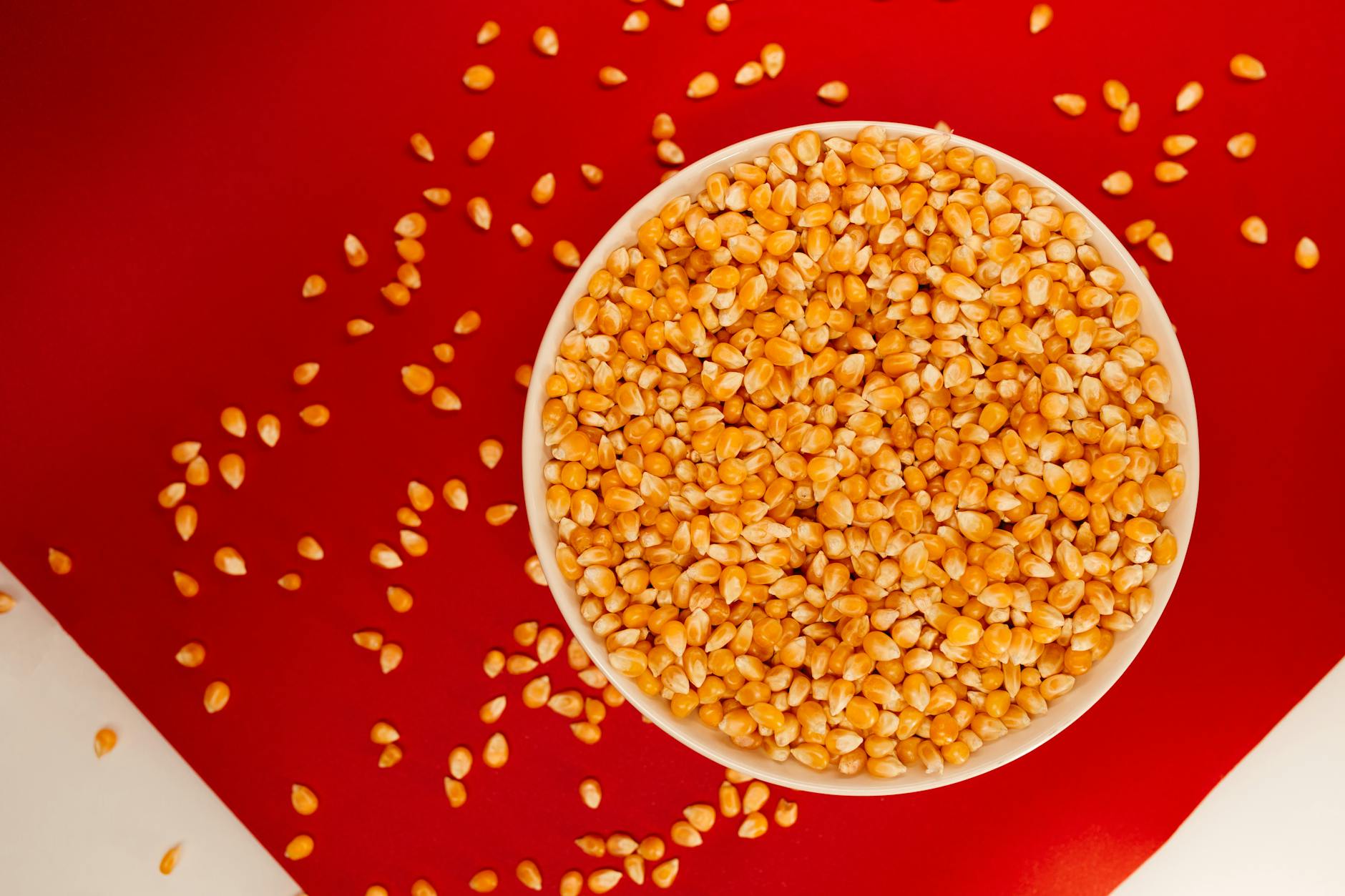
No, it is not safe for cats to eat popcorn with butter. While plain, air-popped popcorn in very small amounts might be tolerated by some cats, buttered popcorn poses multiple health risks that make it unsuitable as a feline snack. The combination of butter, salt, and other seasonings commonly found on popcorn can cause digestive upset, contribute to obesity, and potentially lead to more serious health problems depending on your cat’s age and medical history.
When your cat accidentally gets into a handful of buttered popcorn at a movie night, a small amount is unlikely to cause an emergency. However, making buttered popcorn a regular treat or allowing your cat to consume significant quantities is a different story. The high fat content in butter can upset a cat’s digestive system, which is designed to process a diet high in protein and moisture, not processed grains and dairy fats. For example, a 10-pound cat who eats just a few pieces of heavily buttered popcorn may experience loose stools or vomiting within hours.
Table of Contents
- Why Butter and Fat Content Pose Risks to Cats
- Salt and Seasonings in Buttered Popcorn
- Choking Hazards and Digestive Blockage Risks
- What to Do If Your Cat Eats Buttered Popcorn
- Cats with Existing Health Conditions Face Greater Risk
- Safe Popcorn Alternatives for Cats
- Building Better Snacking Habits with Your Cat
- Conclusion
Why Butter and Fat Content Pose Risks to Cats
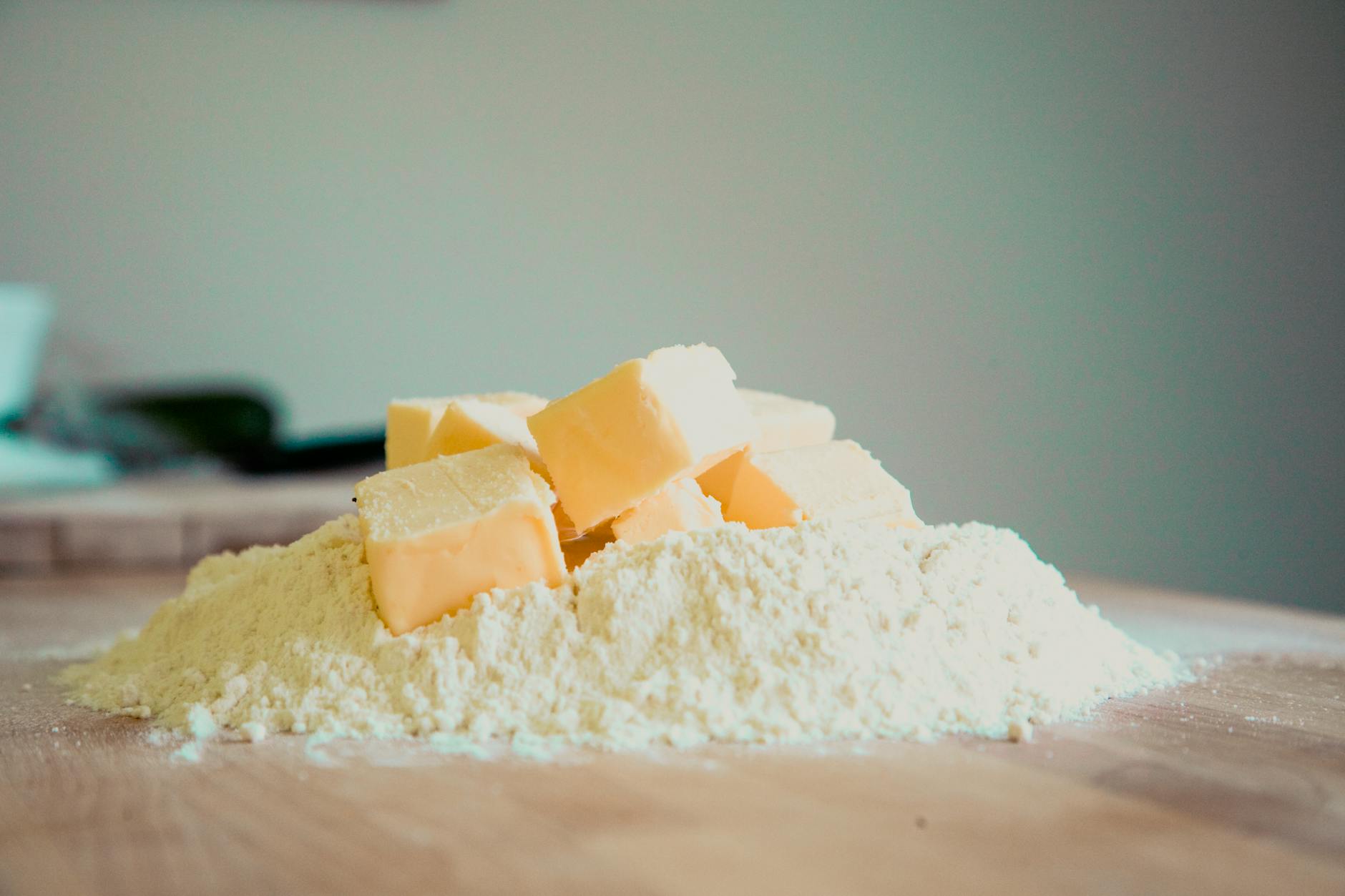
cats are obligate carnivores, meaning their bodies are optimized to digest and utilize nutrients from meat, not grains or high-fat plant-based foods. Butter is approximately 80 percent fat, making it one of the most calorie-dense substances a cat could ingest. When cats consume high-fat foods, their pancreas and digestive tract can become inflamed, leading to a condition called pancreatitis, which ranges from mild to life-threatening depending on severity.
A cat’s liver is also particularly sensitive to excess fat intake compared to dogs or humans. Even a seemingly small amount of buttered popcorn—perhaps one ounce with a tablespoon of butter—contains roughly 45 calories and 5 grams of fat. For a typical indoor cat requiring 200-250 calories per day, this represents nearly a quarter of their daily caloric needs from a single food item that provides virtually no nutritional benefit. Cats fed high-fat treats regularly have shown increased rates of obesity-related diseases including diabetes and joint problems.
Salt and Seasonings in Buttered Popcorn
Commercial buttered popcorn typically contains significant amounts of salt, which is problematic for cats in multiple ways. A single serving of movie-theater-style popcorn can contain 400-600 mg of sodium, while cats have minimal dietary requirements for salt and can suffer from sodium ion poisoning if they consume too much. Most commercial popcorn seasonings also include additives like garlic powder, onion powder, or MSG, all of which present additional hazards beyond simple salt content.
The limitation with buttered popcorn treats is that the butter coating makes it difficult to assess exactly how much salt and seasoning your cat has consumed. Unlike feeding a measured amount of cat food from a bag with clear nutritional information, popcorn seasoning varies wildly by brand and preparation method. Symptoms of salt toxicity in cats include excessive thirst, vomiting, diarrhea, lethargy, and in severe cases, seizures or neurological complications. A cat with pre-existing kidney disease or high blood pressure faces even greater risk from the sodium in buttered popcorn.
Choking Hazards and Digestive Blockage Risks
Popcorn kernels and pieces present a physical choking hazard, particularly for kittens, senior cats with dental problems, or cats who tend to swallow food without thorough chewing. A popcorn kernel lodged in the throat can obstruct the airway, creating an emergency situation requiring immediate veterinary intervention. Additionally, unpopped or partially popped kernels can cause intestinal blockages if swallowed whole.
Cats are less cautious eaters than dogs and may not chew food thoroughly before swallowing. If your cat consumes buttered popcorn, the pieces can move through the digestive tract and accumulate, particularly if combined with other fibrous foods or if your cat has a history of digestive sensitivity. A blockage severe enough to prevent normal digestion requires surgical intervention and can result in permanent damage to the intestinal tract. For instance, a cat who ate a large handful of popcorn as a kitten developed a partial blockage three days later, requiring hospitalization and several thousand dollars in veterinary care.

What to Do If Your Cat Eats Buttered Popcorn
If your cat has consumed a small amount of buttered popcorn, observation at home is typically appropriate unless your cat shows signs of distress. Monitor for vomiting, diarrhea, loss of appetite, or changes in litter box habits over the next 24-48 hours. Ensure your cat has access to fresh water and continue feeding her normal diet without providing additional treats.
Most cats will pass small amounts of popcorn without incident, especially if the quantity consumed was minimal. However, if your cat consumed a large quantity of buttered popcorn, displays signs of abdominal pain (such as a hunched posture or reluctance to move), vomits repeatedly, or refuses to eat for more than a few hours, contact your veterinarian. The comparison between a single kernel versus a full handful is significant—one kernel presents minimal risk, while multiple ounces of popcorn warrants professional evaluation, especially for cats under one year old or over ten years old. Your veterinarian can perform a physical examination and imaging if needed to rule out blockage or pancreatitis.
Cats with Existing Health Conditions Face Greater Risk
Cats with pancreatitis, inflammatory bowel disease, diabetes, or obesity should never consume buttered popcorn, as these conditions make their digestive systems even more vulnerable to high-fat, high-sodium foods. Similarly, cats with kidney disease face heightened risk from the sodium content in buttered popcorn and should have their salt intake carefully controlled. Older cats and those with dental disease may struggle to eat popcorn safely, as the hard texture can be difficult to chew and swallow.
The warning here is particularly important for cats already receiving veterinary care for chronic conditions. Some cat owners mistakenly believe that a small amount of a human food won’t matter for an otherwise healthy cat, but this logic breaks down for cats with underlying health issues. A senior cat with Stage 2 chronic kidney disease who consumes buttered popcorn may experience an acute worsening of kidney function that requires emergency intervention and aggressive treatment.
Safe Popcorn Alternatives for Cats
If you want to share a popcorn-like snack with your cat, air-popped popcorn with absolutely no butter, salt, or seasonings is the safest option—but even this should be offered only occasionally and in tiny pieces. Remove any unpopped kernels and break larger pieces into small bits to minimize choking risk. A better alternative is to offer your cat cat-specific treats designed to be nutritionally balanced, or to share appropriately portioned pieces of cooked chicken, turkey, or fish.
Some cats enjoy the texture of plain popcorn as an enrichment activity, particularly if they enjoy crunching. You can provide a single air-popped kernel as an occasional toy or treat without the health risks associated with butter and seasonings. This approach allows you to enjoy movie night without worrying about your cat’s safety.
Building Better Snacking Habits with Your Cat
The broader lesson about buttered popcorn extends to many human foods: even when a small amount seems harmless, the cumulative effect of regular treat consumption can undermine your cat’s health. Cats thrive on consistent, nutritionally complete diets formulated specifically for their needs.
Every treat your cat consumes should either provide nutritional value or at minimum, not introduce health risks. Creating a household culture where your cat understands that human food is not her food—and where family members refrain from offering scraps—is one of the most valuable habits you can establish. This prevents the “just one piece” mentality from escalating into regular consumption of inappropriate foods that can shorten your cat’s lifespan or reduce her quality of life.
Conclusion
Buttered popcorn is not a safe snack for cats due to the combination of high fat content in the butter, excess sodium, hard texture, and potential for digestive upset or blockage. While accidental consumption of a small amount is unlikely to cause a medical emergency, intentionally feeding buttered popcorn to your cat is inadvisable. The health risks—including pancreatitis, digestive upset, obesity, and choking hazards—outweigh any brief enjoyment your cat might experience.
Your next step is to identify cat-safe treat options and establish clear boundaries with family members about not sharing human foods with your cat. If your cat has already consumed buttered popcorn and is showing any signs of distress, contact your veterinarian. For ongoing guidance about appropriate feline nutrition and treats, discuss your cat’s dietary needs with your vet during regular checkups.