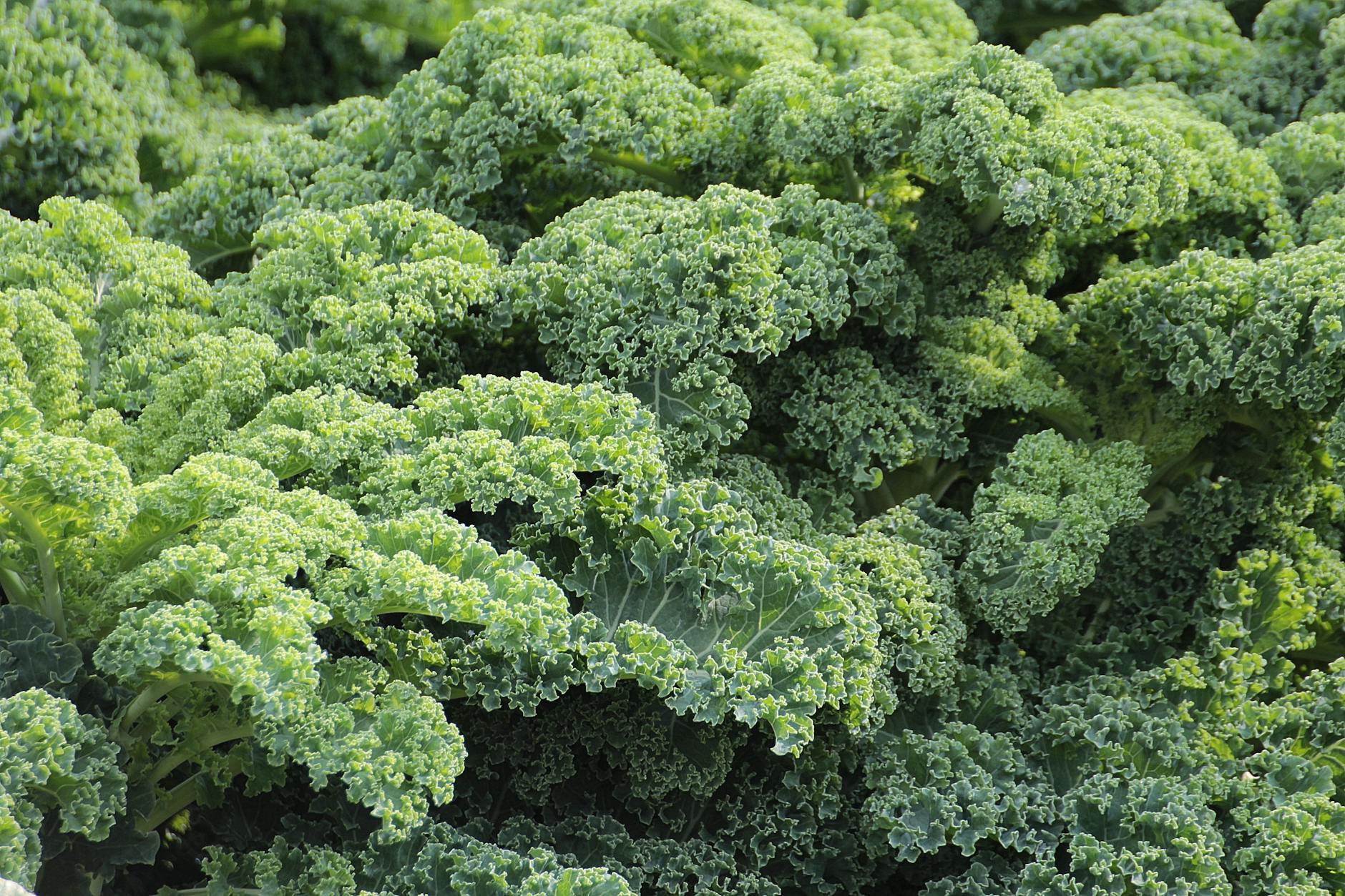
Yes, cats can technically eat small amounts of kale without immediate harm, but it’s not a recommended food for feline companions. While kale isn’t toxic like chocolate or xylitol, it offers little nutritional benefit to obligate carnivores and carries more downsides than benefits. Most cats simply lack the digestive enzymes to properly process plant matter, making kale essentially wasted calories that could be better spent on species-appropriate foods.
If your cat has nibbled on a few kale leaves from your salad bowl, there’s no cause for alarm—occasional exposure won’t cause poisoning. However, intentionally offering kale as a treat or dietary supplement is unnecessary and potentially problematic. A cat who ate a few leaves and showed no symptoms will be fine; the concern is more about habit-forming and displaced nutrition than acute toxicity.
Table of Contents
- Can Cats Digest Kale Safely?
- Nutritional Content and Hidden Concerns
- When Cats Are Tempted by Greens
- Safe Alternatives to Offer Your Cat
- Specific Risks for Vulnerable Cats
- What to Do If Your Cat Ate Kale
- Creating a Cat-Safe Kitchen Environment
- Conclusion
- Frequently Asked Questions
Can Cats Digest Kale Safely?
cats are obligate carnivores, meaning their digestive systems evolved exclusively to process meat and animal proteins. Their stomachs lack cellulase, the enzyme required to break down plant cell walls and extract nutrients from vegetables like kale. When a cat consumes kale, most of it passes through their digestive tract largely undigested, providing minimal nutritional value while potentially causing mild gastrointestinal upset.
Some cats experience vomiting or diarrhea after consuming kale, particularly if they eat a large quantity. This isn’t necessarily a sign of poisoning but rather a sign that their system is rejecting an incompatible food. For comparison, if you fed a strict herbivore like a rabbit a large piece of chicken, they might have similar digestive distress—it’s simply not what their bodies are designed to process.
Nutritional Content and Hidden Concerns
While kale is promoted as a superfood for humans due to its calcium, iron, and vitamin K content, these nutrients don’t translate to feline benefits. Cats have no nutritional requirement for these plant-based minerals in the way humans do, and excess calcium from non-meat sources can actually be problematic. High levels of dietary calcium in cats can contribute to the formation of certain types of kidney stones and bladder issues, particularly in male cats predisposed to urinary disease.
The vitamin K in kale is particularly concerning because it’s a blood-thinning compound. If your cat is on any anticoagulant medications or has bleeding disorders, introducing kale introduces unnecessary risk. Additionally, the oxalates present in raw kale can bind to calcium in your cat’s digestive system, making minerals less available for absorption and potentially contributing to urinary issues over time.
When Cats Are Tempted by Greens
Many cat owners notice their cats nibbling on grass, house plants, or leafy vegetables when they have the opportunity. This behavior sometimes signals nutritional gaps, but more often it’s simply curiosity or boredom-driven exploration.
Some veterinarians believe cats may seek plant matter when they feel digestive discomfort, using greens as a natural way to induce vomiting and clear hairballs or other stomach irritants. If your cat is persistently seeking out kale or other vegetables, it might indicate they’re not getting enough fiber in their diet, though whole prey or specially formulated feline supplements are far better sources. A cat who continuously seeks vegetation despite having a balanced diet is usually just being opportunistic—they see you eating something and want to participate.
Safe Alternatives to Offer Your Cat
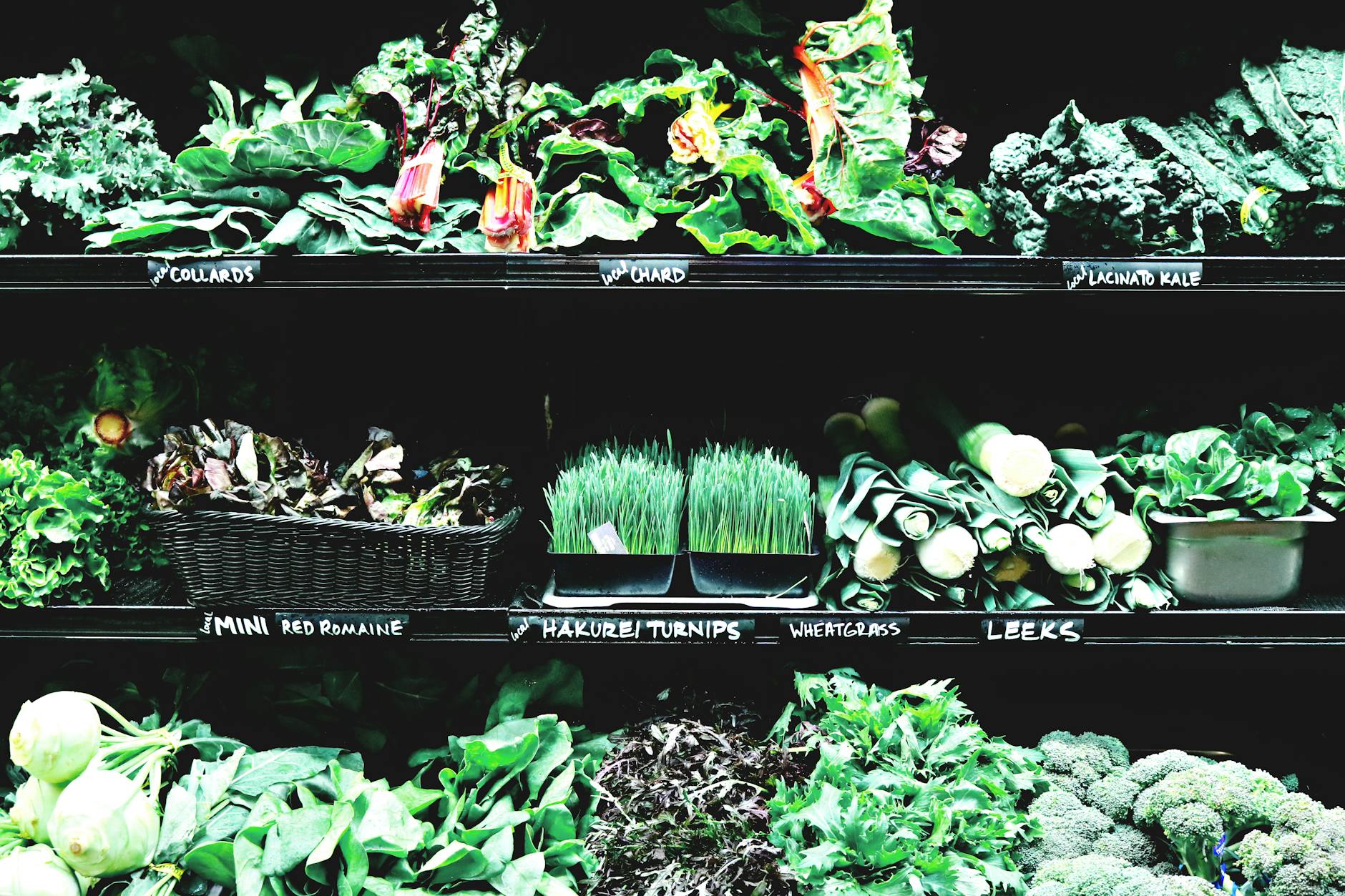
Rather than risking digestive upset with kale, consider offering cat-safe alternatives that actually align with feline nutrition. Cooked pumpkin, for instance, provides fiber and is genuinely beneficial for digestive health in cats. cooked chicken or turkey satisfies their curiosity about your food while meeting their actual nutritional needs.
If your cat enjoys crunchy textures, specially formulated dental treats designed for cats accomplish the goal without the plant matter risks. For cats interested in “green” foods, a small amount of cooked zucchini or cucumber is far safer than kale, though still unnecessary if your cat’s diet is otherwise complete. Some cats enjoy the texture of cooked sweet potato or carrot, and these are lower-risk options that at least provide some fiber without the mineral concerns. The key difference is that these alternatives won’t negatively impact your cat’s urinary or digestive health.
Specific Risks for Vulnerable Cats
Kale poses elevated risks for cats with pre-existing health conditions, particularly those with urinary tract disease, kidney disease, or bleeding disorders. Male cats are especially susceptible to urinary blockages and crystal formation, making foods with high mineral content or oxalates problematic. If your cat has a history of idiopathic cystitis or urinary issues, kale should be completely avoided.
Senior cats with compromised digestive systems should also skip kale entirely. Aging cats have less efficient digestion overall, and introducing foods they can’t process simply strains their system further without benefit. Kittens under one year old likewise have developing digestive systems that don’t need additional stress from inappropriate foods.
What to Do If Your Cat Ate Kale
If your cat stole a bite or two of your kale salad, don’t panic—this single exposure is unlikely to cause problems. Monitor your cat for the next 24 hours for signs of vomiting, diarrhea, loss of appetite, or lethargy. Most cats will simply pass the kale through their system uneventfully.
You don’t need to contact a veterinarian unless your cat shows persistent digestive upset lasting more than a few hours. If your cat consumed a large handful of kale or shows signs of distress, contact your vet. They can determine whether supportive care is needed or if this was just an unfortunate food adventure that will resolve on its own.
Creating a Cat-Safe Kitchen Environment
The best approach is to prevent access to kale and other inappropriate foods rather than relying on your cat’s judgment or recovery. Store fresh vegetables in sealed containers they can’t access, and educate family members about what constitutes safe cat foods.
Many people assume that because a food is healthy for humans, it must be safe for cats, so clear communication helps prevent accidental exposures. Looking forward, pet nutrition science continues evolving, and new research may reveal unexpected benefits or risks in certain foods. For now, the safest stance is to stick with feline-formulated diets—whether commercial cat food or whole-prey options—that have been specifically designed around cats’ biological needs rather than experimenting with human foods.
Conclusion
Kale is not toxic to cats, but it’s also not recommended or beneficial for them. Your cat’s digestive system isn’t equipped to process plant matter efficiently, and the mineral content in kale can actually contribute to urinary and kidney issues with regular consumption. The occasional accidental exposure to a kale leaf or two won’t harm your cat, but intentionally adding it to their diet is unnecessary and potentially problematic.
Focus instead on offering your cat foods aligned with their carnivorous biology and proven nutritional needs. If you’re concerned about your cat’s nutrition, digestive health, or recurring interest in inappropriate foods, consult your veterinarian. They can rule out underlying medical conditions and recommend species-appropriate alternatives that support your cat’s long-term health and wellbeing.
Frequently Asked Questions
Is kale toxic to cats?
No, kale itself is not toxic, but it’s also not recommended. It offers minimal nutrition and can cause digestive upset or contribute to health issues with regular consumption.
What should I do if my cat ate kale?
Monitor for vomiting or diarrhea. A small amount usually passes through the system without issue. Contact your vet only if your cat shows persistent symptoms.
Are there safe vegetables I can give my cat?
Small amounts of cooked pumpkin, zucchini, or cucumber are safer options, though cats don’t require vegetables. Focus on meat-based nutrition instead.
Why does my cat eat plants if they’re carnivores?
Cats sometimes seek plants out of curiosity, boredom, or occasionally to help with digestion. It doesn’t mean they need vegetables in their diet.
Can kale cause urinary issues in cats?
Regular consumption of high-mineral vegetables like kale may contribute to urinary crystal formation or blockages, especially in male cats predisposed to these problems.
Is cooked kale safer than raw kale for cats?
Cooked kale still offers no nutritional benefit and carries similar digestive concerns, so cooking doesn’t make it a recommended food for cats.