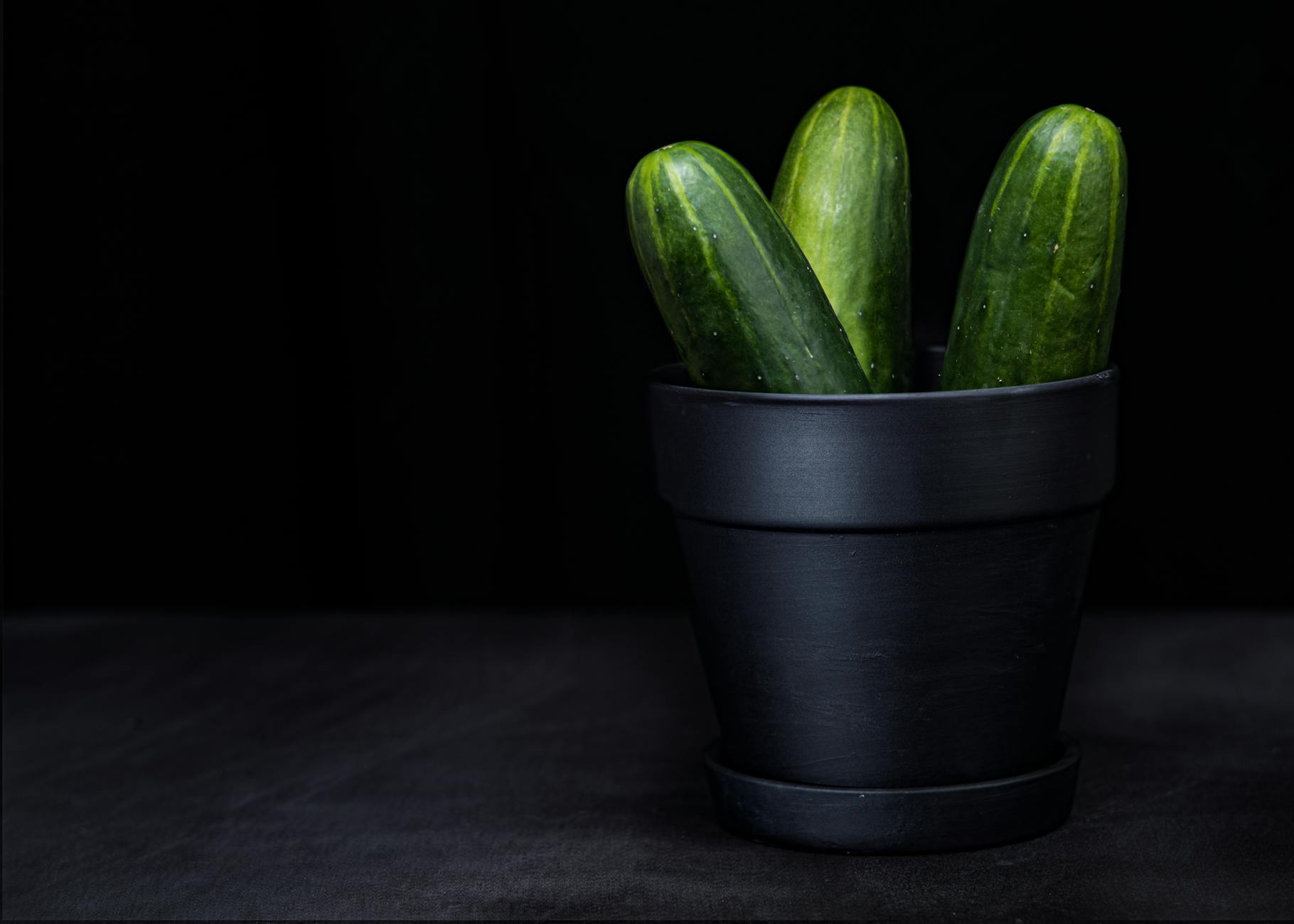
Yes, it is safe for cats to eat cucumbers in small amounts. Cucumbers are non-toxic to felines and contain no compounds that will poison or harm your cat. Many cats can nibble on cucumber slices without any adverse effects, making it a low-risk vegetable to offer as an occasional treat.
However, safety doesn’t automatically mean cucumbers are ideal for your cat’s diet, and moderation is essential. Most cats show little interest in cucumbers, which is typical feline behavior since they lack taste receptors for sweetness and tend to prefer protein-based foods. If your cat does eat a piece of cucumber you’ve dropped on the kitchen floor or takes interest in the vegetable, there is no need to panic or rush to a veterinarian. The main considerations with cucumbers are about portion size, frequency, and ensuring they don’t displace more nutritionally important foods from your cat’s diet.
Table of Contents
- Can Cats Safely Consume Cucumber Without Risk?
- Nutritional Value and Dietary Considerations for Felines
- Why Some Cats Are Startled by Cucumbers
- Preparing and Serving Cucumbers Safely to Your Cat
- Digestive Health and Potential Complications
- Hydration and Water Content Considerations
- The Role of Environmental Enrichment and Cat Wellness
- Conclusion
- Frequently Asked Questions
Can Cats Safely Consume Cucumber Without Risk?
Cucumbers are completely safe because they contain no toxic compounds for cats. Unlike some foods dangerous to felines—such as onions, garlic, grapes, and chocolate—cucumbers pose no poisoning risk. The vegetable is composed mostly of water (about 95%), making it essentially harmless if a cat ingests a small amount. Veterinarians generally classify cucumbers as a non-toxic food that cats can consume without concern.
That said, safety exists on a spectrum. While a cat can eat a small slice of cucumber without harm, larger quantities or frequent consumption could potentially cause digestive upset. Some cats may experience mild stomach discomfort, diarrhea, or vomiting if they eat too much of any new food, including cucumbers. A good example is a cat that eats an entire raw cucumber; while not poisoning them, the high water content and fiber could lead to loose stools or digestive irritation.
Nutritional Value and Dietary Considerations for Felines
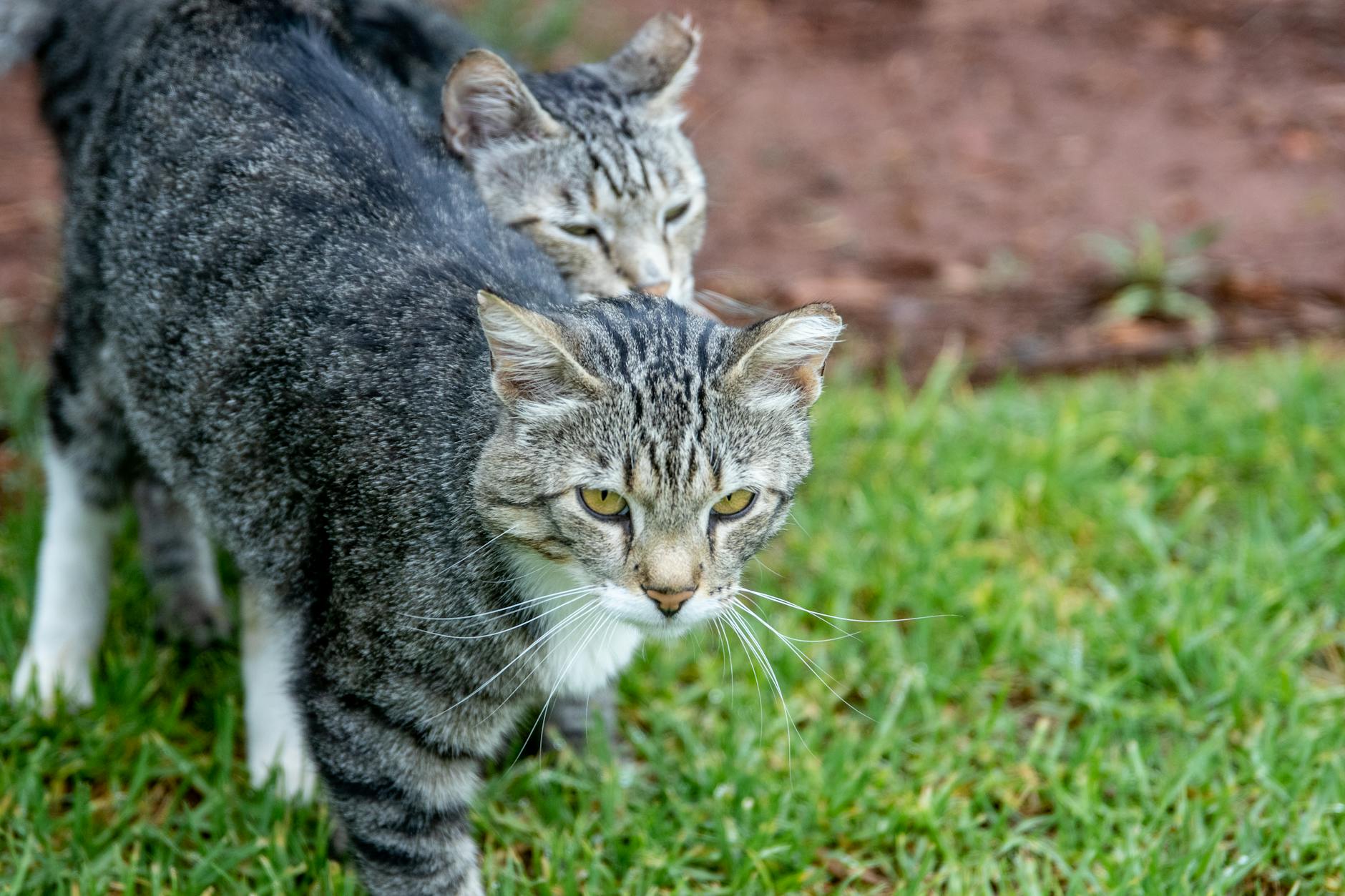
Cucumbers offer virtually no nutritional benefit to cats. The vegetable is predominantly water with minimal protein, fat, or essential amino acids—all nutrients critical for feline health. Cats are obligate carnivores, meaning they require meat-based proteins and have evolved to derive nutrition almost exclusively from animal sources. A cucumber slice provides almost no calories, vitamins, or minerals that cats cannot obtain far more efficiently from their regular food.
One significant limitation is that offering cucumbers as a “healthy treat” can create a false sense of nutritional contribution. If a cat fills even a small portion of its daily caloric intake with low-nutrient foods like cucumbers, it may consume less of its balanced commercial or home-prepared diet. This substitution effect is particularly concerning for kittens, senior cats, or cats with specific health conditions requiring precise nutritional management. For example, an overweight cat might actually benefit from water-rich, low-calorie foods, but even then, cucumber should never replace a properly formulated diet designed for weight management.
Why Some Cats Are Startled by Cucumbers
Some cats display an exaggerated fear response to cucumbers, which has become a widespread internet trend. owners place cucumbers behind unsuspecting cats, causing the animal to jump or startle in apparent fright. This reaction occurs because cucumbers can resemble snakes in a cat’s peripheral vision, triggering an instinctive defensive response.
A sudden, unexpected object appearing behind a cat naturally causes alarm. However, this behavior highlights an important point: repeated startle responses can create stress and anxiety in cats. If your cat is naturally fearful, intentionally frightening them with cucumbers is counterproductive to their emotional well-being. Some cats may develop lasting anxiety about their food or water bowls if cucumbers are repeatedly placed near them as a “prank.” A better approach is allowing your cat to encounter cucumbers naturally, at their own pace, if you choose to offer them as a treat.
Preparing and Serving Cucumbers Safely to Your Cat
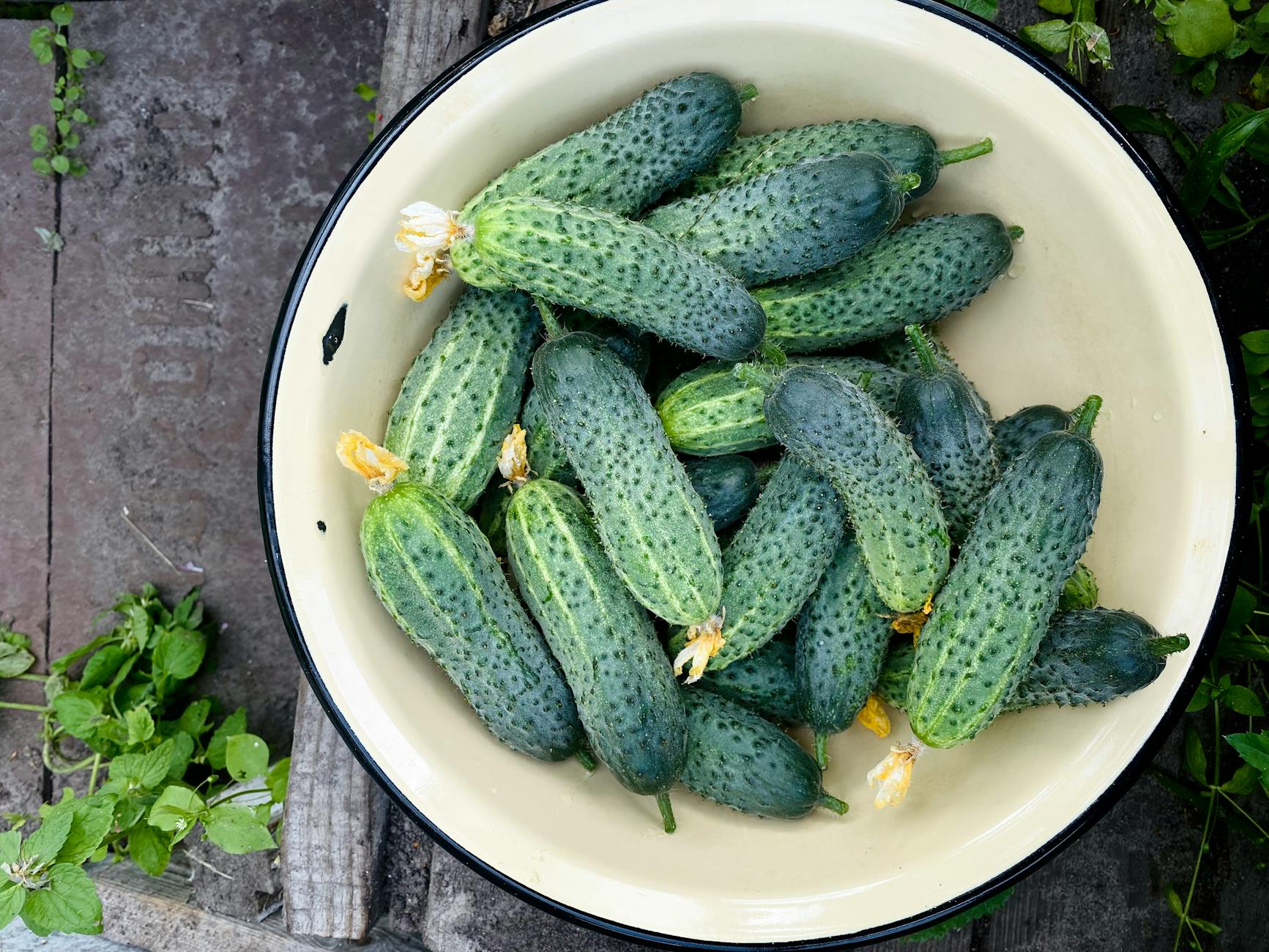
If you decide to offer cucumber to your cat, preparation matters. Fresh, raw cucumbers are preferable to pickled varieties, which contain salt, vinegar, and preservatives that are not appropriate for feline consumption. Simply slice a small piece—approximately the size of a cat treat—from a fresh, pesticide-free cucumber and offer it directly or place it in your cat’s bowl. Some cats may take interest and nibble; others will ignore it entirely.
The key tradeoff is between enrichment and nutritional necessity. Offering a small cucumber slice occasionally might provide mild enrichment through novel texture or as a water-based snack on a hot day, but it should never constitute a significant portion of your cat’s diet. Compare this to offering a proper cat treat formulated for feline nutrition: the commercial treat typically provides balanced nutrients, digestive benefits, or dental advantages. Cucumber offers none of these, making it an enrichment item at best rather than a nutritional choice. Most veterinarians recommend limiting any non-standard foods to no more than 10% of daily calories.
Digestive Health and Potential Complications
Some cats develop mild digestive upset when introduced to new foods, even safe ones like cucumbers. Vomiting or diarrhea can occur if a cat eats too much, eats it too quickly, or has a particularly sensitive digestive system. Cats with underlying gastrointestinal conditions, inflammatory bowel disease, or those taking specific medications may be more prone to adverse reactions. If your cat has a history of digestive sensitivities, it’s wise to consult your veterinarian before introducing any new food, even vegetable-based treats.
Additionally, choking is a minor but real concern if your cat doesn’t chew properly or if cucumber pieces are too large. Cats are not natural vegetable eaters and may not instinctively break down plant matter before swallowing. A warning sign that your cat has swallowed a piece too quickly is gagging, excessive drooling, or difficulty eating afterward. While actual choking requiring emergency intervention is rare with soft vegetables like cucumber, it remains a consideration for cats that bolt food without proper chewing.
Hydration and Water Content Considerations
Cucumbers are over 95% water, which can be either beneficial or problematic depending on your cat’s hydration status. Cats naturally have a low thirst drive compared to dogs, and many house cats do not drink adequate water. Introducing water-rich foods like cucumber might slightly increase overall fluid intake.
For a cat prone to urinary issues or dehydration, a small amount of cucumber could provide supplementary hydration. However, water content is not a reliable substitute for ensuring your cat has constant access to fresh drinking water. A cat that fills its stomach with water-based food may feel satiated without meeting actual nutritional needs. The more effective approach to feline hydration is offering multiple water bowls throughout your home, investing in a cat water fountain, or feeding wet food as a primary diet component rather than relying on vegetables.
The Role of Environmental Enrichment and Cat Wellness
Beyond nutrition, cucumber’s role in your cat’s life centers on enrichment and bonding. If your cat shows genuine curiosity about the vegetable, allowing controlled exploration of this novel item can provide mild mental stimulation. The act of investigating, sniffing, and gently investigating a cucumber is harmless enrichment for an indoor cat.
This interaction differs entirely from using cucumbers as a prank tool, which undermines rather than supports feline well-being. As feline nutrition science continues to advance, the emphasis remains on species-appropriate whole foods: high-quality protein, balanced amino acid profiles, and formulations developed specifically for cats. While a single cucumber slice will not harm your cat, the trend toward treating cats like omnivorous pets parallels rising rates of feline obesity and dietary disease. Prioritizing nutritionally complete cat foods and limiting treats to specifically formulated options remains the most evidence-based approach to feline health.
Conclusion
Cucumbers are safe for cats to eat in small quantities but offer minimal nutritional value and should never replace balanced feline nutrition. A small, fresh slice offered occasionally will not harm a healthy adult cat. The decision to offer cucumber to your cat is ultimately a personal one based on your cat’s individual health status, digestive sensitivity, and your interest in providing environmental enrichment.
If your cat shows interest in cucumbers, offering small amounts poses no risk. However, focus your primary feeding efforts on species-appropriate nutrition, adequate hydration through water and wet food, and avoiding the many foods that are genuinely toxic to cats. Consult your veterinarian before introducing any new foods if your cat has underlying health conditions, and always prioritize your cat’s established, balanced diet as the foundation of good feline health.
Frequently Asked Questions
Will a cucumber make my cat sick?
No, a small amount of fresh cucumber will not make a healthy cat sick. Cucumbers are entirely non-toxic to cats, though some individuals may experience mild digestive upset if they consume large quantities or if they have sensitive stomachs.
How much cucumber can I safely give my cat?
Limit cucumber to small slices, perhaps one or two pieces, offered occasionally as enrichment rather than a regular treat. It should never constitute more than 10% of your cat’s daily caloric intake.
Why do some cats get scared of cucumbers?
Cats may perceive cucumbers as snake-like objects when they appear suddenly in their peripheral vision, triggering a natural startle response. This is normal feline behavior but should not be exploited through repeated “pranking.”
Is pickled cucumber safe for cats?
No, pickled cucumbers contain salt, vinegar, and preservatives that are not appropriate for cats. Stick to fresh, raw cucumbers only if you choose to offer them.
Should I give my cat cucumber for hydration?
While cucumber’s high water content adds minimal hydration, it is not a reliable way to increase your cat’s fluid intake. Ensure constant access to fresh water and consider wet food as a more nutritionally balanced hydration source.
Are there better vegetable options for cats?
Most cats do not require vegetables in their diet. If you want to offer plant-based items for enrichment, cooked pumpkin or small amounts of cooked carrots are sometimes better tolerated, though even these should be given sparingly and only after veterinary approval.