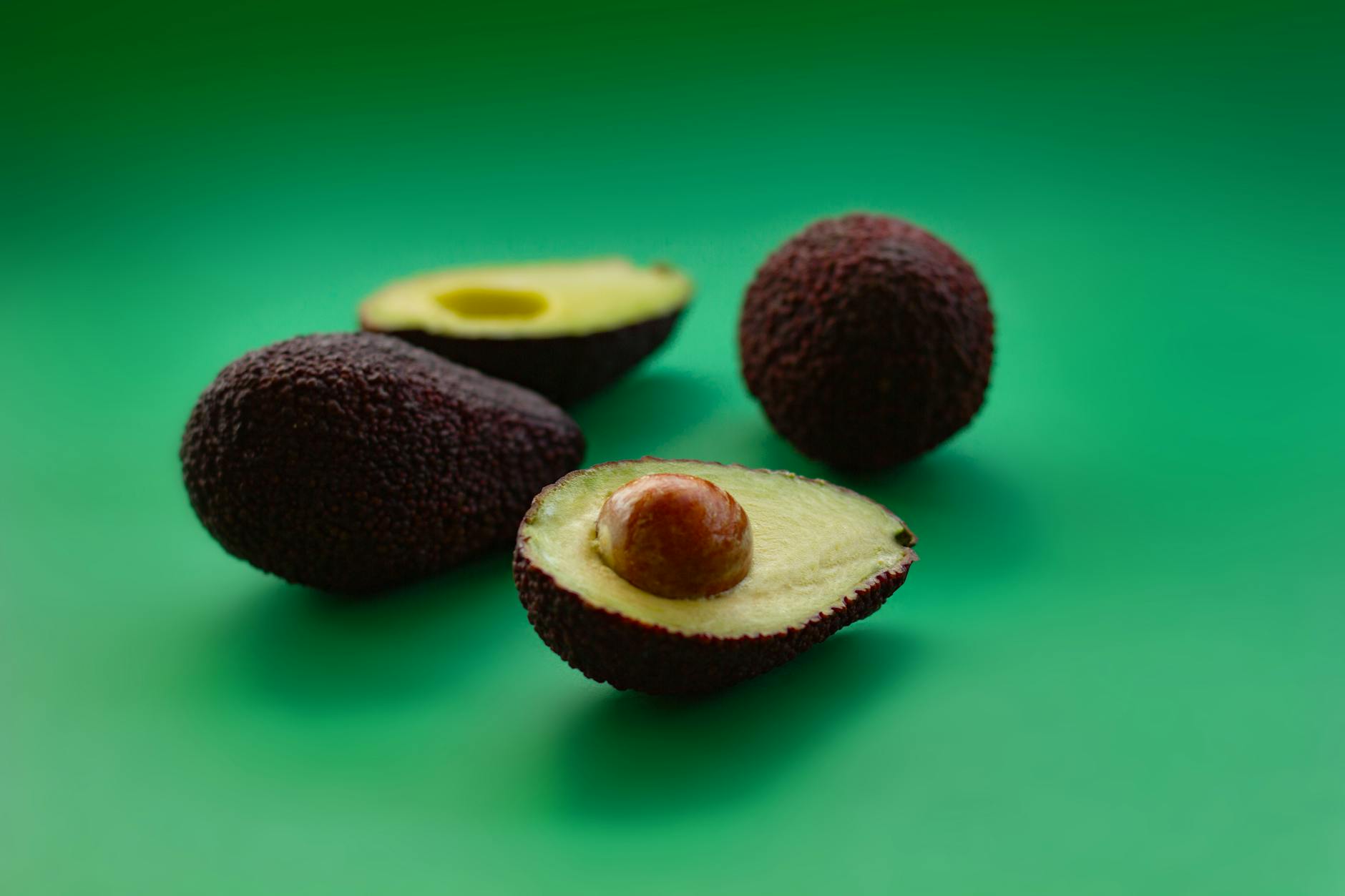
No, it is not safe for cats to eat avocado. Avocado contains a compound called persin, which is toxic to cats and can cause serious health problems ranging from mild gastrointestinal upset to more severe complications. Even though avocado is often promoted as a healthy food for humans, it poses a genuine risk to feline health that pet owners need to understand and avoid.
A cat that accidentally eats a slice of avocado from your salad or toast might show signs of distress within hours, making it critical to know what to watch for. The toxicity of avocado to cats isn’t just a theoretical concern—veterinarians regularly treat cats that have ingested this popular fruit. Unlike some foods that are only dangerous in large quantities, avocado’s threat to cats exists at relatively modest intake levels. The severity of poisoning can vary depending on the amount consumed, the cat’s size and health status, and which part of the avocado was eaten, with the seed and pit being the most concentrated sources of persin.
Table of Contents
- WHY IS AVOCADO TOXIC TO CATS?
- SIGNS AND SYMPTOMS OF AVOCADO POISONING IN CATS
- DIFFERENT PARTS OF THE AVOCADO CARRY DIFFERENT RISKS
- WHAT TO DO IF YOUR CAT EATS AVOCADO
- ACCIDENTAL EXPOSURE AND HOUSEHOLD PREVENTION
- HEALTHY ALTERNATIVES FOR YOUR CAT
- LONG-TERM PREVENTION AND AWARENESS
- Conclusion
- Frequently Asked Questions
WHY IS AVOCADO TOXIC TO CATS?
Persin is a naturally occurring fungicidal toxin found throughout the avocado plant, with the highest concentrations in the seed and skin, moderate levels in the flesh, and smaller amounts in the leaves. This compound causes damage to the cardiovascular and digestive systems of cats by interfering with cellular processes and causing inflammation. The reason persin affects cats so severely while humans can tolerate it comes down to the differences in their metabolic processes—cats lack certain enzymatic pathways that allow humans to break down and eliminate persin safely.
Research has shown that as little as 100 grams of avocado flesh can cause symptoms in a cat, while the seed or pit is far more dangerous. A medium avocado weighs roughly 150 grams, meaning even a moderate portion of the flesh contains enough persin to trigger a toxic response. The pit, however, presents an even greater danger because it can cause mechanical obstruction in the digestive tract in addition to its high persin content, making accidental ingestion of a pit a veterinary emergency requiring immediate intervention.
SIGNS AND SYMPTOMS OF AVOCADO POISONING IN CATS
When a cat ingests avocado, symptoms typically appear within a few hours and can escalate rapidly depending on the amount consumed. Common early signs include vomiting, diarrhea, abdominal pain, and loss of appetite—symptoms that might initially seem like a simple stomach upset but warrant immediate veterinary attention. In more severe cases, cats may experience difficulty breathing, abnormal heart rhythms, weakness, or collapse. One important limitation to understand is that symptom severity doesn’t always correlate directly with the amount eaten; individual cats metabolize toxins differently, so a cat that eats a small amount might show severe symptoms while another cat might show milder signs.
The cardiovascular effects of avocado poisoning are particularly concerning because they can develop gradually and become serious without obvious warning signs. A cat experiencing heart involvement might display lethargy, pale gums, rapid or labored breathing, or reluctance to move. The digestive damage can lead to inflammation of the stomach and intestines, causing prolonged vomiting and diarrhea that leads to dehydration. Any suspicion of avocado ingestion should prompt an immediate call to a veterinarian, as there is no specific antidote for persin poisoning—treatment focuses on supportive care while the cat’s body eliminates the toxin.
DIFFERENT PARTS OF THE AVOCADO CARRY DIFFERENT RISKS
The pit or seed represents the most dangerous component of an avocado and demands special caution, particularly in households with curious cats. If a cat chews on an avocado pit, they face both direct persin toxicity and the risk of intestinal obstruction, which can be a surgical emergency requiring immediate removal. The pit is also a choking hazard and can splinter if bitten, creating additional trauma to the mouth and esophagus. Many cases of avocado toxicity actually stem from cats finding discarded pits in trash cans rather than eating flesh directly, so proper disposal of avocado waste is as important as preventing direct access to the fruit.
The skin of the avocado, while less toxic than the seed, still contains significant concentrations of persin and should never be offered to cats. Some people mistakenly assume that offering only the inner flesh is safe, but even this carries risk. The distinction is important because it means that truly safe avocado exposure for a cat is essentially zero—the safest approach is complete avoidance of all avocado parts. This contrasts with some foods that are safe in moderation; with avocado, moderation still means potential harm.
WHAT TO DO IF YOUR CAT EATS AVOCADO
If you suspect your cat has eaten avocado, the first step is to contact your veterinarian immediately, providing as much detail as possible about what was consumed and when. Try to determine roughly how much avocado was eaten and which part—a small taste of flesh carries a lower risk than a substantial amount or any consumption of the pit. Your veterinarian may recommend induced vomiting if the exposure was very recent, or they might suggest monitoring and supportive care depending on the timing and amount. An important tradeoff to understand is that inducing vomiting can sometimes cause additional trauma to the stomach lining, so your vet will weigh whether this intervention is beneficial based on your specific situation.
If your cat shows any symptoms like vomiting, diarrhea, or difficulty breathing, don’t wait to see if they improve on their own—head to an emergency veterinary clinic immediately. Supportive care typically involves IV fluids to maintain hydration, anti-nausea medication if needed, and monitoring for complications. Recovery time varies depending on the severity of poisoning, with mild cases resolving within days and more serious cases requiring extended veterinary care. Having your cat seen promptly significantly improves the prognosis and reduces the risk of serious complications developing.
ACCIDENTAL EXPOSURE AND HOUSEHOLD PREVENTION
Most cases of avocado toxicity in cats result from accidental rather than intentional exposure, highlighting the importance of prevention strategies in your home. Cats can access avocados left on counters, tables, or in trash cans, and some cats are particularly drawn to the creamy texture and smell. If you regularly eat avocado, establish a habit of immediately securing all pit and skin remnants in a sealed trash container kept out of reach of curious cats.
A warning about guacamole and avocado-based dishes: even processed avocado preparations can contain persin, so never assume that mashed or mixed avocado is safer than whole fruit. Pet sitters and guests should also be informed about your household’s avocado policy if your cat has a tendency to beg for human foods. Some cats learn to recognize and be attracted to avocado specifically, making them persistent scavengers if given even one opportunity to taste it. The limitation of relying on your cat’s natural food preferences is that some cats will eat avocado if available, even though it’s not part of their natural diet—taste preference doesn’t protect them from toxicity, which is why environmental control is the most effective prevention method.

HEALTHY ALTERNATIVES FOR YOUR CAT
If you’re drawn to offering your cat novel foods to enrich their diet, there are genuinely safe options that won’t pose health risks. Cooked chicken, turkey, or fish (prepared without added seasonings, garlic, or onions) provide protein and satisfaction without toxicity concerns.
Certain vegetables like cooked carrots, steamed broccoli, or plain pumpkin can offer nutrition and digestive benefits without the dangers present in avocado. Some cats enjoy small amounts of cooked sweet potato or green beans, which provide fiber and nutrients. These alternatives satisfy the impulse to offer your cat human foods while keeping them safe.
LONG-TERM PREVENTION AND AWARENESS
As a cat owner, building awareness of toxic foods is one of the most valuable health investments you can make for your pet’s long-term wellbeing. Avocado represents just one of several foods that carry genuine risks for cats, including chocolate, grapes, raisins, onions, and garlic—developing a mental framework of which foods pose risks helps you make quick decisions when your cat has access to something questionable. The increasing popularity of avocado in mainstream diets means more households have this fruit available, underscoring why prevention awareness needs to be actively maintained rather than assumed knowledge.
Conclusion
Avocado is not safe for cats under any circumstances, and complete avoidance is the only appropriate approach. The persin toxin present throughout the fruit, with particularly high concentrations in the seed and skin, can cause serious harm ranging from gastrointestinal distress to cardiac complications. Understanding the specific risks and maintaining environmental controls that prevent accidental exposure represents responsible pet ownership and protects your cat from a preventable health crisis.
If your cat has eaten avocado or you’re uncertain whether exposure has occurred, contact your veterinarian immediately rather than waiting to see if symptoms develop. Focus on prevention through proper food storage, secure trash management, and educating family members and visitors about the dangers. Your cat’s health depends on the decisions you make about what food sources remain accessible in your home, making avocado avoidance a straightforward but important safety practice.
Frequently Asked Questions
Can cats eat a small amount of avocado and be fine?
No. While a very tiny taste might not cause severe symptoms, even small amounts of avocado contain persin and carry risk. There is no established safe serving size for cats, and individual sensitivity varies, making it impossible to predict whether a small amount will cause problems in your specific cat.
Is avocado oil safe for cats?
Avocado oil is extracted from the fruit and may contain lower levels of persin than whole avocado, but veterinary consensus still recommends avoiding it as a precaution. The safer approach is to use cat-appropriate oils or skip oil altogether rather than taking the risk.
What if my cat ate avocado a few days ago and seems fine now?
If your cat showed no symptoms and consumed only a very small amount of flesh (not pit or skin), they may have been fortunate to avoid serious poisoning. However, monitor closely for any delayed symptoms including changes in appetite, lethargy, or digestive issues, and inform your veterinarian at your next visit. Delayed symptoms can occasionally develop, so veterinary awareness helps ensure nothing is missed.
Are all avocado varieties equally toxic to cats?
Yes. Toxicity to cats is consistent across all avocado varieties—Hass, Fuerte, Bacon, and other cultivars all contain persin. Geographic origin or size variation doesn’t change the fundamental toxicity risk for felines.
Can kittens eat avocado if it’s their first time?
No. Age and prior exposure make no difference to avocado toxicity in cats. Kittens are not protected by inexperience and may actually be at higher risk due to their smaller body size, meaning the same amount of avocado represents a larger dose relative to their weight.