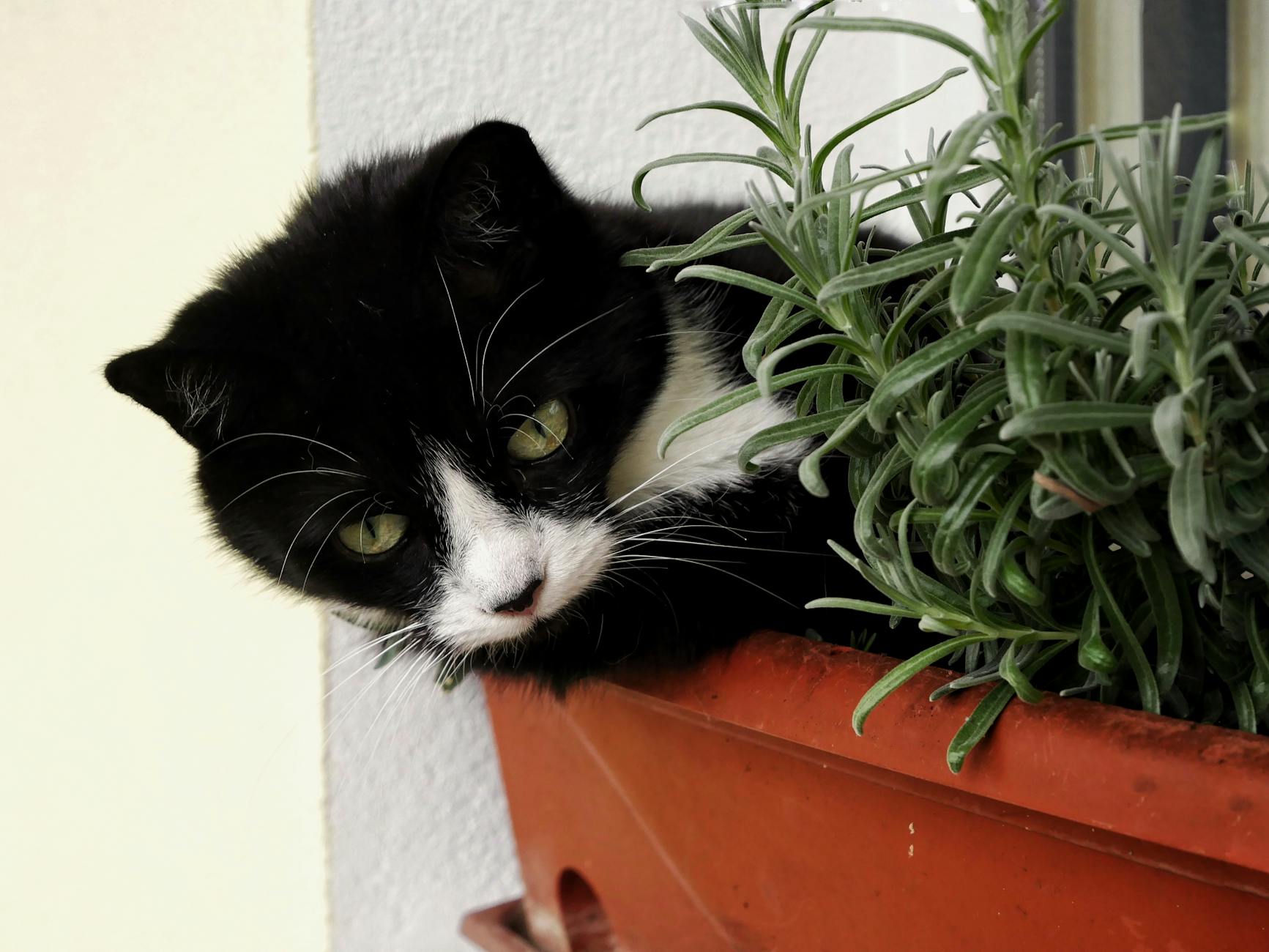
Parsley is generally safe for cats to eat in small amounts, but it’s important to understand the nuances of feline herb consumption before adding it to your cat’s diet. While some herbs can provide modest nutritional benefits, cats are obligate carnivores whose digestive systems aren’t designed to extract significant nutrition from plant matter. The bigger concern isn’t necessarily parsley itself, but rather how much a cat consumes and which specific type of parsley you’re offering.
For example, if your cat nibbles a small leaf of fresh parsley that falls from your salad, this poses minimal risk, but regular or large consumption could lead to digestive upset or other issues. Cats lack certain enzymes and taste receptors that allow them to process plant matter as efficiently as humans do. When considering adding any herb to your cat’s diet—whether it’s parsley, basil, or mint—the key principle is moderation and awareness of potential risks. While parsley contains some beneficial compounds like vitamins A and K, cats receive these nutrients far more efficiently from their natural diet of meat and fish.
Table of Contents
- WHICH TYPES OF PARSLEY ARE SAFE FOR CATS?
- TOXICITY CONCERNS AND DIGESTIVE RISKS
- SAFE HERBS VERSUS DANGEROUS ONES FOR CATS
- PRACTICAL GUIDELINES FOR OFFERING HERBS TO CATS
- DIGESTIVE SYMPTOMS AND WHEN TO SEEK VETERINARY CARE
- FRESH VERSUS DRIED PARSLEY AND OTHER PREPARATION CONCERNS
- VETERINARY PERSPECTIVES ON HERB SUPPLEMENTATION FOR CATS
- Conclusion
WHICH TYPES OF PARSLEY ARE SAFE FOR CATS?
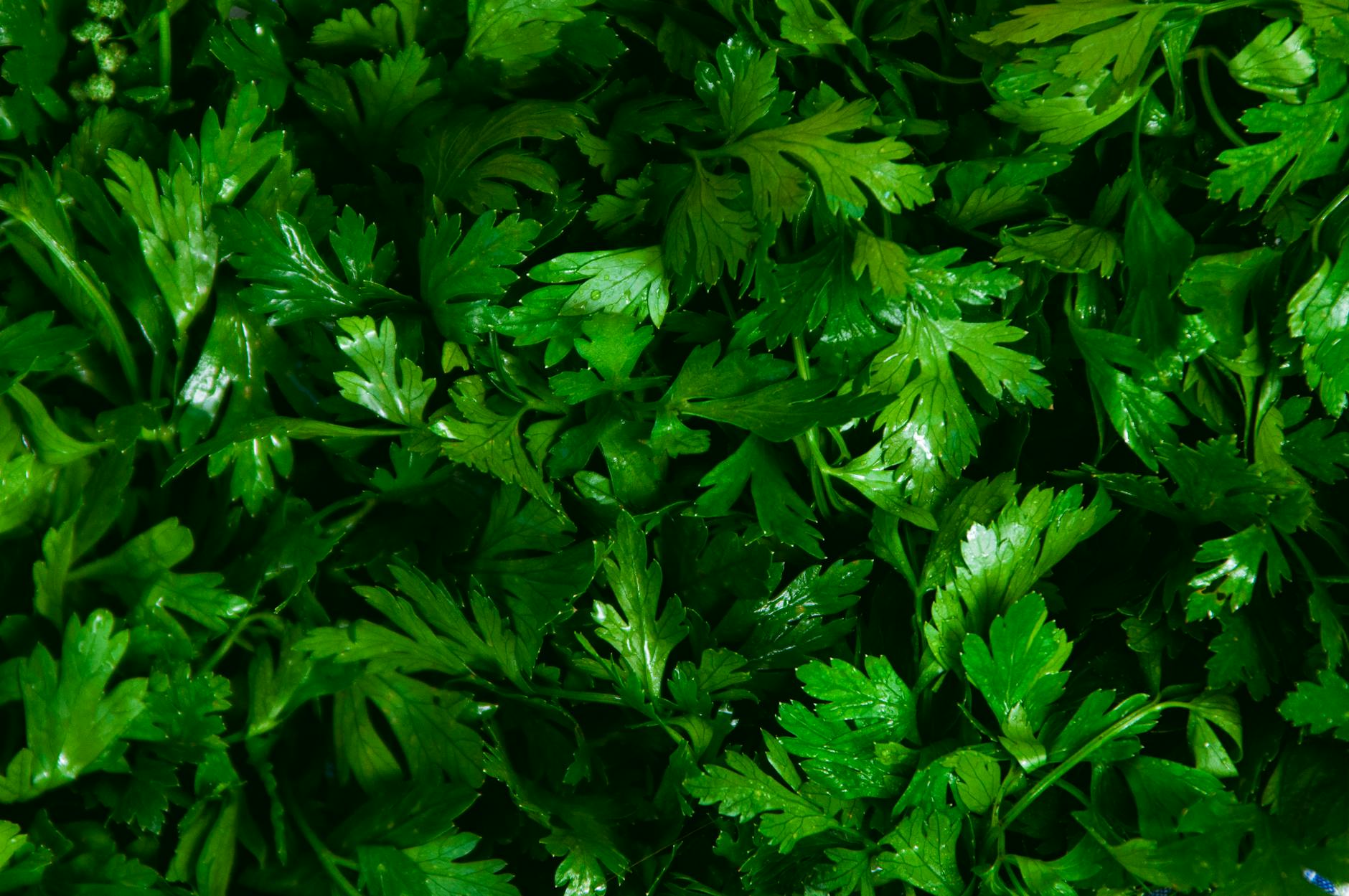
There are two main types of parsley that you might encounter: flat-leaf (Italian) parsley and curly-leaf parsley. Both varieties are technically non-toxic to cats at small doses, though curly-leaf parsley poses a slightly greater concern because it contains essential oils that can cause more pronounced digestive irritation when consumed in larger quantities. If your cat were to nibble a few leaves of flat-leaf parsley from your kitchen counter, the risk would be minimal. The danger increases dramatically with curly parsley if a cat were to consume a significant portion—though this is rare in household settings since cats typically aren’t attracted to it.
The distinction between fresh and dried parsley matters significantly. Dried parsley concentrates the plant’s compounds, making even small amounts more potent. A cat that might tolerate a fresh leaf without incident could experience GI upset from the equivalent amount of dried parsley. Additionally, parsley seed and parsley essential oil—sometimes used in concentrated supplements or aromatherapy products—should be kept completely away from cats and are never appropriate for feline consumption.
TOXICITY CONCERNS AND DIGESTIVE RISKS
While parsley isn’t classified as highly toxic to cats like lilies or chocolate, it does contain compounds called furanocoumarins that can cause gastrointestinal irritation and potentially affect the central nervous system with excessive consumption. The practical risk depends on quantity: a cat that occasionally licks a fresh parsley leaf will likely experience no symptoms, but a cat that consumed parsley regularly or in large amounts could develop nausea, vomiting, diarrhea, or loss of appetite. One important limitation to understand is that individual cats vary in their sensitivity—what one cat tolerates without issue might upset another cat’s stomach.
The biggest risk period for parsley-related problems is during pregnancy or lactation in female cats, as the herb can potentially stimulate uterine contractions. Furthermore, cats with existing kidney disease, liver disease, or other chronic conditions should absolutely avoid parsley, as their compromised organ function makes them more vulnerable to adverse effects from plant compounds. Pet owners often underestimate how plant consumption compounds existing health vulnerabilities in their cats.
SAFE HERBS VERSUS DANGEROUS ONES FOR CATS
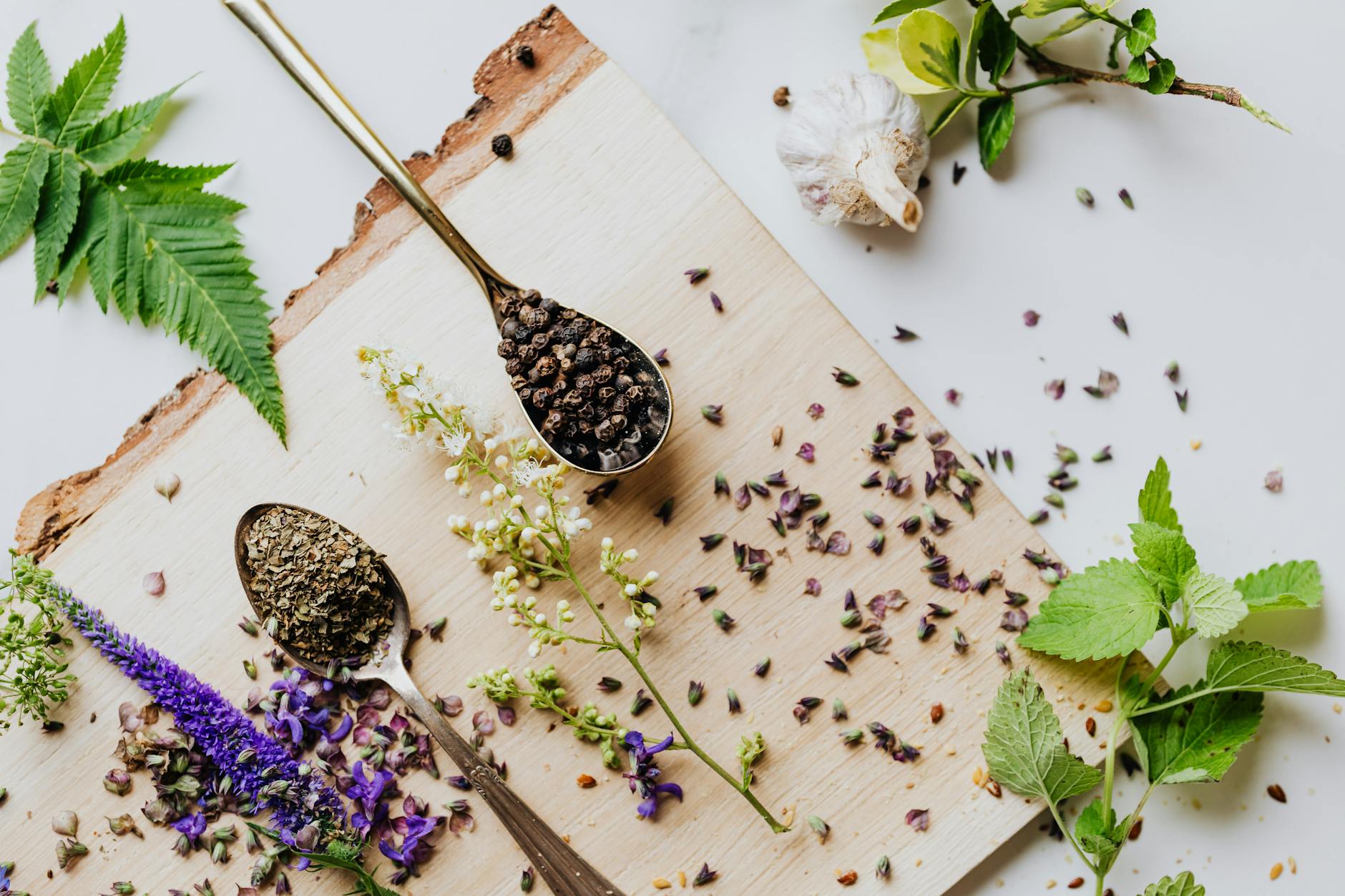
Understanding which herbs are actually safe for cats helps prevent accidental poisoning with more dangerous alternatives. Truly safe herbs that cats can occasionally consume include cat grass (which they naturally seek out), cat thyme, valerian, and catnip—though even these should be offered sparingly. By contrast, herbs that are genuinely toxic and should never be given to cats include lilies, marijuana, mint in excessive amounts, and essential oils from oregano, thyme, or citrus. Many cat owners accidentally expose their pets to dangerous herbs while trying to provide “natural” health benefits, not realizing that an herb’s safety for humans doesn’t guarantee safety for felines.
The difference in feline metabolism means that herbs processed safely through a human digestive system will behave differently in a cat. For instance, garlic and onions in small amounts might not harm a cat significantly, but they’re still preferable to avoid entirely. Similarly, while some cats show interest in herbs like basil, feeding them regularly could lead to cumulative effects that owners don’t immediately recognize as herb-related. The safer approach is to recognize that cats don’t need herbs for health—they need appropriate feline nutrition.
PRACTICAL GUIDELINES FOR OFFERING HERBS TO CATS
If you’ve decided that occasional herb consumption is something you want to allow, follow these practical guidelines: offer only small amounts of fresh (not dried) parsley, limit consumption to once or twice weekly at most, and always supervise your cat when it’s around herbs. The comparison to table scraps is apt—just as most veterinarians recommend keeping table food to less than 10% of a cat’s daily caloric intake, any herb consumption should be an extremely minor part of their diet. Never assume that because herbs are natural, they’re beneficial for cats or that more is better.
Most importantly, ensure that the parsley hasn’t been treated with pesticides, herbicides, or other chemicals. Herbs grown organically in a home garden are far safer than parsley from grocery stores unless you’re certain it was grown without chemical treatments. The tradeoff is that offering your cat access to fresh, organic parsley means growing it yourself or sourcing it from truly verified organic suppliers—a level of effort that many cat owners won’t invest in for such minimal potential benefit.
DIGESTIVE SYMPTOMS AND WHEN TO SEEK VETERINARY CARE
If your cat has consumed parsley and develops vomiting, diarrhea, excessive salivation, or loss of appetite, contact your veterinarian promptly. The warning here is that cats are stoic animals that often hide signs of illness until problems are severe, so you may not notice symptoms immediately. Watch your cat closely for 24-48 hours after any herb consumption for changes in behavior, appetite, or litter box habits. Some cats might experience only mild stomach upset that resolves within hours, while others could have more pronounced reactions that require veterinary intervention.
One important limitation is that individual sensitivity varies considerably based on the cat’s age, health status, weight, and genetic predisposition. A kitten or senior cat will have a much lower threshold for adverse effects than a healthy adult cat. Cats with sensitive stomachs, inflammatory bowel disease, or history of dietary indiscretion are particularly at risk and should have no parsley exposure at all. If your cat has previously had reactions to plant material, it’s even more important to keep herbs away from it.
FRESH VERSUS DRIED PARSLEY AND OTHER PREPARATION CONCERNS
Fresh parsley is always preferable to dried parsley if you choose to offer herbs at all, since drying concentrates the essential oils and compounds that cause digestive upset. If you’re preparing your own meals that include parsley and your cat begs for a taste, offering a single fresh leaf is considerably safer than any amount of dried parsley powder or flakes.
However, the reality is that most cats aren’t particularly interested in parsley—unlike catnip or cat grass, parsley doesn’t trigger the same instinctive interest in felines. Cooking parsley changes its composition and typically makes it less potent, but cooked herbs are still not ideal for cats. If you’ve cooked parsley as part of a human dish and your cat steals a small bite, this is usually not a cause for panic, though it’s still something to monitor.
VETERINARY PERSPECTIVES ON HERB SUPPLEMENTATION FOR CATS
Modern veterinary medicine approaches herb supplementation for cats with considerable caution and generally doesn’t recommend it for healthy cats eating quality commercial or balanced homemade diets. Veterinarians regularly see pets develop health problems from unsupervised herb consumption or supplement use intended as “wellness boosters.” The forward-looking perspective in feline medicine is toward evidence-based nutrition rather than reliance on supplements or herbal treatments without clear medical justification.
If your cat has a specific health condition—such as arthritis, urinary issues, or digestive problems—discuss potential herbal or supplement support with your veterinarian rather than self-treating with kitchen herbs. Integrative veterinary practitioners who specialize in herbal medicine do exist and might recommend specific herbs for specific conditions, but even these professionals typically don’t recommend parsley as a beneficial supplement for cats. If you’re interested in supporting your cat’s health through diet, focusing on high-quality protein sources, appropriate hydration, and appropriate commercial or professionally-formulated diets will always be more beneficial than occasional herb consumption.
Conclusion
In summary, small amounts of fresh parsley are technically non-toxic to cats and won’t cause immediate harm if your cat nibbles a leaf or two. However, parsley offers no meaningful nutritional benefit to cats, carries unnecessary risks of digestive upset, and is simply not a food your cat needs.
The safer approach is to keep parsley and other non-essential herbs out of reach and focus instead on providing your cat with species-appropriate nutrition through quality commercial cat food or properly-balanced homemade diets developed with veterinary guidance. If you’re interested in enriching your cat’s diet or supporting its health, have a conversation with your veterinarian about evidence-based options rather than introducing herbs on your own. Your cat’s health is far better served by maintaining a consistent, appropriate diet than by experimenting with plant matter it never evolved to consume efficiently.