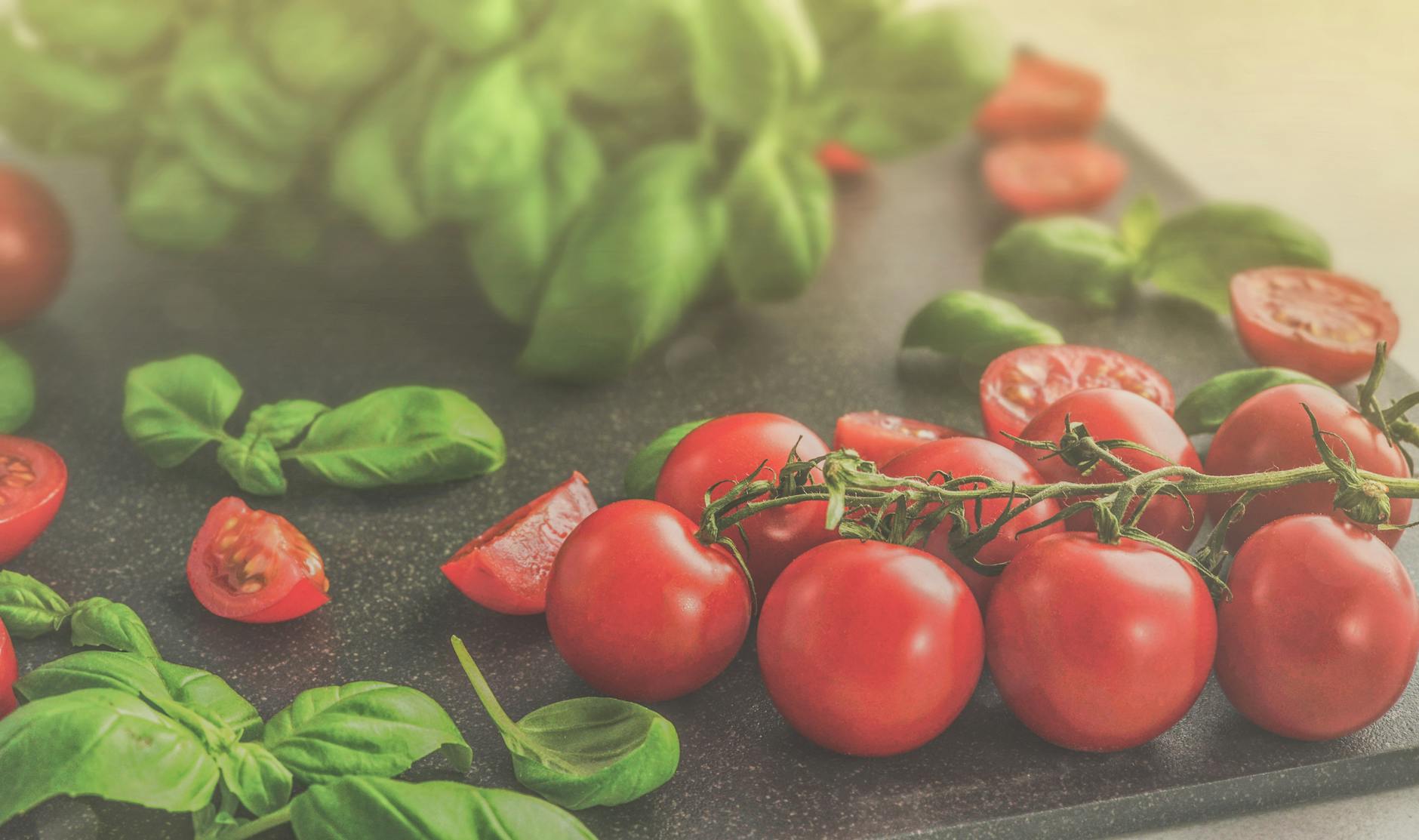
Yes, basil is safe for cats to eat in small amounts. Unlike many herbs that pose serious health risks to felines, basil contains no toxic compounds that harm cats. However, “safe” doesn’t mean your cat should have unlimited access to it. A curious cat that nibbles on a basil leaf from your kitchen counter won’t experience poisoning, but regular consumption or large quantities can cause digestive upset.
For example, if your indoor cat occasionally sniffs and tastes the basil plant on your windowsill, there’s no cause for alarm—but if your cat starts consuming basil regularly, you may notice mild stomach issues. The key to safely offering basil to cats is moderation and understanding what draws your cat to the herb in the first place. Some cats are attracted to basil’s aroma and texture, while others show no interest whatsoever. Most veterinarians consider basil a non-toxic herb for cats, placing it in a different category than truly dangerous plants like lilies, sago palms, or oleander. Understanding how to manage your cat’s interaction with basil helps prevent any potential digestive problems while keeping your herb garden intact.
Table of Contents
- CAN CATS EAT BASIL SAFELY?
- UNDERSTANDING BASIL’S EFFECTS ON CAT DIGESTION
- WHY CATS ARE ATTRACTED TO BASIL
- HOW TO SAFELY OFFER BASIL TO YOUR CAT
- POTENTIAL RISKS AND WHEN TO CALL YOUR VET
- BASIL AS PART OF A BALANCED CAT DIET
- MANAGING YOUR HERB GARDEN WITH CATS IN THE HOME
- Conclusion
CAN CATS EAT BASIL SAFELY?
Basil is indeed safe for cats in the context of toxicity—it won’t poison them or cause organ damage. The herb belongs to the Lamiaceae family and contains compounds like linalool and eugenol that are present in small, non-harmful amounts. When cats consume basil, their bodies process it similarly to how they handle other mild herbs. A cat that eats a small piece of basil leaf will have no adverse reaction in the vast majority of cases.
However, some cats may experience mild gastrointestinal upset if they consume too much basil. This upset typically manifests as nausea, vomiting, or diarrhea—the same reaction some cats have to other foods that don’t agree with their digestive systems. The volatile oils in basil, while not toxic, can irritate a sensitive feline digestive tract. A cat that sneaks a single leaf while you’re cooking is unlikely to develop symptoms, but a cat that repeatedly eats fresh basil leaves might experience digestive issues. Always monitor your cat after any herb consumption, especially if your cat has a history of food sensitivities.
UNDERSTANDING BASIL’S EFFECTS ON CAT DIGESTION
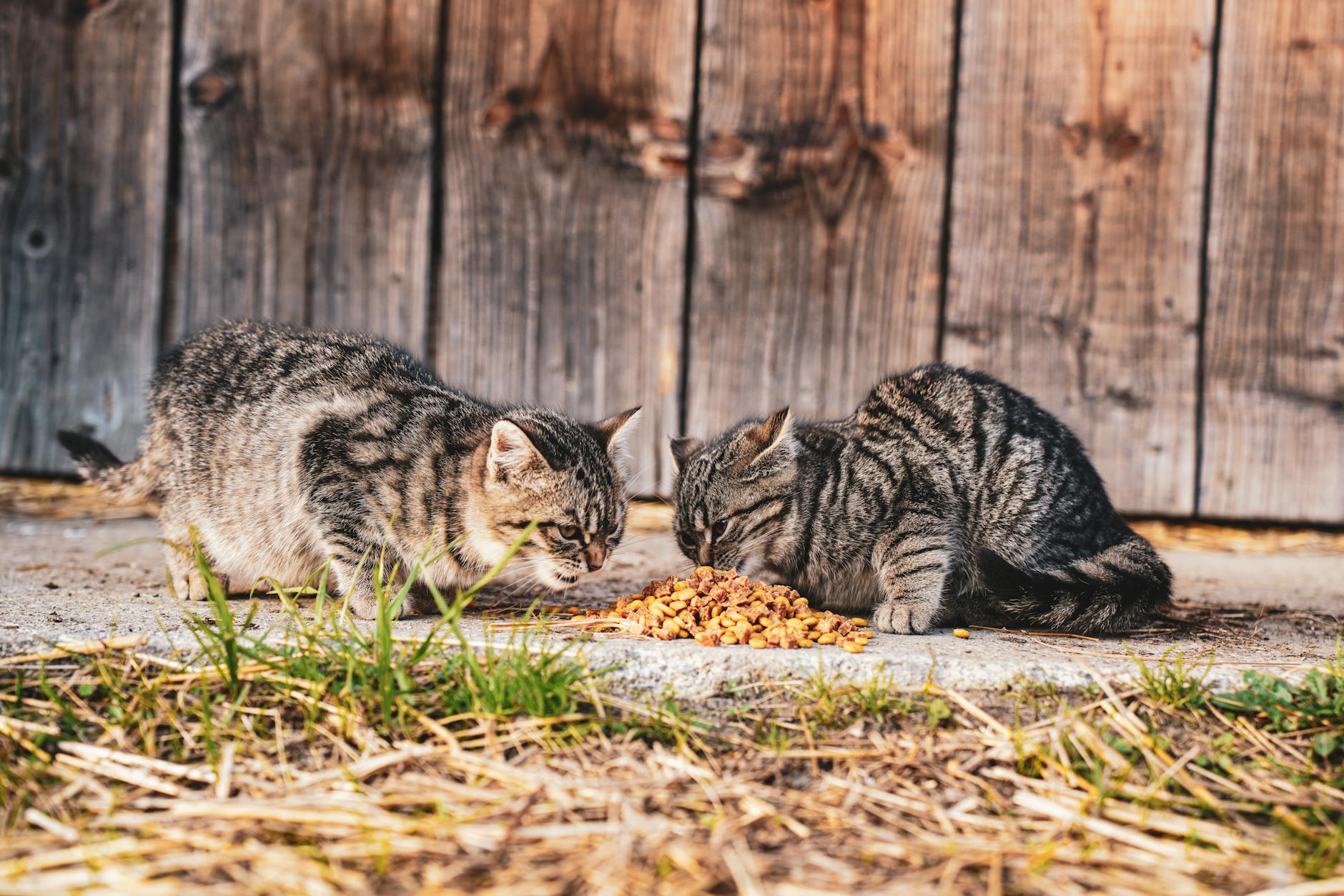
Cats are obligate carnivores, meaning their digestive systems evolved to process animal proteins, not plants. When a cat consumes plant material like basil, the digestive enzymes and bacterial flora in their stomach and intestines may not efficiently break down the herb’s components. This fundamental difference between cat and human digestion explains why cats sometimes vomit after eating grass or plant material—their bodies are attempting to expel something that doesn’t fit their normal diet. The volatile oils in basil—primarily linalool and eugenol—are present in concentrations that are safe for humans but can be mildly irritating to cats’ more sensitive systems.
If a cat consumes a large quantity of basil, these oils may accumulate and cause mild inflammation of the digestive tract lining. Signs of this irritation include decreased appetite, excessive drooling, or repeated vomiting. The limitation here is that we can’t predict exactly how much basil will affect individual cats, as sensitivity varies widely. A cat with a robust digestive system might tolerate several basil leaves with no problem, while another cat might feel queasy after one leaf.
WHY CATS ARE ATTRACTED TO BASIL
Many cats show interest in basil for reasons unrelated to nutritional need. The herb’s aromatic compounds—the same ones that make basil appealing to humans—trigger feline curiosity. Cats have a highly developed sense of smell, and basil’s pungent aroma activates their predatory and investigative instincts. Some cats approach basil plants the way they might approach a small animal, batting at the leaves and attempting to bite them. This behavioral interest is distinct from hunger and reflects your cat’s natural exploratory drive.
Another reason cats are attracted to basil relates to its texture. The soft leaves and fragile stems satisfy a cat’s urge to chew and manipulate objects. Cats kept indoors sometimes seek out plants to interact with because environmental enrichment is limited. If your cat is fixated on eating your basil plant, it might indicate boredom or insufficient play stimulation. Providing alternative textures—like soft toys, grass mats designed for cats, or interactive play with feather wands—can redirect this interest away from your herbs. An example of this redirection: a cat that was constantly trying to eat basil leaves became less interested after the owner introduced a daily 15-minute play session and placed a cat grass planter in the same room.
HOW TO SAFELY OFFER BASIL TO YOUR CAT
If you want your cat to have access to basil, offer it in controlled, minimal amounts. A small leaf or two once or twice a week is a reasonable guideline, though many cats need no basil at all. The safest approach is to wash the basil thoroughly to remove any pesticides or fertilizers, then offer a single fresh leaf. Watch your cat for 24 hours afterward to monitor for any gastrointestinal upset. If your cat tolerates the leaf well, occasional small portions are likely safe.
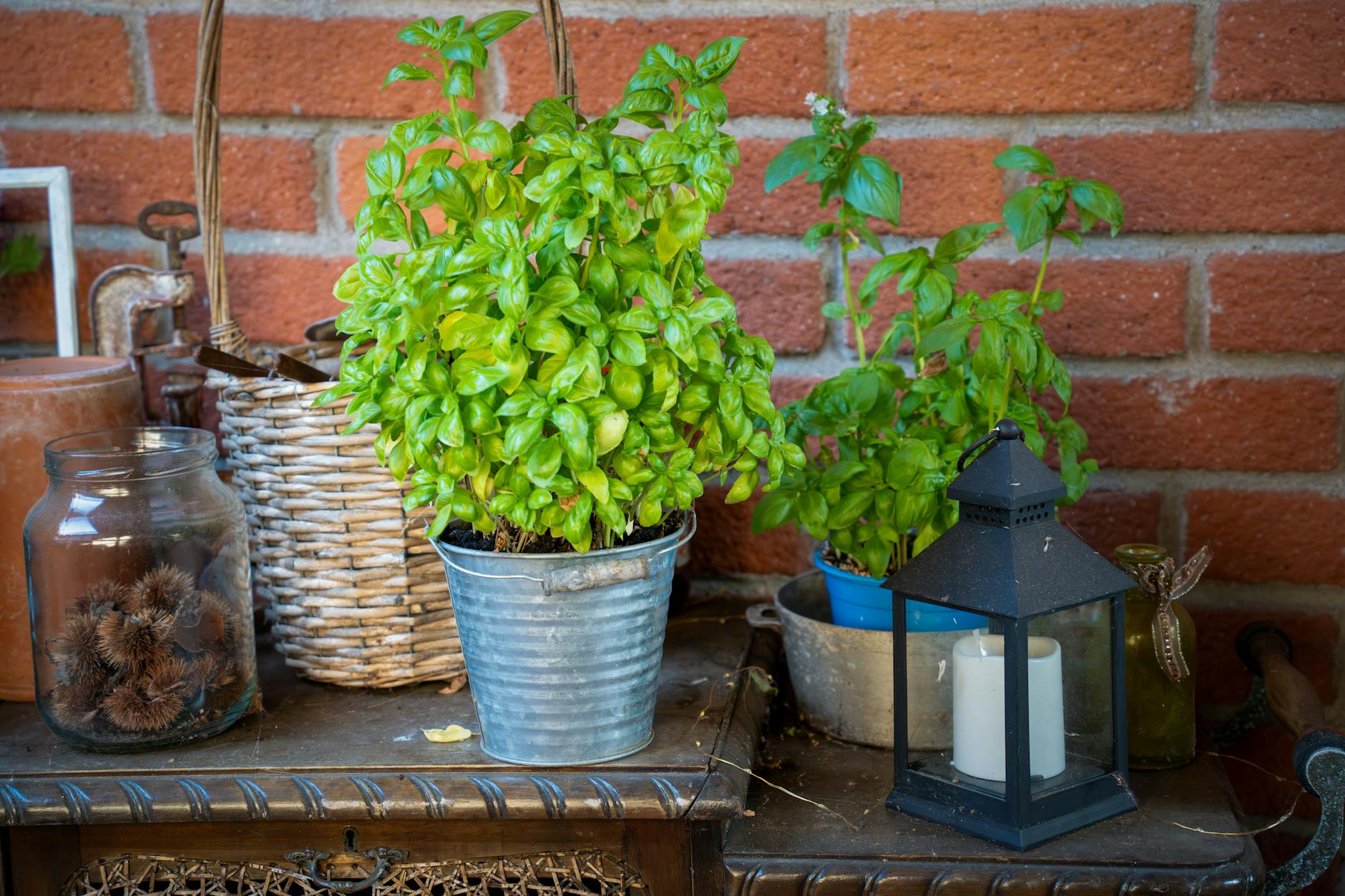
Keep your potted basil plant physically separated from your cat if you want to protect it. Place basil on a high shelf, in a locked cabinet, or in a room your cat cannot access. This approach prevents your cat from opportunistically eating large quantities while you’re not watching. The tradeoff is that you’ll have less convenient access to your basil for cooking, but this is a worthwhile sacrifice to prevent your cat from developing digestive problems or a habit of plant destruction. Alternatively, grow basil in a greenhouse or garden area outside your home where your cat has no access. If you do keep basil accessible indoors, consider sacrificing one plant as a “cat basil” that your cat can interact with freely, while keeping your cooking basil protected.
POTENTIAL RISKS AND WHEN TO CALL YOUR VET
While basil itself is non-toxic, complications can arise from your cat’s consumption patterns. If your cat regularly eats basil and develops chronic vomiting, diarrhea, or loss of appetite, the herb might be contributing to the problem. Some cats develop a strong preference for eating plants, and if basil is the only one available, they may consume excessive quantities. The warning here is that chronic plant consumption can also mask underlying health issues. For example, a cat that starts eating basil excessively might actually be responding to nausea from kidney disease or diabetes.
Discuss any sudden changes in your cat’s plant-eating behavior with your veterinarian. Pesticide exposure is another consideration. Basil purchased from grocery stores may have been treated with fungicides or insecticides, and homegrown basil might have been treated with fertilizers. Always wash basil thoroughly before allowing your cat to eat it, and wash your hands after handling treated plants. If you suspect your cat has eaten basil treated with chemicals, contact your veterinarian or poison control. Most commercial pesticides used on basil are not highly toxic to cats, but they weren’t designed for feline consumption, and individual sensitivities vary.
BASIL AS PART OF A BALANCED CAT DIET
Cats derive no nutritional benefit from basil. While the herb contains vitamins and minerals, cats cannot absorb these effectively from plant material, and basil should never be considered a supplement to your cat’s diet. Your cat needs high-quality commercial cat food formulated with appropriate protein levels, taurine, and other essential nutrients.
Offering basil is purely about allowing harmless exploration and enrichment, not nutrition. If your cat is showing signs of nutritional deficiency or unusual dietary cravings, consult your veterinarian rather than offering additional plants. Some pet owners have experimented with adding small amounts of cat-safe herbs to homemade cat food, but this is unnecessary and risky. The safest approach is to stick with commercially formulated diets designed by feline nutritionists, and avoid adding any plant material unless specifically recommended by your vet.
MANAGING YOUR HERB GARDEN WITH CATS IN THE HOME
If you maintain an herb garden and live with cats, you’ll need to implement strategies that protect both your plants and your cat’s health. Create a designated cat-free zone for your culinary herbs, separate from any spaces where your cat spends time. This might mean moving your basil plant to a kitchen shelf your cat cannot reach, or growing it in a small greenhouse.
Many cat owners with extensive herb gardens choose to grow them in a separate room, garage, or outdoor garden space exclusively. Looking ahead, consider growing cat-safe plants alongside your regular herbs to satisfy your cat’s natural urge to interact with vegetation. Cat grass, spider plants, and cat thyme are specifically bred for feline consumption and offer enrichment without the digestive complications that regular basil might cause. By providing these alternatives, you address your cat’s behavioral needs while keeping your culinary herbs safer and your cat’s digestive system more stable.
Conclusion
Basil is safe for cats in small, occasional amounts, and it will not cause poisoning or serious harm. Your cat can nibble a basil leaf or two without experiencing toxicity-related illness. However, larger or more frequent consumption may lead to mild digestive upset in sensitive cats, so moderation and monitoring remain important.
The safest approach involves keeping basil in limited access, offering it only occasionally if your cat shows interest, and watching for any signs of gastrointestinal distress. If you keep basil in your home, secure it away from your cat while you’re not supervising. Wash the herb thoroughly before allowing your cat to consume it, and consider growing cat-safe alternatives to satisfy your cat’s natural plant-exploration instincts. When in doubt about any changes in your cat’s health or eating habits, contact your veterinarian for guidance tailored to your specific cat’s age, health status, and individual sensitivities.