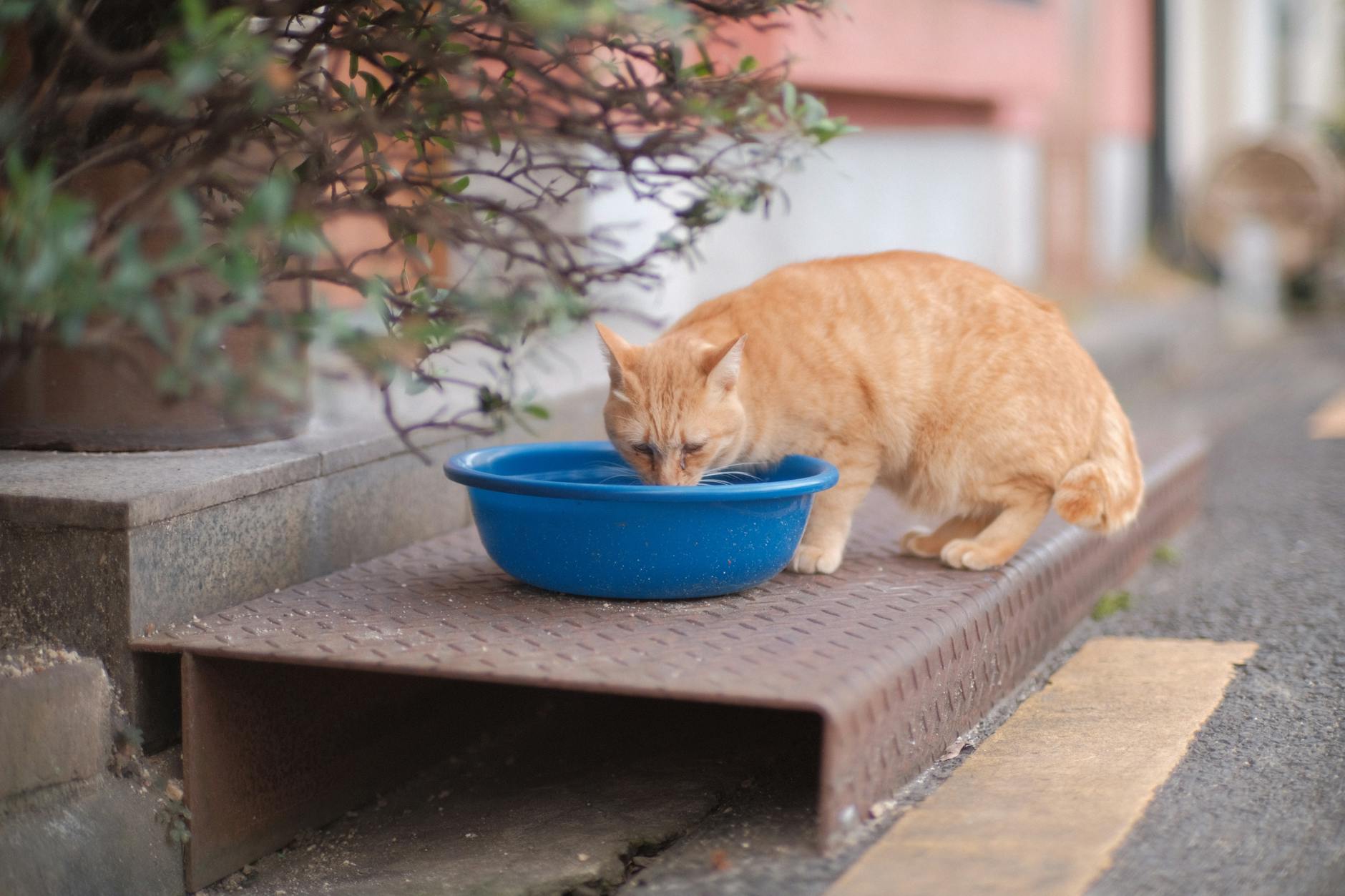
Yes, cat water fountains are safe for cats to drink from when properly maintained with appropriate materials and regular cleaning. Veterinarians increasingly recommend fountains because they encourage cats to drink more water, which supports their urinary and kidney health. The key difference between a safe fountain and a problematic one comes down to maintenance consistency—a well-kept fountain can be one of the best investments for your cat’s long-term health, while a neglected one can become a breeding ground for harmful bacteria.
Cat fountains appeal to your cat’s natural instincts. Cats in the wild prefer running water to stagnant sources because moving water signals freshness. A cat that ignores a standard water bowl might eagerly drink from a fountain, increasing their daily water intake significantly. This behavioral preference means fountains aren’t just safe—they’re often an effective tool for keeping your cat hydrated.
Table of Contents
- Why Veterinarians Recommend Water Fountains for Cats
- Material Safety and Food-Grade Standards
- Understanding Biofilm and Bacterial Risks
- Essential Maintenance Requirements for Safe Fountains
- Health Consequences of Neglected Fountains
- Electrical Safety and Pump Maintenance
- Making the Right Choice for Your Cat
- Conclusion
Why Veterinarians Recommend Water Fountains for Cats
Vets recommend water fountains specifically because adequate hydration prevents serious urinary and kidney conditions. cats are naturally poor drinkers, and many feline health issues stem from chronic dehydration. When a cat drinks more water throughout the day, it dilutes their urine, which reduces the risk of urinary crystals, blockages, and urinary tract infections. For cats with FLUTD (Feline Lower Urinary Tract Disease), fountains can be a critical part of managing their condition—some veterinarians list increased water intake as the first-line treatment. The hydration benefits extend to kidney health, particularly important for aging cats.
Chronic kidney disease is one of the most common conditions in senior cats, and increased water intake can slow its progression. A cat drinking from a fountain might consume 25-50 percent more water daily compared to drinking from a bowl, a difference that compounds over months and years into better overall health outcomes. Beyond specific disease prevention, fountains align with how cats are biologically designed to drink. Your cat’s preference for running water isn’t a quirk—it’s an evolutionary trait. Cats in nature drank from streams and moving water sources, not still puddles. By matching their drinking environment to their instincts, fountains remove friction from proper hydration.
Material Safety and Food-Grade Standards
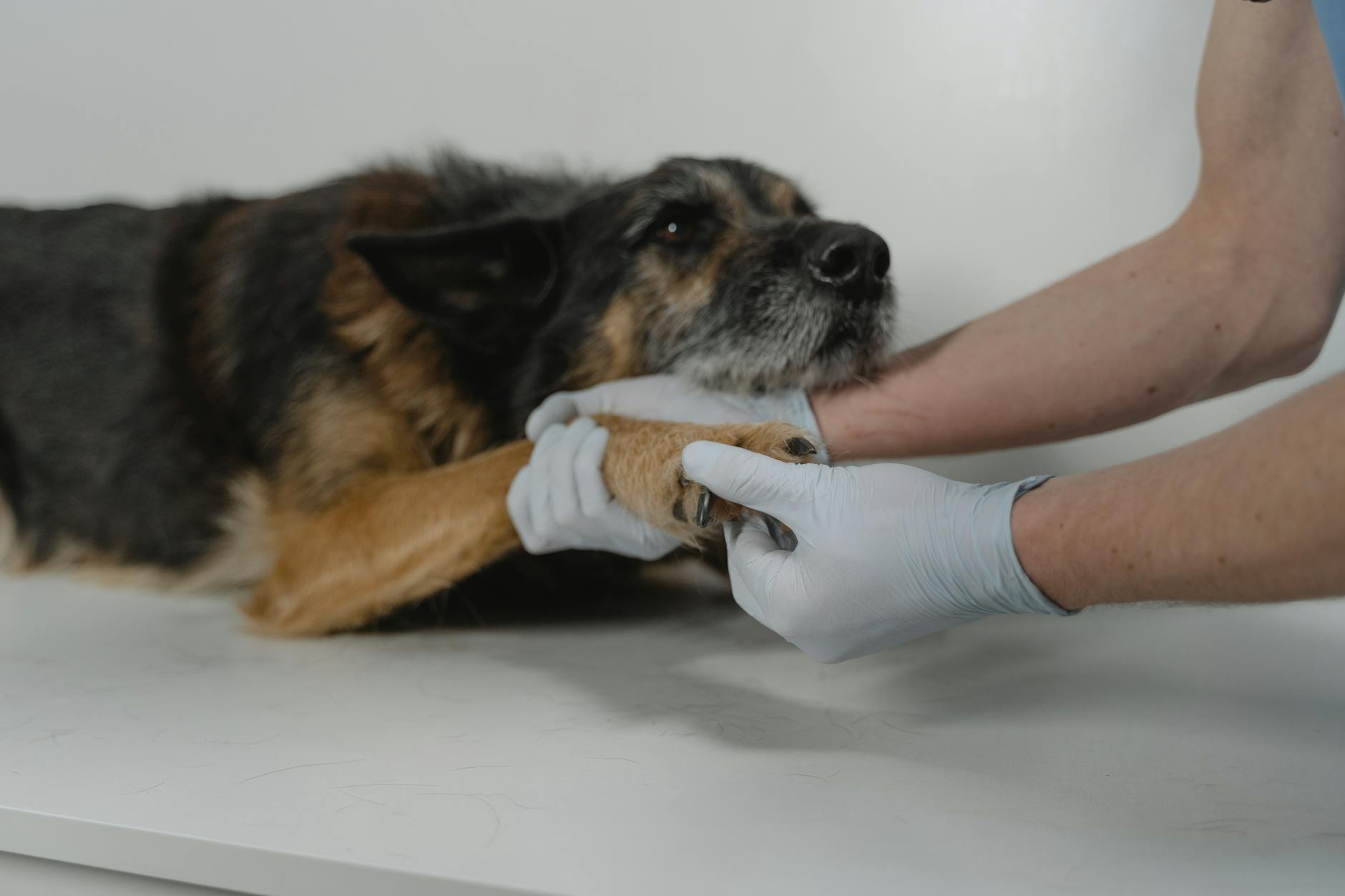
Not all fountain materials are equal when it comes to safety and longevity. Stainless steel fountains are the most veterinarian-approved option because they resist bacterial buildup and don’t degrade over time. Stainless steel doesn’t harbor bacteria in microscopic pits the way some ceramics can, and it won’t leach chemicals into the water. Ceramic fountains are the second-best choice, provided they’re food-grade and properly glazed. Plastic fountains can work if they’re made from BPA-free, food-grade plastic, but they tend to scratch more easily, creating small cracks where bacteria hide. The material you choose affects not just safety but also longevity.
A stainless steel fountain might last five to ten years with proper care, while a plastic fountain might need replacement within two to three years as it develops micro-scratches. These small scratches in plastic aren’t visible to the naked eye but create perfect sites for bacterial colonization and biofilm formation. When shopping for a fountain, check the product description for specific material certifications. Look for “food-grade” or “stainless steel” explicitly mentioned. Avoid fountains with unknown plastic types or those that feel flimsy. The investment in a higher-quality material upfront prevents both health risks and the expense of replacing a deteriorating fountain.
Understanding Biofilm and Bacterial Risks
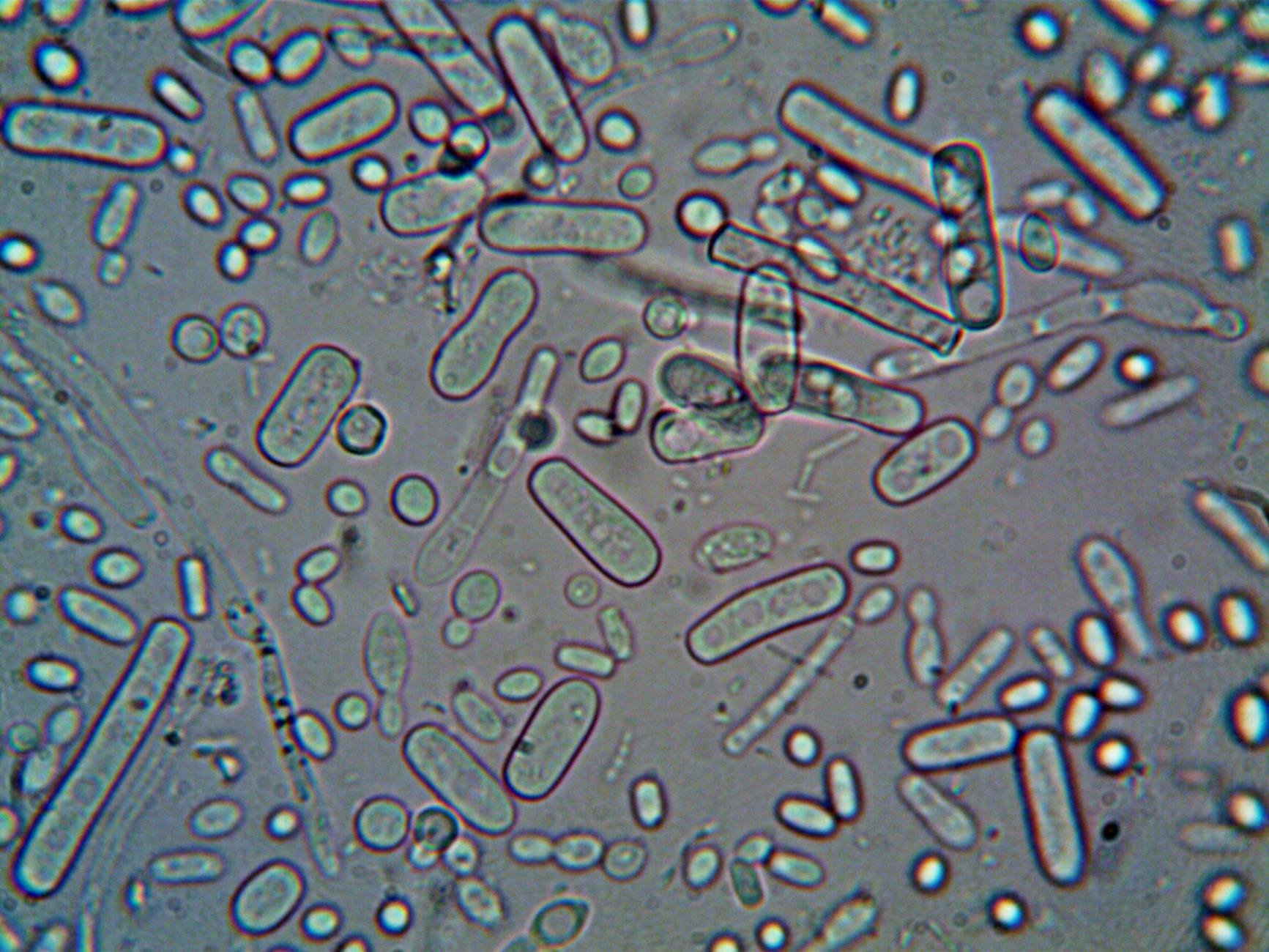
If a fountain sits unused or is rarely cleaned, it develops biofilm—a slimy layer that contains multiple bacterial species living in a protected matrix. This biofilm can harbor dangerous pathogens including E. coli, Salmonella, Listeria, Staphylococcus, Pseudomonas, and Clostridium. What makes biofilm particularly concerning is that bacteria within it are up to 1,000 times more resistant to antibiotics than free-floating bacteria, making infections harder to treat if your cat becomes sick. This resistance isn’t an exaggeration—it’s a documented phenomenon in microbiology.
A cat drinking from a fountain with heavy biofilm isn’t just ingesting bacteria; it’s ingesting bacteria in their most protected, most virulent form. The slimy layer that looks harmless to you actually shields the bacteria from your cat’s immune system and any antibiotic treatment a veterinarian might prescribe. The good news is that biofilm doesn’t develop overnight and doesn’t require special conditions—it simply requires neglect. A fountain that’s cleaned weekly won’t develop problematic biofilm layers. This is why maintenance intervals are non-negotiable rather than suggestions.
Essential Maintenance Requirements for Safe Fountains
Three maintenance tasks form the foundation of fountain safety: weekly cleaning, filter changes every two to four weeks, and daily water replacement. Weekly cleaning means taking apart the fountain, rinsing all components with fresh water, and removing any visible slime or buildup. This isn’t a quick rinse—it’s a thorough cleaning that addresses the pump, the basin, the water channels, and any removable parts. Daily water replacement might seem excessive, but it’s the most practical barrier against bacteria growth. Just as you wouldn’t leave drinking water in a glass for a week, fountain water shouldn’t sit longer than a day. If your cat drinks from the fountain regularly, you’ll notice the water level dropping and can refill it daily.
If the water level doesn’t change much, that’s a sign your cat isn’t using the fountain as much as hoped—but the fountain still needs fresh water daily to prevent stagnation. Filter replacement timelines depend on your water quality and fountain usage. Cats that drink frequently from the fountain clog filters faster. If you have hard water, mineral deposits will clog filters more quickly. Starting with a two-week replacement schedule and adjusting based on what you observe is reasonable. Some cat owners find they need to replace filters every two weeks, while others can stretch it to four weeks.
Health Consequences of Neglected Fountains
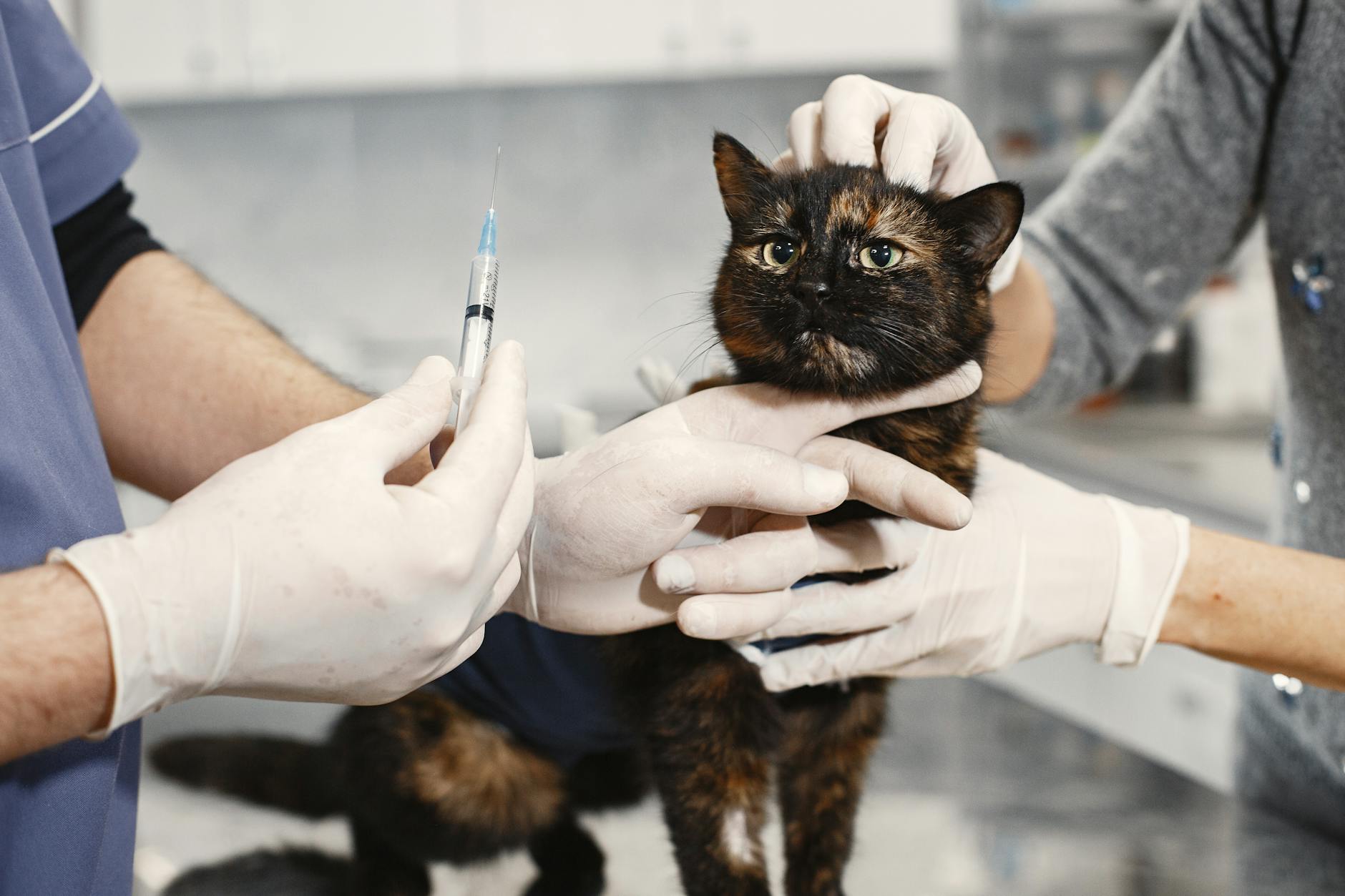
A dirty fountain poses specific health risks that extend beyond simple bacterial infection. Cats drinking from fountains with accumulated biofilm show higher rates of dental plaque and periodontal disease. The connection isn’t random—bacteria from biofilm can contribute to oral bacteria overgrowth. Additionally, chronic exposure to low-level bacterial contamination correlates with chronic urinary tract infections, which contradicts the fountain’s primary benefit of UTI prevention. Perhaps most concerning is the link between dirty fountains and chronic kidney disease progression.
If biofilm accumulation stresses your cat’s immune system through repeated low-level infections, it can accelerate kidney disease, especially in senior cats. The very condition fountains are supposed to help prevent—chronic kidney disease—can be worsened by poor fountain maintenance. This isn’t an argument against fountains; it’s an argument for treating maintenance as non-optional. For cats with pre-existing kidney disease or urinary issues, fountain safety becomes even more critical. These cats benefit more from increased hydration, but they’re also more vulnerable to infections. A cat with CKD should use only the cleanest fountain possible, which means more frequent maintenance or choosing between a fountain and bowls.
Electrical Safety and Pump Maintenance
Fountain pumps are submerged in water, creating a unique electrical environment that requires periodic attention. Check the pump and electrical cord regularly, especially the sections submerged in or near water. Look for cracks, discoloration, or corrosion on the cord. If you notice any damage, replace the fountain immediately rather than attempting repair.
The most common electrical issue is pump burnout from running dry. If the water level drops below the pump’s inlet, the pump runs without water and can overheat. Check your fountain’s water level daily, particularly during warm months when evaporation is faster. A properly functioning pump should be nearly silent—if you notice grinding sounds or unusual vibrations, the pump may be running dry or failing and needs attention.
Making the Right Choice for Your Cat
The safety of a water fountain hinges entirely on the owner’s commitment to maintenance. This isn’t because fountains are inherently dangerous—they’re not. It’s because any water source left standing for extended periods will accumulate bacteria.
The difference between a fountain and a bowl is that fountains have more surface area and crevices where bacteria hide, making them require slightly more diligent care. If you’re willing to commit to weekly cleaning, daily water changes, and regular filter replacements, a fountain is genuinely one of the best health investments you can make for your cat. The increased hydration supports kidney function, prevents urinary issues, and aligns with your cat’s natural drinking preferences. If you’re unlikely to maintain that schedule, your cat would be better served by traditional bowls cleaned daily, or by switching to multiple bowls scattered throughout your home to encourage drinking.
Conclusion
Cat water fountains are safe and beneficial when maintained properly with food-grade materials, weekly cleaning, daily water changes, and regular filter replacements. The veterinary consensus is clear: fountains encourage the hydration that prevents urinary and kidney disease in cats. The risk isn’t the fountain itself—it’s the biofilm and bacterial growth that accumulates when fountains are neglected.
Before purchasing a fountain, honestly assess whether you can commit to the maintenance schedule. If yes, invest in a stainless steel or high-quality ceramic fountain and stick to your cleaning routine. If maintenance feels overwhelming, traditional bowls or multiple water sources might be a better option. Either way, your goal is the same: keeping your cat hydrated and healthy.