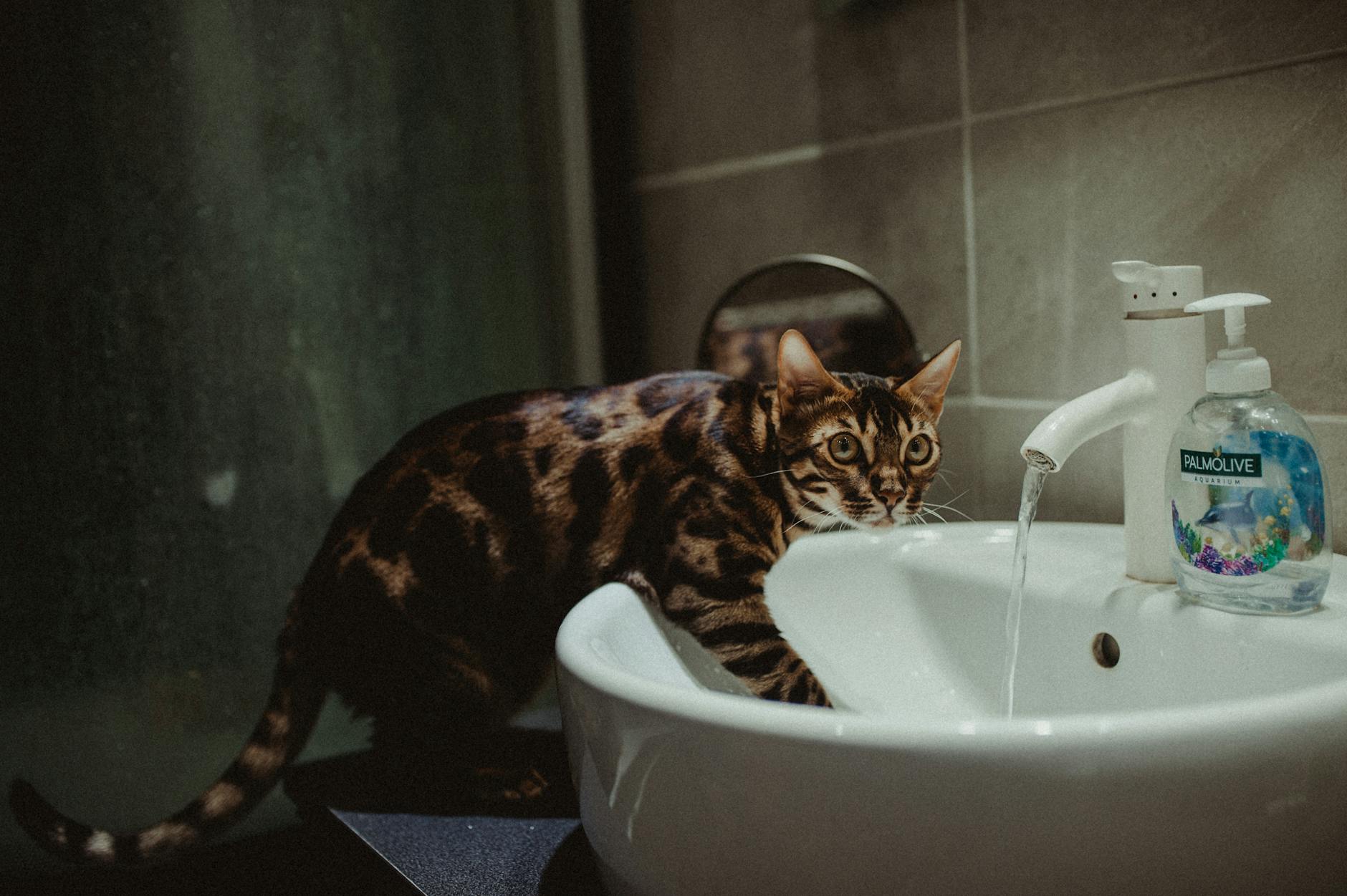
Yes, tap water is generally safe for most cats to drink, though water quality varies significantly by location and household infrastructure. If your tap water meets EPA standards for human consumption, it’s safe for your cat as well.
However, some cats may be sensitive to chlorine, minerals, or contaminants present in certain municipal water supplies, and their individual health conditions can affect whether tap water is the best choice. A practical example: a cat in an urban area with well-maintained municipal water treatment will typically have no issues drinking tap water throughout its life, while a cat in a home with aging lead pipes or a contaminated well supply might develop urinary issues or kidney stress. The key distinction isn’t between tap and bottled water universally, but between the specific water coming from your tap and your individual cat’s health profile.
Table of Contents
- What Contaminants in Tap Water Could Affect Your Cat?
- How Does Water Quality Vary by Location and Plumbing Type?
- Why Do Some Cats Prefer Water from Alternative Sources?
- Should You Filter or Treat Your Tap Water for Your Cat?
- What Are the Signs Your Cat’s Water Might Be Unsafe?
- Is Bottled Water Better Than Tap Water for Cats?
- Looking Forward: Making the Right Water Choice for Your Cat
- Conclusion
What Contaminants in Tap Water Could Affect Your Cat?
Most municipal water supplies contain chlorine as a disinfectant, which is added at levels safe for human consumption but can affect cats differently than people. Cats have a heightened sense of smell and taste, so even low chlorine levels can deter them from drinking adequate water. Some cats refuse chlorinated water entirely and instead drink from less-sanitary sources like toilet bowls—a choice that poses far greater health risks than chlorine itself. If your cat seems to avoid its water bowl, chlorine sensitivity might be the reason.
Beyond chlorine, tap water may contain fluoride, minerals like calcium and magnesium, and trace metals depending on your local water supply and home plumbing. Hard water with high mineral content can contribute to urinary crystal formation in cats, particularly in breeds predisposed to urinary conditions. Conversely, some cats tolerate these minerals without issue. The real concern is if your home has older plumbing that leaches lead, copper, or other metals—these pose genuine health risks to cats the same way they do to humans, and professional water testing is warranted in homes built before the 1980s.
How Does Water Quality Vary by Location and Plumbing Type?
Water quality is dramatically different across regions. A cat in a city with advanced water treatment infrastructure faces minimal risk from municipal tap water, while a cat in a rural home relying on a private well may face bacteria, nitrates, or other contaminants if that well isn’t properly maintained and tested regularly. This geographic variation means there’s no universal answer—what’s safe in one home might not be in another. Well water, in particular, is not regulated the same way municipal water is, and cat owners with wells should have their water tested annually to check for harmful bacteria, coliform, and other pathogens.
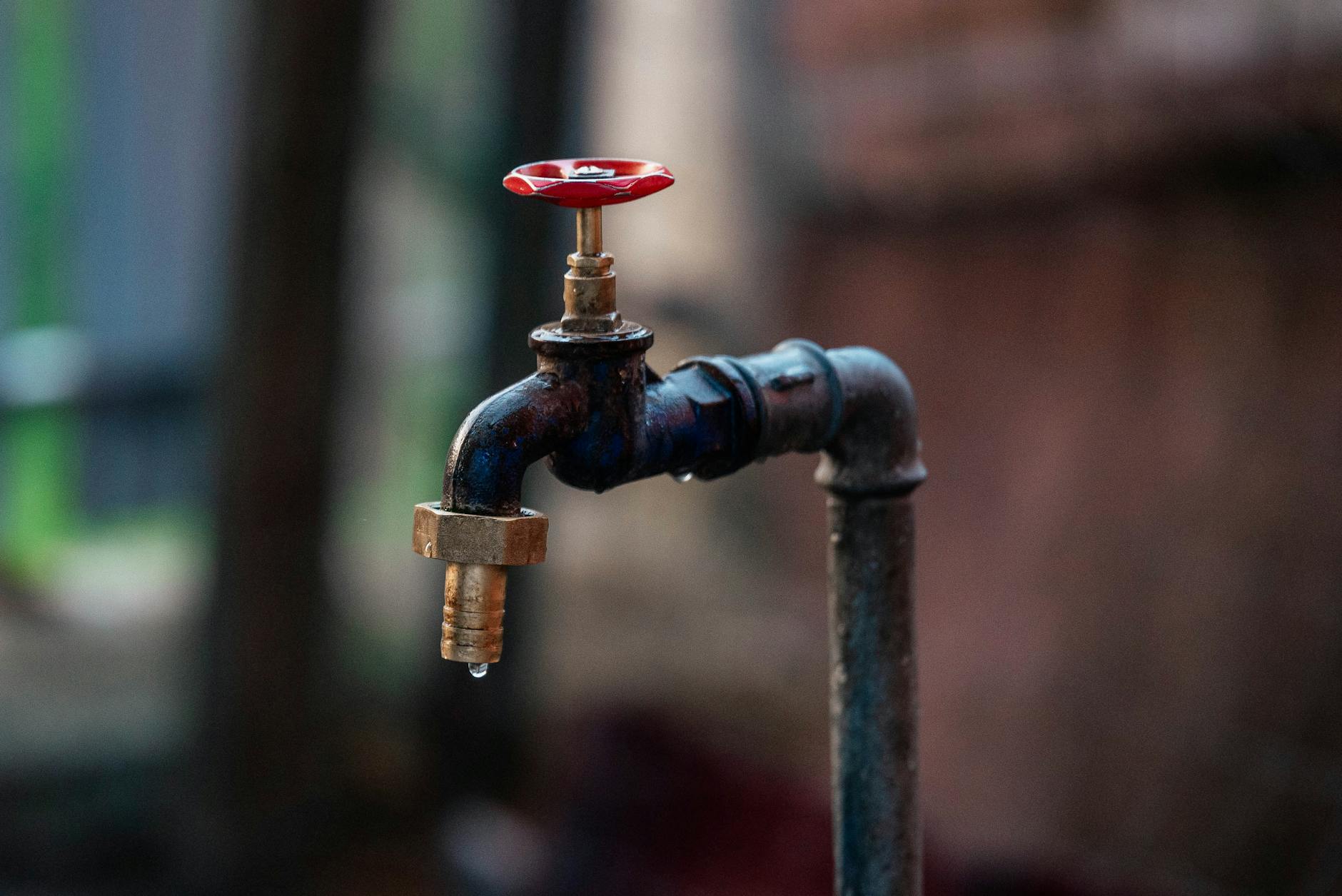
Plumbing age matters significantly. Homes with copper or galvanized pipes installed decades ago can develop corrosion that increases copper and zinc in the water, which can damage a cat’s liver and kidneys with long-term exposure. Lead pipes, though rare now, are a serious concern if present. Lead exposure is particularly risky for kittens and young cats whose developing bodies absorb it more readily. If you’re unsure about your plumbing, running water for 30 seconds before filling your cat’s bowl helps flush out stagnant water that’s accumulated in the pipes overnight, reducing the concentration of potential contaminants.
Why Do Some Cats Prefer Water from Alternative Sources?
Cats are notoriously finicky about water, and their preferences often reveal something about your water quality or their sensory sensitivity. Many cats prefer running water from faucets or fountains because it feels and tastes fresher—not because bottled water or filtered water is inherently better, but because cats evolutionarily drank from moving streams, which were less likely to harbor bacteria. This preference is instinctive and doesn’t necessarily indicate that your tap water is unsafe.
Some cats become dehydrated because they simply won’t drink tap water from a bowl, especially if they’re sensitive to chlorine or other odors. In these cases, a cat water fountain encourages drinking because the moving water appeals to their instincts. Switching to a fountain can sometimes solve chronic dehydration and associated urinary issues—the improvement isn’t because the water is different, but because the cat finally drinks enough of it. This distinction is crucial: a cat that’s dehydrated from refusing chlorinated tap water isn’t being harmed by the water itself, but by insufficient hydration.

Should You Filter or Treat Your Tap Water for Your Cat?
Whether filtering tap water is necessary depends entirely on your water quality. If your municipal water tests safe for human consumption and your cat doesn’t show sensitivity to it, filtration is an optional convenience rather than a requirement. However, if you live with aging pipes, have a private well, or notice your cat avoiding water or developing urinary issues, a basic carbon filter (like a Brita pitcher) can remove chlorine and some minerals at minimal cost. Carbon filters won’t remove all contaminants—they’re particularly ineffective against bacteria or lead—but they do address chlorine taste and odor, which often encourages cats to drink more.
Reverse osmosis filters are more thorough than carbon filters but also remove beneficial minerals that cats need, which is a trade-off worth considering. Over-filtered water that lacks all minerals isn’t optimal for cats, either. The pragmatic middle ground for most cats is a simple carbon filter that addresses chlorine while preserving mineral content, or installing a point-of-use filter specifically on the tap where you fill your cat’s water bowl. Reverse osmosis or distilled water should be reserved for cats with specific medical conditions like kidney disease, where a veterinarian has recommended low-mineral water.
What Are the Signs Your Cat’s Water Might Be Unsafe?
If your cat develops urinary issues, kidney problems, or persistent intestinal issues, the water supply could be one contributing factor worth investigating—though diet, genetics, and other environmental factors usually play larger roles. Red flags that your water warrants professional testing include: your cat suddenly refusing to drink and showing signs of dehydration, multiple cats in your household developing urinary crystals simultaneously, or visible discoloration, sediment, or unusual odor in your tap water. These signs suggest contamination serious enough to test your water and potentially upgrade filtration.
Lead contamination is a particular concern in older homes, and cats are susceptible to the same lead-related health effects as children. Symptoms of lead exposure include lethargy, poor appetite, and kidney damage—symptoms that overlap with many other conditions, so professional water testing is the only reliable way to know. If you’ve never had your home’s water tested and your house was built before 1986, it’s worth the cost of a basic water quality test to know what you’re dealing with.
Is Bottled Water Better Than Tap Water for Cats?
Bottled water isn’t inherently superior to tap water for most cats. Some bottled waters come from municipal sources and are essentially filtered tap water, while others are sourced from springs or wells. Cats don’t receive any documented health benefit from bottled water that they wouldn’t get from clean tap water, and from a practical standpoint, continuously buying bottled water becomes expensive and wasteful.
The exception is if your tap water tests positive for contaminants and you’re waiting for plumbing repairs or filtration installation—in those cases, bottled water is a temporary solution. One legitimate reason to consider bottled water is accessibility: if your home’s water is demonstrably contaminated and you’re unable to install filtration immediately, bottled water prevents your cat from ingesting harmful substances while you address the underlying problem. However, this is a short-term fix, not a long-term solution. Most veterinarians don’t recommend bottled water as routine, because it’s unnecessary expense for cats in homes with adequate municipal water treatment.
Looking Forward: Making the Right Water Choice for Your Cat
As water quality and availability continue to be concerns in many regions, more cat owners are becoming conscious of what’s in their tap water. Rather than assuming all tap water is unsafe or that all cats need filtered water, the practical approach is understanding your specific water source. If you’re a new cat owner or have moved to a new area, investing in a basic water quality test provides clarity. Most municipal water utilities provide free water quality reports annually, and private well owners should test yearly.
The future of pet hydration likely involves more personalized choices rather than one-size-fits-all recommendations. Your cat’s age, health history, and sensitivities should guide your decision. A young, healthy cat with no urinary issues in a home with excellent municipal water needs nothing beyond a clean bowl and fresh tap water. An older cat with a history of kidney disease in a home with questionable water quality might benefit from filtered or bottled water on veterinary advice. Making this decision informed rather than based on marketing claims or assumptions will serve your cat’s health far better.
Conclusion
Tap water is safe for most cats when it meets the same standards that make it safe for humans. Your water quality depends on where you live, your home’s plumbing infrastructure, and your water source. Rather than assuming tap water is universally dangerous or universally fine, evaluate your specific situation: check your local water quality report, consider your cat’s health history, and watch for signs of water-related issues.
If your cat is healthy, your tap water meets municipal standards, and your cat drinks adequate amounts, you’re already providing appropriate hydration. If your cat avoids water due to chlorine taste, invest in a water fountain or simple carbon filter. If you have reasons to suspect contamination, get your water tested. The goal is ensuring your cat drinks enough clean water—whether that comes from your tap, a filter, or a fountain is secondary to the fundamental goal of keeping your cat hydrated and healthy.