No, it is not safe for cats to drink from toilet water. While a single drink from the toilet is unlikely to be immediately life-threatening, the bowl contains multiple serious health hazards that veterinarians consistently warn against. If your cat drinks from the toilet regularly or frequently, you’re exposing them to bacteria, parasites, and chemical residues that can cause gastrointestinal illness, urinary tract infections, and chemical poisoning.
The risk isn’t theoretical—it’s based on documented bacterial contamination found in most households. Your cat may be drawn to the toilet for simple reasons: the water is cool, it’s flowing or recently refreshed, and it’s accessible. But what feels like an innocent behavior to your pet is actually a direct path to several types of infection. The situation is especially concerning if you use any form of toilet cleaning product, as these chemicals can cause burning sensations in your cat’s mouth and throat, or potentially lead to chemical poisoning if ingested.
Table of Contents
- What Bacteria and Contaminants Are Actually in Toilet Water?
- Specific Health Risks: What Can Happen to Your Cat?
- The Chemical Hazard: Toilet Cleaning Products and Your Cat’s Safety
- Why Cats Prefer Toilet Water and How to Redirect That Behavior
- Age, Health Status, and Individual Risk Factors
- Toilet Maintenance and Cleaning Frequency
- Building Long-Term Prevention Habits and Protecting Multiple Cats
- Conclusion
- Frequently Asked Questions
What Bacteria and Contaminants Are Actually in Toilet Water?
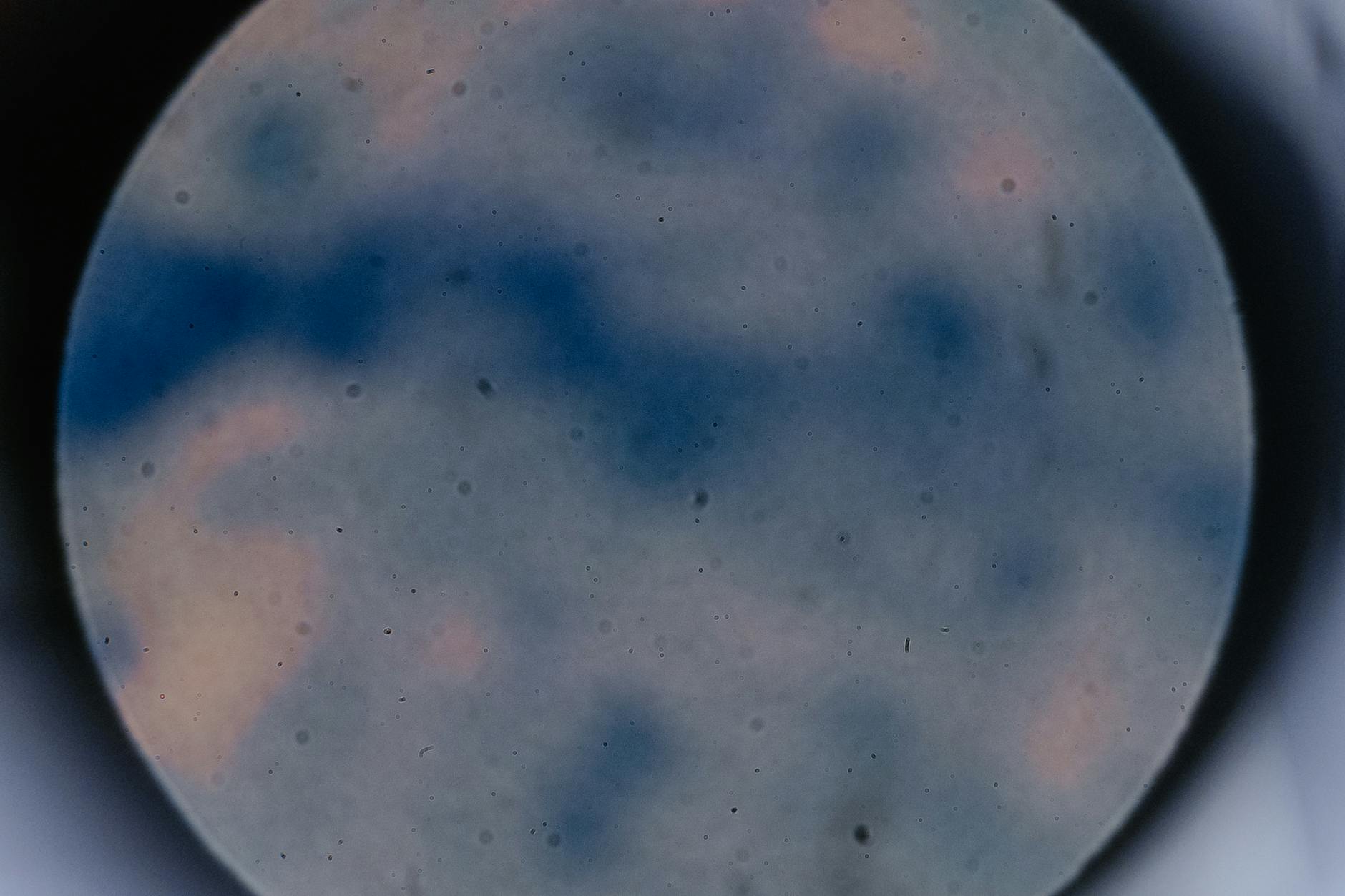
Toilet bowls contain significantly more bacteria than most pet owners realize. Research testing bacterial contamination found bacteria present on 6 out of 7 toilets sampled, with one sample containing more than 1 million colony-forming units (CFU) per square inch—more than 100 times higher than the EPA’s recommended limit for public restrooms. This isn’t just a small number of harmless organisms; these are the kinds of bacteria that cause serious illness in animals. The specific bacteria commonly found in toilet water include E. coli, Salmonella, Staphylococcus, and Streptococcus. Each of these poses a direct threat to your cat’s health.
E. coli and Salmonella are particularly concerning because they thrive in the warm, moist environment of a toilet bowl and can cause severe gastrointestinal distress. Staphylococcus and Streptococcus bacteria can lead to skin infections, urinary tract infections, and systemic infections if your cat’s immune system is already compromised. Beyond bacteria, toilet water can harbor parasites shed from infected humans, which can cause intestinal parasites in cats. The bacterial load varies depending on how frequently the toilet is used and how well it’s cleaned, but the evidence is clear: no toilet bowl is truly clean from a microbial standpoint. Even toilets that appear visibly clean under normal lighting contain millions of bacterial cells. This is why veterinarians universally advise against allowing pets access to toilet water.
Specific Health Risks: What Can Happen to Your Cat?
Exposure to fecal contamination and parasites from toilet water can cause vomiting, diarrhea, and urinary tract infections in cats. These symptoms may appear within hours or over several days, depending on the bacterial load and your cat’s individual immune response. A cat experiencing diarrhea and vomiting may become dehydrated quickly, particularly if the illness lasts more than a day. You may also notice your cat straining to urinate or urinating more frequently than normal, which are hallmark signs of a urinary tract infection triggered by bacterial contamination. One significant limitation to keep in mind: not every cat that drinks from a toilet will get sick. Younger, healthier cats with robust immune systems may drink contaminated water without showing symptoms, while kittens, senior cats, or cats with existing health conditions are at much higher risk of serious illness.
This false sense of safety can be dangerous—just because your cat hasn’t gotten sick yet doesn’t mean the water is safe. It’s similar to how some people can eat contaminated food without getting food poisoning while others become severely ill; individual susceptibility varies widely. The longer-term risk of repeated exposure is gastrointestinal infections that can become chronic. Your cat might develop a persistent infection that requires antibiotics and veterinary treatment costing hundreds of dollars. In worst-case scenarios, severe infections can lead to hospitalization, IV fluids, or more intensive treatments. The preventive approach—simply keeping the toilet lid closed—is far easier and cheaper than treating a bacterial infection after it develops.
The Chemical Hazard: Toilet Cleaning Products and Your Cat’s Safety
The primary chemical concern comes from toilet cleaning products like bleach, disinfectants, and especially toilet cleaning tablets that sit in the bowl between uses. These products are designed to kill bacteria and viruses, but they can cause significant harm to cats. If your cat drinks water with dissolved bleach or disinfectant, they may experience burning sensations in their mouth and throat, drooling, difficulty swallowing, and chemical irritation to their gastrointestinal tract. In cases of higher concentration exposure, chemical poisoning can occur, leading to more severe symptoms like vomiting, abdominal pain, and difficulty breathing. Toilet cleaning tablets that sit at the bottom of the bowl present a particularly high risk. These tablets release cleaning chemicals continuously into the water, and some cats are curious enough to investigate or even play with them.
If a cat were to chew on or ingest a cleaning tablet directly, the concentrated chemicals could cause serious chemical burns and poisoning. This risk exists even if the tablet is “below the waterline” and seemingly out of reach—curious cats are surprisingly good at fishing things out of toilets. Not all pet owners use the same cleaning products, which means the chemical risk varies from household to household. A home using natural, enzyme-based toilet cleaners has lower chemical risk than one using bleach or corrosive disinfectants. However, the safest approach is to assume that any toilet in your home may contain some level of chemical residue and simply prevent your cat from accessing it. This is the only strategy that eliminates the risk entirely.
Why Cats Prefer Toilet Water and How to Redirect That Behavior
Cats are drawn to toilet water for several legitimate reasons rooted in their natural behaviors. The water in a toilet bowl is often cooler than water sitting in a static bowl, and it may be fresher if the toilet has recently been flushed. Cats in the wild prefer moving water sources when available—it’s cleaner and fresher in nature—so many domestic cats instinctively prefer flowing or recently refreshed water over stagnant water in a dish. Some cats are also simply attracted to the novelty and accessibility of the toilet, especially if their regular water bowl is located far from the bathroom or is easily forgotten during refills. The solution lies in providing your cat with an appealing alternative that mimics what they find attractive about toilet water. Cat water fountains deliver cool, circulating water that appeals to the same preferences that draw cats to the toilet, but in a safe, hygienic way.
Fountains with multiple water levels or flowing streams tend to be more engaging for cats. You can also place water bowls in multiple locations throughout your home, ensuring that fresh water is always readily accessible. The tradeoff is that fountains require electricity and occasional cleaning, but this small inconvenience is far outweighed by the elimination of toilet water risk. Additionally, keep toilet lids consistently closed at all times. This isn’t a suggestion—it’s the most reliable prevention method. Teach family members that toilet lids stay down, and consider installing locking toilet seat covers if you have family members who frequently leave lids up. Combined with appealing water fountain alternatives, a closed toilet lid makes the toilet completely inaccessible to your cat, removing the entire problem.
Age, Health Status, and Individual Risk Factors
A healthy adult cat that drinks from a toilet bowl once is at much lower risk than a kitten, senior cat, or a cat with a compromised immune system. Kittens haven’t fully developed their immune systems, making them more susceptible to infections. Senior cats (typically 10 years and older) often have declining immune function and may take longer to recover from any infection they develop. Cats with existing conditions like chronic kidney disease, diabetes, feline immunodeficiency virus (FIV), or feline leukemia virus (FeLV) are at significantly elevated risk for serious complications from toilet water exposure. One important limitation in the available research is that veterinary toxicologists note that occasional toilet water consumption is “usually not life-threatening,” according to expert opinion. This doesn’t mean it’s safe or recommended—it simply means that isolated incidents are unlikely to cause death.
However, this expert qualification sometimes creates a dangerous false sense of security. A behavior that’s “usually not life-threatening” is still potentially dangerous and completely avoidable. There’s an enormous difference between “probably won’t kill your cat” and “safe for your cat,” and that distinction is crucial for proper pet care. If your cat has consumed toilet water and is showing signs of illness—vomiting, diarrhea, lethargy, or difficulty urinating—contact your veterinarian promptly. Don’t wait to see if symptoms resolve on their own. Early treatment of a bacterial infection with appropriate antibiotics is far more effective and less costly than waiting until the infection becomes severe.
Toilet Maintenance and Cleaning Frequency
The frequency with which you clean and treat your toilet affects the contamination levels your cat would be exposed to. A toilet that’s cleaned daily will have lower bacterial counts than one cleaned weekly, but even a newly cleaned toilet will harbor bacteria within hours. The bacterial colonization of toilet surfaces happens rapidly because toilets are warm, moist environments that bacteria thrive in.
This means that even in the cleanest households, toilet water is never truly bacteria-free. If you do use automatic toilet cleaning products or tablets, the chemical hazard increases substantially. This is a strong reason to reconsider which cleaning products you use in your toilets if you have cats. Natural, enzyme-based cleaners or regular household bleach that you add manually and then drain are safer options than continuous-release products, though the absolute safest option is simply keeping the toilet lid closed so the cleaning method becomes irrelevant to your cat’s safety.
Building Long-Term Prevention Habits and Protecting Multiple Cats
If you have multiple cats in your household, the risk multiplies. Multiple cats accessing the same toilet water increases the likelihood that at least one will become ill, and introduces the possibility of cross-infection between cats if one develops a bacterial infection. The solution—keeping toilet lids closed and providing adequate water fountains—scales well to multiple-cat households, but you need to ensure you have enough water stations.
A general guideline is to have at least one water source per cat, plus one extra, so in a two-cat household, you’d want three water sources (fountains, bowls, or a combination). Looking forward, the trend in pet health is increasingly focused on prevention rather than treatment. Veterinarians now recognize that preventive behaviors—like controlling toilet access, providing proper hydration alternatives, and minimizing exposure to household contaminants—are cost-effective and more humane than treating infections after they develop. Building these prevention habits now, while your cat is young and healthy, sets the foundation for a safer home environment throughout their life.
Conclusion
The answer to whether it’s safe for cats to drink from toilet water is a definitive no. The combination of bacterial contamination, parasites, and chemical risks makes toilet water one of the most dangerous water sources in your home. While an occasional drink from a toilet isn’t guaranteed to cause serious illness, the exposure is completely unnecessary and easily prevented.
Take action today by installing a cat water fountain, placing multiple fresh water bowls throughout your home, and most importantly, keeping your toilet lids closed consistently. These simple steps eliminate the risk entirely while also addressing the reasons your cat might be attracted to toilet water in the first place. Your cat will be healthier, and you’ll avoid expensive veterinary bills from preventable infections. The investment in prevention is always worth more than the cost of treatment.
Frequently Asked Questions
My cat has only drunk from the toilet once. Do I need to take her to the vet?
If your cat is showing no signs of illness, a single exposure is unlikely to cause problems. However, monitor her closely for the next few days for vomiting, diarrhea, lethargy, or difficulty urinating. If any of these symptoms appear, contact your veterinarian. If she’s acting completely normally, a one-time drink is generally not an emergency situation, but do implement prevention strategies to prevent future incidents.
Are some toilet cleaning products safer than others for cats?
Natural, enzyme-based cleaners and plain household bleach are safer than automatic tablets or continuous-release cleaners, but no toilet cleaning product makes the water safe for cats. The most effective strategy is prevention through closed toilet lids rather than relying on safer cleaning products.
How often should I clean the water fountain to keep it safe?
Clean your cat water fountain at least every 2-3 days, or according to the manufacturer’s recommendations. Most fountains have removable filters that should be replaced monthly. Regular maintenance ensures the fountain remains an appealing, safe water source that’s actually cleaner than a toilet bowl.
Will my cat get sick from drinking toilet water once?
Not necessarily. Many cats drink from toilets occasionally without developing illness, but the risk exists with every exposure. The bacterial load, your cat’s immune system, and other factors determine whether illness develops. Rather than relying on luck, prevention is the appropriate approach.
What if my cat has already gotten sick from toilet water?
If your cat shows symptoms like vomiting, diarrhea, or difficulty urinating, consult your veterinarian who can perform diagnostic tests (stool samples, urinalysis) to identify the specific pathogen and prescribe appropriate treatment, usually antibiotics or anti-parasitic medication depending on what’s identified.
Can toilet water cause urinary tract infections in cats?
Yes. Bacteria like E. coli commonly found in toilet water can cause urinary tract infections in cats. UTIs are uncomfortable, require veterinary treatment, and can be prevented by eliminating toilet water access. Female cats are at higher risk for UTIs than males, so prevention is especially important for female cats.