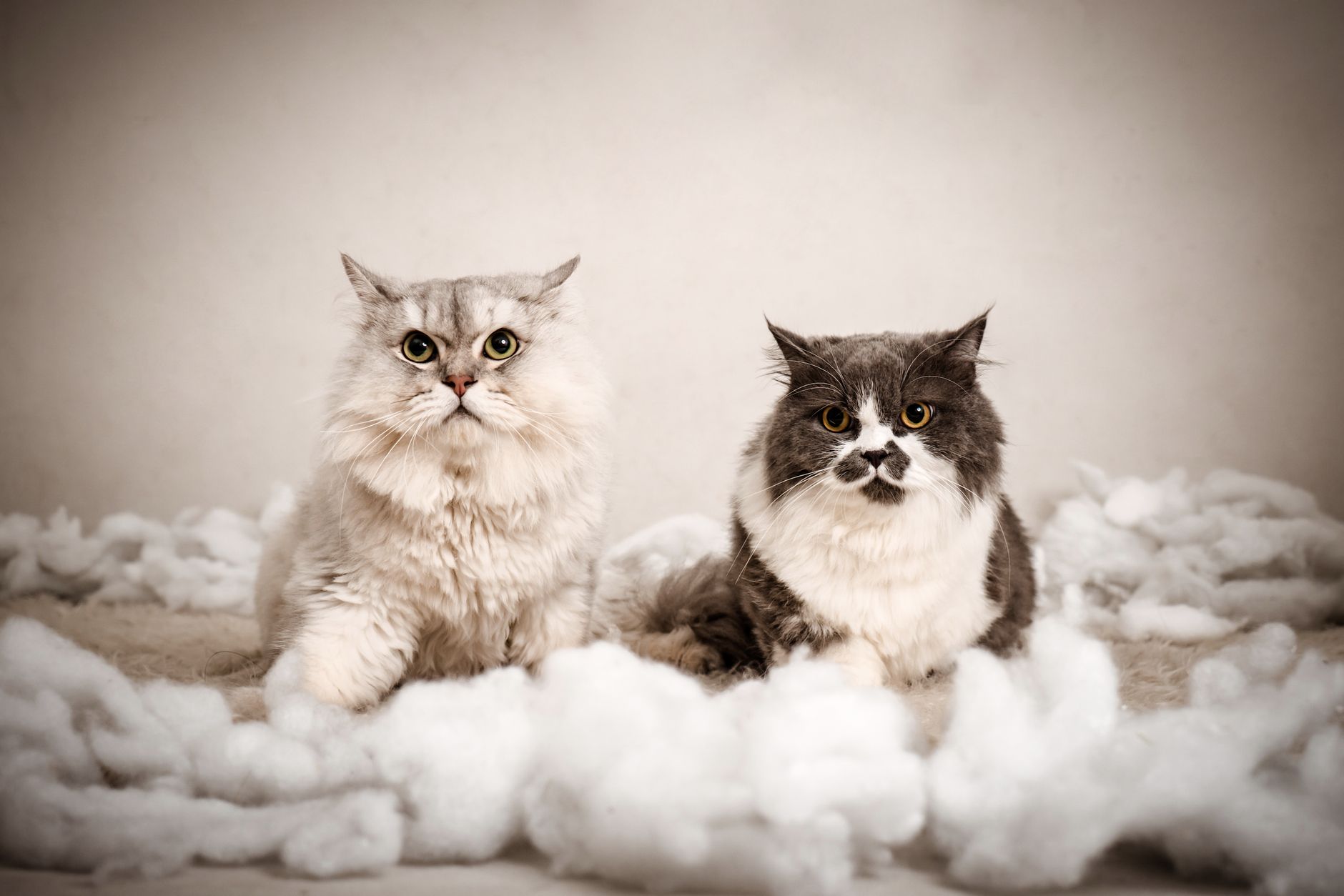
No, it is not safe for cats to chew on shoes. While casual mouthing or light chewing on fabric typically causes no immediate harm, regular or aggressive shoe chewing can lead to serious health complications including intestinal blockages, choking hazards, and toxic exposure depending on the shoe materials. A cat that regularly gnaws on rubber soles, leather uppers, or synthetic materials risks swallowing pieces that may lodge in the digestive tract and require emergency veterinary surgery.
Shoe chewing in cats often signals an underlying issue rather than a harmless habit. The behavior may indicate nutritional deficiencies, dental disease, boredom, anxiety, or even a medical condition like pica—an abnormal craving to chew or consume non-food items. For example, a three-year-old tabby that suddenly became obsessed with gnawing on her owner’s running shoes was later diagnosed with hyperthyroidism, a condition that triggers excessive oral behavior. Identifying why your cat is chewing shoes is the first step to preventing injury.
Table of Contents
- Why Do Cats Chew on Shoes and Other Household Items?
- Physical Hazards and Internal Injuries from Shoe Materials
- Toxic Adhesives, Dyes, and Coatings on Shoes
- Prevention Strategies and Environmental Management
- When Chewing Indicates Serious Medical or Behavioral Problems
- Recognizing and Responding to Blockage Symptoms
- Long-Term Management and Monitoring for Chronic Chewers
Why Do Cats Chew on Shoes and Other Household Items?
cats chew on shoes for several distinct reasons, and understanding the cause is essential for intervention. Young kittens under one year old often chew as part of normal exploratory play and teething, similar to puppies. Adult cats, however, usually chew shoes due to stress, boredom, or an attempt to satisfy an oral fixation. Environmental factors like a move to a new home, the arrival of a new pet, or changes in daily routine can trigger anxiety-driven chewing. One Maine Coon owner noticed her cat began destroying shoes specifically when she started working longer hours at a new job—the increased alone time generated stress that manifested as destructive behavior.
Certain medical conditions also drive shoe chewing. Hyperthyroidism, which affects many older cats, causes hyperactivity and compulsive behaviors including chewing. Dental pain from abscessed teeth or gingivitis can motivate cats to gnaw on soft materials to relieve discomfort. Additionally, some cats develop pica as a symptom of nutritional deficiency, particularly if they’re missing key minerals or amino acids. Cats fed exclusively on low-quality commercial diets sometimes exhibit increased chewing behavior that resolves once their diet improves.
Physical Hazards and Internal Injuries from Shoe Materials
Shoes contain numerous materials that pose specific dangers when ingested. Rubber soles can be particularly problematic because they don’t break down easily in the digestive system and can create complete blockages requiring emergency surgery. Leather, while somewhat digestible in small amounts, can accumulate in the stomach and cause impaction. Synthetic fabrics like polyester or nylon found in modern shoe linings may fragment and lodge between the intestines.
The glue used in shoe construction often contains toxic compounds that can damage the stomach lining or cause systemic poisoning depending on the adhesive type. A limitation of observation alone is that cat owners often underestimate how much material their cat has actually ingested. A cat might chew on a shoe for several minutes and appear to stop, but may have swallowed a piece of rubber or fabric that doesn’t cause immediate symptoms. Signs of blockage—including loss of appetite, vomiting, lethargy, or constipation—may not appear for two to seven days after ingestion, creating a dangerous window where the blockage worsens silently. One veterinary emergency clinic reported that approximately 15% of their obstructive surgeries in cats involved foreign material from shoes and clothing.
Toxic Adhesives, Dyes, and Coatings on Shoes
Beyond the structural materials, shoes are treated with numerous chemical coatings and dyes that are not formulated for ingestion by animals. Waterproofing treatments applied to leather or fabric shoes often contain silicones or petroleum-based compounds. Dyes used to color shoe leather or synthetic materials may include heavy metals or azo compounds that are known irritants or toxins.
Rubber sole stains and dyes, particularly in cheaper shoes, can contain cadmium or lead—elements that accumulate in feline tissues and cause chronic poisoning even in small doses. Athletic and performance shoes present an additional risk because they often contain flame-retardants, antimicrobial coatings, and synthetic polymers engineered for durability rather than safety. A Siamese cat that chewed extensively on her owner’s new hiking boots developed vomiting and abdominal pain; veterinary testing revealed residues of a brominated flame-retardant in her system. Some shoe brands use glues that include formaldehyde or similar preservatives—chemicals that are safe in trace amounts on the sole but potentially dangerous when concentrated in the stomach of a small animal.
Prevention Strategies and Environmental Management
The most effective approach to preventing shoe chewing is to eliminate access and provide appropriate alternatives. Store shoes in a closed closet, cabinet, or box where your cat cannot reach them—leaving shoes openly displayed essentially invites problem chewing. Cats with strong oral fixation needs benefit from designated chewing toys designed for feline safety, such as soft rubber toys, sisal rope toys, or specialized dental chew products. A comparison worth noting: silicone or natural rubber toys designed for cats are formulated to be digestible or extremely durable without splintering, whereas human shoes are designed with no consideration for ingestion safety.
For cats with anxiety-driven chewing, environmental enrichment becomes crucial. Increasing playtime, providing climbing structures, and using interactive toys can redirect the chewing impulse into appropriate activities. Some cats respond well to calming pheromone diffusers like Feliway, which reduces stress-related behaviors. If a medical cause like hyperthyroidism or dental disease is suspected, addressing the underlying condition through veterinary treatment typically eliminates the shoe-chewing behavior entirely. Your veterinarian can run bloodwork to rule out metabolic diseases if chewing behavior appears suddenly or worsens over weeks.
When Chewing Indicates Serious Medical or Behavioral Problems
Compulsive chewing that cannot be redirected or prevented often signals a behavioral disorder or medical emergency. Pica in cats is a genuine medical condition, not simply a quirk, and some cats develop an obsessive need to chew non-food items that supersedes normal satiety signals. These cats may chew through multiple shoe pairs despite prevention attempts, eating significant quantities of material. A warning sign: if your cat vomits after chewing on shoes, this does not necessarily mean the blockage has cleared—partial blockages can cause recurring vomiting while pieces remain lodged in the intestines, eventually worsening.
Some cats that develop shoe chewing behavior are responding to neurological issues including compulsive disorders similar to obsessive-compulsive disorder in humans. These cases may require veterinary behavioral medication in addition to environmental management. Untreated, severely compulsive chewing can lead to multiple surgical interventions over a cat’s lifetime, making early intervention both a welfare and financial concern. A limitation of home management is that behavioral medication, when needed, requires a veterinary diagnosis and prescription—this is not a situation where prevention alone will solve the problem.
Recognizing and Responding to Blockage Symptoms
If your cat has chewed on a shoe and shows any concerning signs, seek immediate veterinary care rather than waiting to see if symptoms resolve. Vomiting after chewing on shoes, loss of appetite lasting more than a few hours, abdominal pain (indicated by hunched posture or reluctance to move), or straining in the litter box all warrant emergency evaluation. X-rays or ultrasound can often detect foreign material in the digestive tract.
One cat owner waited two days after noticing her Persian cat chewing on a rubber sole to seek veterinary care; by then, the blockage had partially ruptured the intestinal wall, turning what would have been a straightforward surgery into a life-threatening emergency. Preventing multiple incidents is as important as treating individual episodes because repeated blockages damage the intestinal lining and increase scarring, making future blockages more likely even from smaller pieces. If your cat has already swallowed shoe material and been treated surgically, aggressive prevention of future chewing becomes essential.
Long-Term Management and Monitoring for Chronic Chewers
Cats with a history of shoe chewing require ongoing vigilance and management, even after the initial cause is addressed. Some cats develop this behavior as a learned habit and continue the behavior pattern even after the underlying trigger is resolved. For these chronic chewers, combining environmental prevention with consistent redirection to appropriate toys is necessary long-term. A specific example: one Turkish Van cat had been chewing shoes since kittenhood due to boredom and lack of enrichment; even after the owner increased play time and provided multiple toy options, the cat still attempted to access shoes whenever possible.
The owner’s solution was a combination of locked storage and specific monitoring—watching for the cat to approach stored shoes and redirecting attention to play before the chewing could begin. Regular veterinary check-ups for chronic chewers help catch any signs of accumulated gastrointestinal damage early. Some cats eventually develop strictures or scar tissue in their digestive tract from previous blockages, which can predispose them to future obstructions from even smaller foreign objects. Managing a chronic shoe-chewing cat requires patience and consistent environmental controls, but this investment prevents expensive emergency surgeries and potentially life-threatening complications.