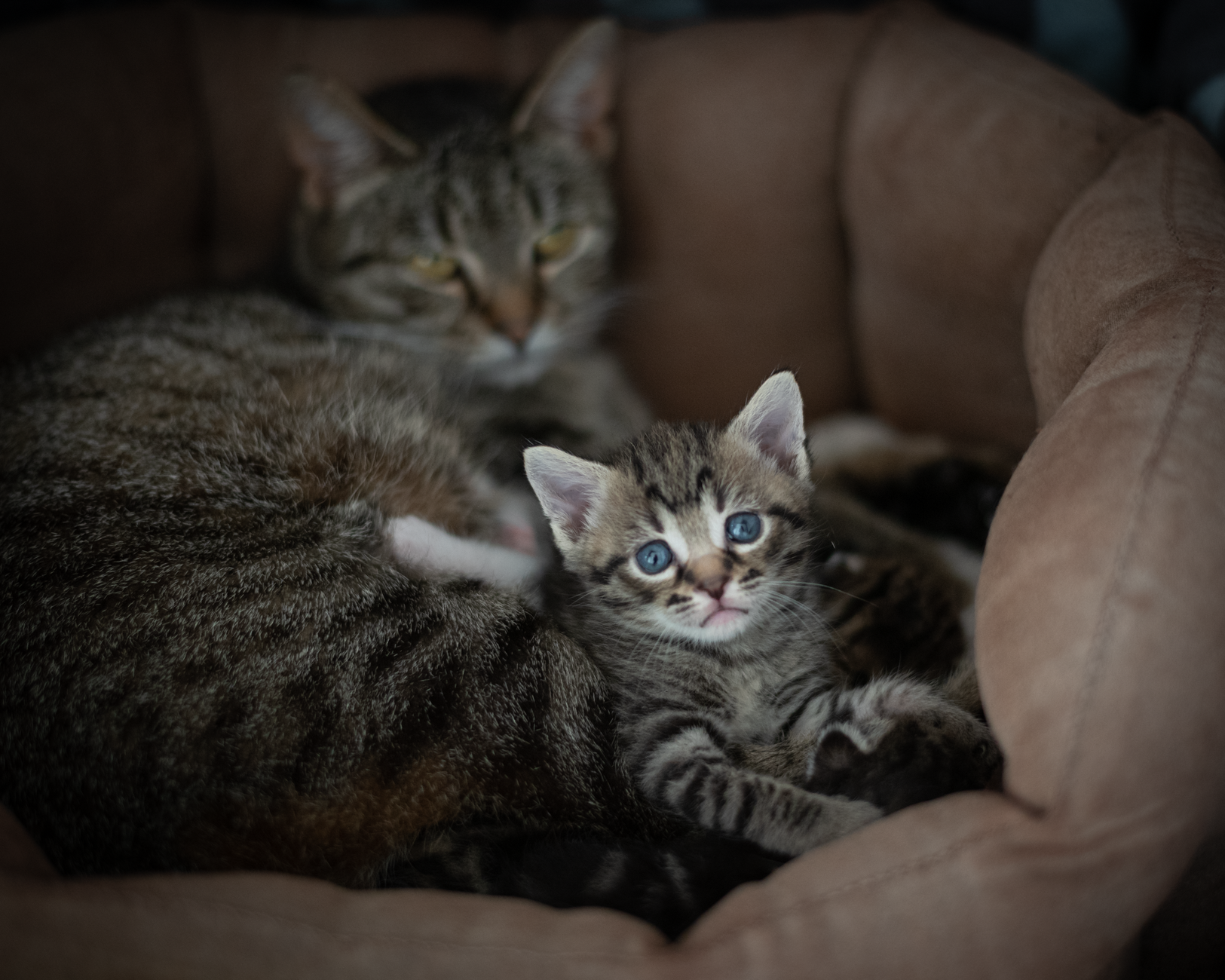
Yes, cats sleeping all day is generally safe and completely normal feline behavior. Cats are crepuscular animals, meaning they’re naturally most active during dawn and dusk, and they spend the majority of their remaining time resting—typically 12 to 16 hours per day, with some older cats sleeping as much as 20 hours. A healthy adult cat lounging on your couch for most of the day is not a cause for concern on its own. However, the safety of prolonged sleep depends on the context.
A young, active cat that suddenly becomes lethargic and sleeps constantly may signal an underlying health problem. Similarly, a cat that never engages in play or hunting behavior due to boredom can develop behavioral and metabolic issues over time. The key distinction is between normal rest and unhealthy inactivity. For example, an indoor cat that naps for 14 hours, then has two active play sessions and some hunting-based enrichment during the remaining time, is exhibiting perfectly healthy sleep patterns. But a 3-year-old cat that was previously playful and now sleeps 18 hours while ignoring toys should prompt a veterinary visit.
Table of Contents
- How Much Sleep Is Normal for Cats at Different Life Stages?
- When Excessive Sleep Becomes a Health Concern
- Kittens, Adults, and Senior Cats: Sleep Needs Change Over Time
- Creating an Environment That Supports Healthy Sleep Patterns
- Health Conditions That Cause Excessive Sleeping and Lethargy
- The Role of Hunting Instinct and Play in Preventing Sedentary Sleep
- Monitoring Sleep Patterns and When to Consult Your Veterinarian
How Much Sleep Is Normal for Cats at Different Life Stages?
The amount of sleep cats require varies significantly by age. Kittens under one year old need 18 to 20 hours of sleep per day because growth and development are metabolically expensive. Teenagers and adult cats (1 to 10 years old) typically sleep 12 to 16 hours daily. Senior cats, generally considered those over 10 years old, often increase their sleep to 16 to 20 hours as their metabolism slows and their joints become less comfortable with movement. Understanding these baselines helps you distinguish between age-appropriate rest and problematic changes.
A 12-year-old Persian sleeping 18 hours is expected behavior. The same sleep pattern in a 2-year-old Maine Coon might warrant investigation, especially if accompanied by other changes like decreased appetite or reluctance to jump on furniture. Some variation occurs between individual cats and breed tendencies. Breeds like Ragdolls and Birmans tend toward more sedentary lifestyles, while breeds like Bengals and Abyssinians are naturally more active and typically sleep less. Indoor cats also sleep significantly more than outdoor or barn cats, which must expend energy on hunting, territorial patrols, and environmental awareness.
When Excessive Sleep Becomes a Health Concern
While normal sleep is healthy, excessive sleep combined with other symptoms can indicate illness. Conditions like hyperthyroidism (common in older cats), anemia, diabetes, and kidney disease all reduce energy and increase sleep duration. A cat sleeping excessively may also have pain from arthritis or dental disease that makes movement uncomfortable. The critical warning sign is a sudden change in your cat’s baseline behavior. If your cat has historically been moderately active and now sleeps through feeding times or ignores interactive toys, this shift demands veterinary attention.
Additionally, sleep paired with decreased appetite, vomiting, inappropriate elimination, or unusual body odor should never be dismissed as normal aging. These combinations suggest treatable conditions like urinary tract infections or thyroid problems. Another limitation of assuming “cats just sleep a lot” is that it can mask early-stage cancer, organ failure, or chronic pain. Owners sometimes miss the narrow window for effective treatment because they attributed lethargy to normal feline behavior. Establishing a baseline of your individual cat’s personality, activity patterns, and appetite makes deviations obvious.
Kittens, Adults, and Senior Cats: Sleep Needs Change Over Time
Kittens sleep heavily because they’re building muscle, bone, and neurological development. That 16-week-old kitten sleeping 20 hours between brief, explosive bursts of play is following its natural program perfectly. During these intense play sessions, kittens practice hunting, climbing, and social skills essential to their development. Adult cats (1 to 7 years old) typically reach a balance between sleep and activity. These cats need regular interaction, play, and environmental enrichment to maintain muscle tone and mental stimulation.
A typical day for a healthy adult indoor cat includes two to three interactive play sessions of 10 to 15 minutes each, some solo hunting-based play with toys, exploration, and grooming, with the remaining time spent sleeping or resting quietly. Senior cats gradually shift toward more sleep and less activity, which is physiologically appropriate but still requires monitoring. Arthritis, cognitive dysfunction, and reduced sensory acuity all contribute to increased rest. However, a senior cat should still have brief active periods and maintain interest in familiar people, routines, and food. A 13-year-old cat that naps 18 hours but still greets you at the door, enjoys a few minutes of gentle play, and eats regularly is aging normally.
Creating an Environment That Supports Healthy Sleep Patterns
The quality of a cat’s sleep environment directly affects whether daytime sleeping becomes rest or stagnation. Cats prefer dark, warm, elevated spaces for sleeping—consider that your cat napping in a sunny windowsill for hours is comfortable and secure, not problematic. Multiple sleep spots throughout your home (high perches, enclosed beds, warm furniture) encourage your cat to rest while feeling safe. However, environmental enrichment during waking hours is equally important. Cats that sleep excessively because they have nothing else to do begin losing muscle tone, experience weight gain, and develop behavioral problems like aggression or destructive scratching.
A home with climbing structures, window perches for bird watching, puzzle feeders, and interactive toys gives cats mental stimulation and reasons to move throughout the day. Even 15 minutes of interactive play with a wand toy or laser pointer (followed by a physical toy kill, so the cat “catches” something) can activate a sleeping cat’s instincts and provide necessary activity. The tradeoff is that enrichment requires your time and planning, whereas a sleeping cat is low-maintenance. Apartment-dwelling cats especially may sleep more simply because their environment offers less to explore. Adding vertical space, rotation of toys, and scheduled play sessions makes the difference between a cat that sleeps out of necessity and one that sleeps from boredom.
Health Conditions That Cause Excessive Sleeping and Lethargy
Several treatable conditions present as excessive sleeping and deserve veterinary investigation. Hyperthyroidism, common in cats over 10 years old, can paradoxically cause both hyperactivity and fatigue depending on severity. Hypothyroidism (less common but possible) causes sluggishness, weight gain, and increased sleep. Chronic kidney disease, affecting up to 10% of cats over age 10, leads to lethargy, weakness, and increased sleep as the body conserves energy. Pain is another frequently overlooked cause of excessive sleep. Dental disease, arthritis, urinary crystals, and spinal issues all hurt, and a painful cat rests more and moves less to avoid discomfort.
Owners often chalk this up to the cat “finally being calm,” when the cat is actually disabled. Anemia, whether from bleeding, poor nutrition, or kidney disease, reduces oxygen delivery to muscles and causes fatigue and sleep. A critical warning: loss of appetite combined with increased sleep is rarely normal. This combination suggests infection, organ dysfunction, or cancer. Similarly, if your cat sleeps excessively and also has labored breathing, excessive water intake, or vomiting, see your veterinarian immediately. These combinations accelerate rapidly in cats and early intervention can extend quality of life or cure the condition entirely.
The Role of Hunting Instinct and Play in Preventing Sedentary Sleep
Cats are obligate carnivores and hunters by design, even when domesticated. Indoor cats that never hunt experience a suppressed form of their primary behavioral drive. This doesn’t mean they suffer dramatically, but it does mean they’re missing stimulation that naturally activates their alertness and movement.
Cats that hunt (even toys simulating prey) have more robust muscle tone, better metabolic function, and often sleep more soundly because their activity is purposeful rather than desperate. Puzzle feeders and feeding toys create mini-hunts during mealtime, breaking up long sleep sessions with brief activity. A cat that eats from a bowl in 30 seconds sleeps longer than a cat that “hunts” kibble from a puzzle feeder over 10 minutes. This small change—making eating require effort—tangibly increases daily activity and reduces sedentary sleep.
Monitoring Sleep Patterns and When to Consult Your Veterinarian
Tracking your cat’s actual sleep pattern—not just assuming it sleeps—provides valuable data for veterinary visits. Note when your cat sleeps, how long, whether it rouses when you move or make noise, and how active it is during waking hours. Cats that sleep through normal household activities (kids, other pets, doors closing) may be sleeping more deeply or longer than healthy cats. Baseline observations matter most.
If your veterinarian asks whether your cat’s sleep has changed and you can say “Usually sleeps 14 hours but now sleeps 18 to 20,” you’ve provided information that guides diagnosis. Bring a list of other observations: appetite changes, litter box changes, behavioral shifts, or changes in favorite activities. A cat that used to sunbathe on a high shelf and now sleeps on the floor may have developed arthritis. A cat that suddenly sleeps through dinner may have developed pain or illness. These details, paired with your cat’s normal daytime sleep, help your veterinarian rule in or out medical causes of change.
- —