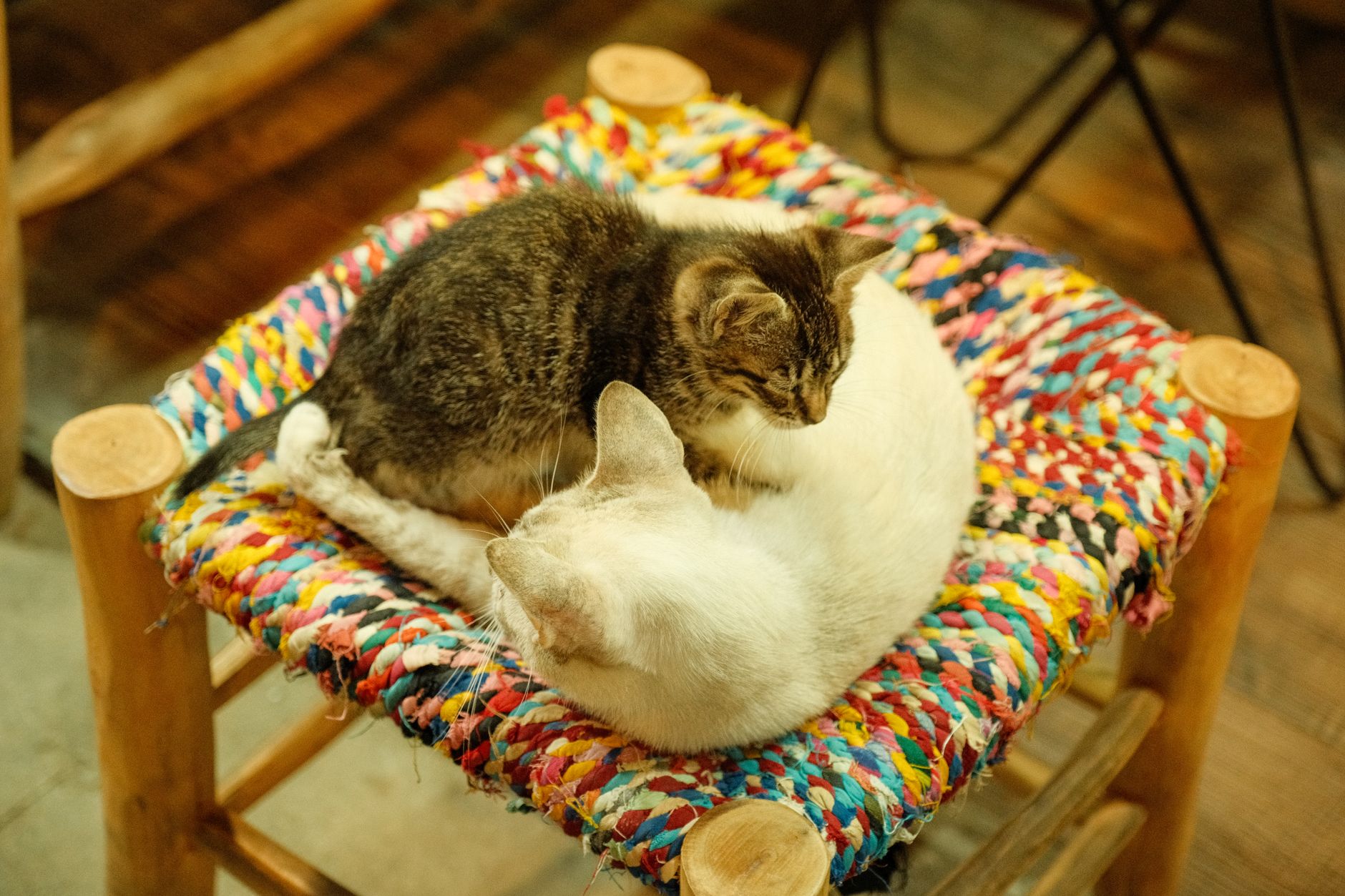
Cat-themed tours have emerged as an unexpected draw for pet lovers visiting Minneapolis, tapping into the broader phenomenon of cat cafés and feline-focused experiences that have gained traction across North American cities. These tours typically invite visitors to explore residential neighborhoods known for feral or semi-feral cat colonies, or to visit homes of local cat enthusiasts and breeders, offering an up-close perspective on how cats behave in their natural urban environments. For tourists accustomed to indoor museum visits or conventional sightseeing, a guided neighborhood cat walk represents a markedly different way to engage with both local culture and animals. The appeal reflects a shift in travel preferences, particularly among millennials and Gen Z visitors, who increasingly seek experiences centered on animal encounters and niche communities.
Rather than passive observation, these tours often involve hands-on interaction—petting, photographing, and learning directly from guides who maintain detailed knowledge of individual cats’ temperaments and histories. Minneapolis, with its substantial cat-loving population and growing reputation for supporting alternative tourism experiences, has seen small-scale tour operators begin offering these experiences to visiting pet lovers. What distinguishes these tours from standard pet-sitting or animal sanctuary visits is their focus on urban settings and the unscripted nature of encountering neighborhood cats. Unlike a controlled zoo environment, cat tours in residential areas emphasize the spontaneity of discovery: visitors may or may not encounter every cat, may or may not achieve close contact, and gain insights into how cats navigate city life. This unpredictability appeals to experienced cat owners and behavior enthusiasts, though it also introduces logistical and welfare challenges that tour operators and participants must carefully navigate.
Table of Contents
- What Makes Cat Tours a Draw for Minneapolis Visitors?
- The Reality of Running and Participating in Cat Tours
- How Feline Stress and Behavior Shape Tour Experiences
- Planning a Cat Tour Visit: What Prospective Participants Should Know
- Health, Safety, and Liability Concerns in Cat Tours
- How Cat Tourism Fits into Minneapolis’s Broader Pet Culture
- The Experience From the Cat’s Perspective and Practical Realities
- Frequently Asked Questions
What Makes Cat Tours a Draw for Minneapolis Visitors?
The appeal of cat tours reflects genuine curiosity about feline behavior and a desire to connect with animals beyond typical pet ownership. Minneapolis visitors—whether from within the region or traveling nationally—often cite frustration with traveling to see cats. Many travelers own cats at home but want the novelty of encountering new cats, observing different behaviors, or learning from knowledgeable guides about breed characteristics, socializing techniques, or urban ecology. A cat tour positions itself as addressing this specific want: structured access to cats outside the visitor’s normal environment, combined with expert narration about feline cognition and local ecology. Tourism marketing research suggests that animal-focused experiences rank consistently high among discretionary travel expenditures, particularly for younger travelers willing to spend premium rates for experiences they perceive as educational or Instagram-worthy.
Cat tours benefit from this broader trend while capitalizing on Minneapolis’s existing identity as a pet-friendly city. The tours also serve a practical function for potential adopters visiting the area who want to spend time with cats before or after visiting adoption agencies, getting a clearer picture of what living with cats entails. However, the popularity also reflects a gap in available pet experiences. Most mainstream tourism emphasizes dogs—service-dog demonstrations, dog parks, pet-friendly restaurant patios—while cats remain underrepresented in formal tour offerings. Cat tours, whether small and local or more developed operations, fill this void. That said, sustaining this market requires navigating the reality that cats are territorial, stress-responsive animals; a tour’s actual quality depends heavily on choosing stress-acclimated cats, manageable group sizes, and guides trained in feline behavior and welfare.
The Reality of Running and Participating in Cat Tours
Behind the appeal of a cat tour lies significant operational complexity that many participants and operators underestimate. Successfully conducting a cat tour requires securing access to cats (whether through partnerships with rescue organizations, private breeders, or property owners with established cat colonies), obtaining appropriate liability insurance, managing participant expectations, and maintaining a schedule that works around feline temperament, weather, and seasonal variations. Unlike dog tours, where dogs are routinely walked and trained to tolerate groups, the domestic cats involved in tours may have limited experience with strangers, multiple simultaneous handlers, or outdoor settings. Tour operators face tough decisions about group size, duration, and route. A tour with fifteen participants and a one-hour duration represents a dramatically different experience than one with four people visiting three specific homes. Larger groups increase stress for cats, reduce individual attention to tour participants, and heighten liability concerns if a participant is scratched or an indoor cat escapes.
Smaller tours demand higher per-person pricing to sustain the operation, which narrows the customer base. Some operators work exclusively with bred cats from local breeders or with semi-feral colony cats habituated to human presence over years; others have struggled when attempting to integrate newly rescued cats into tour rotations too quickly. Weather also constrains cat tours in Minneapolis’s climate. Winter tours are logistically difficult—cold stress affects cats, outdoor viewing becomes uncomfortable for both animals and participants, and snow can alter terrain and cat behavior. Spring and fall generally offer the most viable windows, though tour operators must account for feline seasonal behaviors (reduced activity in extreme heat, increased territoriality during breeding seasons) and the reality that not all neighborhoods remain equally appealing across seasons. Participants who book a summer cat tour may discover significantly different experiences from an autumn visit.
How Feline Stress and Behavior Shape Tour Experiences
A fundamental challenge in offering cat tours is that cats are stress-responsive animals; their welfare during these experiences directly depends on recognizing and minimizing environmental stressors. Signs of stress in cats include dilated pupils, flattened ears, excessive grooming, attempting to hide, decreased appetite, and aggression. A cat tour, by definition, introduces variables cats don’t naturally encounter: crowds of unfamiliar humans, physical contact from strangers, altered routines, and potentially new environments. Responsible tour operations build in safeguards: limiting group size, establishing clear rules about handling, using treats and play to create positive associations, and having a backup plan if a cat shows clear distress. Individual cats respond remarkably differently to the same stimuli. A kitten raised in a multicat household with frequent socialization may enjoy interacting with tour participants, while an older cat with limited human contact may hide or become aggressive under identical conditions.
Guides with genuine feline expertise can read these nuances and adjust the tour accordingly—spending more time with willing participants, offering alternative activities when a cat retreats, and educating visitors on why a particular cat may not be available for petting. Tours led by guides without this background frequently result in stressed animals and disappointed participants, undermining both animal welfare and the tour’s reputation. Behavioral expectations also require calibration. Cats don’t “perform” or engage on command the way trained dogs might. A tour participant expecting a cat to respond to a toy or allow petting may encounter a cat that ignores both. This unpredictability frustrates some visitors but delights others who gain unexpected insights into feline independence and autonomy. Educational framing—explaining that observing a cat choose not to interact is itself informative about feline agency—separates tours that genuinely educate from those that simply parade animals for entertainment.
Planning a Cat Tour Visit: What Prospective Participants Should Know
Before booking a cat tour in Minneapolis, prospective participants should evaluate the operator’s approach to feline welfare and clear their own expectations. Reputable tours should provide information about cat numbers, ages, behavioral backgrounds, group size limits, and specific welfare protocols. Red flags include operators unwilling to discuss stress-management practices, guarantees that participants will be able to handle every cat, or tours with inconsistently large groups. Asking directly how the operator decides whether a cat is ready for a tour, what happens if a cat shows signs of stress, and how the operator has trained to recognize feline behavior signals offers insight into their expertise. Participants should also plan practically. Cat tours typically involve walking, potentially in warm or cold weather, so appropriate footwear and clothing matter.
Bringing hand sanitizer is wise—cats can carry pathogens, and participants often interact with multiple animals. People with cat allergies face a particular challenge: some tours can accommodate allergy-prone visitors by designating allergy-friendly routes or offering non-contact observation, but not all operators offer this flexibility. Families with very young children (under age six) should confirm whether the tour is genuinely appropriate; young children have difficulty reading feline body language, may attempt to grab or squeeze cats, and can themselves stress animals through unpredictable movements and noises. Pricing for cat tours varies significantly based on operator, group size, and region. Tours may range from modest fees for local, small-group experiences to premium rates for specialized or destination-scale offerings. Participants should compare what’s included: some tours offer tea at a cat café afterward, access to adoption information, or educational materials on feline behavior, while others are strictly neighborhood walking experiences. Evaluating cost against included value helps prospective visitors make informed booking decisions and avoid overpaying for a basic walk-through.
Health, Safety, and Liability Concerns in Cat Tours
Participants in cat tours face real but manageable health considerations. Cats can scratch or bite, particularly when stressed or startled, and certain pathogens (toxoplasma gondii, for example) present genuine though low-probability health risks. Individuals with compromised immune systems, pregnant people, or those taking immunosuppressive medications should discuss participation with their healthcare provider and should inform tour operators of these conditions so operators can adjust handling protocols or restrict contact to visually observing only. Tours should offer clear guidance on handwashing after contact and on recognizing when a cat appears unwell. Liability issues are less straightforward. Most jurisdictions don’t legally classify cats the same as dogs in liability frameworks, which creates ambiguity about what operators’ insurance covers and what participants can legally claim if injured.
A participant scratched during a tour might struggle to establish clear liability, particularly if the scratch occurred during contact the participant initiated. Written waivers are common but not universally enforceable. Operators who work with rescue organizations often benefit from the organization’s established liability frameworks; individual operators running informal tours may lack adequate coverage entirely, exposing themselves to risk and leaving injured participants with limited recourse. Participants should ask directly whether the operator carries liability insurance and what that insurance covers. Zoonotic disease transmission, while uncommon, remains a theoretical concern, particularly if tours involve interaction with community cat colonies. Although domestic cats rarely transmit serious diseases to humans under normal circumstances, operators should document that cats have received age-appropriate vaccinations and that regular health checks occur for cats in tour rotations. Tour participants with concerns about disease transmission should prioritize tours working with screened, vaccinated animals over those involving feral or unvaccinated colony cats.
How Cat Tourism Fits into Minneapolis’s Broader Pet Culture
Minneapolis has cultivated an unusually strong reputation as a pet-friendly city, with extensive dog parks, pet-friendly restaurants and breweries, and a robust network of animal rescues and advocacy organizations. Within this landscape, cat tours represent a notable expansion, reflecting recognition that cat owners represent a significant market segment currently underserved by mainstream tourism. The city’s identity as progressive and quirky—aligned with unusual or niche cultural experiences—creates social permission for cat tours that might seem odd in other regions.
The growth of cat cafés nationally has established a cultural template for cat-centered commercial experiences, demonstrating that people will pay for structured feline interaction. Minneapolis operators capitalized on this precedent, building cat tours as a complement to existing pet experiences rather than a replacement. Cat tours also align with broader trends in ecotourism and urban nature tourism, positioning neighborhood cats as part of the urban ecosystem worth observing and learning from. This framing elevates cat tours from simple novelty experiences to something positioned as educational and culturally meaningful.
The Experience From the Cat’s Perspective and Practical Realities
A cat tour, from the feline participant’s perspective, is an unusual and potentially stressful event that requires careful management to minimize negative impact. Cats evolved as solitary or small-group hunters; an extended interaction with multiple unfamiliar humans contradicts their natural social structure. Some cats, particularly those socialized from kittenhood to human contact and environmental variability, handle this gracefully. Others endure tours but show clear signs of stress.
Ethical tour operations acknowledge this reality and structure experiences to minimize duration and intensity of stressors. The practical reality is that a well-run cat tour is less about maximizing cat-human interaction and more about providing educational observation, teaching participants about feline behavior and cognition, and showcasing individual cats in ways that allow them dignity and autonomy. Tours that allow cats to opt out—to retreat to hiding spaces without judgment—actually offer participants more meaningful learning than those forcing every cat into interaction. A participant who watches a cat choose solitude learns more about feline nature than one who handles a stressed animal briefly. The most sustainable cat tours are those that view participant education and feline welfare as aligned goals rather than competing interests.
Frequently Asked Questions
Are cat tours different from cat cafés?
Yes. Cat cafés are indoor venues where visitors can watch and interact with resident cats in a controlled space while consuming beverages. Cat tours involve guided walks through neighborhoods or visits to multiple locations, typically focusing on urban cats or visiting multiple homes. Cat cafés emphasize prolonged, comfortable contact; cat tours emphasize discovery and observation.
What should I do if I’m allergic to cats but want to participate in a cat tour?
Contact the tour operator before booking to ask whether they offer allergy-accommodating options, such as limiting contact or designating observation-only routes. Some operators can provide these alternatives; others cannot. Be honest with yourself about whether even reduced exposure will be comfortable.
Can cat tours spread diseases to my cat at home?
The risk is low but not zero. Tour participants may encounter pathogens or parasites through contact with tour cats. Practicing good hygiene after a tour—changing clothes, washing hands, avoiding rubbing your face—significantly reduces transmission risk. If your cat has a compromised immune system, consult your veterinarian before participating.
Why don’t more cat tours exist if they’re so popular?
Operating cat tours requires significant expertise in feline behavior, access to stress-tolerant cats, liability management, and marketing to a sufficiently large audience to justify operation costs. Dog tours are more common because dogs are more easily trained, walk routinely, and show more obvious enthusiasm for group activities. Sustainable cat tours require either a critical mass of local demand or a specialized operator willing to invest in education and welfare standards.
Is it ethical to include cats in neighborhood tours?
Whether a cat tour is ethical depends on the specific implementation. Tours that stress cats, involve too much handling, or ignore signs of distress are ethically problematic. Tours that work with carefully selected, socialized cats; maintain small group sizes; allow cats agency to opt out; and prioritize feline welfare over entertainment value can be ethical and even beneficial for the individual cats by increasing human-cat positive associations.