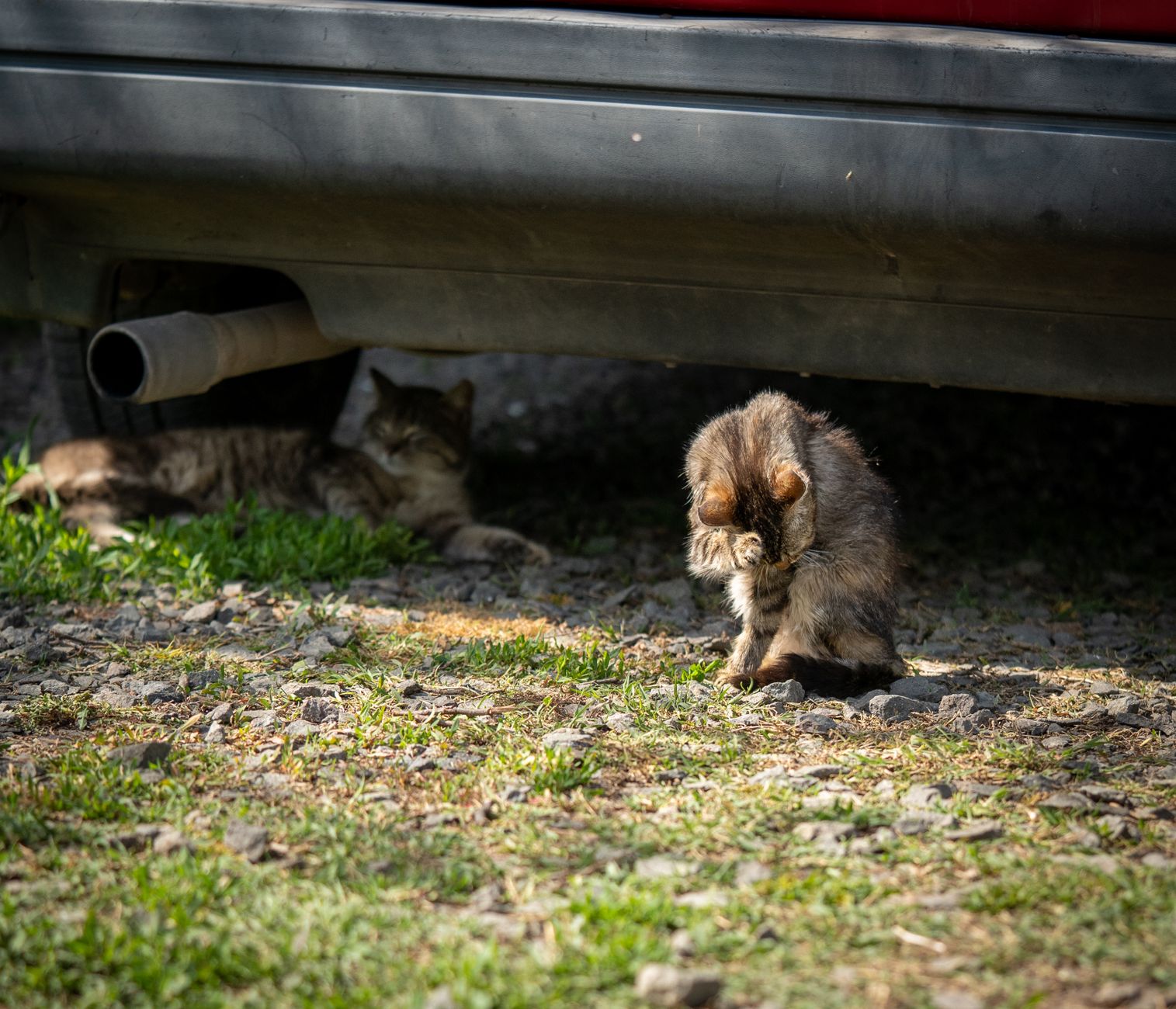
Cats hide in surprisingly cramped and unusual places when frightened or disoriented, and the area under a bathtub is a common refuge that owners often overlook during search efforts. When a cat goes missing for even 24 hours, the stress of being trapped or lost can drive it to find the most enclosed, protected space available, which in indoor homes frequently means under furniture, inside walls, or in the case of this scenario, wedged beneath or behind a bathtub. A cat missing for 30 hours may be dehydrated, scared, and reluctant to respond to calls, making discovery a matter of systematic searching rather than assuming your pet has strayed far from home.
The story of a cat found under a bathtub after 30 hours missing highlights a fundamental principle of feline behavior: cats do not think the way humans do when lost or frightened. Rather than wandering in search of their owner or exploring the neighborhood, most indoor cats retreat into the closest hiding spot they can find. This behavior, driven by survival instinct, often keeps lost pets in their own homes or very nearby, where they remain silent and motionless for hours or even days. Understanding this instinct is crucial for anyone whose cat has gone missing and seems to have disappeared completely.
Table of Contents
- Why Cats Hide Under Bathtubs and Other Low Spaces When Missing
- Understanding the Physical and Psychological Stress of Extended Hiding
- How to Systematically Search for a Hidden Cat in Your Own Home
- Health Checks and Recovery Care After Finding Your Lost Cat
- Prevention: How to Avoid Your Cat Going Missing or Hiding in the First Place
- Stress Responses and Long-Term Behavioral Recovery
- Recognizing When Your Cat Might Be Hiding at Home Versus Truly Lost
- Frequently Asked Questions
Why Cats Hide Under Bathtubs and Other Low Spaces When Missing
cats seek enclosed spaces because confinement provides a sense of security and reduces their anxiety when experiencing stress or fear. A bathtub, bathtub cabinet, or the gap underneath offers several advantages from a cat’s perspective: it has a low ceiling (which feels protective), provides cover from view, maintains temperature, and often has a smooth floor that doesn’t trigger the sensation of being trapped in debris or dangerous material. When a cat slips into such a space during a moment of panic—perhaps from a loud noise, an unfamiliar visitor, or an accidental escape—it may remain there even after the original threat has passed. The duration of 30 hours is not unusual for a hidden cat.
Many documented cases involve cats staying motionless in confined spaces for one to three days or longer without making a sound. Some cats will not respond to their owner’s voice, the sound of favorite toys, or even the opening of a food can, because the fear of remaining hidden overrides the drive to emerge. A cat in this state may be fully aware of your presence but too frightened to break its hiding behavior. This is especially true for cats that are naturally anxious, indoor-only cats with limited outdoor experience, or cats that have never been lost before.
Understanding the Physical and Psychological Stress of Extended Hiding
A cat hidden for 30 hours without access to water faces real dehydration risk, even if the ambient humidity is moderate. Unlike humans, cats have efficient kidneys that concentrate their urine and reduce water loss, but they still depend on regular fluid intake. Many cats obtain much of their water from food, so an indoor cat that goes 30 hours without eating or drinking may show signs of lethargy, dry mouth, or tacky gums within hours of being found. This is not a permanent injury, but it requires monitoring and careful rehydration—offering water frequently in small amounts rather than letting the cat drink excessively at once.
The psychological stress of prolonged hiding cannot be overstated. A cat that has spent 30 hours in an extremely confined space is likely experiencing acute anxiety, elevated cortisol levels, and possibly pain from staying in an unnatural position. Some cats may emerge aggressive or unusually timid, and they may exhibit stress-related behaviors such as hiding in new locations, refusing food temporarily, or displaying excessive grooming. It is important not to immediately handle or restrain the cat after discovery; instead, allow it to acclimate to normal activity for several hours before a full physical examination.
How to Systematically Search for a Hidden Cat in Your Own Home
Many owners find their missing cat by making deliberate, methodical searches rather than calling for it passively. Start with the lowest, most enclosed spaces: under beds, inside closets, under sinks, beneath furniture, and yes, under or inside bathtubs and cabinets. Bring a flashlight, not just for visibility but because many cats will reflect eye-shine, making them easier to spot in dark corners. Getting down to eye level with your cat and visually scanning each space is more effective than standing up and peering around.
If your cat has been missing indoors for more than a few hours, consider checking spaces you might not think to search: inside the walls (listen for scratches or meows within walls), behind appliances, under floorboards in basements, and inside any cupboards or cabinets that might have been left open accidentally. Some owners have found success by leaving the litter box, bedding with your scent, or an open can of food in a central location, then sitting quietly in the house for 30 minutes or more. A frightened cat may emerge once it perceives that the house has become calm and safe again. If the cat is in the home but will not emerge, a live trap baited with strong-smelling food (canned tuna, bonito flakes, or chicken) can sometimes coax it out without the owner having to physically corner it.
Health Checks and Recovery Care After Finding Your Lost Cat
Once you locate your cat, avoid an overly enthusiastic greeting. Let the cat come to you if possible, or approach slowly and speak in a calm, gentle voice. Check immediately for obvious injuries: bleeding, swelling, difficulty moving, or labored breathing. Some hidden cats experience minor injuries from trying to squeeze into tight spaces, or they may have scratched themselves if they panicked. Take your cat to a veterinarian within 24 hours, even if it appears unharmed, because internal injuries or shock can develop hours after the stress event.
The recovery period typically lasts from a few days to a week. Provide unlimited access to fresh water and offer frequent small meals rather than one large meal, as the cat’s digestive system may need time to normalize. Many cats are reluctant to eat immediately after being found, which is normal; offer food every few hours and remove uneaten portions rather than leaving food out all day. Watch for signs of continued stress, such as refusing the litter box, excessive vocalization, or aggression toward family members. If these behaviors persist beyond a few days, consult your veterinarian about anxiety-reducing interventions or behavioral support.
Prevention: How to Avoid Your Cat Going Missing or Hiding in the First Place
Microchipping and collar ID tags are often discussed in prevention articles, but an equally important step is cat-proofing your home to eliminate hiding spots that are dangerous or impossible to access. Regularly inspect under sinks and bathtubs for gaps or openings where a frightened cat could squeeze in and become trapped. Use caulk or screening to seal gaps behind appliances, under stairs, or within wall cavities that are accessible to a cat. Check that all windows and doors are secure, and consider installing window screens with reinforced latches.
For indoor cats, the risk of being “lost” in the home often increases during moments of chaos: guests arriving, repairs being done, or when a door is held open during entry. Many owners have found their missing cat was actually in the house the entire time, hidden in response to unusual activity. Teaching your cat to come when called (using consistent treats and positive reinforcement) can reduce the likelihood that a startled cat will dash into a hidden space in the first place. Indoor cats with outdoor access should be spayed or neutered to reduce the instinct to roam, and they should ideally be leash-trained or have access only to secure outdoor enclosures.
Stress Responses and Long-Term Behavioral Recovery
A cat that has been hidden and frightened for 30 hours may display behavioral changes for weeks afterward. Some cats become more clingy and follow their owner constantly, seeking reassurance. Others become withdrawn, refusing affection and preferring to spend time alone. Both responses are normal after a significant stressor.
Provide a consistent, calm environment, maintain regular feeding and play schedules, and avoid sudden changes in routine that might trigger another anxiety response. Use positive reinforcement to help the cat rebuild confidence: play sessions, treats, and gentle handling in a controlled environment all help restore the cat’s sense of safety. If the cat retreats to the same hiding spot repeatedly, do not prevent it from doing so, as this space has now become an established safe zone. Some cats benefit from the addition of a hiding box or cat tent in a comfortable area, which provides a safe refuge without the trauma of being trapped or unreachable.
Recognizing When Your Cat Might Be Hiding at Home Versus Truly Lost
The first 24 hours after a cat goes missing are critical for determining whether the cat is hiding somewhere in or very near your home. Most indoor cats do not have survival skills for outdoor environments and will remain close to home, hiding rather than exploring. The absence of sound—no meowing, no response to treats, no sighting at doors or windows—actually suggests the cat is still in the home, not that it has ventured far away.
By contrast, a cat that is genuinely lost outside will often show up at the door at night, call out from a specific location in the yard, or be spotted by neighbors within the first few days. Distributing flyers, checking local shelters and rescues, and posting on social media are appropriate steps if your cat has outdoor access or escaped outdoors, but for strictly indoor cats, a methodical home search is far more likely to reunite you with your pet. The bathtub example and others like it remind owners that the most common reason an indoor cat cannot be found is not that it has gone missing from the home, but that it is hiding somewhere within it, waiting for the perceived danger to pass.
Frequently Asked Questions
How long can a cat survive hidden under a bathtub without food or water?
Most cats can survive for 3 to 5 days without food, and 2 to 3 days without water, though dehydration becomes a concern well before that timeline. A cat hidden for 30 hours without water should be monitored for dehydration symptoms, but most will recover fully once rehydrated and refed.
Should I force my cat out if I find it hiding?
Avoid forcibly extracting a cat from a tight hiding space if possible. Instead, allow the cat to exit on its own, using positive reinforcement like food or toys. Forceful removal can cause injury and increase the cat’s anxiety.
Will my cat be traumatized by being hidden for 30 hours?
Most cats recover quickly from a 30-hour hiding event, though some may display temporary anxiety or behavioral changes for a few days to a week. Providing a calm, consistent environment helps them normalize faster.
How can I tell if my cat is truly missing or hiding in the house?
Check every low, enclosed space with a flashlight, listen carefully for faint meows or scratches, and try sitting quietly for 30 minutes to see if the cat emerges. If you find no sign after thorough searching, then consider outdoor search methods.
Should I take my cat to the vet after finding it?
Yes, schedule a veterinary visit within 24 hours. The vet can check for injuries, dehydration, and other stress-related complications that may not be immediately obvious.