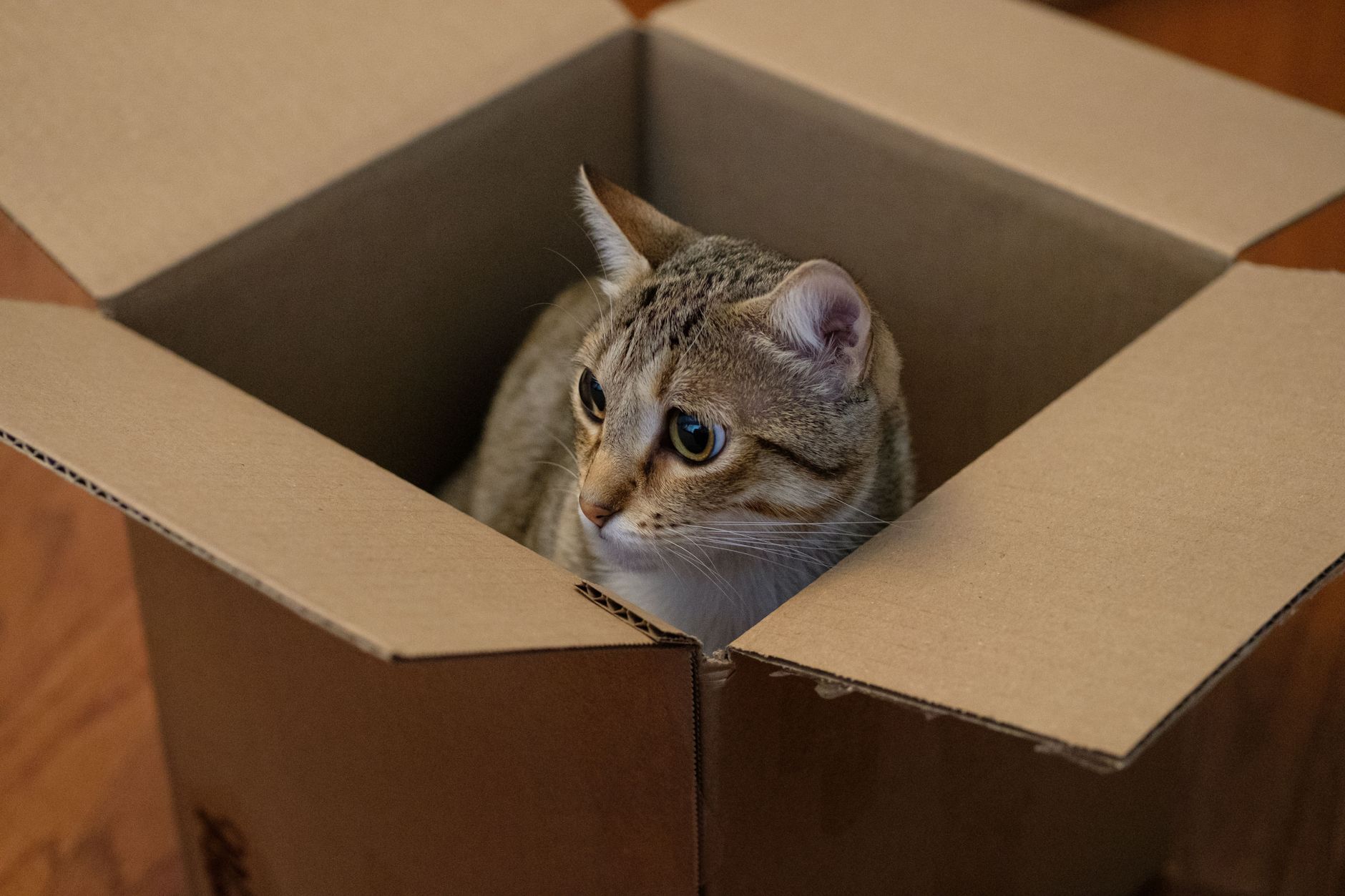
The concept of combining a cat tower with integrated waste storage represents a practical approach to solving a common pet owner’s dilemma: cats need vertical living spaces, but those tall structures consume significant floor space while household storage remains at a premium. A piece of furniture that merges a feline loft—the elevated climbing and perching areas cats naturally crave—with compartments for storing litter supplies, toys, or cleaning equipment addresses both needs simultaneously. This dual-purpose design appeals to cat owners managing limited square footage or those seeking to reduce the visual clutter of separate cat furniture and storage solutions throughout their home.
The appeal of multi-functional pet furniture lies in acknowledging how cats interact with their environment. Cats instinctively seek high vantage points for security and observation; a loft design satisfies this behavioral need while the integrated storage below puts necessary pet-care supplies within arm’s reach. For apartment dwellers or anyone furnishing a smaller home, this arrangement eliminates the need to sacrifice either cat enrichment or practical storage space.
Table of Contents
- What Makes a Feline Tower with Storage Different from Traditional Cat Furniture?
- Storage Integration and Functional Design Considerations
- How Cats Respond to Multi-Level Furniture with Storage Below
- Evaluating Size, Stability, and Space Requirements
- Durability Concerns and Long-Term Maintenance
- Matching Storage Function to Actual Household Needs
- Aesthetic and Home Integration Factors
What Makes a Feline Tower with Storage Different from Traditional Cat Furniture?
Traditional cat towers prioritize climbing levels, scratching surfaces, and enclosed hideaways—elements that support feline behavior but often occupy dedicated floor space without additional function. A storage-integrated design maintains these enrichment features while reclaiming utility from the furniture’s footprint. The lower portion typically includes cabinets, shelves, or open bins designed to accommodate litter boxes, bags of litter, toys, grooming supplies, or cleaning products, depending on the owner’s needs.
This hybrid approach forces tradeoffs. The structural reinforcement needed to safely support a climbing cat while maintaining storage capacity below can influence the overall stability and weight distribution of the piece. Unlike a traditional tower that might be lighter and easier to reposition, a storage-integrated unit often becomes a semi-permanent fixture—heavier, requiring deliberate placement, and potentially more difficult to clean behind or move for household rearrangement. An owner considering such furniture should measure their space carefully and commit to the placement, as frequent relocation becomes impractical.
Storage Integration and Functional Design Considerations
The most practical integration places storage directly beneath the cat-accessible levels, creating a unified structure rather than two separate pieces. This design principle works well in theory but introduces real challenges. litter boxes stored in the cabinet below may require frequent access for scooping, meaning the owner must reach into the storage area multiple times daily. During these interactions, climbing cats above may be disturbed, or the owner may accidentally bump or disrupt the cat during their own access.
A significant limitation emerges around odor containment. While an enclosed cabinet can help contain some litter dust and smell, it may also trap moisture and odors if the storage area lacks adequate ventilation. Some designs address this with perforated backing or gaps allowing airflow, but these features can compromise the structural integrity or aesthetic appearance of the piece. Owners should inspect any product to understand how ventilation is managed and whether the storage section will actually improve their home’s environment or simply relocate an odor problem behind a door.
How Cats Respond to Multi-Level Furniture with Storage Below
Cats typically adapt well to climbing structures regardless of what’s underneath, provided the tower itself is stable and appropriately sized. A young, active cat will use all available levels. However, some cats show increased confidence and willingness to explore higher levels when they cannot see directly beneath them.
The solid storage cabinet below may create this visual barrier, potentially encouraging a shy or anxious cat to use the upper platforms more readily than they would on an open-frame tower where the floor is visible from above. Specific behavioral consideration: cats that knock toys or objects downward—a common play behavior—may benefit from the enclosed storage below, as items cannot roll across the floor unchecked. Conversely, some cats find the enclosed space beneath unsettling, particularly if they feel trapped between climbing levels above and a closed structure below. Owners with cats that show signs of stress or claustrophobia should consider whether the storage integration might create an environment that feels too constrained for their animal’s personality.
Evaluating Size, Stability, and Space Requirements
The addition of storage adds weight, height, and footprint considerations that standard towers avoid. Before purchasing, an owner should verify floor space—not just the square footage occupied, but whether doorways allow the assembled product through and whether the final placement position allows the cat comfortable clearance to climb without bumping the ceiling. A tower combining loft and storage may measure 5 to 7 feet tall or more, making it unsuitable for rooms with standard 8-foot ceilings if the cat needs headroom at the top level.
Stability becomes critical with heavier, integrated designs. A top-heavy tower risks tipping if a large or athletic cat launches forcefully from one level or if multiple cats use the furniture simultaneously. Comparison point: a traditional lightweight tower designed for a single cat might weigh 30–50 pounds; a storage-integrated version could exceed 80–100 pounds, requiring floor anchoring or wall attachment in many cases. Installation instructions should clearly specify whether anchoring is mandatory or optional, and owners should honestly assess whether they can or will complete that step before bringing the furniture home.
Durability Concerns and Long-Term Maintenance
Multi-functional furniture experiences wear from both above (cat claws on climbing surfaces) and below (owners opening and closing storage compartments, items shifting inside). The joints and attachment points where the tower connects to the storage cabinet experience different stresses than a simple tower base, potentially creating weak points that fail before the scratching surfaces wear out. A critical limitation involves cleaning and maintenance. Enclosed storage compartments accumulate dust, litter particles, and debris—particularly around the perimeter where the tower meets the cabinet.
Unlike open-frame furniture where a quick vacuum addresses most dust, an integrated design requires accessing spaces that may be difficult to reach. Over time, this accumulated debris can affect the furniture’s appearance and can create odor issues if litter spills occur inside the storage area. Owners should consider whether they have the patience for this increased maintenance before choosing a storage-integrated design. Additionally, if the wood or material is not sealed or treated appropriately, moisture from stored supplies or accidental spills can degrade the structure over months or years.
Matching Storage Function to Actual Household Needs
Before committing to a storage-integrated tower, a cat owner should honestly assess what they’ll actually store in it. If the intended use is housing an extra litter box, the owner needs an extra box in the first place—not every household benefits from that arrangement. If litter supplies are the target, the owner should verify that bags of litter fit comfortably in the dimensions offered and that the height allows easy access without excessive bending or reaching.
Real-world example: A two-cat household might use the lower storage section for one cat’s litter box while using the loft above as perching space, with storage for extra litter and cleaning supplies on one side. This arrangement maximizes the furniture’s utility. By contrast, a single-cat household in a small apartment might find that half the storage sits unused, and they’ve paid extra for a feature that doesn’t serve their situation.
Aesthetic and Home Integration Factors
A tower combining loft and storage functions as a more prominent furniture piece than a traditional cat tree, occupying visual real estate in the room. The addition of storage compartments, cabinets, or shelving—along with whatever items are visible inside—creates a busier aesthetic than an open-frame climbing structure. Colors, materials, and finish quality become more important because the piece will draw more attention.
Durability of the finish matters considerably. Cats scratching the climbing surfaces will show wear over time; visible storage shelving will display whatever sits inside, affecting the room’s appearance. A neutral, high-quality finish will age better than a trendy color that may feel dated within a few years or clash with a room redesign. For owners living in rental properties, an integrated storage tower is also a larger commitment—it’s a substantial piece to move or replace if the living situation changes.