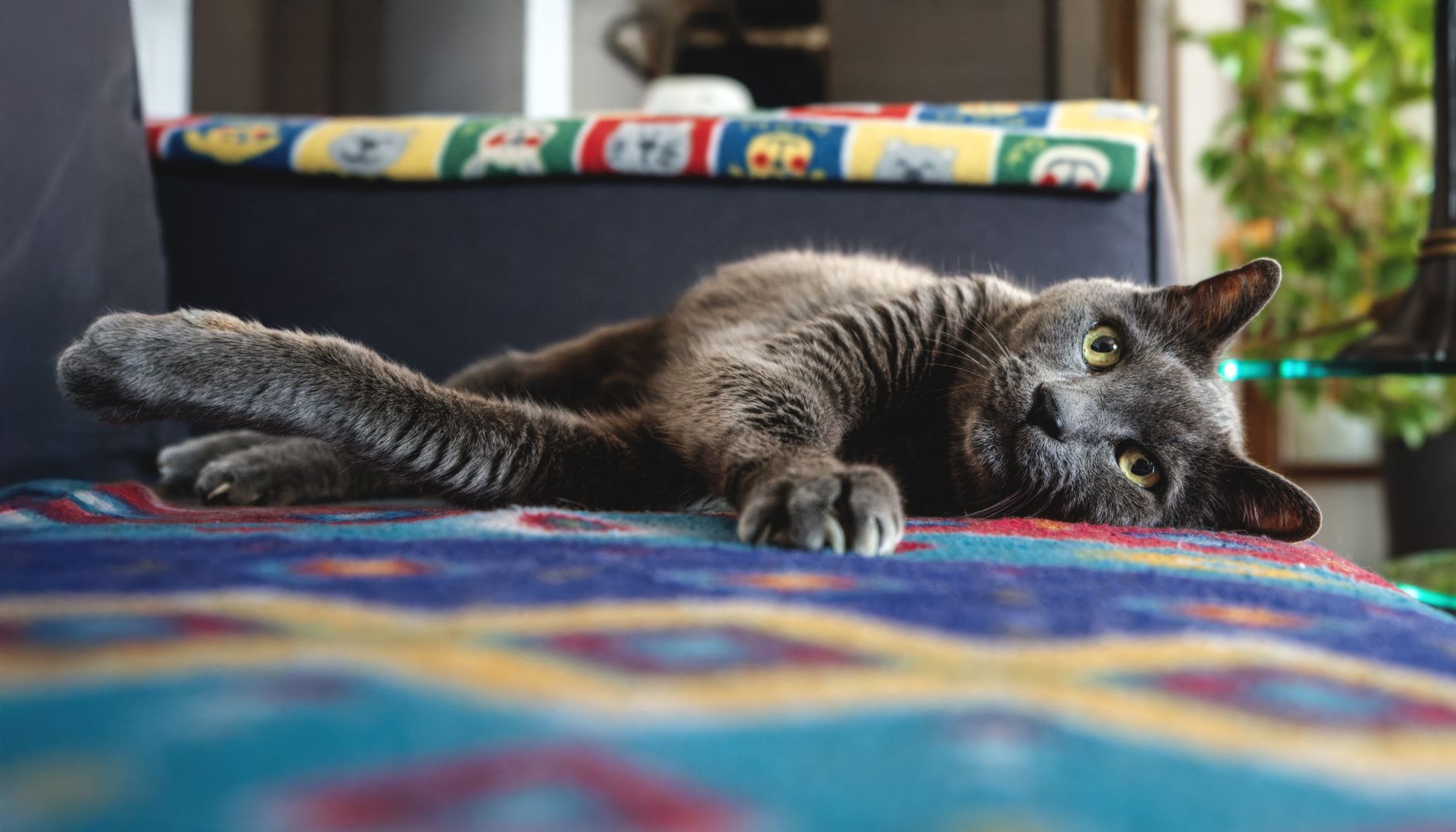
A cat care organization has successfully established an enrichment facility for felines through a dedicated fundraising campaign, addressing a growing need in the pet care sector. Such facilities provide structured environments where cats can engage in natural behaviors like climbing, scratching, social interaction, and exploration—activities that often lack adequate space and stimulation in typical home settings. This type of initiative reflects the broader shift in animal welfare toward recognizing that cats require more than basic food and shelter to maintain physical and behavioral health.
Enrichment facilities typically emerge when organizations recognize gaps in local cat care infrastructure. These spaces can serve rescue animals awaiting adoption, provide day-stay programs for indoor cats whose owners work long hours, offer supervised socialization for behaviorally sensitive animals, or function as rehabilitation centers for cats with behavioral issues. The fundraising model allows organizations to build these facilities without relying solely on government grants or single large donors, distributing the financial burden across a community of supporters who believe in the mission.
Table of Contents
- How Does a Cat Care Organization Fund and Build an Enrichment Facility?
- What Features Define a Proper Cat Enrichment Facility?
- How Do Fundraising Campaigns Drive Facility Development?
- What Benefits Do Enrichment Facilities Provide for Cats and Owners?
- What Challenges Affect Long-Term Facility Success?
- What Types of Enrichment Activities Do Facilities Typically Offer?
- How Can Prospective Supporters Evaluate Facility Quality and Mission Alignment?
- Frequently Asked Questions
How Does a Cat Care Organization Fund and Build an Enrichment Facility?
Fundraising campaigns for enrichment facilities typically combine multiple revenue streams rather than depending on a single source. Organizations often organize community events, launch online donation platforms, secure corporate sponsorships, hold adoption drives with fundraising components, and conduct grant applications to foundations focused on animal welfare. The campaign duration varies considerably—some organizations complete facility construction within 12 to 18 months, while others operate extended campaigns spanning several years if facility expansion is phased.
A critical consideration is that construction costs for cat facilities extend beyond typical renovation expenses. Enrichment environments require specialized infrastructure: multi-level climbing structures designed for cat safety and durability, appropriate flooring materials that can withstand claws and frequent cleaning, environmental controls for temperature and humidity, and distinct zones for different activity types. Organizations must also budget for ongoing maintenance, staff training, veterinary oversight, and utility costs—factors donors don’t always anticipate when committing funds. A limitation many emerging facilities face is insufficient endowment planning; securing the initial capital to build is only the first step; operating costs can quickly deplete an organization’s budget if recurring funding sources aren’t established.
What Features Define a Proper Cat Enrichment Facility?
An effective enrichment facility goes beyond providing space; it incorporates environmental design based on feline ethology and behavioral science. Spaces typically include vertical territories (cat trees, wall-mounted shelves, perches at varying heights), horizontal exploration areas, hiding spots and retreat zones, interactive play opportunities, and materials that respond to natural scratching, climbing, and hunting instincts. Some facilities add windows with outdoor views, bird feeders positioned outside glass panels, or screens allowing safe outdoor observation—all designed to engage the predatory and curiosity-driven behaviors that define normal cat psychology.
A warning for facilities (and cat owners evaluating them) is that more space and more structures don’t automatically create better enrichment if the design ignores individual cat personalities and stress responses. A shy, fearful cat may feel overwhelmed in an overstimulating environment with constant activity and multiple cats, even if the space is architecturally sound. Similarly, facilities that prioritize aesthetics or Instagram-friendly designs over functional cat behavior can fail to meet animals’ actual needs. Comparing facility quality requires looking beyond surface features—asking whether staff understands cat body language, whether the facility provides quiet zones, whether activity is managed to prevent stress, and whether individual animals receive attention matching their temperament.
How Do Fundraising Campaigns Drive Facility Development?
The fundraising process itself shapes what kind of facility ultimately opens. Organizations that successfully communicate their vision through campaigns attract donors who understand and support specific aspects of the work. Some campaigns emphasize rescue and rehabilitation; others highlight enrichment for owned cats; still others focus on behavior modification and adoption success. This messaging influences both funding amount and donor expectations, which in turn affects priorities—whether the facility prioritizes medical spaces, behavioral isolation areas, socialization zones, or adoption display areas.
A practical example of this dynamic is that campaigns targeting corporate sponsors often result in facilities that incorporate corporate naming opportunities or branding—a tradeoff organizations must weigh against their operational independence. Additionally, campaigns launched during periods of economic uncertainty or reduced charitable giving often result in scaled-down facilities compared to original plans. Organizations may open with partial infrastructure, planning to expand as additional funding becomes available, or may prioritize certain enrichment elements over others based on fundraising success. Some facilities successfully integrate fundraising into operations—adopting sponsors can fund specific enrichment items or activities, making donors feel directly connected to their contribution’s impact.
What Benefits Do Enrichment Facilities Provide for Cats and Owners?
Enrichment facilities directly improve behavioral and physical health for cats experiencing inadequate stimulation. Cats in enriched environments show reduced stress-related behaviors (excessive vocalization, destructive scratching, aggression), improved muscle tone and cardiovascular health from increased activity, and better social adjustment—particularly important for rescue animals transitioning to adoption. Owners benefit from day-stay programs by having peace of mind that working-hour solitude won’t leave their indoor cats understimulated and by having professional observation of behavioral issues they might otherwise attribute to age or temperament rather than environmental deprivation. However, enrichment facilities present both access and behavioral limitations.
Cost can be prohibitive—day programs or extended stays typically range from moderate to expensive depending on facility quality and location, making them unavailable to many cat owners. Additionally, some cats—particularly older animals, those with medical conditions, or behaviorally reactive individuals—may find even well-designed facilities stressful rather than beneficial. The assumption that all cats benefit from group environments or structured programs ignores significant variation in feline personality. A senior cat with arthritis may need gentle mobility support and environmental modification at home more than a trip to a busy facility; a cat with redirected aggression toward other animals faces genuine safety risks in any multi-cat setting. Facilities that understand and screen for these individual differences provide better value than those operating as general-purpose spaces.
What Challenges Affect Long-Term Facility Success?
One of the most overlooked challenges in enrichment facility operation is staff expertise and consistency. A facility’s quality depends entirely on whether its team understands cat behavior, can recognize stress signals, manage social dynamics between animals, and maintain proper sanitation and environmental protocols. Turnover, inadequate training, or hiring staff without feline behavior experience can cause otherwise well-designed facilities to become stressful or unsafe spaces. Warning: facilities that prioritize low labor costs often compromise on this critical element, sometimes resulting in animal welfare problems despite good intentions during fundraising campaigns.
Another significant challenge is funding sustainability once initial campaign momentum ends. Organizations that raise funds specifically for capital construction may then discover they lack operational funding—a gap that leads to reduced hours, deferred maintenance, salary constraints that hurt retention, or eventual closure. Some facilities solve this by diversifying revenue streams: adoption fees from rescue animals, boarding services, grooming, training consultations, or corporate partnerships. However, these add operational complexity and can shift organizational focus away from enrichment toward revenue generation. The tension between financial viability and mission integrity is a persistent limitation many nonprofits face once the excitement of a successful campaign concludes.
What Types of Enrichment Activities Do Facilities Typically Offer?
Facilities structure enrichment around species-appropriate behaviors: predatory play (wand toys, laser toys, hunting simulations), environmental exploration (obstacle courses, novel objects, varied textures), social interaction (with appropriate animals and caregivers), and cognitive stimulation (puzzle feeders, food-dispensing devices, novel problem-solving tasks). Some facilities incorporate grooming services, medical care observation, behavioral training, or even training programs designed to make adopted cats better prepared for home environments. A specific example of effective enrichment programming is rotation systems—changing available toys, structures, and activities on schedules that prevent habituation.
A cat exposed to the same enrichment daily may stop engaging after weeks; facilities that systematically rotate elements maintain engagement and cognitive stimulation. Another approach some facilities use is matching enrichment to individual cats’ documented preferences—cats that prefer climbing get tower time; those that prefer hunting get extended play sessions; shy animals get quiet, controlled socialization. This individualized approach takes more staff time and planning but produces measurably better outcomes than one-size-fits-all programming.
How Can Prospective Supporters Evaluate Facility Quality and Mission Alignment?
Before donating to or using an enrichment facility, clear evaluation criteria help separate genuinely beneficial operations from those that sound good in theory but underperform in practice. Visit facilities unannounced; observe whether cats show signs of stress (flattened ears, tension, excessive hiding, aggression) or engagement (alert posture, active play, exploratory behavior); note cleanliness, temperature control, and noise levels; and ask staff specific questions about how they handle different cat temperaments, what medical protocols they follow, and how they monitor individual animal welfare. Request references from veterinarians, rescue organizations, or previous customers who can speak to actual outcomes for cats in the facility’s care.
Examining how an organization discusses its fundraising and mission reveals alignment between stated values and actual operations. Organizations that transparently explain how fundraising money was allocated, acknowledge ongoing funding challenges, and actively work toward financial sustainability demonstrate thoughtful leadership. Conversely, those that treat fundraising as one-time event completion or that fail to discuss how they maintain quality after initial campaigns raise concerns about long-term viability. The most reliable facilities are those operating with both adequate capital and realistic operating budgets—indicating they’ve successfully secured the foundation needed for sustained, quality work.
- —
Frequently Asked Questions
Is an enrichment facility necessary if I have a cat at home?
Not necessarily. Most indoor cats benefit from home enrichment (climbing structures, toys, windows, play routines) without needing external facilities. Enrichment facilities are most valuable for rescue animals, cats with behavioral issues, or owners who work extremely long hours and want professional oversight during their absence.
How much does it typically cost to use an enrichment facility?
Costs vary widely by location and facility quality, from moderate daily rates for basic day-stay programs to higher fees for behavioral training or extended care. Some facilities offer sliding scale pricing or accept rescue organizations at reduced rates.
What should I look for when evaluating a facility’s enrichment quality?
Observe actual cat behavior during your visit; check cleanliness and environmental controls; ask staff about their training in feline behavior; request references; and verify they have veterinary oversight and medical protocols in place.
Can all cats benefit from group enrichment facilities?
No. Senior cats, animals with medical conditions, those with aggression issues, or cats with strong preferences for solitude may experience stress rather than enrichment in group settings. Good facilities screen animals and customize experiences accordingly.
How do I know if an enrichment facility is financially stable?
Ask directly how they fund operations, whether they have endowment or reserve funds, and what their staff retention rates are. Organizations transparent about financial challenges and actively working toward sustainability are generally more reliable than those dismissing the question.