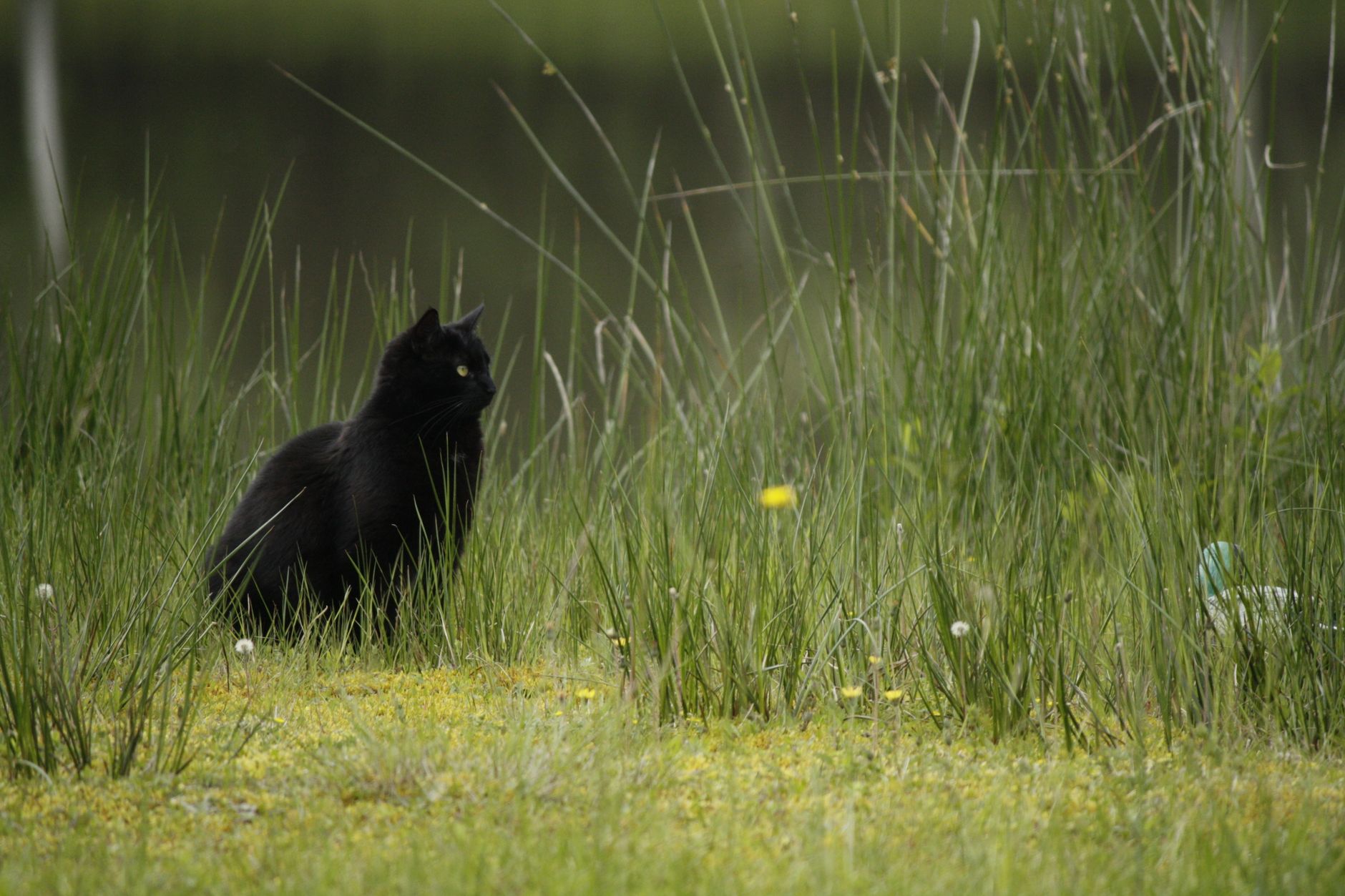
A black cat wooden tabletop figurine with a witch hat is a Halloween decoration that celebrates the cultural connection between cats and autumn festivities. This type of piece combines a practical decorative object with feline imagery, making it particularly relevant for cat-loving households. For pet owners who want to decorate for Halloween while maintaining a cat-themed aesthetic, these wooden figurines offer a way to bring seasonal elements into the home without electronic components or glass that could pose hazards to actual cats.
Beyond its decorative function, this figurine represents centuries of cultural fascination with black cats, a relationship that ranges from superstition to reverence depending on the tradition and historical period. Unlike many mass-produced Halloween decorations, wooden figurines tend to be more durable and less likely to break into small pieces if knocked over by a curious pet. The witch hat detail adds whimsical personality while staying true to classic Halloween imagery.
Table of Contents
- Black Cats and Halloween Tradition: Why Cats Define the Season
- Safety Considerations When Decorating a Cat Home
- Display and Placement Options for Maximum Impact
- Wood Type and Durability Considerations
- Common Wear Patterns and Maintenance Issues
- Seasonal Storage and Preservation
- The Collecting Aspect and Cat Decoration Ecosystems
Black Cats and Halloween Tradition: Why Cats Define the Season
Black cats have occupied a central place in Halloween imagery for centuries, emerging from a complex mix of medieval folklore, superstition, and artistic tradition. The association became particularly strong in American popular culture during the early 20th century, when mass-produced Halloween decorations began featuring cats as standard imagery. Unlike pumpkins or ghosts, which are seasonal symbols with flexible associations, black cats represent a specific cultural archetype—the mysterious, slightly dangerous companion of witches and the supernatural. The witch hat detail on these figurines directly references this folkloric connection.
During the Salem witch trials and earlier European witch hunts, cats were frequently targeted as familiars believed to assist in witchcraft. This tragic history eventually transformed into romanticized imagery, where the witch-and-cat pairing became a fantasy aesthetic rather than a basis for persecution. Modern decorative pieces like wooden figurines have completely severed any negative associations, presenting the witch hat as purely decorative shorthand for autumn fun. For cat owners specifically, these figurines create an interesting dynamic: they allow people to celebrate their actual pet interests through seasonal decoration. A household with multiple real cats and a collection of black cat figurines reflects a coherent aesthetic interest rather than an arbitrary seasonal choice.
Safety Considerations When Decorating a Cat Home
The primary advantage of wooden figurines over alternative Halloween decorations is their stability and durability around pets. Glass or ceramic pieces can shatter into sharp fragments if knocked from a shelf by a tail or playful batting, creating a serious injury risk. Wooden pieces, by contrast, absorb impact and rarely splinter into dangerous shards. However, wooden decorations are not entirely risk-free in a home with cats. Certain wood treatments, stains, and finishes can be toxic if ingested. Mass-produced wooden decorations sometimes use lead-based paints or other hazardous finishes, particularly in older pieces or those manufactured without strict safety standards.
If you own cats that are known to chew on wooden objects, a tabletop figurine left within reach represents a potential problem. The safest approach is to place these decorations on high shelves, mantles, or enclosed displays that cats cannot access. Small wooden pieces also pose a choking hazard if they break apart, so inspect any figurine regularly for cracks, splinters, or loose components. The witch hat component deserves special attention. If it’s a separate piece that simply rests on the cat’s head, it could potentially be dislodged and become a loose object in your home. Some cats are attracted to small objects and may try to bat or mouth pieces that come free from larger structures.
Display and Placement Options for Maximum Impact
The “tabletop” designation in these figurines suggests they’re designed for surface placement rather than hanging or wall-mounting. Common display locations include bookshelves, dresser tops, windowsills, and entryway tables—all places where a decorative piece can be seen and appreciated while remaining part of the room’s visual landscape. The height of tabletop placement actually serves dual purposes: it keeps the decoration out of immediate cat access while positioning it at eye level for human viewers. Many cat owners create themed displays by grouping multiple small figurines together.
A collection of black cat pieces at varying heights, perhaps mixed with autumn leaves or small pumpkins, creates visual interest without requiring much space. Some people dedicate a single shelf or shadowed corner to a small Halloween scene, treating the decorative arrangement as a seasonal art installation that gets refreshed each October. For those with particularly athletic cats, wall-mounted shelves or floating shelves placed high enough to be genuinely unreachable provide another option. However, this approach removes the tabletop convenience—you lose the ability to easily rearrange or inspect the piece for wear. The trade-off is security and peace of mind if you have a cat that has demonstrated climbing ability or exceptional reach.
Wood Type and Durability Considerations
Not all wooden figurines are created from the same materials or with the same construction methods. Decorative pieces may be carved from hardwoods like oak or walnut, or cast from softer woods like pine or basswood. Hardwood pieces typically last longer and resist surface damage better, though they also cost more and are heavier. Softer wood pieces are lighter and often have more detailed carving, but they’re more prone to denting if dropped and may show wear more quickly. The finish applied to the wood significantly affects durability and safety. Oil finishes penetrate the wood and tend to wear gracefully, while lacquer or polyurethane coatings create a protective shell that can eventually chip or peel.
Natural, unfinished wood requires more maintenance to prevent drying and cracking, particularly in homes with heating systems or low humidity. If you plan to keep a wooden cat figurine displayed year-round rather than storing it seasonally, a quality finish is worth the higher cost. Painted wooden figurines present a different set of considerations. Hand-painted pieces offer character and unique artistic merit, but paint can chip with age or if the piece is handled frequently. Mass-produced painted pieces often use uniform industrial coatings that resist chipping better but may crack if the underlying wood expands or contracts with humidity changes. Checking the paint condition regularly—particularly the edges where paint tends to fail first—helps you catch problems before pieces become hazardous.
Common Wear Patterns and Maintenance Issues
Wooden decorations develop character over time, but some wear patterns indicate structural problems that need attention. Cracks that radiate from knots in the wood are common and usually cosmetic, following the grain as the wood naturally adjusts to humidity. However, cracks that cross the grain perpendicular to the wood’s structure can indicate deeper structural issues or stress fractures, particularly if the piece was dropped or exposed to extreme temperature changes. The witch hat component is often the first part to fail in these figurines. If it’s glued on, the joint can weaken over time, especially if the piece is handled frequently or exposed to temperature fluctuations.
A loose hat that falls off creates a small choking hazard and diminishes the piece’s appearance. Regular inspection and careful handling during seasonal storage can extend the lifespan. If the hat becomes permanently loose, the piece can still serve as a headless cat decoration, though it loses the thematic witchy appeal. Dust and environmental grime accumulate on wooden surfaces, dulling the finish and making details harder to see. A soft, dry cloth works for regular maintenance, while a slightly damp microfiber cloth can remove stubborn dust without damaging most finishes. Avoid furniture polish or oils unless you’re certain they’re compatible with the specific finish applied to your piece—some combinations can create sticky buildup or discoloration.
Seasonal Storage and Preservation
If you store this decoration between October and next September, proper storage preserves its appearance and structural integrity. A temperature-stable environment is ideal—temperature swings cause wood to expand and contract, potentially opening cracks. A cool, dry closet or storage box works better than an attic or basement where humidity can vary dramatically with seasons.
Wrapping the piece loosely in unbleached cotton or archival paper prevents dust while allowing wood to breathe. Plastic wrap traps moisture and should be avoided. Store the figurine in a position where the weight rests naturally—lying on its side rather than balanced upside down—to prevent unnecessary stress on joints.
The Collecting Aspect and Cat Decoration Ecosystems
Many cat enthusiasts view Halloween decorations as part of a broader collecting practice, accumulating pieces over years or decades. Wooden figurines fit naturally into this ecosystem because they don’t feel disposable or trend-driven the way mass-produced plastic decorations do. A wooden black cat with a witch hat purchased five years ago holds up better aesthetically and physically than comparably-priced pieces made from other materials.
For households that celebrate multiple holidays or seasonal transitions, black cat decorations transcend Halloween specifically. A tastefully displayed wooden cat can bridge October festivities into November and beyond, serving as a year-round accent for cat-loving interiors. The witch hat gives it seasonal specificity, but the fundamental black cat imagery connects to broader pet appreciation rather than being strictly limited to one holiday.