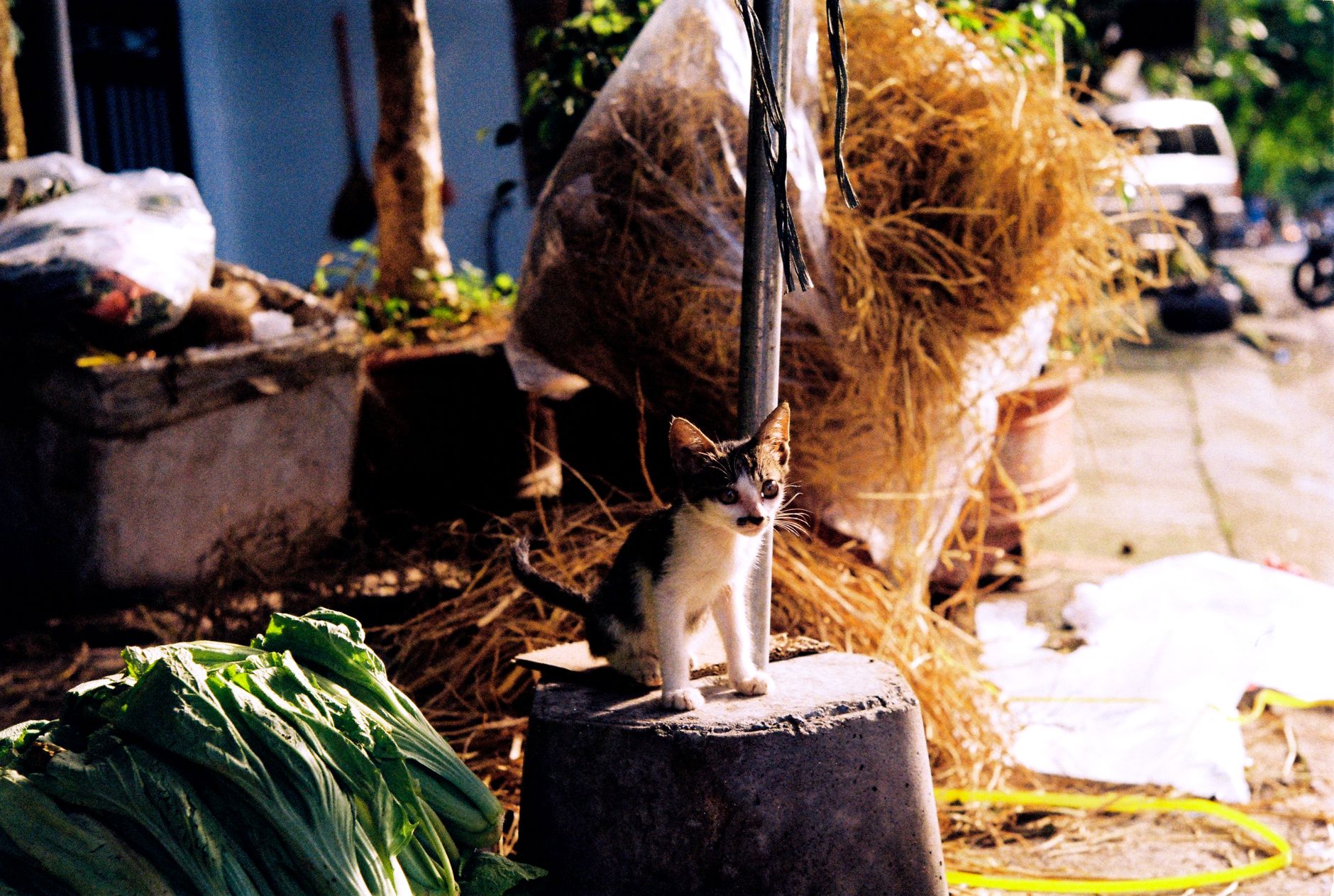
Vietnam’s growing network of feline rescue organizations reflects a profound generational shift in how the country views cats and their role in society. What once was an unexamined part of traditional food culture has become increasingly contested, particularly among younger urban populations who see cats as companion animals deserving protection rather than livestock.
This transformation didn’t happen overnight, but through the dedicated work of local rescuers, international partnerships, and social media campaigns that have gradually reframed how millions of Vietnamese citizens think about the cats in their communities. The rescue wave is not simply animal welfare activism in abstract form—it represents cats being pulled directly from transport cages headed to slaughterhouses, relocated to sanctuaries, and adopted into homes where they receive veterinary care and permanent safety. Rescue organizations operating in Hanoi, Ho Chi Minh City, and other major cities now handle hundreds of cases annually, demonstrating both the scale of the problem and the scale of the response.
Table of Contents
- How Did Vietnam Develop a Culture of Feline Rescue Despite Traditional Practices?
- What Obstacles Do Rescue Organizations Face in Vietnam’s Growing Movement?
- How Do Rescued Cats Adapt After Living Through the Trade?
- What Role Does International Support Play in Vietnam’s Rescue Infrastructure?
- What Medical Challenges Complicate the Rescue and Rehabilitation Process?
- How Are Vietnamese Adopters Changing Their Relationship With Cat Ownership?
- What Does Sustained Cat Rescue Require in Vietnam’s Evolving Context?
How Did Vietnam Develop a Culture of Feline Rescue Despite Traditional Practices?
Vietnam’s cat rescue movement emerged primarily within the last two decades as animal welfare NGOs, many founded by Vietnamese citizens with international support, began documenting conditions in the trade and creating alternatives. The timing coincided with broader societal changes—increased internet access, growing middle-class pet ownership, and exposure to international animal welfare standards. Young Vietnamese professionals, particularly those who had lived abroad or studied animal science, began returning with different perspectives on human-animal relationships. Unlike rescue efforts in some countries where strays are the primary focus, Vietnamese rescue organizations confront a more urgent crisis: cats destined for the meat trade.
This distinction means rescue work here involves not just adoption services but also direct intervention in supply chains, negotiations with traders, and transportation of animals to safety. A typical rescue operation might involve weeks of planning, coordination with local authorities, and securing safe housing before animals can be transported. The movement has also had to navigate deep cultural divides. In some rural areas and among older generations, the idea that cats should be rescued rather than utilized remains foreign or even offensive. Rescuers often work quietly, building relationships with local communities rather than confronting traditional practices directly.
What Obstacles Do Rescue Organizations Face in Vietnam’s Growing Movement?
Funding remains the most persistent obstacle. Many Vietnamese rescue organizations operate on shoestring budgets, relying on donations from supporters within the country and international patrons. Veterinary care for rescued animals—spaying, neutering, disease treatment—consumes the majority of these limited resources. An organization might spend months fundraising to provide basic medical care to twenty cats, while hundreds more remain at risk in the trade. Legal infrastructure presents another significant limitation. While Vietnam has animal welfare laws on the books, enforcement is inconsistent and often depends on local government cooperation.
Some municipalities actively support rescue efforts, while others view them as interference in traditional economic activity. This patchwork legal landscape means that rescuers in different regions face vastly different operating conditions, and gains made in one province don’t automatically translate elsewhere. Infrastructure for long-term care is critically insufficient. Most rescue organizations operate from makeshift facilities—converted warehouses, private homes, borrowed spaces—that struggle to meet the medical and behavioral needs of traumatized animals. Cats rescued from the trade often arrive with physical injuries, parasites, and psychological trauma from confinement and transport. Providing adequate quarantine, medical treatment, and socialization requires space and expertise that many organizations cannot access.
How Do Rescued Cats Adapt After Living Through the Trade?
Cats rescued from the meat trade typically arrive in poor physical condition. They may be underweight, dehydrated, injured from transport cages, and carrying parasites or infectious diseases. Rescuers expect to spend weeks or months nursing these animals back to basic health before they can be considered for adoption. The physical recovery is often faster than the psychological one. The behavioral impact of trafficking is profound and variable. Some rescued cats become withdrawn, fearful of human hands, and resistant to touch for months or years.
Others display anxiety around food, guarding or refusing meals even when abundant. Still others show signs of learned helplessness, remaining passively in small spaces even after being given the freedom to roam. Rescue organizations now recognize that successful adoption requires matching these damaged animals with patient families who understand they may never become typically affectionate pets. A notable exception exists among younger kittens rescued before extensive trafficking. These animals often adapt relatively quickly to domestic life, bonding with caregivers and showing fewer lasting behavioral issues. This creates a difficult triage situation: resources spent rehabilitating traumatized adult cats might save more lives if redirected toward protecting kittens before they enter the trade.
What Role Does International Support Play in Vietnam’s Rescue Infrastructure?
International animal welfare organizations have provided crucial resources—funding, veterinary expertise, adoption networks—that domestic organizations alone could not develop. Several well-established international groups now maintain permanent staff or partner arrangements in Vietnam, offering training to local rescuers in animal handling, disease prevention, and adoption screening. This knowledge transfer has been essential for scaling operations and improving outcomes. However, this international involvement creates a tradeoff that rescue organizations navigate carefully.
Dependence on foreign funding can create instability if international donors shift priorities or funding cycles end. Additionally, rescue operations that become publicly associated with international groups sometimes face increased friction from local authorities or community members who view them as foreign interference. Successful organizations balance international partnership with building local financial support and community legitimacy. Adoption networks that span internationally have proven valuable for older or behaviorally challenging cats that might otherwise spend years in rescue facilities. A cat with trauma responses that make domestic adoption in Vietnam unlikely might thrive in a different cultural context where expectations for cat behavior differ or where adopters are specifically trained in trauma-informed pet care.
What Medical Challenges Complicate the Rescue and Rehabilitation Process?
Infectious disease screening and quarantine protocols are complex and resource-intensive necessities. Cats from the trade arrive carrying various pathogens—feline upper respiratory infections, parasites, feline leukemia, and feline infectious peritonitis—that pose transmission risks to other animals in rescue facilities. Proper quarantine requires separate housing, dedicated staff, and regular testing, adding substantial costs to each rescue operation. A critical limitation: many rescue facilities lack the diagnostic equipment or expertise to thoroughly test animals before placing them in adoptive homes.
This creates an ethical tension between moving animals quickly out of crowded rescue conditions and adequately protecting adopting families from disease. Some organizations mitigate this through careful health disclosure to adopters and follow-up support, but gaps in this protection remain common across the field. The stress of capture, transport, and confinement itself compromises immune function in ways that allow latent infections to activate. A cat that tested negative during initial quarantine might develop symptoms weeks later in an adopter’s home. These post-adoption medical emergencies sometimes devastate adopters who expected a fully healthy animal and strain relationships between rescue organizations and the families who attempted to help.
How Are Vietnamese Adopters Changing Their Relationship With Cat Ownership?
Urban Vietnamese adopters increasingly view cats as family members rather than utility animals or status symbols. Pet stores selling premium cat foods, toys, and medical care have proliferated in major cities, alongside veterinary clinics that cater specifically to companion animal owners. These commercial developments reinforce the cultural narrative that cats deserve investment and care, not just shelter.
Social media has accelerated this shift by making individual rescue stories visible and emotionally resonant. Photos and videos of terrified cats being transported to safety, then recovering in rescue facilities, then thriving in adoptive homes create narratives that counter generations of cultural assumptions. A young Vietnamese woman who sees a rescued cat’s transformation documented on Facebook begins to question whether the food practices her grandmother considered normal deserve continued acceptance.
What Does Sustained Cat Rescue Require in Vietnam’s Evolving Context?
Sustainability requires developing financial models independent of international charity. Several Vietnamese rescue organizations have begun social enterprises—adoption fees, merchandise sales, educational workshops—that generate local revenue streams. These approaches remain modest compared to actual operational costs, but they build community investment and reduce vulnerability to funding fluctuations.
Legal recognition and policy change represent the long-term infrastructure needed to protect cats beyond individual rescue efforts. Some Vietnamese municipalities have begun discussing formal protections for companion animals and restrictions on the trade. These policy shifts emerge not from external pressure but from internal advocacy by Vietnamese citizens who have already experienced the cultural transformation that rescue work represents. Until such protections become widespread, rescue organizations will continue managing symptoms of a problem that laws could prevent.