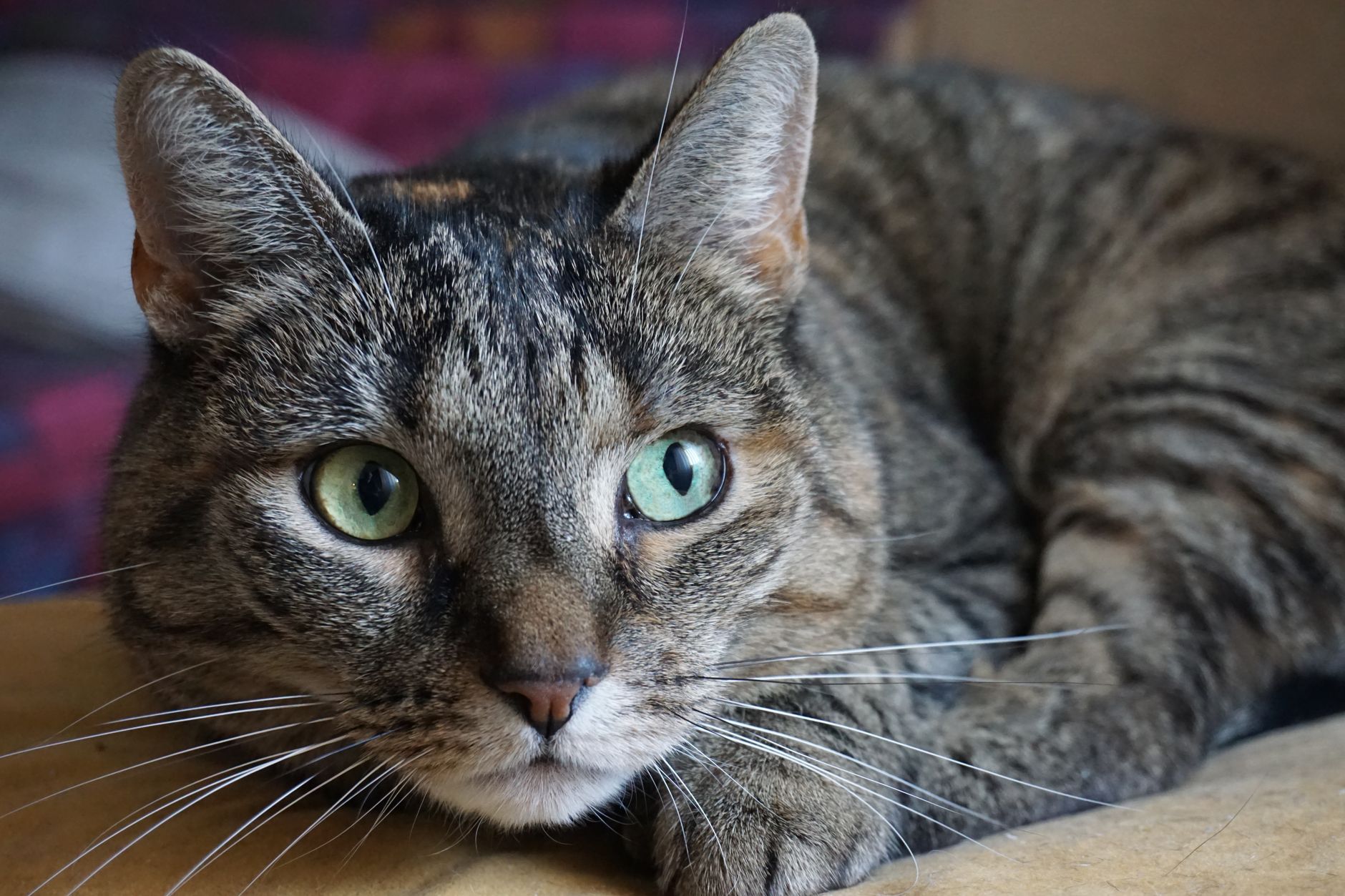
When a beloved pet owner passes away, their cat often faces an uncertain future. Without advance planning or a designated caregiver, even a cat that has spent its entire life with one person can end up surrendered to a shelter, confused and grieving the loss of its primary attachment figure. This scenario plays out regularly in animal shelters across the country—a longtime feline companion, sometimes a senior cat with years of service to a single household, arrives at a facility designed for temporary care when its world has fundamentally changed through circumstances beyond its control.
The death of a human caregiver represents one of the most destabilizing life events a cat can experience. A cat bonded to one person over many years knows that person’s voice, scent, routines, and touch as the entire structure of its daily existence. When that person dies suddenly or after a prolonged illness, and no contingency plan was in place, the cat may face a cascade of disruptions: the house becomes silent, family members or estate executors struggle with the logistics of pet care, and within days or weeks, the cat finds itself in a shelter intake room filled with unfamiliar sounds, smells, and handling.
Table of Contents
- Why Do Cats End Up in Shelters After Their Owner’s Death?
- The Emotional and Behavioral Impact on Shelter-Bound Senior Cats
- Shelter Protocols and the Admission Process
- Planning Ahead: Creating a Pet Care Succession Plan
- Special Considerations for Senior Cats and Those with Medical Conditions
- The Role of Microchipping and Veterinary Records
- Working with Rescue Organizations and Foster Networks
- Frequently Asked Questions
Why Do Cats End Up in Shelters After Their Owner’s Death?
The primary reason cats are surrendered after their owner’s death is the absence of advance planning. Many pet owners, particularly those with older cats or those living alone, never designate a backup caregiver or leave instructions for their pet’s care. When death occurs—whether expected or sudden—family members may be overwhelmed by funeral arrangements, legal proceedings, and their own grief. In this chaos, the cat becomes a practical problem rather than a beloved family member: Who will feed it? Who has access to the house? Should it stay in the home or be rehomed? For family members who aren’t cat owners themselves, surrendering the animal to a shelter feels like the only viable option.
Finances also play a significant role. If a cat requires ongoing medical care, such as management of hyperthyroidism, diabetes, or chronic kidney disease common in senior cats, a family executor may determine that continuing treatment is prohibitively expensive. Shelters, even with limited resources, can place such cats in adopter homes or hospice care, while keeping the animal in a deceased person’s home for weeks or months isn’t practical. The cost of boarding or temporary foster care during an estate settlement can also push families toward surrender.
The Emotional and Behavioral Impact on Shelter-Bound Senior Cats
A cat removed from a long-term home enters a state of profound stress and disorientation. Senior cats—those aged 10 years or older—are particularly vulnerable because their cognitive flexibility is reduced compared to younger animals. A 12-year-old cat that has lived in the same house since kittenhood has no adaptability skills for a shelter environment. It may stop eating, hide in its cage, or display behavioral changes that make it seem less adoptable to potential families who visit the shelter. Some cats become aggressive when frightened, others become nearly catatonic.
A shelter staff member might describe such a cat as “withdrawn” or “not friendly,” when in reality the animal is experiencing acute grief and anxiety. The loss of familiar sensory input compounds the stress. The cat’s owner’s scent, which was woven throughout the home and particularly present on clothing and bedding, is gone. The daily rhythm the cat relied on—the sound of the shower, the specific time meals were served, the evening cuddle session—has vanished. In the shelter, the cat encounters entirely new people several times daily, inconsistent handling styles, and an environment that operates on institutional schedules rather than the individualized routine the cat knew. Senior cats are also more prone to stress-related health problems, including urinary issues and gastrointestinal upset, making them less attractive to adopters and harder to place.
Shelter Protocols and the Admission Process
When a cat arrives at a shelter following an owner’s death, it typically enters through a standard intake procedure that treats it like any other surrender, regardless of its history or backstory. Staff will conduct a basic health assessment, update records with whatever information the surrendering party can provide, and place the cat in a cage or housing unit. Many shelters now photograph newly arrived cats and post them on adoption websites within hours, eager to facilitate placement and reduce housing costs. However, the intake form might simply note “owner deceased” without capturing the depth of the cat’s bond with that person or the specific behavioral quirks and medical needs unique to that individual animal.
Some progressive shelters have implemented “senior sanctuary” programs or special care wings for older cats, recognizing that a 10+ year-old cat adopted from a shelter faces significantly lower adoption odds than a younger animal. In these programs, staff may limit the number of handling interventions, maintain quieter housing, and prioritize cats for adoption by carefully matched adopters who understand senior cat needs. Other shelters, particularly those facing space constraints, may place senior cats in foster homes or partner with hospice organizations that specialize in end-of-life care for animals. The challenge is that these programs exist unevenly across the country, so a cat’s outcome depends heavily on which shelter receives it.
Planning Ahead: Creating a Pet Care Succession Plan
The most effective way to prevent a cat from entering a shelter after your death is to establish a formal succession plan before a crisis occurs. This should include: identifying a primary caregiver who has explicitly agreed to take your cat, a backup caregiver in case the first person is unavailable, and written instructions detailing the cat’s medical history, dietary preferences, behavioral quirks, medications, and veterinary contact information. This document should be stored somewhere your family can access it quickly—with your will, in a safe deposit box, or with your designated pet guardian. Financial planning is equally critical.
Setting aside funds specifically for your cat’s care—either through a pet trust, a bequest to your caregiver, or a dedicated savings account—removes the financial barrier to care. Some cat owners establish formal pet trusts with their attorney, legally binding money to the cat’s care and naming a trustee to oversee the arrangement. Others simply leave a sum of money to their designated caregiver with the expectation that it covers the cat’s expenses. The comparison between these approaches is important: a formal trust provides legal enforceability if disputes arise, but a bequest is simpler and less expensive to establish. A cat with significant medical needs justifies the cost of a formal trust; a healthy young cat might not require this level of formality.
Special Considerations for Senior Cats and Those with Medical Conditions
Senior cats and cats with chronic illnesses face the steepest odds in shelter environments. A cat managing diabetes through twice-daily insulin injections, or one requiring subcutaneous fluid therapy for kidney disease, needs a caregiver experienced with medical care and committed to the routine. Many potential adopters, when faced with the prospect of administering injections or managing a complicated medical protocol, will pass on the adoption. This reality means that the planning for a medically complex cat is especially urgent—waiting until after diagnosis to arrange care is waiting too long.
There’s also a significant limitation in the ability of many shelters to provide ongoing medical management. Staff turnover is high, training varies widely, and the liability of administering medications to animals in temporary care can make shelters reluctant to take on cats requiring complex care. Some shelters will turn away a cat requiring insulin management or will euthanize it if no adopter steps forward within a certain timeframe. This is a painful reality that cat owners often don’t want to contemplate, but it underscores why advance planning and identifying a caregiver who fully understands and accepts the medical commitment is non-negotiable for cats with chronic conditions.
The Role of Microchipping and Veterinary Records
A microchip with current contact information can help ensure that a cat ending up in a shelter or rescue after its owner’s death is correctly identified and that the network of the deceased owner’s family and friends can be contacted. However, microchip registries are only useful if the information on file is current and if someone actively checks the chip after the owner’s death. In the chaos following a person’s death, microchip lookup might not occur to family members, so it’s important to include microchip information in your pet succession plan and to ensure whoever handles your affairs is aware of the animal’s existence.
Veterinary records stored with your cat’s veterinarian or provided in your succession plan document are invaluable. A complete vaccination history, any chronic conditions, allergies, and medication details allow a new caregiver or shelter staff to provide seamless care. Without this information, a cat might be re-vaccinated unnecessarily or medically important details might be missed, compromising the animal’s wellbeing.
Working with Rescue Organizations and Foster Networks
Many communities have breed-specific cat rescues or general feline rescue organizations that specialize in placing cats and operate outside the shelter system. Some of these organizations have explicit programs for accepting cats from the estates of deceased owners or from families unable to care for an inherited pet. These rescues often have more flexible housing options, foster networks, and longer adoption timelines than traditional shelters, which means they can better accommodate senior cats and cats with special needs.
A cat placed through a foster-based rescue might spend months in a home setting before adoption, gradually acclimating and showing its true personality, whereas the same cat in a shelter cage might be overlooked entirely. If your cat outlives you or if you’re unable to keep a cat you inherit, contacting a breed-specific rescue or local feline rescue should be the first call before considering a general shelter. These organizations often know each other and can coordinate care or placement, and they’re accustomed to working with cats that have complex histories or behavioral challenges. The limitation is that these rescues also operate on limited budgets and depend on donations and volunteers, so their availability varies by region and season.
- —
Frequently Asked Questions
What should I include in a pet succession plan?
Write down your primary and backup caregivers’ names and contact information, your cat’s complete medical history, current medications, dietary preferences, behavioral notes, your veterinarian’s contact details, microchip information, and the location of any funds you’ve set aside for care. Store this document with your will or give a copy to your designated caregiver.
Can I leave money directly to my cat in my will?
Not exactly. You can leave money to a person (typically your designated caregiver) with the expectation they use it for your cat’s care, or you can establish a formal pet trust through an attorney, which legally restricts the funds to your pet’s care. A pet trust offers more legal protection but costs more to set up than a simple bequest.
How do shelters handle cats surrendered after an owner’s death?
Most shelters treat them as standard surrenders, conducting a health assessment and attempting placement through adoption. Some shelters have senior cat programs or foster networks. The cat’s outcome depends on the shelter’s resources, the cat’s age and health, and adoptability.
Are senior cats less likely to be adopted from shelters?
Yes, significantly. Older cats compete with younger, healthier animals for adoptive homes. A 12-year-old cat is far less likely to be adopted than a 2-year-old, particularly if the senior cat has medical needs or behavioral challenges from shelter stress.
What if I don’t have family or friends able to take my cat?
Research breed-specific rescues and feline foster networks in your area before you need them. Some offer placement services for cats whose owners can no longer care for them. You can also work with your veterinarian, who may know adopters or rescues specializing in your cat’s situation.
If my cat has diabetes or another chronic condition, how do I ensure proper care after my death?
Identify a caregiver who explicitly agrees to manage the medical needs and has demonstrated competency. Set aside sufficient funds for ongoing treatment, and consider a formal pet trust. Provide detailed written medical instructions and ensure your veterinarian has your plan on file.