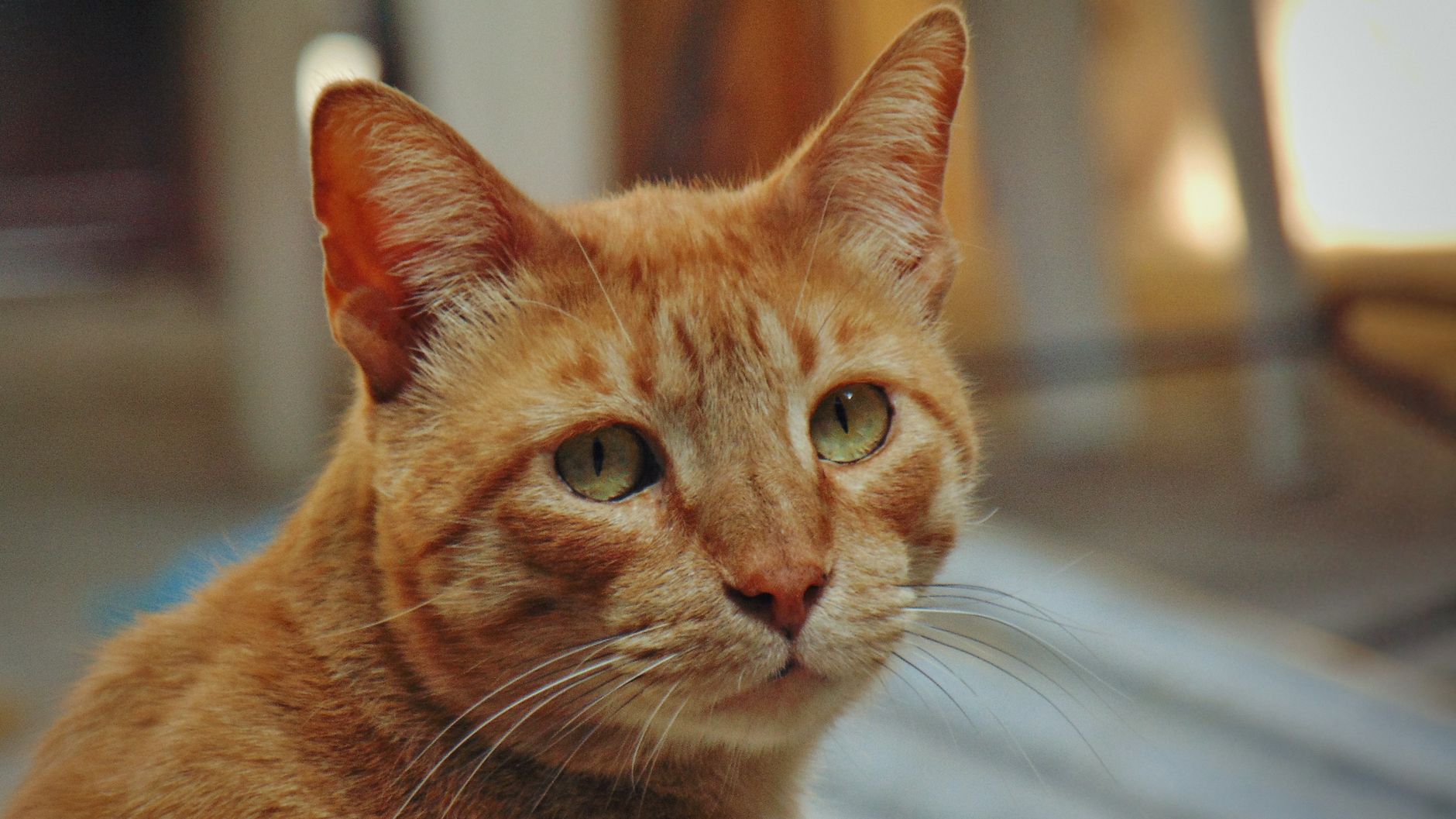
Cheddar is an orange cat available for adoption, representing one of countless felines in shelters and rescues waiting for their permanent homes. Orange cats have long captured the imagination of cat lovers, and Cheddar exemplifies the engaging personality and warmth that draws many adopters to this color pattern. Beyond his distinctive coloring, Cheddar carries the potential to become a devoted companion to a family ready to invest time, resources, and affection into his ongoing care and development.
Adoption offers a second chance for cats like Cheddar, who may have experienced neglect, abandonment, or simply found themselves without a home due to changing circumstances in their previous owners’ lives. The adoption process itself—from initial inquiry through the critical first weeks at home—shapes not only Cheddar’s future but also establishes the foundation for a lasting, healthy relationship between cat and household. Understanding what adoption means and what Cheddar will need sets the stage for a successful transition.
Table of Contents
- What Makes Orange Cats Like Cheddar Distinctive?
- Understanding Cheddar’s Background and Behavioral Needs
- The Critical First Weeks at Home
- Compatibility With Household Structure and Lifestyle
- Health Considerations and Veterinary Care
- Building Trust and Establishing Routines
- Long-Term Commitment and Adoption Support
- Frequently Asked Questions
What Makes Orange Cats Like Cheddar Distinctive?
orange cats, sometimes called red or ginger cats, display a distinctive appearance that correlates with specific genetic patterns. The orange coloration in cats results from a dominant gene on the X chromosome, which is why approximately 80% of orange cats are male. Beyond appearance, orange cats are frequently characterized by outgoing, affectionate personalities—though individual temperament varies significantly based on socialization, early life experiences, and inherent personality traits. Cheddar’s orange coloring alone does not guarantee his behavior, but his breed and background will provide clues about what adopters might expect.
The orange pattern itself comes in several variations: solid orange, tabby-striped, and patched patterns. These visual differences have no bearing on behavior or health, though they influence how different families respond to a cat’s appearance. Some adopters are drawn specifically to orange cats based on anecdotal reports of their friendly nature, while others prioritize personality over color entirely. Research into cat behavior shows that adopter preferences based on appearance sometimes lead to better outcomes when the personality truly does align with household needs—as may be the case with Cheddar if his temperament matches expectations.
Understanding Cheddar’s Background and Behavioral Needs
When adopting any cat, understanding its prior living situation is crucial. Cheddar’s history—whether he came from a previous home, was born in a shelter, or was rescued from the streets—directly influences his comfort level with humans, tolerance for handling, and integration into new environments. Some rescue cats have lived indoors their entire lives and may experience severe stress in a household with outdoor access or significant changes to their living space. Others, if they spent time outside, may demonstrate prey drive toward small animals that some households cannot safely accommodate.
The behavioral assessment process at shelters and rescue organizations aims to match cats like Cheddar with appropriate households. A reputable rescue will communicate honestly about Cheddar’s known behaviors, triggers, and training progress—information that sets realistic expectations. Red flags include rescues that are vague about a cat’s history, unwilling to discuss behavioral concerns, or that misrepresent a cat’s compatibility with children or other animals. Adopters should ask direct questions about Cheddar’s known reactions to specific situations: loud noises, children, multiple cats, or confined spaces. If the rescue cannot provide clear answers, this may indicate insufficient evaluation or oversight.
The Critical First Weeks at Home
Bringing Cheddar home represents a major transition requiring deliberate planning and patience. Many newly adopted cats experience stress during their first weeks in a new home, manifesting as hiding, reduced appetite, or changes in litter box habits. Providing Cheddar with a single, quiet room initially—equipped with litter box, food, water, and hiding spaces—allows him to acclimate gradually rather than feeling overwhelmed by an entire household at once. This containment period is not punishment; it is a recognized best practice for reducing stress and establishing baseline habits.
During this adjustment period, Cheddar will learn the location of essential resources and begin to trust his new environment and family members. This process typically takes 2-4 weeks, though some cats need significantly longer depending on their prior experiences and personality. Adopters should resist the urge to force interaction, even though the impulse to bond quickly is understandable. Allowing Cheddar to approach on his own terms leads to more genuine trust than reaching for a withdrawn or fearful cat. Common mistakes during this phase include moving Cheddar to a larger space too quickly, overwhelming him with visitors, or punishing him for stress-related behavioral changes like urinating outside the litter box.
Compatibility With Household Structure and Lifestyle
Cheddar’s needs must align with the adopting household’s daily rhythms and capacities. A cat requiring significant interactive play and attention will suffer in a home where everyone works long hours and has limited evening availability. Conversely, a cat with lower social needs might do well in a busier household if given quiet spaces. Adopters with young children should prioritize cats with documented tolerance for handling, noise, and unpredictability, which means honest conversations with the rescue about Cheddar’s specific comfort around children are non-negotiable.
Multi-pet households introduce additional complexity. Cheddar’s history with other cats or dogs determines whether gradual introduction protocols will succeed or whether he requires a single-cat household. Some rescues maintain detailed records of a cat’s previous reactions to other animals, while others must rely on observation during shelter evaluations. If Cheddar has no documented history with other pets, adopters should expect that introductions may take weeks or months and could potentially fail—requiring contingency plans. This represents a genuine limitation rather than a guarantee that Cheddar will adapt; honest assessment prevents mismatches that harm both the cat and the family.
Health Considerations and Veterinary Care
Adopted cats require immediate veterinary evaluation to establish baseline health, confirm vaccinations and feline leukemia/FIV status, and check for existing medical conditions. Cheddar may arrive with incomplete medical records, requiring testing before the adoption can be considered final in many rescue agreements. Older cats, cats with outdoor history, or those rescued from neglect are at higher risk for dental disease, parasites, chronic infections, and other conditions that might not be immediately apparent. Budget for unexpected veterinary costs during the first year, as newly adopted cats sometimes reveal health issues weeks or months after coming home.
Behavioral and medical issues can overlap in ways that confuse adopters unfamiliar with cats. Inappropriate urination or defecation might reflect litter box aversion due to size, type, or location preferences—or it might indicate a urinary tract infection, kidney disease, or other medical problem. Cheddar’s veterinarian should be consulted before assuming any behavioral issue is purely psychological. Additionally, some cats from neglectful situations may carry parasites or infections that require ongoing treatment and monitoring to fully resolve. Adopters should expect that veterinary visits may reveal findings that require budget and time investment beyond routine care.
Building Trust and Establishing Routines
Consistency in feeding times, play schedules, and handling teaches Cheddar what to expect from his new family. Cats are creatures of habit, and establishing predictable routines accelerates bonding and reduces stress-related behavioral problems. Feeding Cheddar at the same times daily, maintaining consistent quiet periods, and interacting with him during times when he naturally seeks attention builds trust more effectively than sporadic, attention-on-demand approaches.
Some adopters find that scheduled play sessions—using wand toys, laser pointers, or fetch games—provide structured outlets for Cheddar’s energy and strengthen the human-cat bond. Handling and grooming routines should be established early, when Cheddar is younger and more adaptable to regular interaction. Teaching him to tolerate nail trims, ear cleaning, and teeth brushing prevents escalation of stress during veterinary procedures later. If Cheddar is resistant to handling, forcing these activities will erode trust; instead, gradual desensitization through short, positive exposure works better than confrontational approaches.
Long-Term Commitment and Adoption Support
Adopting Cheddar represents a commitment spanning 12-18 years, the typical lifespan of a healthy indoor cat. This duration requires sustained financial investment in food, litter, preventive veterinary care, and emergency expenses. Reputable rescues remain available to adopters after the adoption is finalized, offering behavior advice, support during difficult transitions, and sometimes a return pathway if circumstances fundamentally change.
This ongoing support network is valuable when unexpected behavioral or medical issues emerge months or years into the adoption. Some life changes render previous living situations untenable for a cat: a move to a facility that prohibits pets, a new household member’s severe allergies, or a decline in an adopter’s ability to provide physical care. A rescue or shelter that accepts returns and works to rehome animals humanely becomes essential in these scenarios. The responsibility of adoption extends beyond acquiring a pet to ensuring Cheddar receives appropriate care throughout his life, which sometimes means acknowledging when circumstances no longer support his wellbeing and exploring alternatives.
- —
Frequently Asked Questions
How do I know if Cheddar is ready to meet my other pets?
Ask the rescue for a detailed history of Cheddar’s previous interactions with other animals. If no documented history exists, plan for a gradual, multi-week introduction process with contingency plans if compatibility issues emerge.
What should the first vet visit include for an adopted cat?
A complete physical examination, confirmation of vaccination status and testing for feline leukemia and FIV, assessment of dental health, and screening for parasites and other conditions common in shelter cats.
How long does it typically take for an adopted cat to adjust?
Most cats begin adjusting within 2-4 weeks, though some require several months to feel fully comfortable. This timeline varies significantly based on prior experiences and individual temperament.
Is an adopted cat less healthy than one from a breeder?
Adopted cats have no inherent health disadvantage compared to breeder cats, though they may carry treatable infections or have incomplete medical histories requiring testing and monitoring.
Can behavioral problems in adopted cats be fixed?
Many behavioral issues stem from stress, environmental changes, or medical conditions rather than permanent personality flaws. Consultation with a veterinarian and patience typically resolve most problems, though some cats may require permanent accommodations.
What financial costs should I expect beyond food and routine vet care?
Budget for emergency veterinary care, unexpected treatment for discovered medical conditions, behavioral training or consultation if needed, and age-related health needs in senior cats.