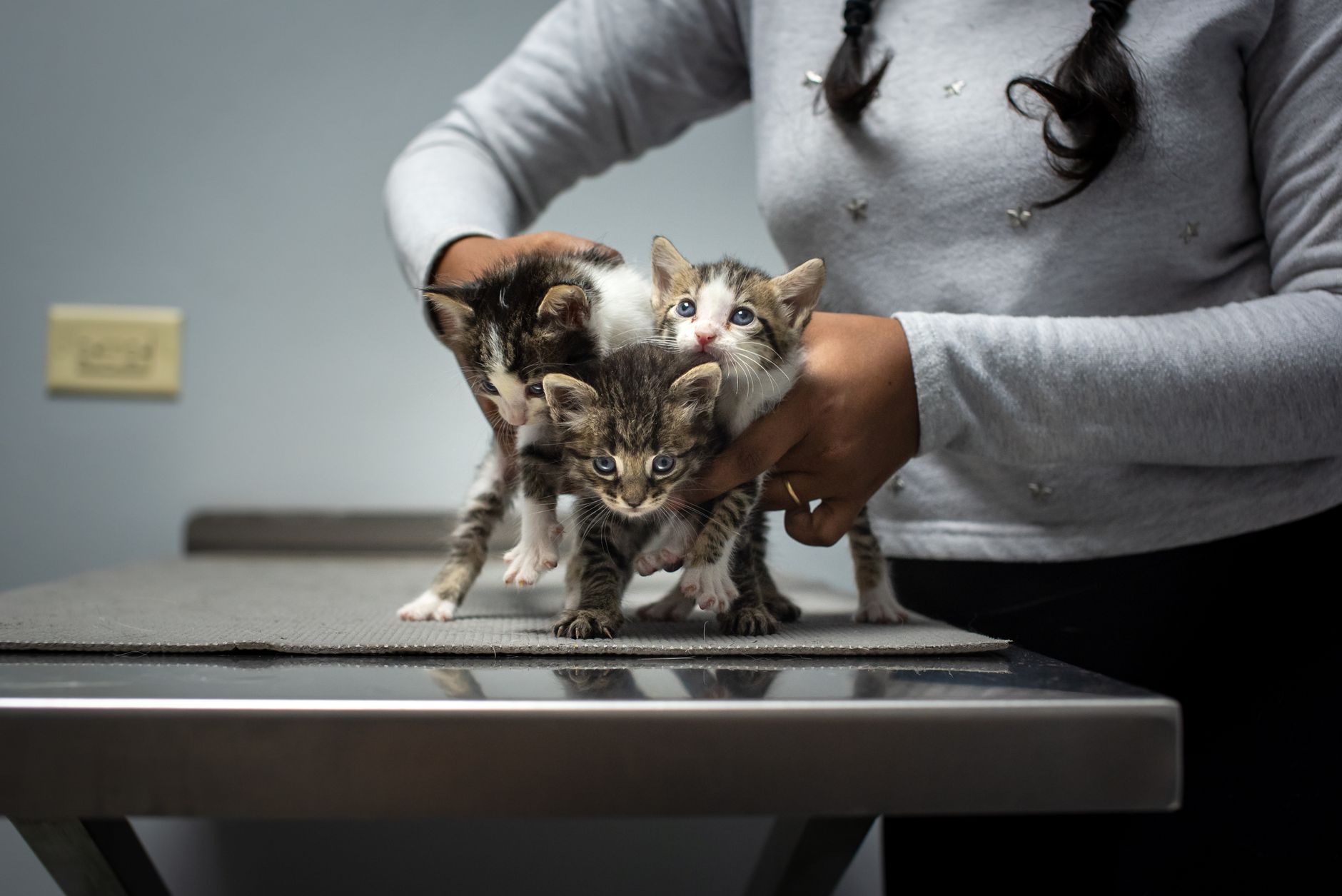
What changed this week is the start of PetSmart Charities’ National Adoption Week, running July 20–26, 2026, alongside a temporary incentive for participating shelter and rescue partners. What has not changed—at least not on the strength of currently available evidence—is the national cat adoption rate. No independent nationwide data released this week establishes a sudden adoption surge. For example, busy cat-adoption activity at a participating PetSmart store may reflect the event’s visibility without demonstrating a broader national trend.
The development still matters because the event arrives during kitten season, when many shelters face their greatest intake and capacity pressures. Nearly every PetSmart store in the United States and Puerto Rico is scheduled to connect potential adopters with local shelter staff and volunteers bringing cats, kittens, dogs, and puppies. PetSmart Charities says thousands of local organizations are participating, although that statement is not a quantified estimate of nationwide shelter capacity. The most accurate reading is therefore narrower than the phrase “breaking trend” suggests: a large, recurring adoption campaign is concentrating attention, animals, staff, and incentives into one week. That may produce meaningful local results, but reliable national conclusions will require outcome data collected after the event.
Table of Contents
- What Changed in Cat Adoption This Week, and Is It a Breaking Trend?
- Why “Cat Adoption Is on the Rise” Needs Context
- Kitten Season Is the Pressure Behind the Event
- How Prospective Adopters Can Use Adoption Week Responsibly
- Common Problems When Reading Weekly Adoption Claims
- What the Latest National Benchmark Actually Shows
- What to Verify at a Local Adoption Event
What Changed in Cat Adoption This Week, and Is It a Breaking Trend?
The immediate change is operational. PetSmart Charities' National Adoption Week is underway from July 20 through July 26, bringing adoptable animals and representatives from local shelters and rescues into stores. The organization describes the event as a way for potential adopters to meet animals and speak directly with shelter staff and volunteers. It is an adoption event, not a government recommendation, regulatory action, approval, or national outcome report. A second change affects participating organizations.
PetSmart Charities has replaced Adoption Event Grants with “2 for 1” Adoption Awards during National Adoption Week. According to its partner FAQs, each qualifying in-store adoption counts as two adoption rewards through the event Sunday. A rescue completing 10 eligible adoptions, for example, can receive credit equivalent to 20 rewards under the program, but that incentive does not prove that 10 additional adoptions occurred because of it. The event itself is not new. PetSmart’s 2026 calendar lists three National Adoption Weeks: March 23–29, July 20–26, and October 19–25. The current activity should therefore be compared with earlier recurring events and normal seasonal patterns, not treated as the launch of an unprecedented national initiative.
Why “Cat Adoption Is on the Rise” Needs Context
PetSmart has said cat adoption is rising, but the company’s evidence should not be mistaken for an independent national adoption-rate measurement. Its July 7 “Top Cat-Loving Cities” list uses internal information from June 10, 2025, through June 9, 2026. Half of each city’s score comes from recorded PetSmart Charities adoptions, while the other half comes from sales in selected cat-product categories, with results normalized by store count and national performance. That methodology can reveal activity within PetSmart’s own network, but it is not a census of American cat adoption. Spending on litter, food, toys, or other selected products may reflect established cat households, price changes, multi-cat homes, or customers switching stores.
It does not necessarily represent a newly adopted cat. The ranking also cannot capture every adoption completed through municipal shelters, independent rescues, foster networks, or direct community rehoming. In the 2026 company ranking, Lexington, Kentucky, held the No. 1 position for a second year. Mount Juliet, Tennessee; Spokane, Washington; Plattsburgh, New York; and Falls Church, Virginia completed the top five. Calling Lexington a highly active city within this combined company measure is fair; calling it the city with America’s highest verified adoption rate would go beyond what the data establishes.
Kitten Season Is the Pressure Behind the Event
The timing is important because kitten season changes both the number and age profile of cats entering shelters. Shelter Animals Count estimates that neonates, weaned kittens, and juveniles accounted for 59% of cat intakes in 2025. Intake of cats under five months old increased 6% from the previous year even though total cat community intake changed by less than 1%. That comparison shows why a nearly flat overall intake figure can conceal substantial strain.
A shelter may receive roughly the same total number of cats as before while handling more bottle-fed neonates, vulnerable kittens, nursing mothers, vaccination schedules, foster placements, and age-dependent feeding needs. Ten healthy adult cats and 10 unweaned kittens represent very different demands on staff time, medical resources, and foster capacity. PetSmart Charities frames the July event around this seasonal pressure and says shelters can be at peak intake or capacity. That characterization is plausible and consistent with the national age data, but it remains an organizational statement rather than a measured, current capacity count for every participating shelter. Conditions can vary sharply: one local rescue may have a long kitten waitlist while a neighboring municipal shelter urgently needs adopters for adult cats.
How Prospective Adopters Can Use Adoption Week Responsibly
An adoption event can make comparison and preparation easier because potential adopters may meet several organizations in one location. Before choosing a cat, ask about known medical history, vaccinations, parasite treatment, spay or neuter status, microchipping, litter-box habits, sociability, and the shelter’s return or support policy. A playful kitten drawing attention in a store may need more supervision and veterinary visits than a settled adult cat whose temperament is already well documented. There is also a practical tradeoff between urgency and fit. Adopting promptly can free shelter capacity during kitten season, but taking home an unsuitable cat may produce stress, conflict with resident animals, or a failed placement.
Someone working long hours might be better matched with an independent adult than a single young kitten requiring frequent interaction. In other households, an already-bonded pair may adjust more comfortably than two unfamiliar cats selected separately. PetSmart advertises event-related benefits that include eligibility for its highest loyalty tier and an adoption guide offering more than $400 in coupons. Those promotions may reduce some initial purchasing costs, but they are not adoption outcomes and should not drive the decision. Food, litter, preventive care, emergency treatment, pet deposits, and long-term medical needs can substantially exceed a one-time coupon package.
Common Problems When Reading Weekly Adoption Claims
The largest analytical problem is confusing event activity with trend evidence. Crowded adoption areas, empty display kennels, social-media posts, and reports of successful placements can show that a particular location had a productive day. They cannot establish a nationwide weekly increase without consistent reporting from a broad, representative set of shelters and comparison with the same period in previous years. Another common error is mixing different measurements. Adoption counts show the number of animals placed, while adoption rates generally relate placements to a defined population or outcome pool.
Product sales measure consumer activity. Partner rewards measure program participation. A city can perform strongly on PetSmart’s combined adoption-and-sales index without having the highest shelter adoption rate, and a shelter can improve its adoption rate even if its raw adoption count falls because fewer cats entered its care. Seasonality creates an additional limitation. July results should not be compared casually with a quieter winter week because kitten availability, public events, school schedules, weather, foster capacity, and shelter intake all change throughout the year. Claims about a new trend are stronger when analysts compare like-for-like periods and disclose which organizations reported data, how missing reports were handled, and whether transfers, returns, and foster-to-adopt placements were counted consistently.
What the Latest National Benchmark Actually Shows
The latest broad benchmark predates this week’s event. In its 2025 Annual Data Report, Shelter Animals Count estimates that 2.2 million cats were adopted in 2025 and reports a 63% cat adoption rate, up from 62% in 2024.
That one-percentage-point change supports a modest year-over-year improvement, not proof of a sudden July 2026 acceleration. The distinction between annual and weekly evidence is essential. The 2025 figures combine reporting across a much longer period and provide a national frame; the July 20–26 event is a seven-day campaign whose results have not yet been established by an independent nationwide report.
What to Verify at a Local Adoption Event
Adopters should confirm details with the shelter or rescue responsible for the cat rather than assuming every organization follows identical procedures. Ask which veterinary records will be provided, whether an adoption remains conditional until sterilization, what happens if a resident pet rejects the newcomer, and whom to contact if respiratory symptoms, diarrhea, appetite loss, or litter-box problems emerge after arrival.
A practical example is a kitten described as ready for adoption but scheduled for a later vaccine booster. The adopter should leave with the vaccine date, product or record information, the booster deadline, and the name of the party responsible for arranging and paying for it. The same specificity should apply to pending microchip registration, prescribed medication, dietary instructions, and any required post-adoption examination.