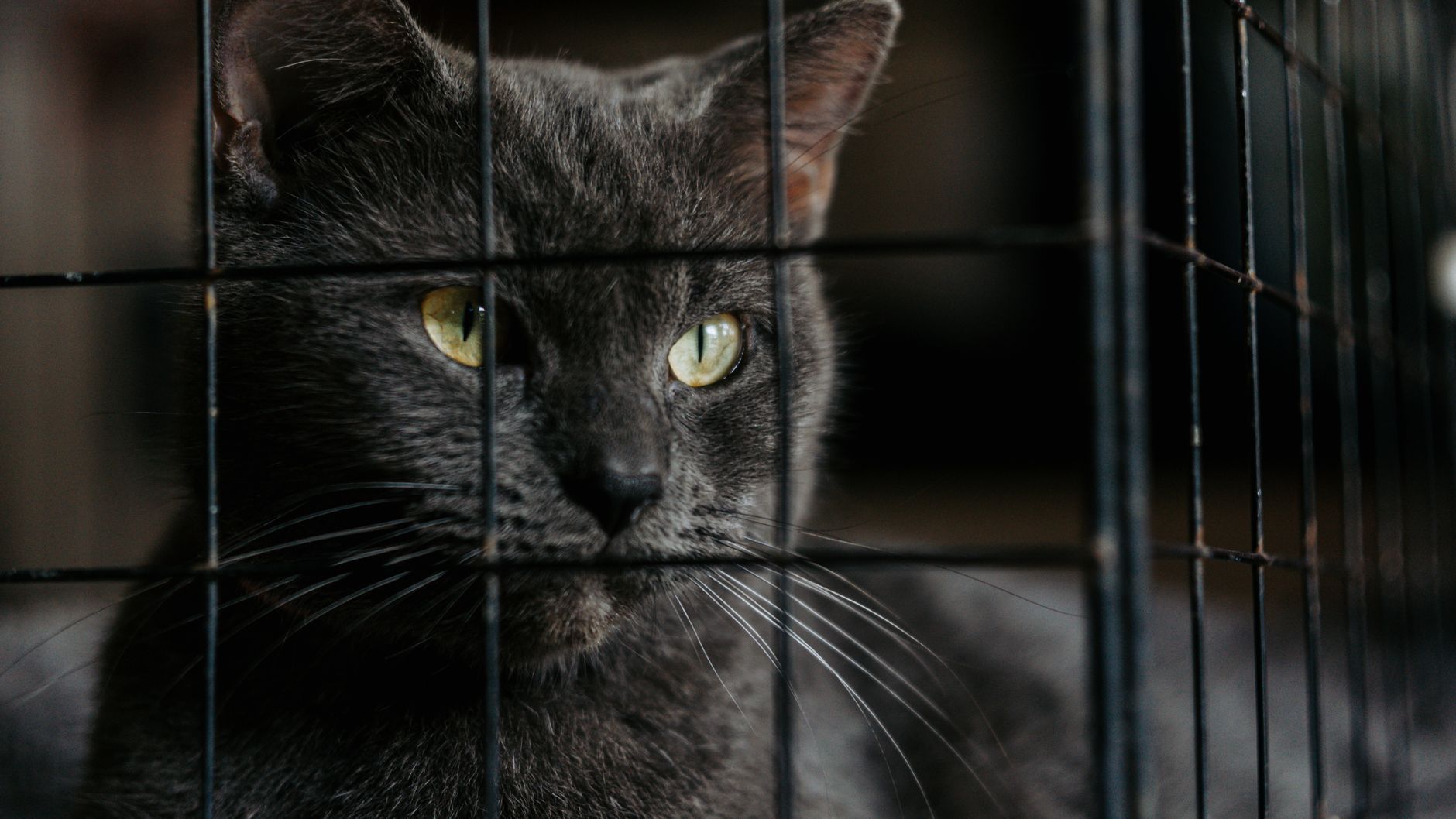
Cat adoption in the United States is governed at the state and local level, which means the rules, waiting periods, and fees you encounter depend heavily on where you live. Most states do not set a single statewide “adoption deadline” for cats, but they do regulate the closely related process that shelters follow: mandatory holding periods (also called stray holds) that determine how long a facility must keep a found cat before it can be adopted out, transferred, or euthanized. In California, for example, the Hayden Act sets a holding period that is generally four to six business days depending on whether the shelter is open to the public on weekends, while Texas law typically requires a minimum three-day hold. That single difference can change whether a cat you spotted at intake is available this week or next. In practical terms, the “deadline” that matters most to an adopter is not a filing date but the point at which a specific cat becomes legally adoptable and, separately, the point at which an unclaimed or unadopted cat may be euthanized.
If you are trying to adopt a stray you brought to a shelter, you usually cannot claim it until the stray hold expires and the original owner’s window to reclaim has closed. Understanding these timelines, plus your state’s licensing, spay/neuter, and rabies vaccination requirements, is what separates a smooth adoption from a frustrating one. The local impact is real and immediate. A county with a strong trap-neuter-return program and a well-funded shelter may adopt out cats within days, while a rural jurisdiction with limited staff may hold animals longer or transfer them to rescues. Your zip code, not just your state, shapes the experience.
Table of Contents
- What Do State Rules and Deadlines Actually Mean for Cat Adoption?
- How State Holding Periods and Legal Requirements Vary
- How Local Shelters and Ordinances Shape the Adoption Experience
- How to Navigate the Adoption Process Step by Step
- Common Problems, Delays, and Legal Pitfalls
- How Trap-Neuter-Return and Community Cat Programs Fit In
- Interstate Adoption and Transport Rules
- Frequently Asked Questions
What Do State Rules and Deadlines Actually Mean for Cat Adoption?
When people search for cat adoption “deadlines,” they are usually running into one of three distinct timelines: the stray holding period, the owner-reclaim window, and any adoption contract deadlines a shelter imposes after you apply. The stray holding period is set by state statute or local ordinance and defines the minimum days a shelter must keep an impounded cat. The owner-reclaim window often overlaps with that hold, giving a former owner the chance to recover a lost pet before it is made available to the public. Consider the contrast between two neighboring situations. In one municipality, a cat with no identification might have a three-day hold, after which the shelter can list it for adoption immediately.
In another, a cat wearing a collar or microchip may trigger a longer hold, sometimes twice as long, because the law requires additional effort to locate the owner. This is why two cats that arrived at shelters on the same day, in different counties, can have completely different availability dates. The third timeline, the adoption contract deadline, is set by the shelter rather than the state. Many organizations place a hold on a cat for 24 to 72 hours once you submit an application and pay a deposit, giving you time to finalize the adoption. Miss that window and the cat may go to the next applicant. Always ask, in writing, exactly how long your hold lasts.
How State Holding Periods and Legal Requirements Vary
Holding periods are the single most misunderstood part of cat adoption, and they vary widely. Some states specify holds in business days, which can stretch a “three-day” hold across a long weekend into nearly a week. Others count calendar days. A few states distinguish between animals with identification and those without, requiring longer holds for identifiable pets. Because these rules are frequently set by county or city ordinance layered on top of state law, the only reliable source is the specific shelter or animal-control agency handling the cat.
Beyond holds, most states attach conditions to the adoption itself. Mandatory spay/neuter before or shortly after adoption is common; many shelters require it as a contract term and may charge a refundable deposit that you forfeit if you do not provide proof of surgery. Rabies vaccination is required by law in most states for cats over a certain age, and some counties require pet licensing for cats just as they do for dogs. The important limitation to understand is that a holding period is a minimum, not a guarantee. A shelter is not obligated to keep a cat beyond the legal hold, and in high-intake facilities, space pressure can mean an unadopted cat’s time runs short soon after the hold expires. If you are waiting on a specific cat to clear its stray hold, call daily and confirm its status rather than assuming the minimum period equals a safe reservation.
How Local Shelters and Ordinances Shape the Adoption Experience
The state sets the floor, but your local shelter sets the actual experience. Two facilities operating under identical state law can run adoptions very differently based on funding, staffing, and philosophy. A well-resourced open-admission shelter in a large metro area might have online applications, same-day adoptions, and on-site veterinary staff who spay or neuter before the cat leaves. A small rural animal control operation may only process adoptions in person during limited hours and transfer most cats to partner rescues. Take the example of “managed intake,” a practice adopted by many shelters in recent years. Instead of accepting every surrendered cat immediately, the shelter schedules surrenders by appointment to control population and reduce euthanasia.
For an adopter, this can mean fewer cats visibly available at any moment, but often healthier, better-vetted animals. It also means the cat you saw online may still be in a foster home and not physically at the shelter. Local ordinances add another layer. Some cities cap the number of cats per household, require licensing, or restrict certain outdoor-cat arrangements. A resident adopting a fourth cat in a city with a three-pet limit could be technically out of compliance before they even get home. Checking your municipal code before adopting, especially if you already have pets, prevents an avoidable problem.
How to Navigate the Adoption Process Step by Step
The practical path to adoption usually follows a predictable sequence: find a cat, submit an application, undergo screening, pay fees, sign a contract, and complete any required veterinary steps. Screening varies from a quick ID check to a detailed interview, a landlord verification, or a home visit. Private rescues tend to screen more heavily than municipal shelters, which is a genuine tradeoff: a rescue’s thorough process can mean a better long-term match, but it also takes longer and rejects more applicants. Fees illustrate the tradeoff clearly. A municipal shelter might charge a modest adoption fee that already includes spay/neuter, a rabies shot, and a microchip, keeping your upfront cost low.
A breed-specific or private rescue may charge more but include additional testing, dental work, or age-appropriate vaccinations. Neither is automatically the better deal; the right choice depends on how much veterinary work you want completed before you take the cat home. To move efficiently, prepare your documents in advance: a photo ID, proof of address, landlord contact information if you rent, and details on any current pets. If a specific cat is on hold for you, get the hold’s expiration date in writing and confirm what happens if you need an extra day. Being organized is often the difference between adopting the cat you want and losing it to a faster applicant.
Common Problems, Delays, and Legal Pitfalls
The most common problem adopters face is assuming a cat is available before its legal hold has expired. If you fall in love with a stray at intake, you generally cannot adopt it until the hold and reclaim window close, and if the original owner appears, they have the superior claim. This can be emotionally difficult, especially when you have already bonded with the animal during a visit. Contract terms are another frequent pitfall. Many adoption agreements include clauses that allow the organization to reclaim the cat if you fail to spay or neuter, if you declaw in a jurisdiction where the rescue prohibits it, or if you rehome the cat without permission.
These clauses are often enforceable. Read the contract fully before signing, and be cautious of any spay/neuter deposit deadline, because missing it can cost you the refund even if you eventually complete the surgery. A warning worth emphasizing: online listings are not always current. A cat shown as available may already be adopted, on medical hold, or in a foster home in another county. Aggregator sites can lag behind a shelter’s own system by a day or more. Before driving a long distance, call the shelter directly and confirm the cat is physically present and adoptable that day.
How Trap-Neuter-Return and Community Cat Programs Fit In
Many jurisdictions now run trap-neuter-return (TNR) or “return-to-field” programs for free-roaming and community cats, and these directly affect what you will find at a shelter. Under these programs, healthy unowned cats are sterilized, vaccinated, ear-tipped, and returned to their outdoor colony rather than being impounded and made available for adoption.
That means a friendly-looking outdoor cat you hoped to adopt may already be part of a managed colony. For example, a resident who brings a healthy adult stray to a shelter with an active return-to-field policy may be surprised to learn the cat will be sterilized and returned to its original location rather than placed for adoption. If you want to adopt that specific cat, ask the shelter whether it qualifies for surrender-and-adopt instead, because once a cat enters the community-cat pipeline, the adoption path can close quickly.
Interstate Adoption and Transport Rules
Adopting across state lines adds veterinary and legal requirements that catch many people off guard. Most states require a Certificate of Veterinary Inspection (health certificate) and proof of a current rabies vaccination for a cat being transported in, and some require the certificate to be issued within a specific number of days before travel, often ten.
Rescues that transport cats between states must comply with both the origin and destination state’s rules, which is why a long-distance adoption can take longer to finalize. As a concrete example, a cat adopted from a shelter in one state and driven to another may need a health certificate dated within ten days of transport, a rabies certificate, and sometimes proof of treatment for parasites. If you are adopting through a transport rescue, ask which state’s veterinarian is issuing the paperwork and confirm the dates line up with your pickup, because an expired certificate can delay the handoff at the destination.
Frequently Asked Questions
Is there a nationwide deadline to adopt a shelter cat?
No. There is no federal adoption deadline. Timelines come from state stray-hold laws and individual shelter policies, which vary by county and facility.
How long is a typical stray holding period for cats?
It commonly ranges from about three to six days, sometimes counted in business days, and can be longer for cats with identification like a collar or microchip.
Can I adopt a stray cat I brought to a shelter myself?
Usually not until the stray hold and owner-reclaim window expire. If the original owner appears within that window, they typically have the superior claim.
Do all states require spay/neuter before adoption?
Many shelters require it as a contract condition, often backed by a refundable deposit, but the exact rule depends on the state and the organization.
What paperwork do I need to adopt a cat from another state?
Generally a health certificate (Certificate of Veterinary Inspection) and proof of rabies vaccination, sometimes issued within about ten days of transport.