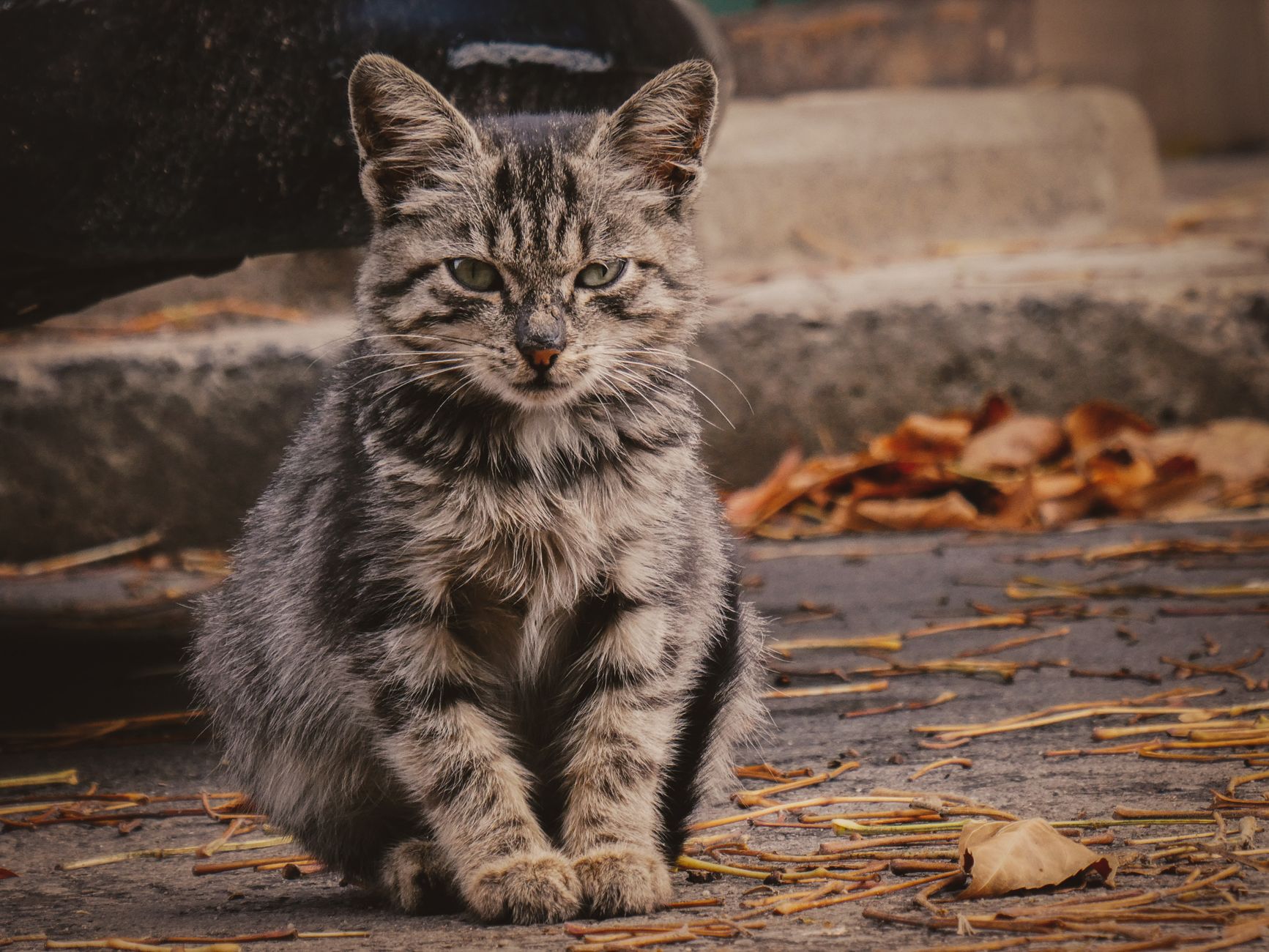
Stray cats can transform family life through surprising bonds and unexpected circumstances. Three families experienced dramatic changes after adopting strays—a deaf tabby who chose them by following their stroller home, a pregnant stray who brought her kittens to their yard one by one, and others whose adoptions brought both joy and hardship. However, these personal narratives, while compelling, reflect individual experiences rather than predictable outcomes.
No published studies measure how many families report life-changing impacts from stray adoption, so the "changed everything" framing rests on lived accounts rather than aggregate data. When a stray arrives unexpectedly, the outcomes depend on the specific cat, the adopting family's circumstances, and their readiness for veterinary care and behavioral adjustment. Understanding these real stories—both the connections and the complications—helps prospective adopters make informed decisions.
Table of Contents
- When a Stray Chooses the Family
- Integration Beyond Expectation
- When Adoption Reveals Hidden Health Crises
- Trust Built Incrementally—and Expanded Family Roles
- Health Screening and Realistic Preparation
- Frequently Asked Questions
When a Stray Chooses the Family
Pistachio, a deaf tabby, demonstrated one of the most dramatic versions of choice: he spotted a couple walking their two orange cats (Cashie and Almond) in a stroller at an apartment complex in Atlanta and spontaneously followed them home. After adoption on December 13, 2023, Pistachio bonded immediately with both cats despite lifelong outdoor experience. The three now share leashed walks, furniture, grooming sessions, and TV time together.
This kind of initiated contact—where the stray recognizes safety in an existing pet household—bypasses the typical uncertainty of whether a stray will accept indoor living or human companionship. Pistachio's deafness, which could have complicated adoption, became irrelevant once he settled. His comfort around the couple's cats suggested that social bonding and trust mattered more than sensory ability. Such spontaneous adoptions remain unusual; most stray rescue requires active intervention by families or rescue organizations.
Integration Beyond Expectation
Pistachio's seamless integration with Cashie and Almond surprised his adopters. A stray with no indoor experience, living as an outdoor cat until adulthood, typically carries behavioral unpredictability—territorial responses, fear of enclosed spaces, or aggression. Pistachio showed none of this.
He groomed with his new siblings, lounged indoors without stress, and accepted leash training, suggesting he interpreted the household environment as safe from his first day. This outcome, while heartening, reflects one cat's individual temperament and the specific supportive household he joined. Not all strays integrate as smoothly; individual personality, early socialization (or lack of it), and the presence of existing pets all influence adjustment speed and success.
When Adoption Reveals Hidden Health Crises
Not every stray adoption unfolds as positively. Prince Jack, adopted by Donna Munoz, stopped eating within weeks of arrival and was diagnosed with feline stomatitis, a painful mouth inflammation affecting up to 10% of cats. Despite hospitalization and aggressive intervention, Prince Jack refused food; Munoz ultimately chose palliative home care over continued medical escalation.
Stomatitis in strays may reflect years of untreated oral disease, malnutrition, or systemic stress from outdoor living. This outcome illustrates a harsh reality: stray adoption carries unpredictable health costs. Outdoor cats face parasites, infections, injuries, and degenerative conditions often undetectable until after adoption. Veterinary screening, follow-up care, and willingness to address chronic conditions are non-negotiable commitments before bringing a stray indoors.
Trust Built Incrementally—and Expanded Family Roles
A pregnant stray in Montreal demonstrated trust through maternal instinct: after giving birth in the wild, she returned to Lisianne's yard and brought her six kittens one by one. The mother cat, later named Usagi, chose proximity and protection over continued independence. Lisianne adopted Usagi and had her spayed; five kittens entered rescue care, with one adopted by a friend.
This story reshaped the family's role: they moved from accidental observers to active rescuers and caregivers. Usagi thrived indoors with full veterinary care, transforming from street survival mode to domestic life. The family's life changed not just through a single cat's presence but through the expanded network of rescue, fostering, and placement that followed.
Health Screening and Realistic Preparation
Before adopting a stray, families should arrange veterinary evaluation for parasites, infections, feline leukemia (FeLV), feline immunodeficiency (FIV), and signs of untreated disease. Strays may carry: Budget for initial screening, quarantine if you have other cats, and ongoing care costs.
Some conditions, like Prince Jack's stomatitis, emerge weeks or months after adoption. Commitment means accepting these possibilities, not just the ideal version of a grateful rescue cat.
- Parasites (fleas, ticks, worms) requiring treatment
- Respiratory infections or dental disease needing intervention
- FeLV or FIV, which affect longevity and household safety around other cats
- Behavioral fear or aggression linked to trauma or lack of socialization
Frequently Asked Questions
Can a stray cat live with my existing indoor cats safely?
Yes, but introduce them gradually (weeks, not days) and screen the stray for FeLV and FIV first. Pistachio bonded immediately with two existing cats, but many strays need time to adjust. Quarantine initially to manage any parasites or infections.
How long does it take for a stray to adjust indoors?
It varies by individual. Pistachio settled within days; other strays require weeks or months of gradual acclimation. Watch for stress signs like hiding, loss of appetite, or aggression, and provide a quiet, safe space during the transition.
What if the stray has untreated health problems like Prince Jack's stomatitis?
Get a full veterinary workup before or immediately after adoption. Some conditions, including stomatitis, may be chronic or irreversible. Be prepared for ongoing treatment, dietary adjustments, or palliative care if the cat refuses food or shows severe pain.