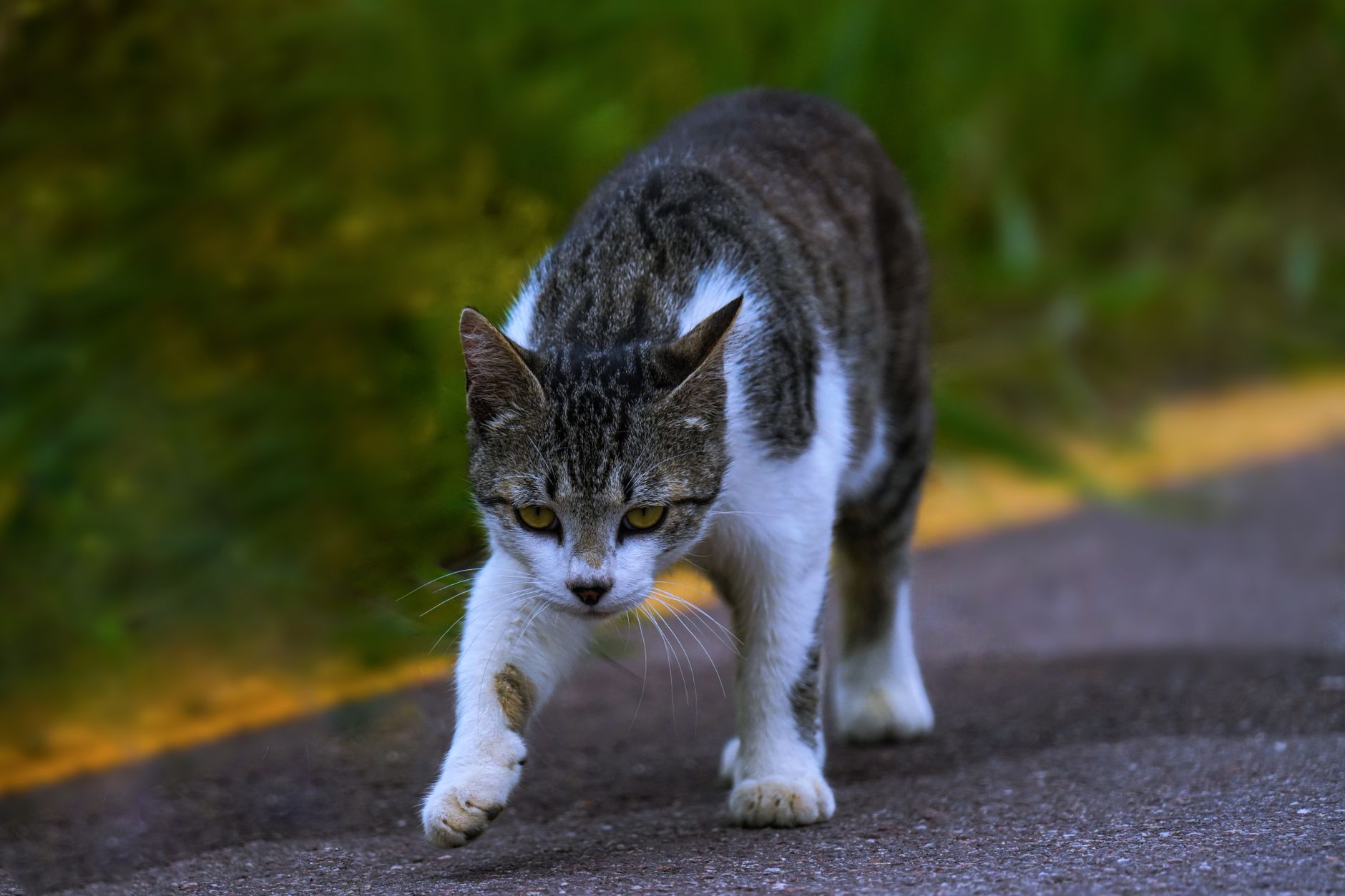
A stray cat's lifespan nearly triples when moved indoors—from 2–5 years on average to 12–18 years—due to protection from traffic, predators, disease, and consistent nutrition. Beyond longevity, indoor shelter transforms a stray's health, behavior, and capacity for social bonding in ways that fundamentally improve quality of life. Cats found on the street often carry hidden injuries, parasites, and untreated infections that become treatable once they receive veterinary care and stable housing. Most strays show fear or anxiety initially, but these stress responses fade over weeks to months in a safe, quiet environment, allowing trust and affection to emerge.
Table of Contents
- Why Outdoor Strays Have Much Shorter Lives
- How Indoor Shelter Reverses Hidden Health Problems
- Behavioral Change and Bonding Capacity
- Supporting a Newly Sheltered Stray's Adjustment
- The Broader Impact of Rescue and Sterilization Programs
Why Outdoor Strays Have Much Shorter Lives
Indoor cats live 12–18 years on average, while outdoor stray cats survive only 2–5 years, according to VetInfo and Embrace Pet Insurance. The gap reflects multiple threats: traffic, predators, exposure to extreme weather, untreated injuries, and disease.
Unmanaged street environments breed parasites and infections at higher rates. Stray cats in outdoor colonies show infection rates of 34.5% with lung nematode, a parasitic disease, compared to much lower rates in shelter cats receiving routine preventive care, according to a 2024 study published by the NCBI. Without access to food, shelter, and veterinary support, immune systems weaken and secondary illnesses accumulate.
How Indoor Shelter Reverses Hidden Health Problems
Stray cats often hide pain and illness effectively, meaning untreated dental infections, parasites, and virus exposure accumulate unnoticed. Once indoors, veterinary checkups identify and treat chronic dental problems that reduce quality of life, while routine deworming and preventive medication eliminate parasitic burden. Core vaccinations—rabies, FVRCP (feline distemper), and FELV (feline leukemia)—plus spaying or neutering protect against reproductive infections and hormone-driven behaviors.
Rescue programs provide these interventions, removing disease risk and extending healthy life significantly. Food security and consistent water access indoors also eliminate malnutrition-driven immune suppression. Stray cats forage inconsistently and suffer unbalanced nutrition; sheltered adoption provides stable calories, reducing susceptibility to secondary infections and chronic illness.
Behavioral Change and Bonding Capacity
Stray cats show fear and sometimes aggression initially because these are stress responses to an unpredictable, hostile environment. In safe indoor spaces with patient handling, anxiety gradually resolves over weeks to months. Consistent quiet, soft interaction without forced contact allows acclimation and trust to develop.
Contrary to assumption, stray cats retain their social bonding capacity. Strays (unlike feral cats) were typically socialized to humans previously and can form close bonds through grooming and rubbing with caregivers and other indoor cats when given consistent, non-coercive interaction. The transformation from wary street survivor to affectionate companion often happens naturally once the cat feels safe.
Supporting a Newly Sheltered Stray's Adjustment
When adopting a stray, expect an acclimation period. Start by confining the cat to a quiet room with food, water, litter, and hiding spots—a closet, cardboard box, or under-bed shelter where the cat can decompress without pressure to interact. Avoid forced petting or picking up; instead, sit quietly nearby and allow the cat to approach.
Schedule a veterinary checkup early to address parasites, vaccinations, and any underlying illness. Long-term confinement stress in shelters increases illness risk, so rapid home placement minimizes harm, meaning adoption is preferable to extended shelter stays. Provide consistent meal schedules and respect the cat's pace—rushing bonding often backfires.
The Broader Impact of Rescue and Sterilization Programs
When combined with regular food, shelter, and veterinary care, sterilized indoor adoption creates a dramatic lifespan improvement—7–10+ years or more, extending outdoor survival by 3–5 times. Rescue programs amplify this benefit; U.S. shelter euthanasia rates for cats have declined 5.1% year-over-year and 38% since 2019, with improved medical protocols and adoption initiatives increasing survival rates from 87% to 92% for rescued cats between 2019 and 2024.