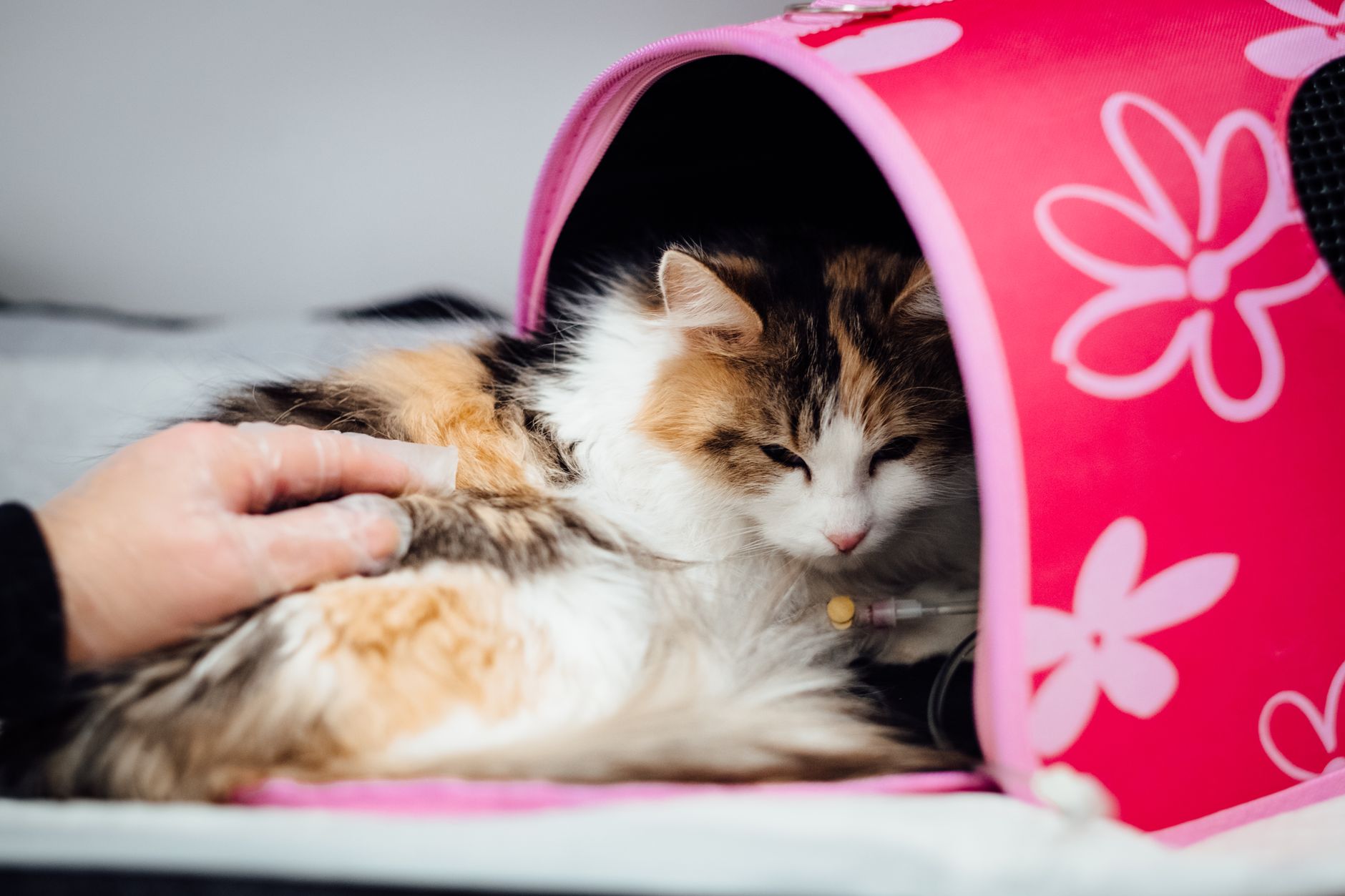
No distinct cat-carrier regulatory or safety update for August 2026 has been verified. The meaningful recent change is revised car-travel guidance, which affects carrier placement, seat-belt use, and what buyers should verify next. The Feline Veterinary Medical Association, or FelineVMA, issued its latest motor-vehicle transport statement in 2025, replacing its 2020 guidance. That—not a new August rule—is the documented update readers should use.
Table of Contents
- What actually changed?
- Where should the carrier go in a car?
- Which safety claims should buyers trust?
- What works best for veterinary visits?
- What should air travelers verify next?
What actually changed?
FelineVMA announced the replacement guidance in November 2025 among its updated position statements. It focuses on preparing cats for travel and reducing avoidable transport risks. The guidance advises caregivers to acclimate cats to an appropriate carrier before travel.
It also recommends providing a hiding option, such as a towel or blanket. This matters most for routine car journeys, including veterinary visits. Instead of treating the carrier as storage used only on appointment day, caregivers should make familiarity part of travel preparation.
Where should the carrier go in a car?
felineVMA advises placing the carrier on the vehicle floor behind a front seat. Its motor-vehicle transport statement also warns against automatically securing every carrier with a seat belt. A seat belt should be used only with a crash-test-certified carrier.
Belting an uncertified carrier can inadvertently crush it during a collision. Here, "crash-test-certified" refers to the specific carrier model, not its general appearance or brand. A label such as "pet carrier" or "travel carrier" does not establish that it passed road-crash testing.
Which safety claims should buyers trust?
The Center for Pet Safety, or CPS, operates a voluntary certification program. Buyers should check for both the CPS Certified logo and the exact model on the organization's current certified-products list.
CPS lists the Sleepypod Air as passing its January 2025 carrier test with a four-star rating and an 18-pound rating. That result applies to the specified Sleepypod Air product, not to soft-sided carriers as a category. Before using a seat belt, check:.
- The exact model name, not merely the manufacturer
- Whether that model has documented crash-test certification
- The certified weight rating
- The manufacturer's instructions for positioning and restraint
What works best for veterinary visits?
FelineVMA-backed Cat Friendly Homes guidance favors a sturdy, easy-clean carrier with front and top access or a removable top. These features allow a fearful cat to remain in the carrier's lower half during an examination instead of being pulled through a narrow door. That design may be more useful for veterinary care than a carrier chosen only for low weight or appearance.
Buyers who travel by both car and air must also check whether the same model meets each setting's separate requirements. Carrier acclimation should begin before the next appointment. Leave time for the cat to investigate the carrier and become comfortable with its hiding cover rather than introducing both immediately before departure.
What should air travelers verify next?
American Airlines currently requires an in-cabin cat to remain inside a closed carrier under the seat. Its recommended soft-sided dimensions are 18 × 11 × 11 inches, while hard-sided limits depend on the aircraft, according to the airline's current pet-travel rules. A correctly sized carrier still does not guarantee that a cat can travel on a particular flight.
American bars carry-on pets on trans-Atlantic and trans-Pacific trips and restricts them in certain cabins and seats. Check these details before buying or departing: TSA guidance requires travelers to remove a small pet from its carrier at the checkpoint and send the empty carrier through X-ray. Prepare a secure leash or another controlled handling plan for that moment.
- The airline's current pet policy
- The exact flight, aircraft, cabin, and seat
- The carrier's exterior dimensions
- Whether the route allows in-cabin pets
- The airport-screening handling plan