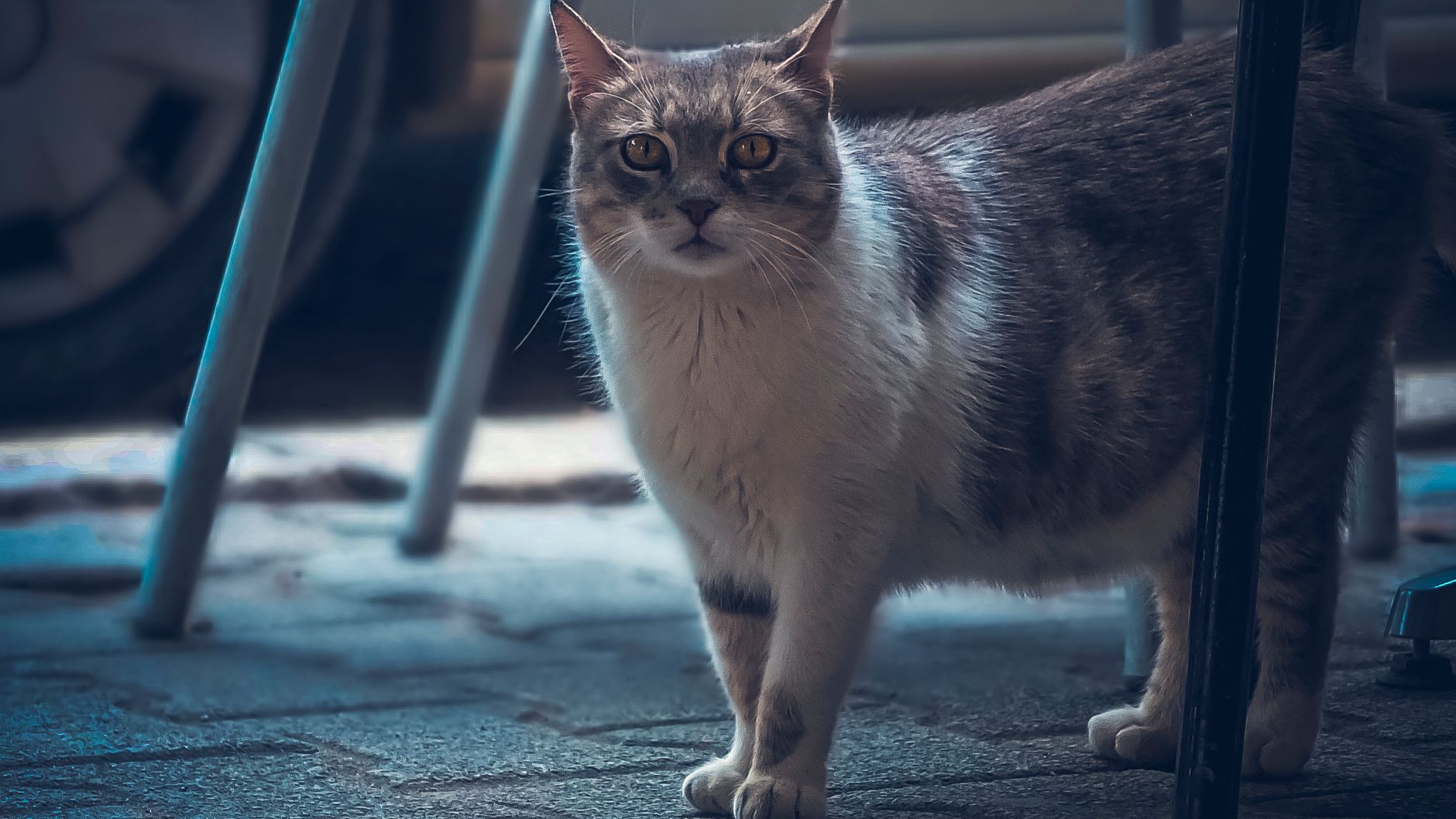
Hunting drive in cats is not new, but veterinary understanding of how to manage it has evolved significantly. Recent guidance from the American Association of Feline Practitioners emphasizes a critical distinction: cats hunt on instinct, not hunger, which means feeding a well-fed cat more will not stop the behavior.
Instead, modern veterinary recommendations focus on enrichment strategies and controlled outdoor access to satisfy this fundamental drive while reducing wildlife impact and disease risk. The key takeaway is that indoor and outdoor cat management must account for hunting as an unsuppressible instinct. Because cats engage in 3–10 hours daily of hunting behavior regardless of whether they are well-fed, the goal is not elimination but satisfying the drive safely—through simulated hunting opportunities indoors, leashed outdoor time, or enclosed spaces like catios.
Table of Contents
- Hunting Is Instinctual, Not Hunger-Driven
- The Wildlife and Disease Impact of Outdoor Hunting
- What Recent Research Shows About Outdoor Timing and Hunting Success
- Supervised Access and Enclosed Spaces as Veterinary Recommendations
- Indoor Enrichment That Satisfies Hunting Instincts
- Frequently Asked Questions
Hunting Is Instinctual, Not Hunger-Driven
According to the American Association of Feline Practitioners, a cat's desire to hunt is not connected to hunger; the drive is not governed by hormones and does not diminish after neutering. This is the foundation of modern feline behavior guidance—hunger and hunting motivation are completely separate systems in cats.
A well-fed house cat and an unfed outdoor cat both retain identical hunting drive. Indoor cats retain stalking, clawing, chewing, and territory-marking behaviors indoors; since outdoor cats hunt upwards of 10 prey daily, indoor cats require alternative outlets for predation to maintain welfare. The implication is straightforward: preventing hunting through feeding strategy alone is impossible, and any management approach must address the instinct directly.
The Wildlife and Disease Impact of Outdoor Hunting
Free-roaming cats in the United States kill an estimated 4 billion birds, 22.3 billion mammals, and 1.1 billion amphibians and reptiles annually. This scale of predation creates measurable ecological pressure, particularly in regions where native wildlife populations are already stressed by habitat loss or climate impacts.
Beyond wildlife, outdoor access carries direct health costs to the cat itself. Outdoor cats face increased risk of infectious diseases including feline leukemia, FIP, and feline immunodeficiency virus, along with exposure to parasites, vehicle injury, and predation by larger wildlife. These trade-offs between outdoor freedom and safety underpin the veterinary shift toward managed alternatives.
What Recent Research Shows About Outdoor Timing and Hunting Success
A 2024 peer-reviewed study found that among cats with outdoor access, those allowed to roam freely or permitted outdoors during 6:00–11:59 a.m. showed higher odds of hunting prey in the prior year.
Morning hours appear to align with natural feline activity patterns and coincide with peak foraging times for birds and small mammals. For owners considering outdoor access, this finding suggests that the timing of outdoor time, not just whether a cat goes outside, influences hunting frequency. Even restricted outdoor access during high-activity windows may result in prey capture, making decisions about duration and timing relevant to wildlife protection.
Supervised Access and Enclosed Spaces as Veterinary Recommendations
The American Association of Feline Practitioners recommends supervised outdoor access—via leashed walks or cat-proof enclosures (catios)—to reduce injury, disease, and predation risks while allowing expression of natural behaviors. This approach acknowledges the tension between a cat's welfare and environmental safety concerns, offering a middle ground rather than an absolute choice. A catio—an enclosed patio open to the outdoors but physically separated from free roaming—allows a cat to see, smell, and hear the environment without predation access or disease exposure risk.
Leashed walks offer direct outdoor time under owner control. Neither option is perfect; a leashed cat may find restriction frustrating, and a catio requires space and installation. The choice depends on the owner's risk tolerance, living situation, and priorities around wildlife conservation.
Indoor Enrichment That Satisfies Hunting Instincts
Indoor cats require simulated hunting and foraging opportunities including puzzle feeders, wand toys that mimic prey movement, and hidden food caches. Timing matters significantly: five to ten minutes of interactive play once or twice daily in multiple short sessions is more effective than single long sessions. The variety and frequency are what sustain engagement.
Indoor cats deprived of hunting outlets face elevated risks of behavior problems, stress-related illness, and obesity; environmental enrichment through puzzle-based feeding and interactive play significantly mitigates these risks. Practical examples include hiding small portions of food around the home, using wand toys that dart and pause to mimic live prey, and rotating toys regularly to maintain novelty. The rotation prevents habituation—a cat bored with the same toy is a cat without adequate enrichment.
Frequently Asked Questions
Can a diet change or feeding schedule stop hunting behavior?
No. Hunting drive is not connected to hunger or fullness, so feeding more frequently or offering different food will not change your cat's instinctual hunting behavior.
How much daily play time do indoor cats need?
Five to ten minutes once or twice daily in multiple short sessions is more effective than one long session. Rotating toys maintains engagement better than repeating the same toy.
Is it cruel to keep an outdoor cat indoors?
Indoor cats with appropriate enrichment—puzzle feeders, interactive play, and varied toys—thrive and face lower disease and injury risks. The adjustment requires patience, but proper enrichment satisfies hunting drive without outdoor hazards.