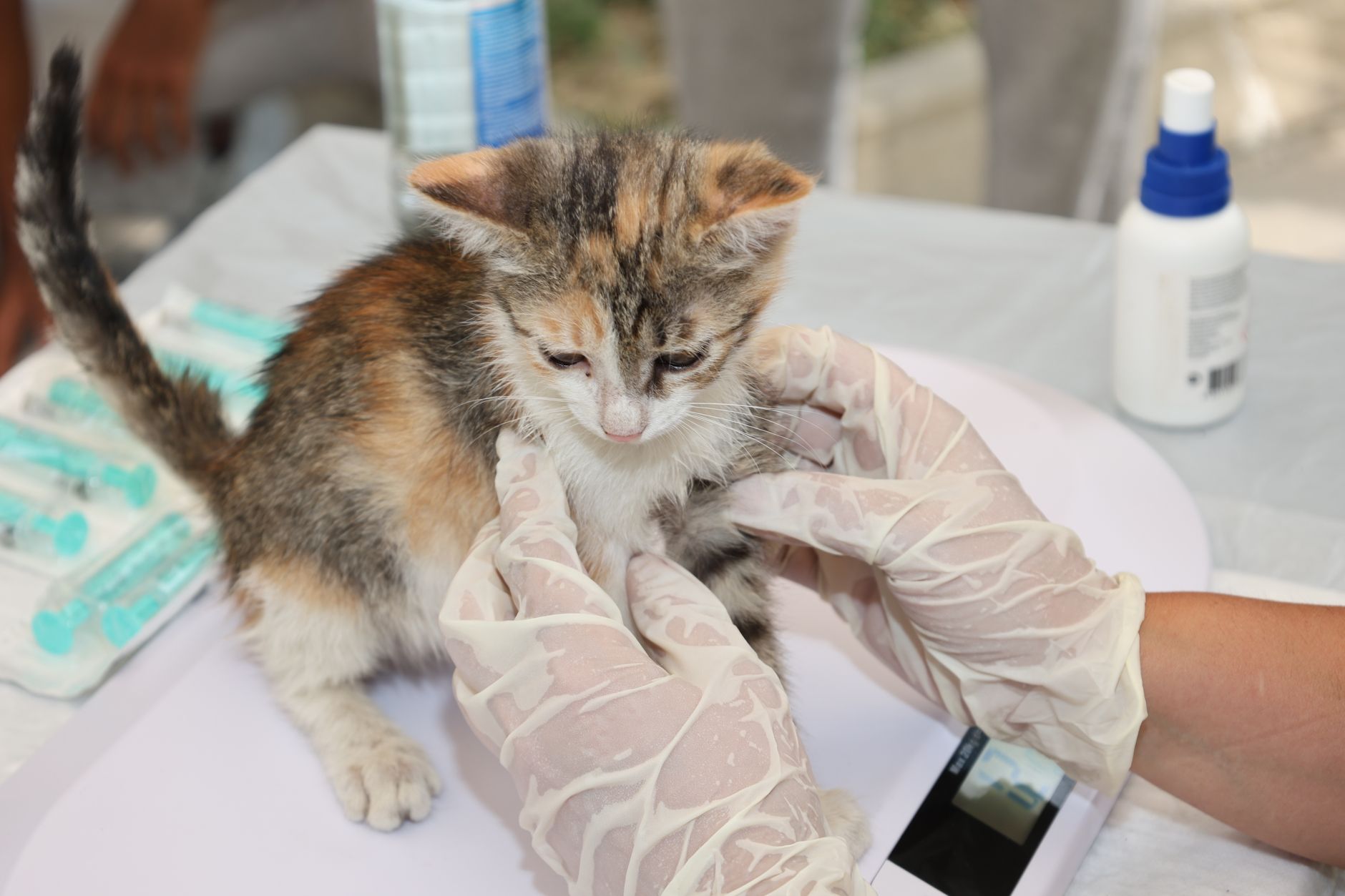
Cat vaccines protect against serious infectious diseases, with the right schedule based on a cat's age, health, exposure, and local rabies requirements. For September 2026, the practical answer is to start kittens on time, keep core protection current, and tailor additional vaccines to real contact risks. Core vaccines are those recommended broadly because the diseases are widespread or can cause severe illness or death. They are not a one-size-fits-all calendar for every adult cat.
Table of Contents
- Which vaccines are core for cats?
- When should kittens start vaccines?
- Does an indoor cat still need vaccines?
- What about FeLV and rabies vaccines?
- What if a cat is overdue or has vaccine concerns?
Which vaccines are core for cats?
AAHA and AAFP list feline herpesvirus-1, calicivirus, panleukopenia, and rabies as core vaccines. Feline leukemia virus, or FeLV, is also core for kittens and cats younger than one year.
AAHA's core-vaccine guidance explains that these diseases can be serious and are sufficiently widespread to justify broad protection. The herpesvirus, calicivirus, and panleukopenia vaccines are commonly grouped in an FVRCP-type combination vaccine. Your veterinarian can match the product and route to your cat's situation.
When should kittens start vaccines?
Kittens receiving injectable FVRCP-type vaccines should start no earlier than six weeks of age. They then receive doses every three to four weeks until they are 16 to 20 weeks old, because maternal antibodies may interfere with an earlier response.
AAHA/AAFP's kitten schedule supports this repeated-dose approach. A typical appointment plan needs room for the kitten's exact age and the vaccine used. Do not assume one early dose completes the series.
Does an indoor cat still need vaccines?
Often, yes. A vaccine plan should consider life stage, travel, boarding, household changes, and contact with other animals instead of relying only on the label "indoor cat." AAHA's feline vaccination overview notes that one cat's exposure can affect other cats in the home. Consider whether your cat may: These details help a veterinarian decide which noncore vaccines, if any, fit the cat's actual risk.
- Board, travel, visit a groomer, or stay with relatives
- Meet newly adopted cats or foster cats
- Escape outdoors or share space with cats of unknown health status
- Live with another cat whose routines create outside exposure
What about FeLV and rabies vaccines?
FeLV vaccination is core for kittens and cats under one year. Before vaccination, a cat should have its FeLV antigen status established. Low-risk adults without possible contact with FeLV-positive or unknown-status cats may not need it, while cats with regular exposure risk should receive annual FeLV revaccination after the initial series.
AAHA/AAFP's FeLV recommendations distinguish these risk levels. Rabies timing follows both the vaccine label and local law. Where local law allows it, a three-year interval is recommended only when the cat receives a vaccine labeled for three years.
What if a cat is overdue or has vaccine concerns?
For a low-risk cat older than 16 weeks that is overdue, AAHA/AAFP recommends one modified-live core dose or two inactivated doses three weeks apart; rabies is handled separately under local rules. AAHA/AAFP's overdue-vaccine FAQ provides this catch-up approach.
Vaccines reduce transmission but do not provide perfect protection. Cornell University College of Veterinary Medicine notes uncommon risks including short-term allergic reactions and feline injection-site sarcoma, a long-term cancer at an injection site; discuss these risks alongside your cat's exposure and the severity of the disease being prevented. Cornell's benefits-and-risks guidance.