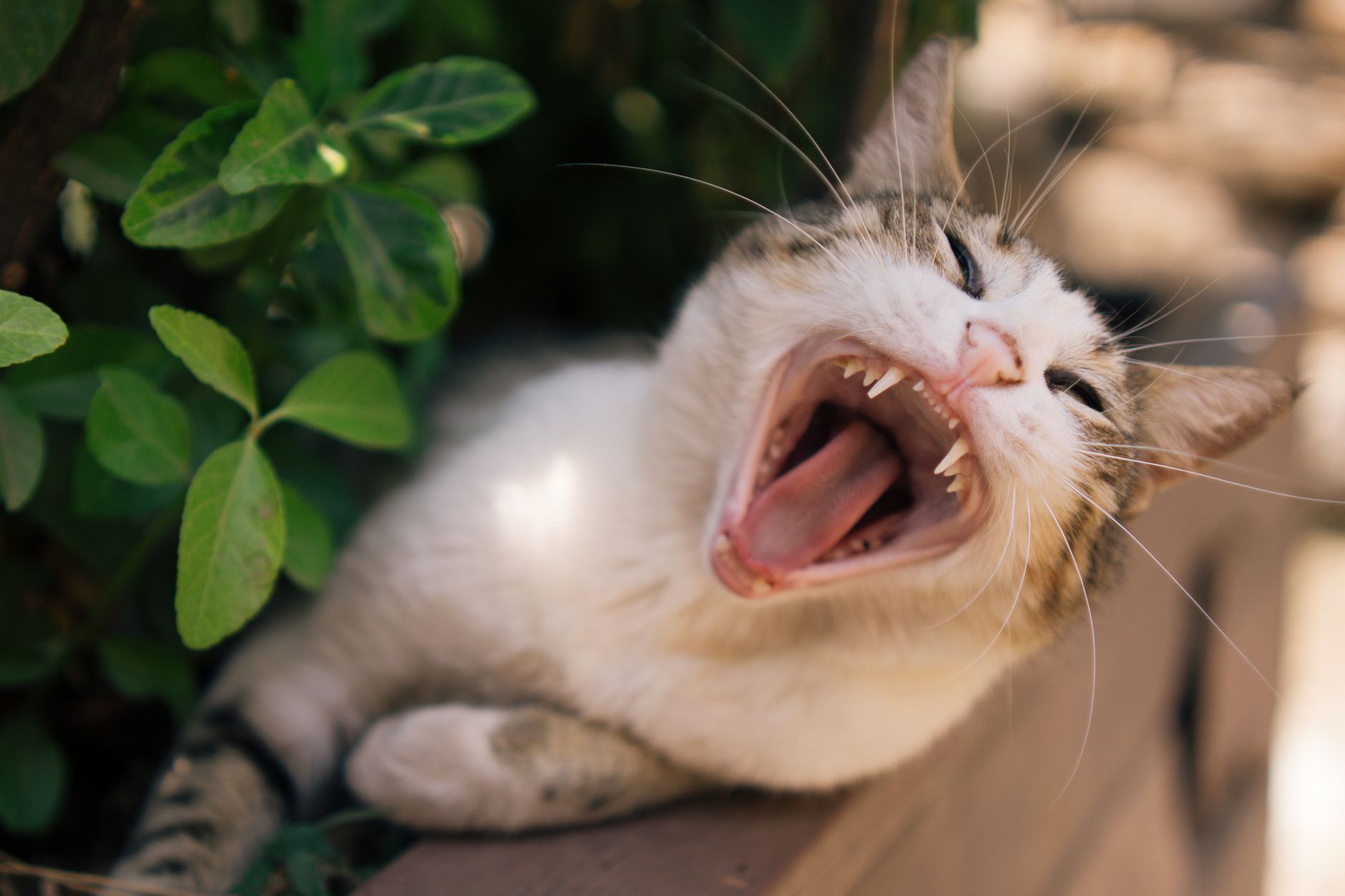
You can grow catnip indoors without your cat destroying it by giving the plant strong light and keeping the mother plant behind a barrier. Catnip is a leafy herb that makes many cats sniff, rub, roll, and race around because its leaves contain nepetalactone. Success means splitting the job in two. You grow a protected supply plant to stay bushy, then you hand out small cuttings for play.
Table of Contents
- What Light and Warmth Does Indoor Catnip Need
- How Should You Pot and Water It
- How Do You Keep It Bushy and Potent
- How Do You Keep Cats Off the Mother Plant
- Will Your Cat Even Respond to It
What Light and Warmth Does Indoor Catnip Need
Indoor catnip needs at least 6 hours of strong light each day. The Kitchen Garten recommends a south-facing window or a grow light, plus 65–70°F warmth for germination and growth, as explained in this indoor catnip growing guide. Weak window light makes stems tall, thin, and floppy.
If new growth stretches toward the glass, move the pot closer to the light or add a grow light above it. Warmth matters most at the start. Keep seed pots warm and bright until seedlings stand upright, then keep them in steady room warmth.
How Should You Pot and Water It
Choose a pot with drainage holes and well-draining soil. Gardening Know How advises watering only when the top 1–2 inches dry, to avoid root rot and leggy growth, as described in this potted catnip planting guide.
Catnip seeds need light to start, so placement matters. An Eco-savvy.blog guide says to sow them very shallowly under about 1/8 inch of soil and keep the mix consistently moist but not soggy.
- Fill a draining pot with well-draining mix
- Press seeds on top and cover lightly
- Mist to moisten without soaking
- Water again only when the top layer dries
How Do You Keep It Bushy and Potent
Pinch the young growing tips to force side branches. A Plantin guide says pinching tips and cutting whole stems near the base keeps plants bushy, while harvesting just before flowering preserves peak essential-oil potency. Do not strip one stem bare over and over.
Cut whole stems near the base and let the plant replace them, which spreads growth outward instead of upward. Dry harvested stems and leaves on a screen. A Gardening Know How harvest guide says to store the dried supply where cats cannot reach, since plants quickly regrow stems after cutting.
How Do You Keep Cats Off the Mother Plant
Grow the supply plant where paws cannot reach it. Indoor growers use wire cages, terrariums, hanging pots, high shelves, or a closed-door plant room, plus rotating several pots between indoor and outdoor light. Cages and terrariums work best for sunny windows.
A hanging pot or high shelf works when the cat cannot jump to it from furniture nearby. Keep a second small pot as the sacrifice plant if your cat begs. Offer trimmings from that one, while the caged mother plant keeps making new stems.
Will Your Cat Even Respond to It
Cats smell nepetalactone through nasal receptors, then may sniff, rub, roll, and turn hyperactive. Chemical & Engineering News reports that about one-quarter to one-half of cats never develop sensitivity because response is inherited, as detailed in this report on catnip chemistry. Catnip is generally safe for cats to smell or nibble.
Petco, citing ASPCA, notes that eating large amounts can cause temporary vomiting or diarrhea rather than life-threatening poisoning. If your cat ignores fresh leaves, sensitivity may be absent. Offer a small dried pinch and put the rest away before your cat climbs for more.