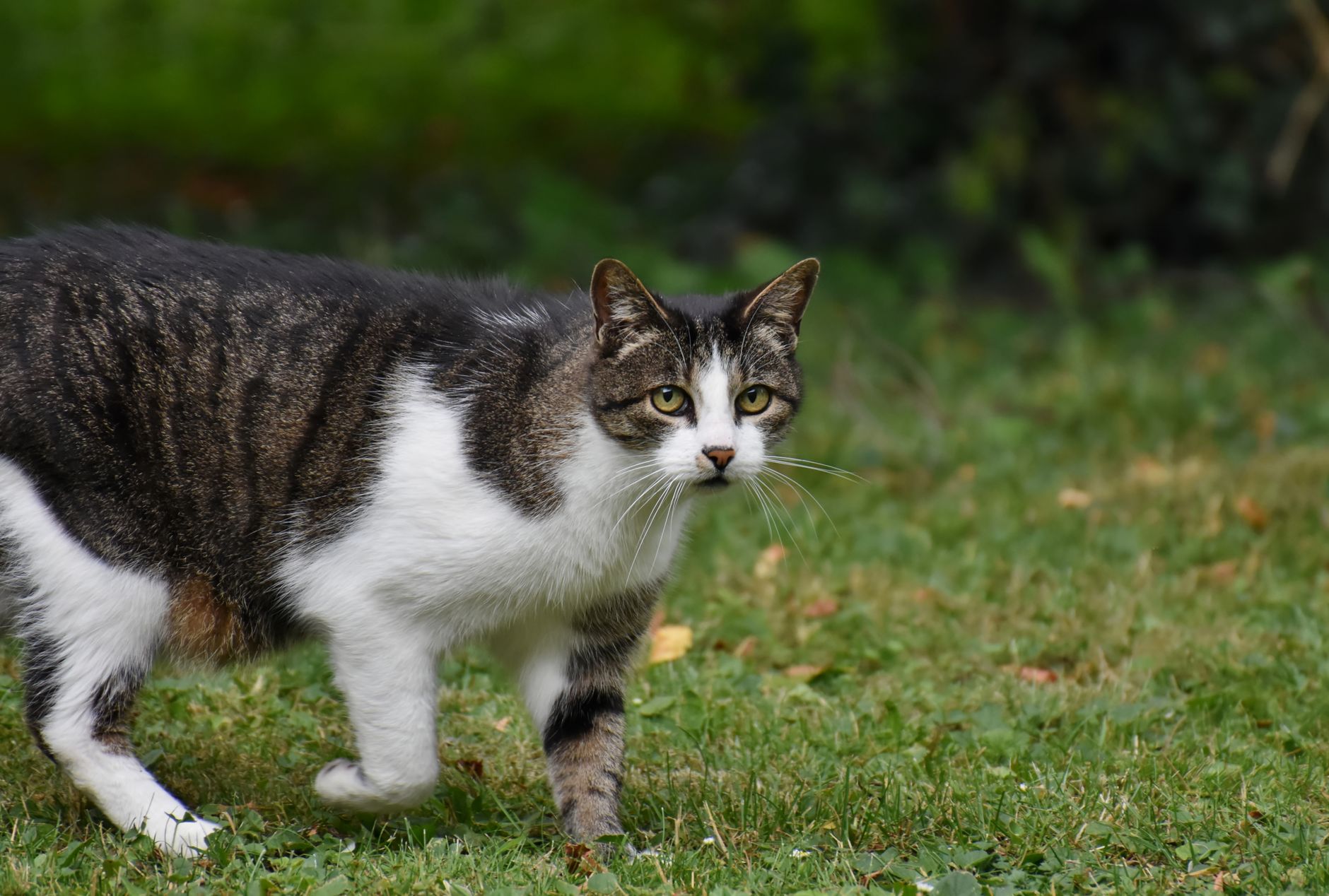
The 2026 update on cats marking territory is that pheromone products may help cats, but vet care, litter setup, and safe cleaning matter more. The AAFP and ISFM guidelines describe urine marking as spraying small pungent amounts on vertical surfaces during normal litter-box use. This guide explains how to spot marking, what the product evidence shows, and what to avoid. It is for owners of one or many indoor cats making daily care choices.
Table of Contents
- How to tell marking from a litter-box problem
- Why call the vet first?
- Do pheromone diffusers and sprays help?
- How to set up the box and clean safely
How to tell marking from a litter-box problem
Marking cats usually stand with a raised tail that sometimes twitches while they spray. They leave small, pungent amounts on vertical surfaces such as walls, doors, or sofa sides.
The Companion Animal Fund notes they often keep using the litter box for larger voids. That pattern points toward marking rather than a toileting failure. In multi-cat homes, track which cat sprays, the exact spot, and what changed nearby.
Why call the vet first?
AAFP and ISFM guidance calls for a medical check first. Urinary infection, stones, cystitis, and other illness can cause house-soiling that looks like marking.
The same guidance says neutering intact cats sharply lowers sexually driven marking. Bring notes on heat cycles, fights, new pets, moves, thirst, and litter habits.
Do pheromone diffusers and sprays help?
Ceva's Feliway Classic diffuser and spray deliver a synthetic F3 facial pheromone. According to Ceva, one diffuser covers about 700 sq ft for about 30 days, as described on Ceva's clinically proven page. Ceva reports spraying fell from 14.8 to 1.6 marks per day by day 7, with 59 cats stopped by day 28.
Those numbers come from company testing and describe group averages, not a promise for each cat. A University of Lincoln meta-analysis in the University of Lincoln PLOS ONE analysis was more cautious. It estimated about 20% of cats reached at least 90% reduction on placebo, with F3 adding little beyond management plus placebo.
How to set up the box and clean safely
Cornell shelter medicine advises one box per cat plus one extra. Place boxes in quiet, easy spots, including one per floor. Scoop daily, wash fully at intervals, and use unscented litter. AAFP and ISFM guidance links steady litter care, more play, and lower stress to fewer urinary signs. It also links that calm care to longer healthy gaps in cats with chronic lower-urinary stress disease.
Keep feeding, play, and rest times steady and give hiding and climbing spots. Sandia Animal Clinic advises enzymatic cleaners that break down urine signal chemicals, not ammonia or heavy fragrance. Keep cats off treated areas until fully dry to limit ingestion and breathing exposure. The Pet Poison Helpline warning on essential oils and cats says cats handle phenols poorly. It lists wintergreen, sweet birch, citrus/d-limonene, pine, ylang ylang, peppermint, cinnamon, pennyroyal, clove, eucalyptus, and tea tree as poisoning risks.
- Use enzymatic cleaner, not ammonia or strong scent.
- Keep cats off cleaned spots until fully dry.
- Skip oil diffusers and DIY deterrents with listed oils near cats.
- Do not punish spraying; AAFP guidance links punishment to more hidden spraying.