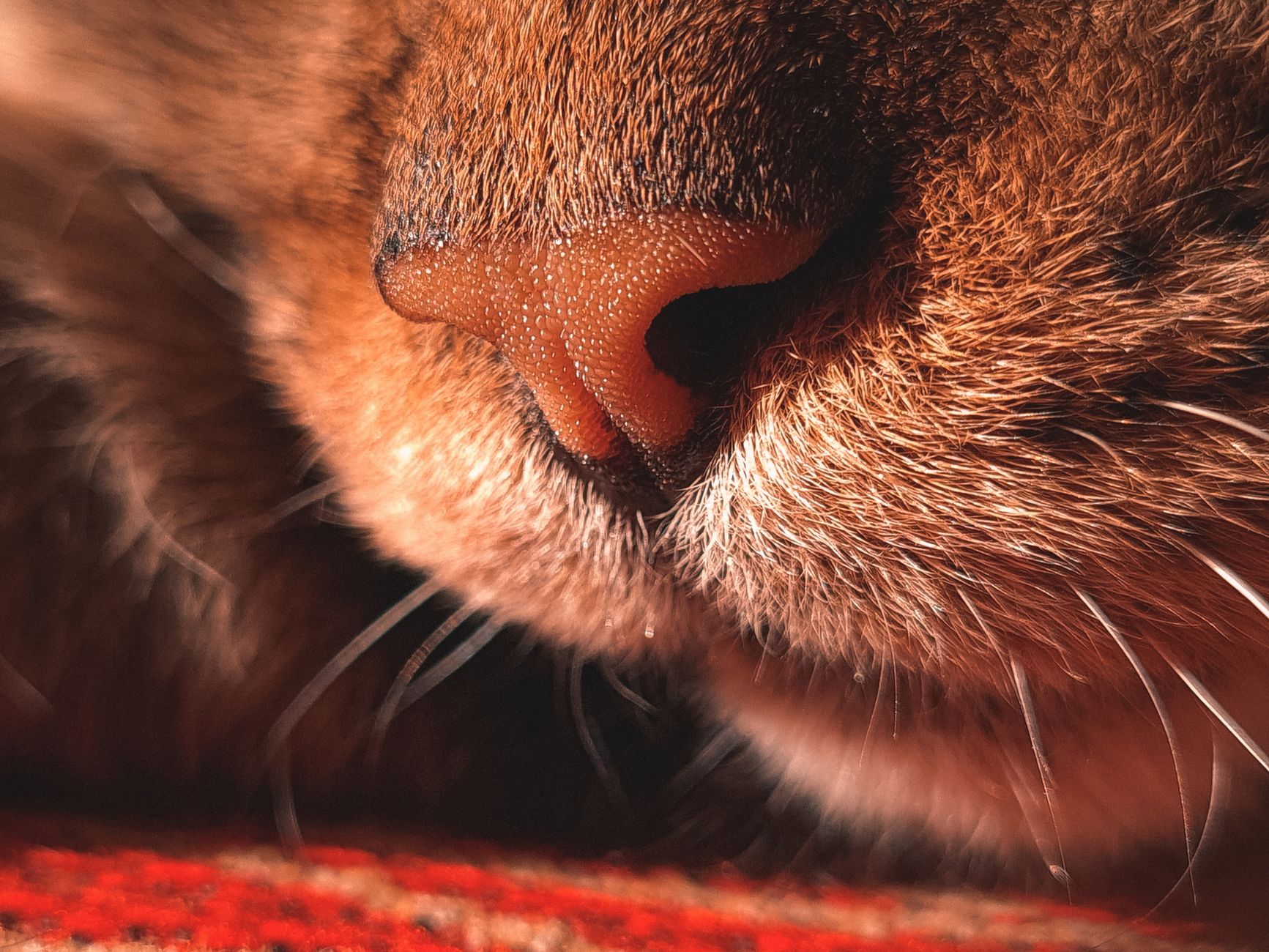
Compare every purring claim against veterinary sources, measured frequencies, and the cat's body language. Treat healing claims as unproven unless the source states limits and context.
Purring is a low, rhythmic vibration cats produce while breathing. Pet sites often present it as pure contentment. Context decides the meaning.
Table of Contents
- How cats produce the sound
- What the sound usually means
- Can purrs heal bone?
- When purring needs urgent care
How cats produce the sound
The University of Vienna found a pad in cat vocal folds can vibrate at 20–30 Hz without repeated nerve signals the Life Science Austria report. The action resembles human vocal fry. It lets the larynx make purr-frequency sound during normal airflow.
UC Davis researcher Leslie Lyons notes cats purr during both inhalation and exhalation at 25–150 Hz. Investigators report strong fundamentals in that range. Use those numbers to test online claims.
What the sound usually means
VCA Hospitals says purring usually signals a calm, relaxed cat the VCA guide to cat sounds. It can also signal stress or pain. Check ears, posture, hiding, and hunching before you decide. University of Sussex researcher Karen McComb found hungry cats embed a cry-like peak near 380 Hz inside the low purr the New Scientist report.
The peak sits near human infant-cry frequency. It exploits nurturing responses to solicit food. VCA Hospitals notes cats knead and purr when comfortable. They may also purr to self-soothe. A cat purring alone under a bed may feel pain, not contentment.
Can purrs heal bone?
UC Davis researcher Leslie Lyons calls self-healing only plausible and potential. She sees purring more plausibly as communication. She also describes it as a low-energy way to stimulate muscles and bones.
That distinction matters for product claims. A blanket that plays recorded purrs cannot copy muscle use, breathing, and live contact. A calm lap cat shows communication and rest, not proof of faster healing.
When purring needs urgent care
Cornell University College of Veterinary Medicine Feline Health Center warns any cat with breathing difficulty faces high risk of dying without prompt treatment the Cornell guide to dyspnea. Do not use watchful waiting when purring mixes with labored breathing.
Move the cat to air, keep handling low, and call a veterinarian at once. Bring notes on breathing rate, posture, and hiding.
- purring plus labored, noisy, or open-mouth breathing
- purring alone while hiding or hunched
- purring with flat ears and tense posture