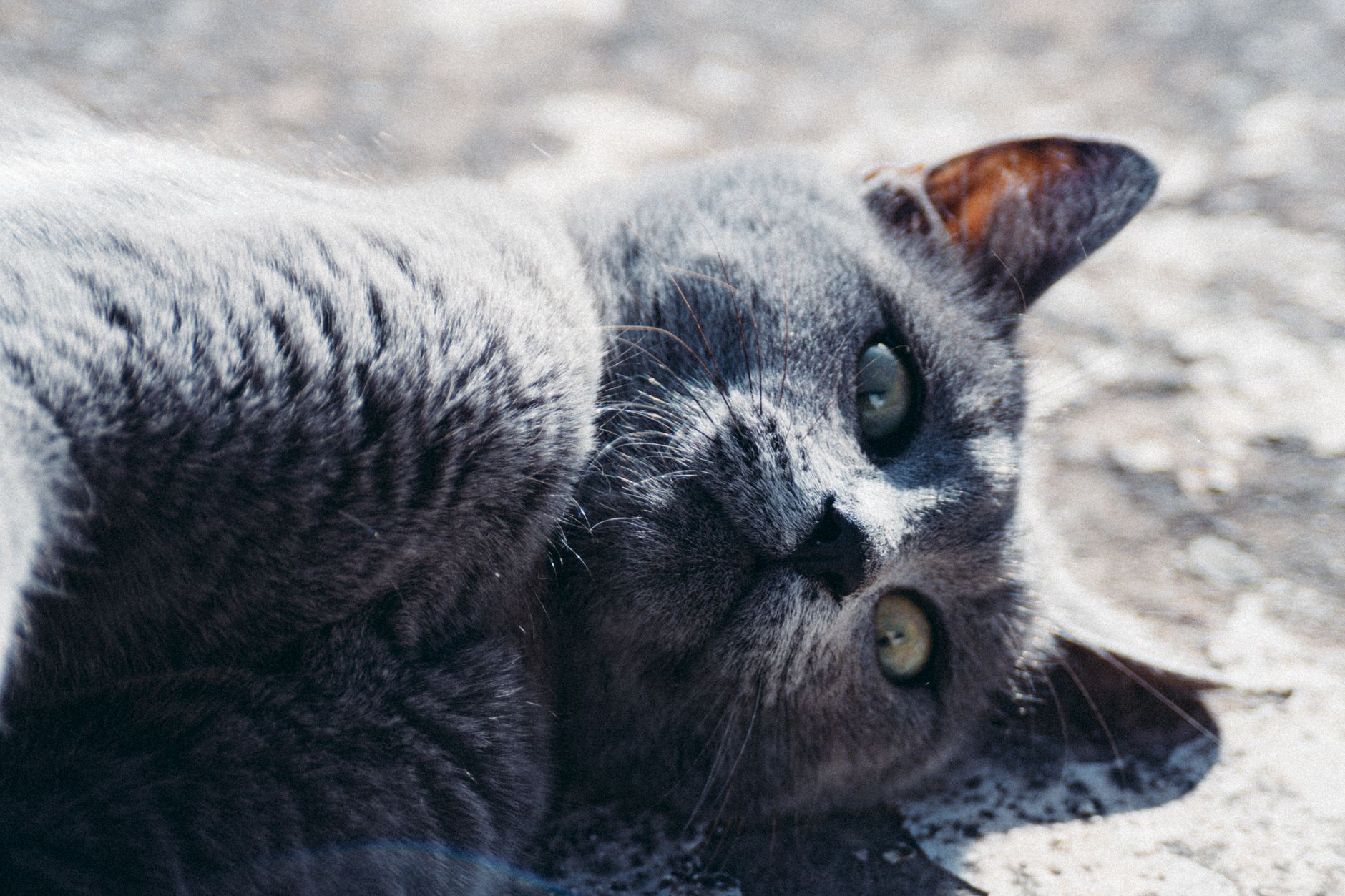
Cat purring is a low-frequency vibration of the vocal folds that cats produce while breathing in and out. This FAQ gives source-checked answers on how purring works, what it signals, and when owners should act. Purring starts very early in life and continues into adulthood with several meanings. Context, body posture, and sound quality matter more than the purr alone.
Table of Contents
- How do cats make the purring sound?
- Why do newborn kittens purr?
- Does purring always mean a happy cat?
- What is the urgent, harder-to-ignore purr?
- Can purring heal bones and muscles?
How do cats make the purring sound?
The older model held that the brain drives purring through repeated signals to the vocal-fold muscles. That view required constant neural input to keep the cycle going. University of Vienna researchers tested eight excised domestic-cat larynges and found self-sustained oscillations at purr rate without neural input, linked to connective-tissue pads up to 4 mm in the vocal folds the ScienceDaily release.
The team compared the mechanism to human vocal fry. The Vienna experiment recorded purrs at about 20-30 Hz. Broader bioacoustic work places domestic-cat purring at roughly 25-150 Hz during both inhalation and exhalation.
Why do newborn kittens purr?
Kittens begin purring at about two days old while nursing. Cornell Feline Health Center describes the vibration as early mother-kitten communication and bonding before sight and hearing mature the CatWatch Newsletter answer. The mother answers with her own purr.
The exchange helps kittens locate her, stay close, and feed calmly. This early use is social rather than playful. It builds recognition through touch and vibration.
Does purring always mean a happy cat?
No. Adult cats purr when comfortable and content, but also when anxious, injured, ill, frightened, or in pain.
Cornell Feline Health Center notes that purring alone does not prove happiness and may serve as self-soothing the CatWatch Newsletter answer. Read the whole cat, not only the sound. A relaxed purr often comes with loose posture, slow blinks, kneading, and upright, forward ears.
- Content purr: rhythmic, steady breathing, soft body, interest in food or play
- Soliciting purr: persistent, paired with rubbing, meowing, or leading toward the bowl
- Distress purr: hiding, hunched posture, loss of appetite, panting, aggression, or sudden withdrawal
What is the urgent, harder-to-ignore purr?
Some cats use a distinct solicitation purr that embeds a high-frequency voiced cry around 380 Hz inside the low purr. University of Sussex researcher Karen McComb and colleagues found listeners rated it more urgent and less pleasant the Current Biology abstract. Removing only that high component reduced the sense of urgency.
The low purr stayed the same. Owners often hear it near feeding time or morning wake-ups. Respond by checking food, water, litter, and routine before assuming hunger.
Can purring heal bones and muscles?
UC Davis veterinarian Leslie Lyons proposed purring as a low-energy way to stimulate muscles and bones. The hypothesis points to overlap between 25-50 Hz purring and frequencies associated with bone growth and fracture healing the LiveScience summary. That benefit remains a plausible hypothesis, not proven therapy.
Lyons frames it as possible self-maintenance and communication rather than established clinical treatment. Do not use purring as treatment for injury or illness. Seek veterinary care for limping, swelling, breathing changes, refusal to eat, or a purr that sounds different during pain or recovery.