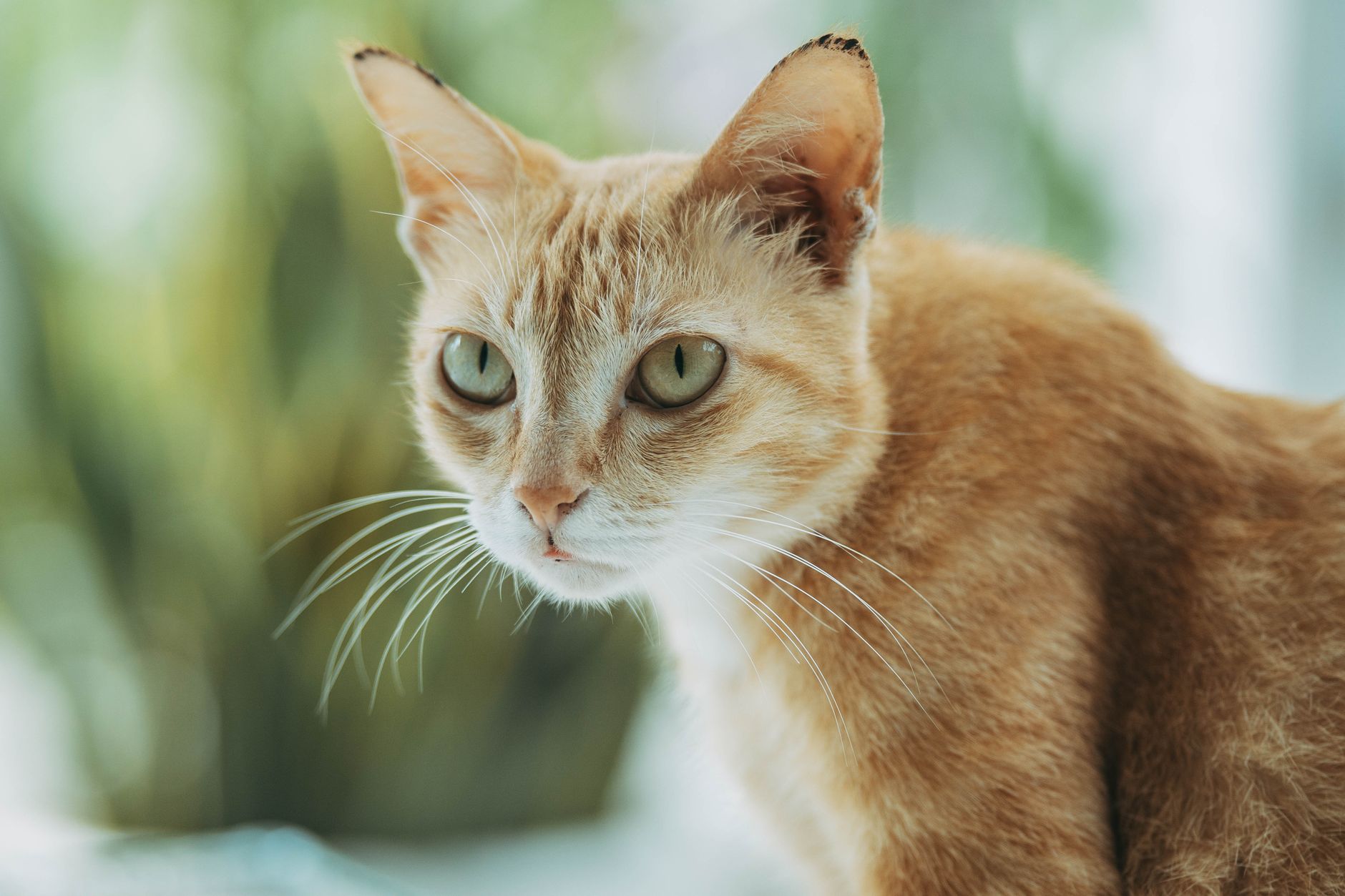
As of October 2026, the newest purring news is that purrs act as stable individual fingerprints, while terrified cats often keep purring through veterinary exams. Purring is the low rhythmic vibration cats make while breathing in and out.
The older mechanism work still shapes care. It shows sound comes from the voice box itself, not constant brain signals. That context helps owners read purrs with posture and situation.
Table of Contents
- How do cats make the purring sound?
- Is your cat's purr unique?
- Do genes affect how much cats purr?
- When does purring mean trouble?
How do cats make the purring sound?
Voice scientist Christian Herbst's University of Vienna team tested eight removed domestic-cat voice boxes. All eight made self-sustained 25–30 Hz purr-like vibrations without nerve input, using connective-tissue pads, according to University of Vienna research shared by Life Science Austria. UC Davis veterinary researcher Leslie Lyons reports cats purr during both inhalation and exhalation at 25–150 Hz.
She proposes the range may aid bone and muscle healing, communication, and self-soothing. The healing idea remains a hypothesis, not a treatment. Owners should not use purring as therapy for injury or illness.
Is your cat's purr unique?
Yes, recent work points that way. Museum für Naturkunde Berlin and University of Naples Federico II researchers applied speech-recognition methods to Animal Sound Archive recordings, according to reporting on the museum study by SciTechDaily. They found purrs stayed stable enough to identify individuals.
Meows changed much more with context and domestication. In practice, that stability may help owners learn one cat's normal purr. A change in sound, timing, or effort then stands out faster.
Do genes affect how much cats purr?
A Kyoto University team studied 280 spayed and neutered mixed-breed cats. Cats with short-type androgen-receptor gene variants scored higher for purring by owners, according to the PLOS One study. Short-type males were also more vocal toward people.
The result links a known hormone-signal gene to social sound. The sample was one Japanese group with owner scores. It does not prove a cat will purr more because of breed or sex alone.
When does purring mean trouble?
Veterinarian Dr. Nell Ostermeier explains cats purr when content, seeking attention, stressed, ill, or injured. A purr alone does not prove happiness. A vet-reviewed summary notes terrified cats commonly purr through exams, supporting purring as self-soothing during fear or pain, according to the Bark and Whiskers review by Dr.
Elizabeth Hardoon. Read sound with body posture, appetite, activity, hiding, breathing, and recent change. Call the veterinarian promptly for: Let a purring cat move away. Do not hold, comfort, or exercise the cat into staying.
- new, persistent, or louder purring with less eating
- purring with limping, vomiting, hiding, fast breathing, or litter-box change
- purring that starts with pain, injury, or after a stressful event
- a cat that purrs but wants distance and resists touch