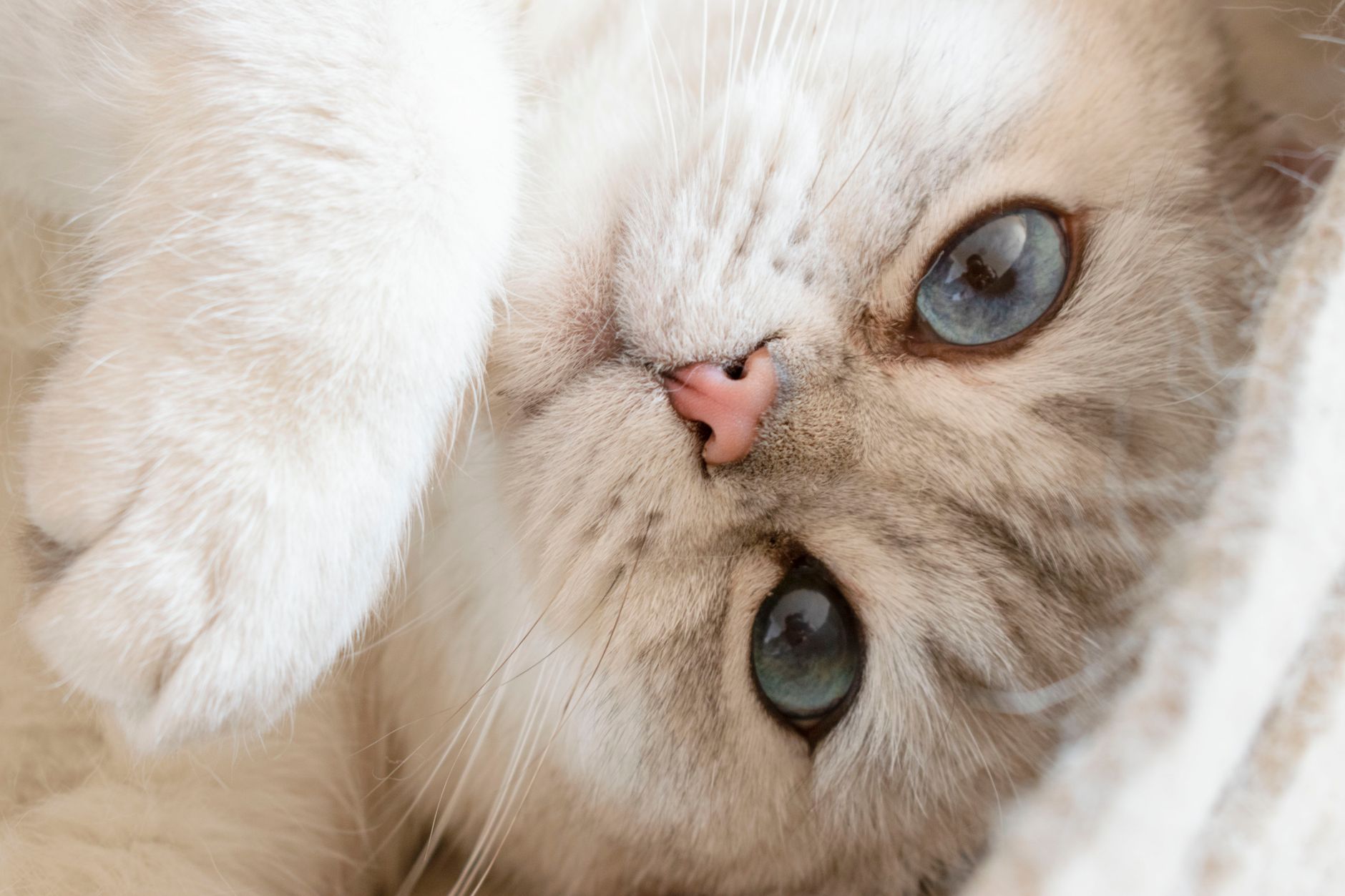
No controlled trial proves purring helps a cat heal faster. The idea is plausible because purr vibrations fall in frequency ranges linked to bone and tissue repair. Purring is the rhythmic, low vibrating sound cats make during both inhalation and exhalation. Cats purr when content, but also when injured, frightened, or ill.
Table of Contents
- Why does an injured cat purr?
- How do cats produce a purr?
- What links purr frequencies to healing?
- What should you do if your hurt cat purrs?
Why does an injured cat purr?
UC Davis behaviorists report that cats purr when content and also when injured, frightened, or dying, according to the UC Davis behavior guide. Purring is not only happiness. It also occurs during illness and stress.
A purring injured cat may be self-soothing rather than recovering. Purring can signal pain, fear, or a need for comfort. Do not read purring alone as proof of improvement.
How do cats produce a purr?
WebMD describes purring as rhythmic brain signals that drive laryngeal-muscle twitches at 25 to 150 vibrations per second, described in the WebMD explainer on why cats purr. The muscles work during both inhalation and exhalation. That continuous action creates the familiar steady rumble.
Voice-box tissue also helps. Researchers found excised cat larynges could sustain purr-rate oscillations without neural input. Embedded connective-tissue pads appear to permit very low-frequency sound production.
What links purr frequencies to healing?
Domestic-cat purrs span roughly 25 to 150 Hz, a range in which investigators have shown sound and vibration can improve bone density and promote healing, UC Davis veterinarian Leslie Lyons told Scientific American. Bioacoustics work has noted strong purr components near 25, 50, 100, and 150 Hz. Those overlap frequencies used experimentally for bone growth, fracture healing, pain, edema, and breathing difficulty. Human and animal vibration research adds context. A Physiopedia review of vibration therapy notes that low-magnitude vibration near 30 Hz can increase lumbar-spine bone mineral density and support fracture-healing outcomes.
This does not show a cat heals itself by purring. It only makes the mechanism worth studying. Lyons and later reviewers frame feline self-healing as hypothesis. Terms used include possible, may provide help, and low-energy maintenance during rest. No controlled trial proves purring cats heal faster.
What should you do if your hurt cat purrs?
Watch behavior, not sound alone. Purring can accompany pain, shock, breathing trouble, or reduced mobility.
Quick veterinary care matters more than waiting for vibration to help. Check for these warning signs: Call your veterinarian promptly if purring pairs with limping, hiding, loss of appetite, or labored breathing.
- limping, hiding, crying, or aggression when touched
- loss of appetite, vomiting, or unusual thirst
- rapid, labored, noisy, or open-mouth breathing
- swelling, bleeding, stiffness, or inability to jump