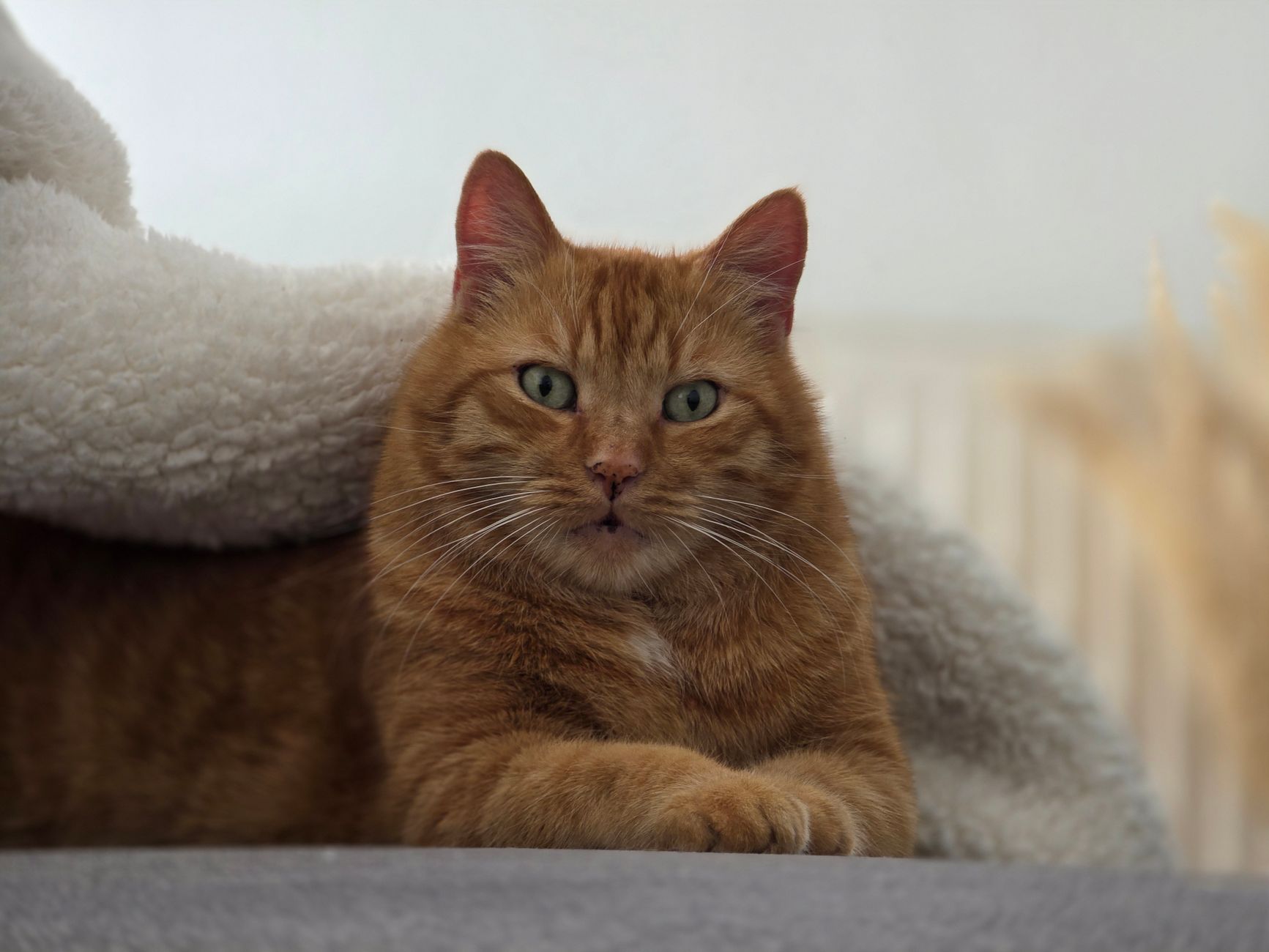
October 2026 brought bonding evidence that cats and owners sharing close time show linked oxytocin, the hormone tied to social bonding, plus calmer mood. It matters because daily contact looks more useful than years owned, while gene and voice studies point to why purrs differ. Purring is the low rhythmic vibration cats make while breathing in and out. The October update connects that familiar sound to new bonding data, fresh detail on individual purrs, and practical limits owners should keep in mind.
Table of Contents
- What did the October bonding study measure?
- Why does close time matter more than years together?
- Is each purr an individual fingerprint?
- Do genes and throat shape affect purring?
- What can owners do with this now?
What did the October bonding study measure?
Researchers measured urinary oxytocin and cortisol in 29 pet cats and 19 owners over one month and tracked proximity with Bluetooth beacons on cats linked to owners phones, according to the Cell Press iScience paper the iScience paper. Repeated urine samples gave a stress and bonding picture across days, not a single visit.
Cats and owners showed positively correlated oxytocin levels, and higher oxytocin in cats went with lower owner cortisol and fewer owner negative feelings such as anger and anxiety, according to Kyoto University reporting via SciTechDaily the SciTechDaily report. The pattern frames purring time together as shared calm time, not only a cat signal.
Why does close time matter more than years together?
Owners who spent more time in close physical proximity reported more positive moods, while positive mood had no link to years of ownership, according to Phys.org reporting on the Kyoto and Azabu study the Phys.org report. A new adopter who sits nearby, plays briefly, and allows lap time can share the benefit.
Years together may build routine and trust. Daily nearness is what tracked with mood in this data set. For owners, that shifts attention from tenure to present habits.
Is each purr an individual fingerprint?
A February 2026 Museum fur Naturkunde Berlin study used speech-recognition-like analysis and found purrs stay stable across situations while meows vary. A meow changes to ask for food, access, or attention. A purr keeps its core rhythm.
That stability makes purrs act like vocal fingerprints for individual cats. Owners often learn to pick out their own cat in a multi-cat home. Recording a short clip during rest and during stroking can show how little the base sound shifts.
Do genes and throat shape affect purring?
In 280 mixed-breed cats, Kyoto University found cats with short-type androgen-receptor genes scored higher for purring. Short-type males vocalized more toward people, while short-type females showed more aggression toward strangers. The result suggests inherited differences in sociability run alongside purring tendency.
Body design sets a hard boundary. Cats Protection notes purring and roaring are mutually exclusive because of larynx structure: small cats with rigid voice boxes purr, big cats with softer structures roar, and snow leopards do neither. A house cat cannot roar, and a lion cannot truly purr.
What can owners do with this now?
Use close time with intent. Keep sessions short, cat-led, and frequent.
Treat healing claims with care. The October bonding results are correlational from only 19 owners and 29 cats, and ideas that 25-50 Hz purr vibrations heal bones or wounds remain unproven hypotheses, according to the iScience authors via Sci.News the Sci.News report. Enjoy purring as comfort and contact, not therapy.
- Sit at cat level and let the cat approach
- Stroke cheeks and chin if the cat leans in, pause if tail flicks
- End on a calm note before restlessness starts
- Keep a regular evening cuddle or play slot