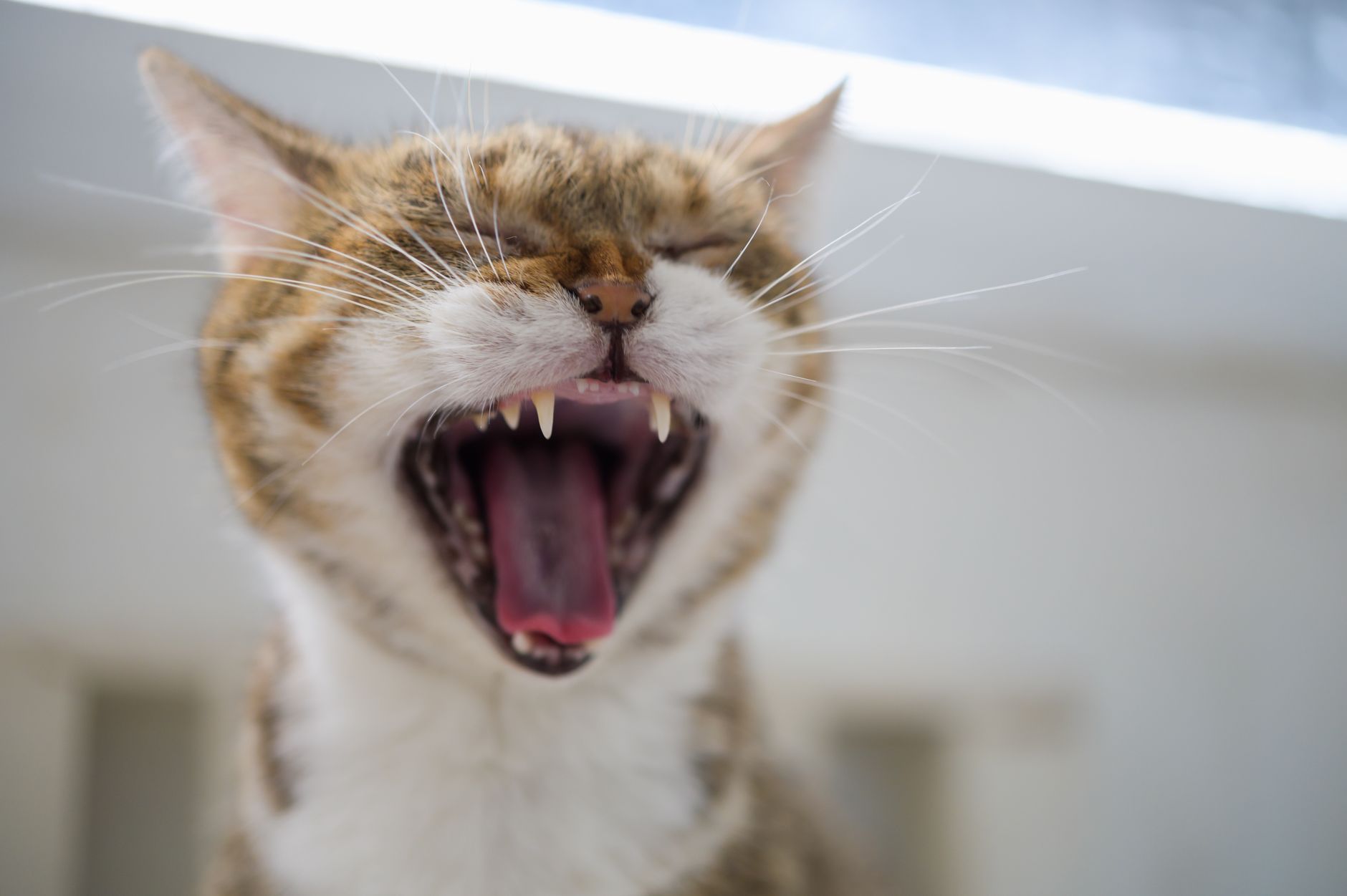
To calm an aggressive cat before a vet visit, start carrier training early, limit stimulation during travel, and ask your vet about calming medication. Pair that plan with a quiet appointment time and a covered, familiar-smelling carrier. Most vet-related aggression is fear-based self-defense, not disobedience.
Fear-based aggression means defensive swatting, biting, vocalizing, or fleeing when a cat feels trapped. Veterinary behavior resident Dr. Alison Gerken warns that untreated anxiety can escalate into aggression or escape attempts.
Table of Contents
- Build a positive carrier routine early
- Lower stress on travel day
- Ask about prescription calming medication
- Choose a quieter visit plan
Build a positive carrier routine early
Leave the carrier out for several days before the visit. According to Oakland Hills Veterinary Hospital, place bedding, treats, or catnip inside so the cat builds a positive association instead of linking the carrier only to vet trips (carrier training advice). Keep the door open and refresh the treats daily.
Use a sturdy top- or front-opening carrier. Keep home-smelling bedding inside for comfort and familiarity. A familiar smell helps the carrier feel like a resting place rather than a trap.
Lower stress on travel day
Cover the carrier with a towel or breathable blanket during car travel and in the waiting room. The Ohio State University Indoor Pet Initiative advises this step in its low-stress handling guidance because less visual stimulation lowers threat perception for fearful cats (low-stress handling guidance). Keep voices low and avoid placing the carrier near dogs.
Veterinarians at VCA Canada Animal Hospitals recommend spraying synthetic feline facial pheromone, such as Feliway, on the carrier towel and car about 15 minutes before loading (trip preparation guidance). Never spray it directly on the cat. For loading and carrying:.
- Load the cat butt-first to reduce scrambling and swatting.
- Carry the carrier supported underneath, not swinging by the handle.
- Keep the cover on, with airflow open.
Ask about prescription calming medication
Call ahead if your cat has a history of fear or aggression. Ask whether a vet-prescribed pre-visit anxiolytic, often gabapentin, fits your cat. Gabapentin is a prescription-only calming medication that a veterinarian must dose for the individual cat.
Evidence supports timed pre-visit use. In a 2017 double-blind crossover study in the Journal of the American Veterinary Medical Association, owners gave cats 100 mg gabapentin 90 minutes before travel, and both owner-assessed stress and veterinarian-assessed compliance scores were significantly lower than with placebo (study report). A 2021 crossover study in the same journal found that a single owner-given 100 or 200 mg dose two hours before the exam reduced aggressive behaviors during examinations in cats with prior fear-based aggression.
Choose a quieter visit plan
Request a quiet or first appointment and a cat-only waiting area. Fewer animals, shorter waits, and less noise reduce triggers before the exam. Stay calm and keep the carrier covered until staff direct you.
Timing matters for medication. Patton Veterinary Hospital notes that gabapentin commonly causes transient sedation or wobbliness and its calming effect wears off within about eight hours. Give the prescribed dose at the exact interval your vet sets.