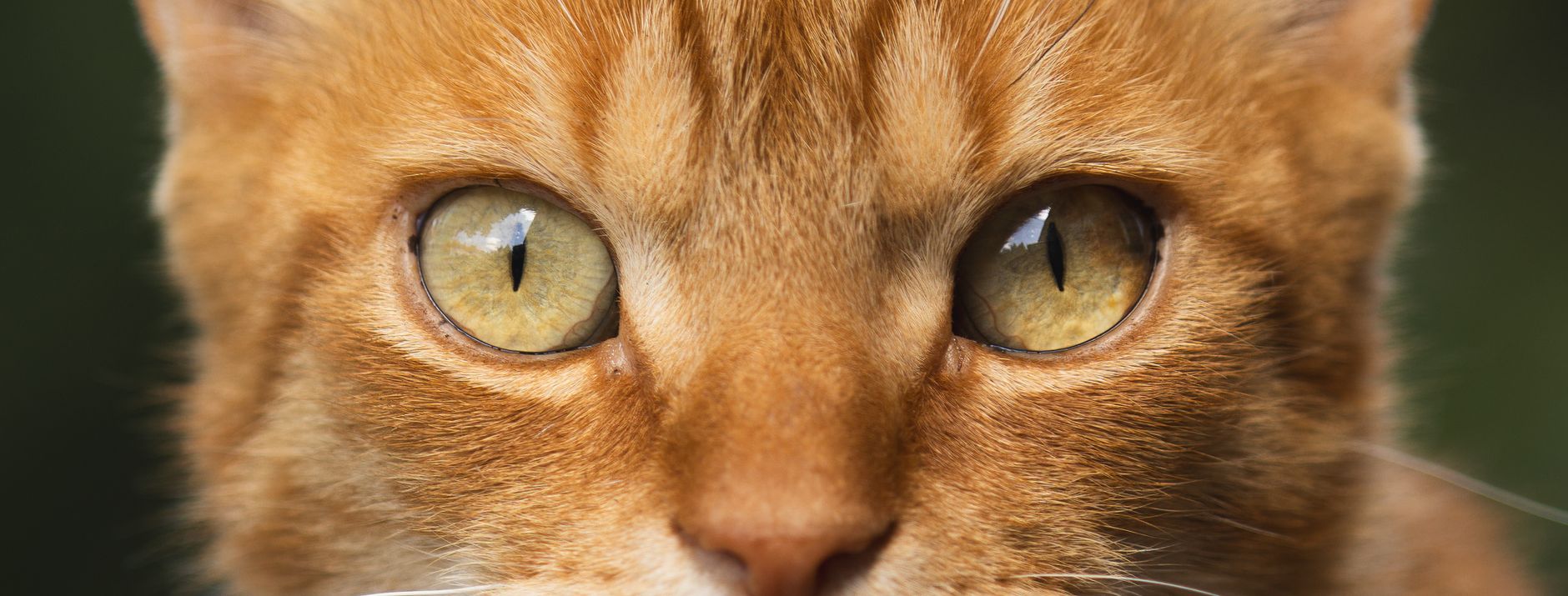
Your cat probably keeps sneezing but acts fine because dust, scents, or a mild virus irritate the nose without making the whole body sick yet. Eating, drinking, and playing normally is reassuring, but it does not rule out an infection that needs watching. An upper respiratory infection means infection of the nose, throat, and eyes. Dial A Vet lists dust, pollen, smoke, perfumes, cleaning products, candles, and strong cooking spices as common triggers in its sneezing guide.
Table of Contents
- Is something in the air irritating your cat?
- Could this be a cat cold?
- What else causes lasting sneezing?
- When should you call the vet?
Is something in the air irritating your cat?
A single sneeze after sniffing a dusty shelf is different from repeated fits. Household particles land on the nasal lining and trigger a fast reflex. The cat then shakes it off and returns to normal behavior. Scented products are frequent culprits.
Litter dust, scented litter, air fresheners, candles, cleaners, cigarette smoke, and strong spices can all provoke sneezing. Pollen from open windows can add seasonal irritation. Watch when sneezes happen. Note the room, time, litter change, cleaning routine, or cooking smells. Better airflow, low-dust litter, and fewer fragrances often lower the count.
Could this be a cat cold?
Mild viral infection is another leading reason for sneezing with normal energy. Cornell CatWatch reports that about 80% of feline upper respiratory infections come from two viruses, feline herpesvirus in about 40% and feline calicivirus in about 40%, in its upper respiratory overview. Feline herpesvirus means a virus that infects the nose and eyes and then stays dormant. Cornell CatWatch explains that it usually resolves in weeks but remains lifelong in nerve cells and can reactivate with stress in its herpesvirus overview.
Recurrent sneezing, nasal discharge, conjunctivitis, or corneal ulcers can follow reactivation. Feline calicivirus, described by the Cornell Baker Institute for Animal Health, is highly contagious and often starts like a cold. Early signs include sneezing, congestion, fever, drooling, and eye discharge. Severe cases can later develop oral ulcers or pneumonia.
What else causes lasting sneezing?
Not every persistent sneeze is a virus or dust. Cornell and veterinary sources also point to grass or other nasal foreign material, nasal polyps, dental disease, allergies to dust, mold, or pollen, and fungal or bacterial infection. Location and pattern offer clues. One-sided discharge may suggest foreign material, a polyp, or dental disease.
Itchy skin, watery eyes during pollen season, or sneezing after yard time may suggest allergy. Do not try to flush or pull anything from the nose. Dental pain, one-sided swelling, noisy breathing, or reduced smell deserve direct examination. Sneezing alone cannot identify the cause.
When should you call the vet?
Most mild sneezes fade within a few days once irritants drop. Maddie's Fund advises prompt veterinary evaluation when sneezing persists, recurs in fits, or comes with warning signs in its sneezing and nasal discharge guide.
Track frequency, discharge color, appetite, thirst, play, and litter habits. Keep herpesvirus and calicivirus vaccinations current, reduce dust and fragrances, and isolate a new or sick cat when possible. If discharge turns yellow, green, bloody, or foul-smelling, book a vet visit promptly.
- yellow, green, bloody, or foul-smelling nasal discharge
- appetite loss, lethargy, or fever
- coughing, wheezing, mouth breathing, or labored breathing
- sneezing that lasts beyond a few days or keeps returning in fits