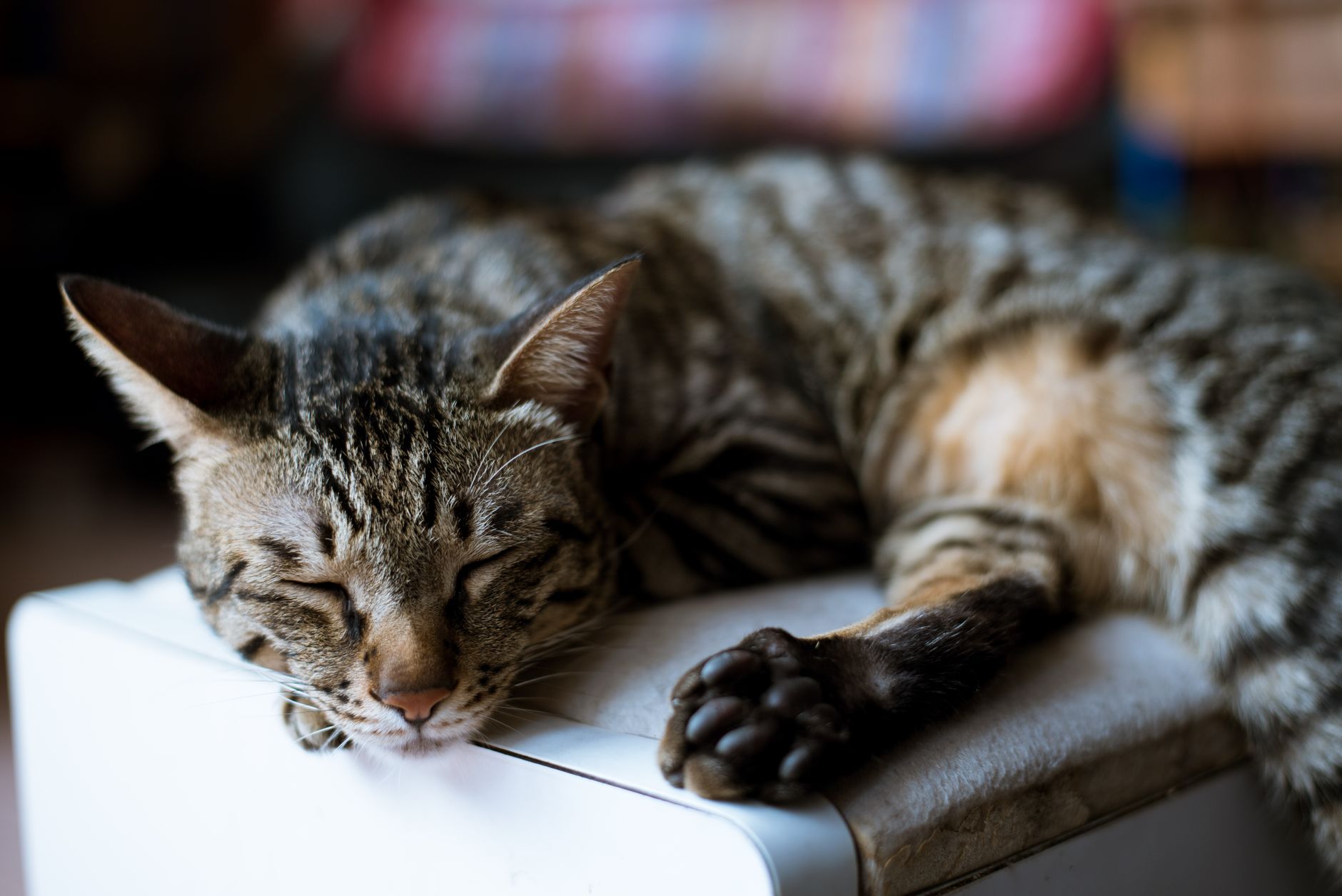
Yes, a humidifier can help cats with winter allergy symptoms, especially dry, itchy skin and stuffy airways. It does not remove allergens, so it eases irritation rather than treating the allergy itself. Feline environmental allergy means an immune reaction to triggers such as house dust mites, pollens, molds, and mildew. VCA Animal Hospitals notes the most common sign is localized or whole-body itchy skin, with some cats also developing coughing, sneezing, wheezing, or nasal and eye discharge VCA's allergy overview.
Table of Contents
- Why winter bothers allergic cats
- What extra moisture can improve
- What humidity level should you keep
- How to use one safely with a mold-sensitive cat
Why winter bothers allergic cats
Closed windows and steady heating trap dust, mold spores, household chemicals, and recirculated allergens indoors. Dry heated air then dries the skin and aggravates existing itch and dermatitis. Cats with allergies usually show skin problems rather than sneezing.
Itching, overgrooming, hair loss, and irritated skin rise and fall as environmental allergen levels change. That combination explains winter flare-ups. The air holds more triggers and less moisture at the same time.
What extra moisture can improve
Moist air helps dry skin, dandruff, and irritated noses, throats, and eyes. Mayo Clinic staff advise keeping home humidity at 30%–50% and note that cool-mist humidifiers add moisture that can ease stuffiness Mayo Clinic's humidifier guidance. Cornell dermatologist William H.
Miller Jr. says winter heating lowers humidity and causes feline dry skin and dandruff, and that a humidifier plus regular grooming to stimulate skin oils may be all that is needed Cornell's dry-skin guide. Grooming matters because brushing distributes natural skin oils. For an allergic cat, softer skin can mean less scratching and fewer sores.
What humidity level should you keep
Aim for 30%–50% indoor humidity. That range limits dryness without making the house damp. The U.S.
Environmental Protection Agency directs homes to stay below 60% humidity, ideally 30%–50%, and warns against humidifying above 50% because excess moisture encourages mold and biological growth EPA's mold guide. Use a room hygrometer if the humidifier lacks a built-in humidistat. Small bedrooms gain humidity faster than large open living areas.
How to use one safely with a mold-sensitive cat
A dirty humidifier can grow mold or bacteria and spray spores into the air. Consumer Reports, citing the American Academy of Allergy Asthma and Immunology, warns this can harm people and pets with mold allergies, so users must monitor humidity and keep the unit clean Consumer Reports' humidifier cleaning guide.
Keep grooming, vacuuming, dusting, and litter-box cleaning regular through winter. Monitor room humidity daily and keep the humidifier clean enough that water looks clear and smells fresh.
- Choose cool-mist rather than warm steam near curious cats
- Place the unit where bedding and curtains will not stay damp
- Monitor room humidity and ventilate if windows sweat
- Empty, rinse, dry, and clean the tank and parts on schedule
- Replace filters or cartridges when discolored or musty