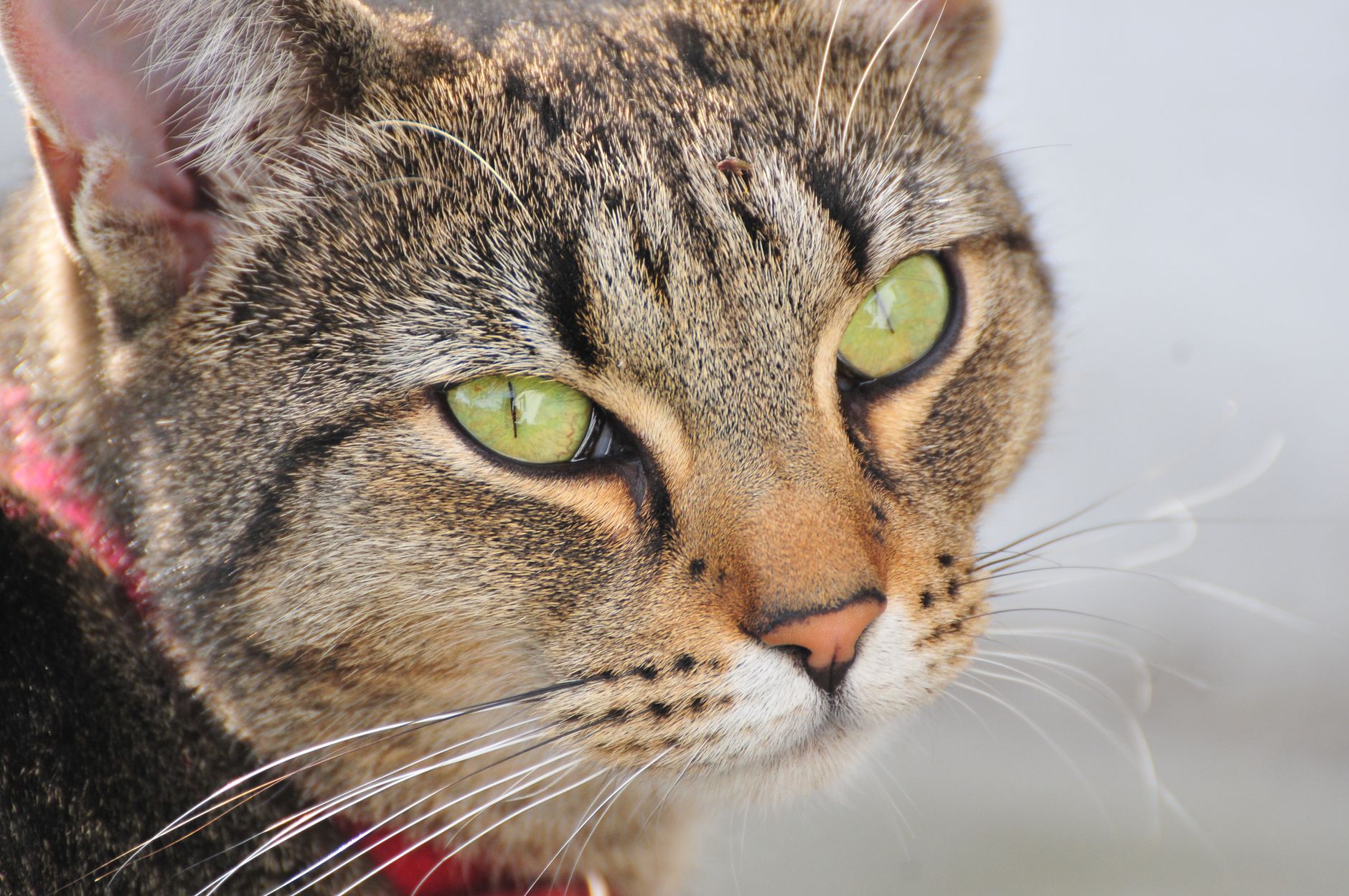
Yes, a tabby cat can use a catio year-round in cold climates with winter protection and supervised visits. A catio is an enclosed outdoor space, and tabby only describes coat pattern, not cold hardiness.
According to HowStuffWorks citing the Cat Fanciers' Association in its tabby coat guide, tabbies show an M-shaped forehead mark with striped, spotted, classic, or ticked markings. Age, health, and coat matter more than pattern. Year-round use means brief winter outings, not long unsupervised hours.
Table of Contents
- What cold risks should owners watch for?
- How cold is too cold for catio time?
- How do you winterize a catio?
- What bedding and heat are safe?
What cold risks should owners watch for?
Low temperatures plus wind, snow, or ice raise risk of hypothermia and frostbite. The Cornell Feline Health Center calls keeping cats indoors the best protection in its cold-weather tips for cats. Watch outings closely when weather turns wet or windy.
The ASPCA warns that outdoor pets in cold can freeze, get disoriented, or suffer injury. It advises that if weather feels too cold for you, it is likely too cold for your pet. Use that test before opening catio access.
How cold is too cold for catio time?
Think in short, supervised visits once temperatures drop. According to Cat Topia in its winter catio temperature guide, above 45°F is generally safe. From 32 to 45°F, owners need caution and supervision.
Below freezing, keep time brief and sheltered. Seniors, kittens, and cats with illness need stricter limits. Let the cat choose to return inside at any time.
How do you winterize a catio?
CatiOasis lists five winter steps: clean, check latches, block wind and precipitation, add protected hiding spots, and clear snow. Catio Spaces recommends a November inspection with temporary wind blocks and clear covers.
Clear covers stop drafts while keeping light. Face openings away from prevailing wind. Keep the entry to the house open so the cat can move inside fast.
- Clean floors and remove debris
- Test latches and repair gaps
- Add wind blocks and clear covers
- Place a sheltered hiding spot inside
- Clear snow from surfaces and entry
What bedding and heat are safe?
Cornell directs owners who cannot keep cats indoors to give shelter from cold, wind, and precipitation with straw bedding. It says to avoid newspaper, cloth, and hay. Alley Cat Allies gives the same straw-not-hay rule because straw repels moisture. Hay, blankets, and newspaper absorb moisture and leave shelters wet and cold.
Check bedding often and replace damp straw. Do not plug in space heaters or heating pads in the catio. CatiOasis warns most heaters and pads are not outdoor-rated and cannot handle temperature changes. Use free indoor access and short supervised visits instead. Free choice to go inside is the safest heater.