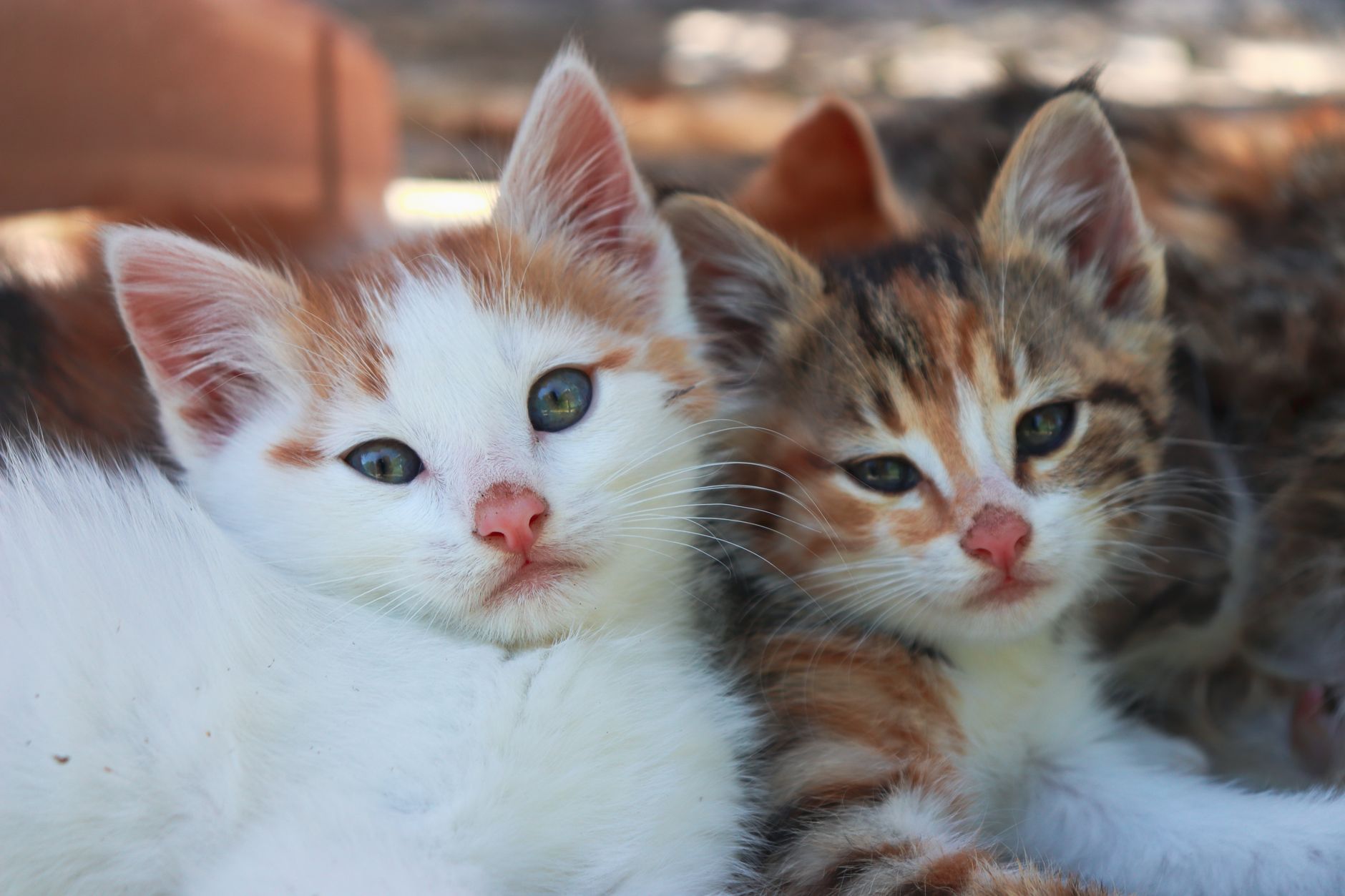
Yes, kittens can use a catio in mild, dry weather for short, supervised visits, but very young kittens should stay indoors. When the air turns cold, wet, or windy, close catio access and keep kittens inside. A catio is an enclosed outdoor patio that gives cats fresh air without free roaming. Cold stress hits small bodies fast, so set a temperature rule and watch each visit closely.
Table of Contents
- How Cold Is Too Cold?
- Why Do Young Kittens Chill So Fast?
- When Should You Close the Catio?
- What Should You Watch for Outside?
How Cold Is Too Cold?
Texas A&M veterinary experts warn that pets not used to cold should not stay out when the daily average falls below 45°F (Texas A&M cold-weather guidance). Even cold-used cats still need access to warm shelter.
Treat that number as a stop sign for kittens, not a play target. For kittens, stay well above that line and keep visits brief. If the air feels chilly and the ground is damp, bring playtime inside.
Why Do Young Kittens Chill So Fast?
Veterinarian Dr. Paige Adams, writing for the Rover UK Blog, notes kittens 7 weeks or younger chill quickly (Rover UK cold-cat guidance). The same guidance points to nesting warmth near 85-90°F for newborns.
That gap matters in a catio. A cool breeze can drain a small kitten fast. Save outdoor time until kittens are older, bigger, and fully active indoors.
When Should You Close the Catio?
Cornell's Feline Health Center states that cold plus wind, snow, or ice raises the risk of hypothermia and frostbite for cats spending time outside (Cornell cold-weather tips for cats). The center lists staying indoors as the best prevention.
Close the catio door when temperatures drop toward the 45°F caution line, when wind picks up, or when surfaces are wet or icy. Offer indoor play instead and let only older, healthy kittens out briefly on calm, dry days.
What Should You Watch for Outside?
Cornell specialists and the Merck Veterinary Manual, summarized in RexVet's safe-temperature analysis, list shivering, tight curling, lethargy, cold ears, paws, and tail, plus weakness as warning signs. The same sources note frostbite often strikes ear tips, tail, and paws and needs prompt veterinary care. At the first sign, bring the kitten inside, dry it gently, and call your veterinarian for next steps.
- Shivering or curling tightly and refusing to play
- Cold ears, paws, or tail
- Lethargy, weakness, or unsteady movement