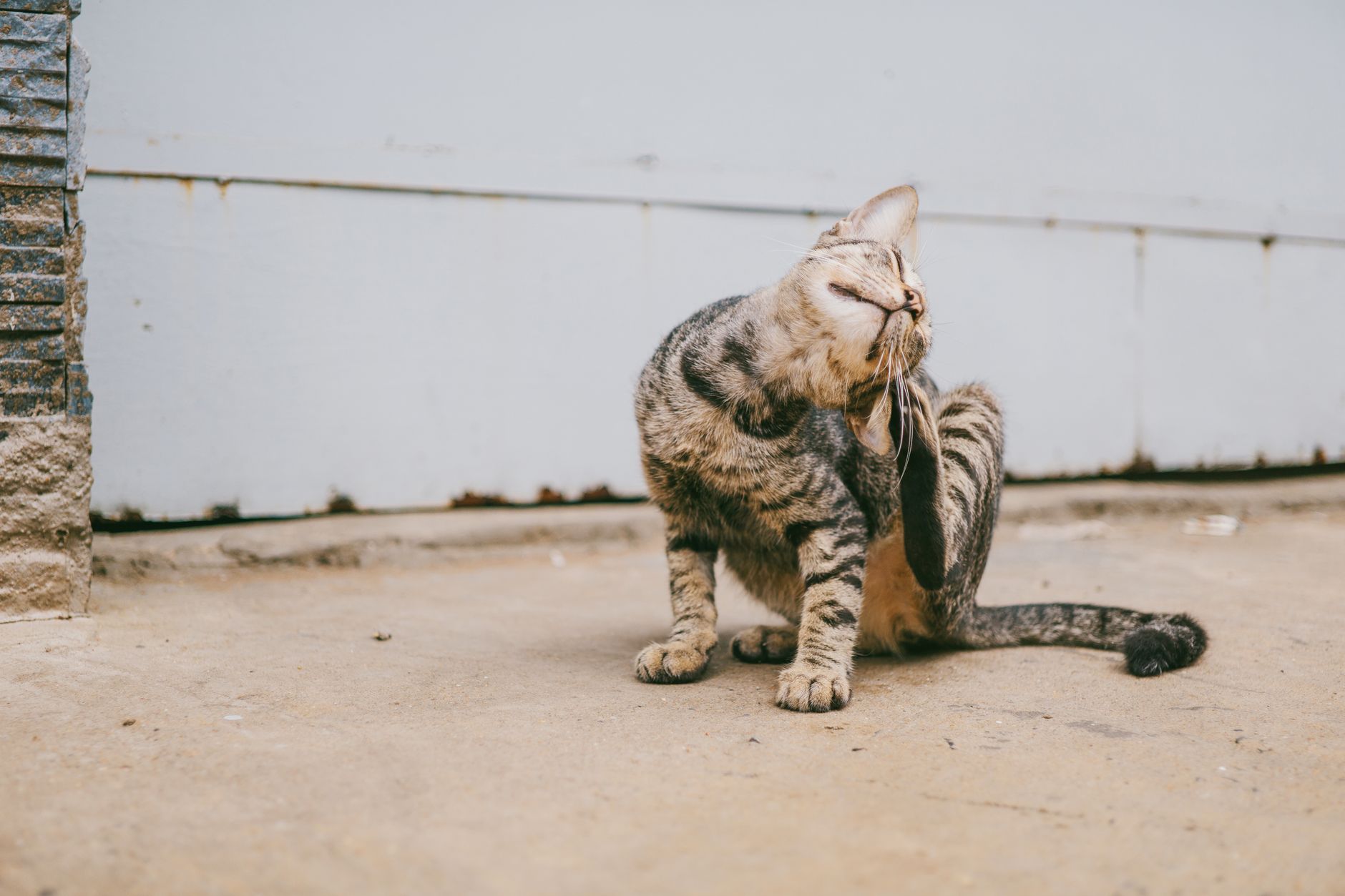
Yes, fleas can cause anemia in kittens. Anemia means too few red blood cells to carry enough oxygen, and heavy flea feeding can drain enough blood to cause it. Kittens face higher risk because of small size and developing immune systems. Cornell University College of Veterinary Medicine notes that the same burden rarely causes anemia in adult cats in its flea health guide.
Table of Contents
- Why are kittens more vulnerable?
- What signs point to fleas and anemia?
- When is it an emergency?
- How do vets confirm anemia and manage fleas safely?
Why are kittens more vulnerable?
Adult fleas pierce skin and drink blood at each meal. A newborn kitten carries only a small blood volume. The same number of fleas therefore takes a larger share from a kitten than from an adult cat.
FirstVet warns that even several fleas can produce severe anemia in a very young kitten in its guide to flea anemia. FirstVet reports that many veterinarians consider this a common cause of death in juveniles allowed outdoors. Outdoor access raises risk because exposure starts early and repeats often.
What signs point to fleas and anemia?
Early flea signs often come before anemia. The University of Sydney Veterinary Teaching Hospital lists scratching, restlessness, increased grooming, and flea dirt in its flea prevention guide. Flea dirt means tiny dark specks of flea waste in the coat.
Heavy infestation can then cause weakness, lethargy, poor appetite, and pale gums. These changes signal urgent danger, not mild irritation: Check gums gently in good light. Call a veterinarian at once if severe signs appear.
- weakness or trouble playing as usual
- lethargy or sleeping far more than normal
- poor appetite or refusing food
- pale gums instead of healthy pink
When is it an emergency?
Flea anemia is a medical emergency in kittens. The American Animal Hospital Association explains that substantial blood loss causes a clinically meaningful drop in red cells in its overview of flea and tick risks. Prompt veterinary treatment is needed to stop the loss and support recovery.
Do not wait to see if a pale, limp, or uninterested kitten improves alone. Weakness plus known fleas calls for same-day care. Fast action gives the kitten the best chance.
How do vets confirm anemia and manage fleas safely?
Fleas alone do not prove anemia. The University of Sydney Veterinary Teaching Hospital notes that other blood-feeding parasites and diseases can also lower red cells. Only a veterinary exam can confirm the cause.
Age and weight decide which flea measures are safe. Kittens under 8 weeks need age- and weight-appropriate care because not all products suit them. Bring the kitten's exact age, weight, and any product packaging to the visit.